avatarAIFastCash

Free AI web copilot to create summaries, insights and extended knowledge, download it at here

2012

Abstract

applications.</p><p id="ffbc">Maia GPU — A graphics processing unit created by Microsoft to accelerate training and inference of large AI models.</p><p id="2dad">Microsoft engineered these chips from the ground up to enhance and scale AI workloads. The vertical integration with its Azure cloud platform allows tuning the hardware and software together for ideal optimization.</p><figure id="88f3"><img src="https://cdn-images-1.readmedium.com/v2/resize:fit:800/0*qjFx1TRdmcBpMotL.jpg"><figcaption></figcaption></figure><figure id="9bcf"><img src="https://cdn-images-1.readmedium.com/v2/resize:fit:800/0*u05q6_LrsEA1BdbT.jpg"><figcaption></figcaption></figure><h1 id="36d6">Promising Performance Gains</h1><p id="061d">According to Microsoft’s initial benchmarks, the Maia chips significantly outpace today’s AI hardware:</p><ul><li>Up to 33x faster response for certain queries compared to existing Azure infrastructure</li><li>Training performance gains of up to 6x over Nvidia’s A100 GPU</li><li>Inference latency reduced by up to 3x versus Nvidia’s T4 chip</li></ul><p id="e1fe">These major performance leaps come before any customer-specific software optimizations. The numbers illustrate the potential of Microsoft’s purpose-built design.</p><div id="051f" class="link-block"> <a href="https://medium.aifastcash.com/intels-ai-pc-a-game-changer-or-just-hype-67fe99c44c7"> <div> <div> <h2>Intel’s AI PC: A Game-Changer or Just Hype?</h2> <div><h3>Intel’s Vision for the Future: Leap into Local AI</h3></div> <div><p>medium.aifastcash.com</p></div> </div> <div> <div style="background-image: url(https://miro.readmedium.com/v2/resize:fit:320/0*NNc7ZS0DZWvw7ai1)"></div> </div> </div> </a> </div><h1 id="19d1">Cloud Domination Play</h1><p id="dae4">Microsoft’s cloud business trails category leader AWS. By investing in custom silicon, Mi

Options

crosoft aims to make Azure more appealing for AI applications.</p><p id="8e4f">The Maia chips will debut exclusively in Azure. Microsoft is betting their optimized performance will give Azure an edge in cloud-based AI services. This could help close the gap with AWS.</p><p id="f8bc">Microsoft also aims to sell the Maia hardware directly to cloud customers. This provides an alternative to Nvidia’s AI chips, opening up the market.</p><div id="b8f2" class="link-block"> <a href="https://medium.aifastcash.com/breaking-lenovo-and-nvidia-announcing-a-joint-hybrid-ai-initiative-5eade2e2ccc4"> <div> <div> <h2>BREAKING: Lenovo and NVIDIA Announcing a Joint Hybrid AI Initiative</h2> <div><h3>In a groundbreaking collaboration, technology giants Lenovo and NVIDIA have jointly announced their foray into the…</h3></div> <div><p>medium.aifastcash.com</p></div> </div> <div> <div style="background-image: url(https://miro.readmedium.com/v2/resize:fit:320/0*wzbCmDcxa--5sXDl.jpg)"></div> </div> </div> </a> </div><h1 id="4676">Execution is Key</h1><p id="ab76">While the Maia benchmarks are promising, Microsoft faces challenges in executing this silicon strategy. Manufacturing at scale with good yields can be difficult to achieve. Real-world performance gains for customers remain unproven.</p><p id="e118">But by leveraging its chip design talent and cloud infrastructure assets, Microsoft has a shot at disrupting the AI hardware landscape. Its Project Maia chips demonstrate a major long-term bet on differentiated silicon to power next-generation AI innovation.</p><p id="07e0"><b><i>Source:</i></b><i> <a href="https://news.microsoft.com/source/features/ai/in-house-chips-silicon-to-service-to-meet-ai-demand/">https://news.microsoft.com/source/features/ai/in-house-chips-silicon-to-service-to-meet-ai-demand/</a></i></p></article></body>

Microsoft Bets Big on It’s New Custom AI Chips for AI

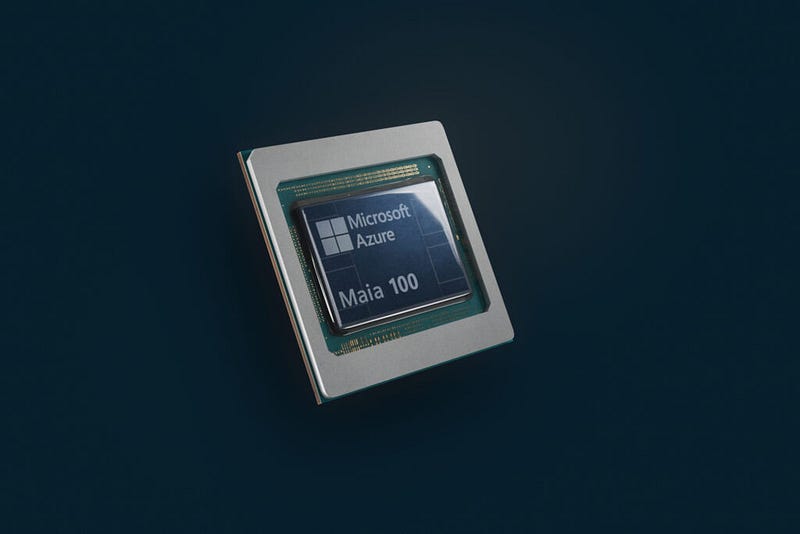
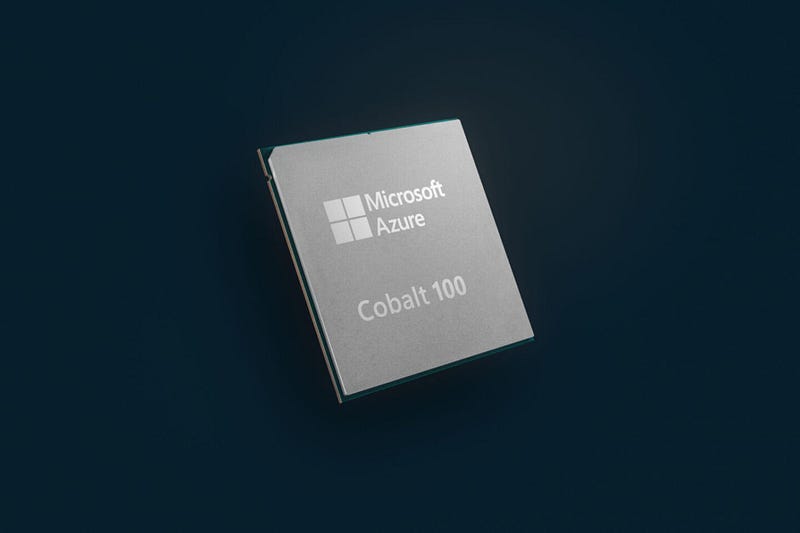
Microsoft recently unveiled its first internally designed artificial intelligence (AI) chips, dubbed Project Maia. The new chips represent a major strategic push by Microsoft to differentiate its cloud computing services through custom silicon optimized for AI workloads.

The Need for Specialized AI Hardware

AI services have exploded in popularity in recent years. From chatbots to autonomous vehicles, AI is quickly becoming a must-have capability for organizations. However, AI models require immense amounts of data and compute power. This has created a voracious appetite for optimized AI hardware.

Graphics processing units (GPUs) from vendors like Nvidia currently dominate AI computing. But GPUs are not purpose-built for AI. Microsoft identified an opportunity to tailor hardware more specifically for the performance and efficiency needs of AI models.

Introducing Maia — Microsoft’s AI Accelerator

The Maia chipset contains two key components:

Maia CPU — An AI-optimized central processing unit designed by Microsoft to speed up transformer-based models like those used in natural language applications.

Maia GPU — A graphics processing unit created by Microsoft to accelerate training and inference of large AI models.

Microsoft engineered these chips from the ground up to enhance and scale AI workloads. The vertical integration with its Azure cloud platform allows tuning the hardware and software together for ideal optimization.
Promising Performance Gains

According to Microsoft’s initial benchmarks, the Maia chips significantly outpace today’s AI hardware:

  • Up to 33x faster response for certain queries compared to existing Azure infrastructure
  • Training performance gains of up to 6x over Nvidia’s A100 GPU
  • Inference latency reduced by up to 3x versus Nvidia’s T4 chip

These major performance leaps come before any customer-specific software optimizations. The numbers illustrate the potential of Microsoft’s purpose-built design.

Cloud Domination Play

Microsoft’s cloud business trails category leader AWS. By investing in custom silicon, Microsoft aims to make Azure more appealing for AI applications.

The Maia chips will debut exclusively in Azure. Microsoft is betting their optimized performance will give Azure an edge in cloud-based AI services. This could help close the gap with AWS.

Microsoft also aims to sell the Maia hardware directly to cloud customers. This provides an alternative to Nvidia’s AI chips, opening up the market.

Execution is Key

While the Maia benchmarks are promising, Microsoft faces challenges in executing this silicon strategy. Manufacturing at scale with good yields can be difficult to achieve. Real-world performance gains for customers remain unproven.

But by leveraging its chip design talent and cloud infrastructure assets, Microsoft has a shot at disrupting the AI hardware landscape. Its Project Maia chips demonstrate a major long-term bet on differentiated silicon to power next-generation AI innovation.

Source: https://news.microsoft.com/source/features/ai/in-house-chips-silicon-to-service-to-meet-ai-demand/

Microsoft
Ai Chip
Ai Chip Market
Azure
Nvidia
Recommended from ReadMedium