avatarJim Clyde Monge

Free AI web copilot to create summaries, insights and extended knowledge, download it at here

2037

Abstract

g"><figcaption>Image by <a href="undefined">Jim Clyde Monge</a></figcaption></figure><p id="9a95">Configure your GPT model based on its intended purpose and behavior.</p><figure id="05a5"><img src="https://cdn-images-1.readmedium.com/v2/resize:fit:800/1*WdmIEihKg5TGwm1Qs46cuw.png"><figcaption>Image by <a href="undefined">Jim Clyde Monge</a></figcaption></figure><p id="a37e">Once done editing, save your model and modify the visibility settings. To be visible in the marketplace, you need to set the publish settings to “Everyone”.</p><figure id="b485"><img src="https://cdn-images-1.readmedium.com/v2/resize:fit:800/1*zuHKtkgnXpZM0dNPM4Ye6g.png"><figcaption>Image by <a href="undefined">Jim Clyde Monge</a></figcaption></figure><p id="8f1e">Review OpenAI’s latest <a href="https://openai.com/policies/usage-policies">usage policies</a> and <a href="https://openai.com/brand#gpts-in-chatgpt">GPT brand guidelines</a> to ensure that your GPTs are compliant. You can also <a href="https://help.openai.com/en/articles/8554982-how-can-i-report-an-inappropriate-gpt">report</a> non-compliant models.</p><h2 id="bb19">Make money with your GPTs</h2><p id="45f1">An exciting aspect of the GPT Store is the ability to monetize your models. According to OpenAI, you can earn money based on usage of your GPT.</p><p id="2055">Unfortunately, the revenue program is currently only available to US-based builders.</p><blockquote id="e05a"><p>In Q1 we will launch a GPT builder revenue program. As a first step, US builders will be paid based on user engagement with their GPTs. We’ll provide details on the criteria for payments as we get closer.</p></blockquote><p id="08a4">I will update this article once the revenue capability gets rolled out to more countries.</p><h2 id="9f72">5 GPTs worth checking out</h2><ol><li><a href="https://chat.openai.com/g/g-z77yDe7Vu">Books</a> — Your AI guide in the world of literature and reading.</li><li><a href="https://chat.openai.com/g/g-alKfVrz9K-canva">Canva </a>— Effortlessly design anything: presentatio

Options

ns, logos, social media posts, and more.</li><li><a href="https://chat.openai.com/g/g-HxPrv1p8v-code-tutor-khanmigo-lite">Code Tutor</a> — This app is developed by Khan Academy. It won’t write the code for you, but I’ll help you work things out.</li><li><a href="https://chat.openai.com/g/g-bo0FiWLY7-researchgpt">Consensus </a>— Your AI Research Assistant. Search 200 million academic papers from Consensus, get science-based answers, and draft content with accurate citations.</li><li><a href="https://chat.openai.com/g/g-UfFxTDMxq-askyourpdf-research-assistant">AskYourPDF</a> — Enhance your research with the AskYourPDF Research Assistant. Chat with multiple files, ChatPDF, generate articles with citations, analyse and generate references for papers, create and interact with a knowledge base of your files, and much more.</li></ol><h2 id="1a1b">Final Thoughts</h2><p id="ce32">Overall, the GPT Store is a promising initiative that has the potential to democratize AI development and empower users to create fun and useful GPTs.</p><p id="0eb0">However, there is always room for improvement. The limited customization options currently available are a starting point, but integrating more advanced controls and fine-tuning capabilities would significantly enhance the user experience.</p><p id="2222">Have you created your own GPT app? Share it in the comments! I’d love to check it out.</p><figure id="2a0e"><img src="https://cdn-images-1.readmedium.com/v2/resize:fit:800/0*FTY2c_2kDYkTY9TS.png"><figcaption></figcaption></figure><p id="d4e2">This story is published on <a href="https://generativeai.pub/">Generative AI</a>. Connect with us on <a href="https://www.linkedin.com/company/generative-ai-publication">LinkedIn</a> and follow <a href="https://www.zeniteq.com/">Zeniteq</a> to stay in the loop with the latest AI stories. Let’s shape the future of AI together!</p><figure id="0d61"><img src="https://cdn-images-1.readmedium.com/v2/resize:fit:800/0*ZyyJOQUfXQ_t3IYt.png"><figcaption></figcaption></figure></article></body>

OpenAI’s GPT Store Is Live — You Can Now Publish Your Custom GPTs
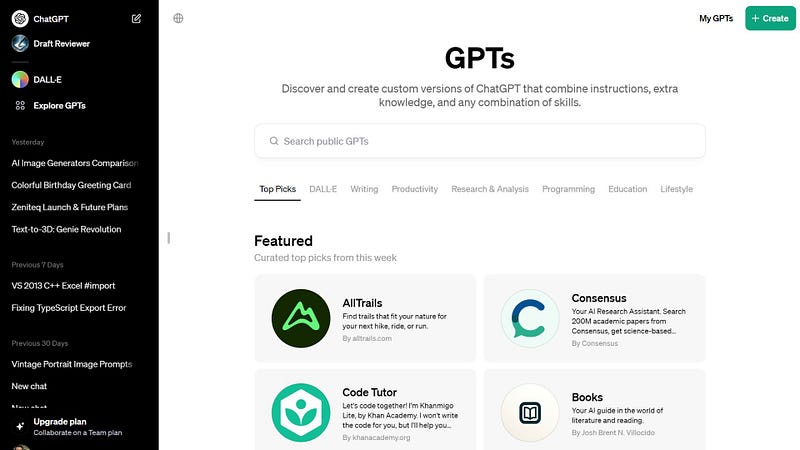
GPT Store

It’s only been two months since Sam Altman announced the GPT Store during OpenAI’s first ever Dev Day. Today, there are over 3 million custom versions of ChatGPT that have been created and uploaded by the community.

The speed at which the community has embraced this platform is mind-blowing. In my opinion, this shows the tremendous pent-up demand for accessible AI development tools.

What is the GPT Store?

The GPT Store works similarly to an app store, where users can find and access various GPT models. Users can also create their own custom GPT models.

To do this, users need to create a GPT account and then submit their GPT model for review. Once a model has been approved, it will be published to the GPT Store and made available to other users.

“We believe if you give people the tools, they will do amazing things,” — Sam Altman , CEO of OpenAI.

How to create a GPT

Creating a custom GPT is only accessible to pro subscribers, which costs $20 per month.

Before starting, you need to enable your builder profile under the settings page and builder profile tab.
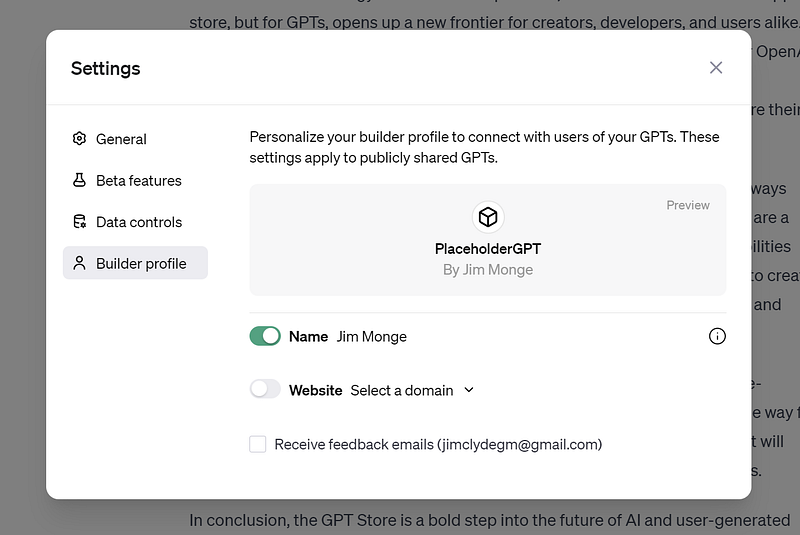
Image by Jim Clyde Monge

Next, head over to the dashboard and click the “Create” button.
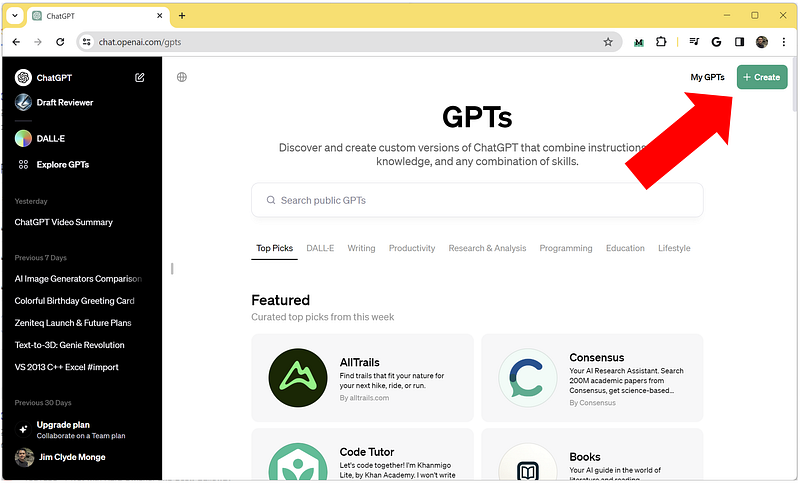
Image by Jim Clyde Monge

Configure your GPT model based on its intended purpose and behavior.
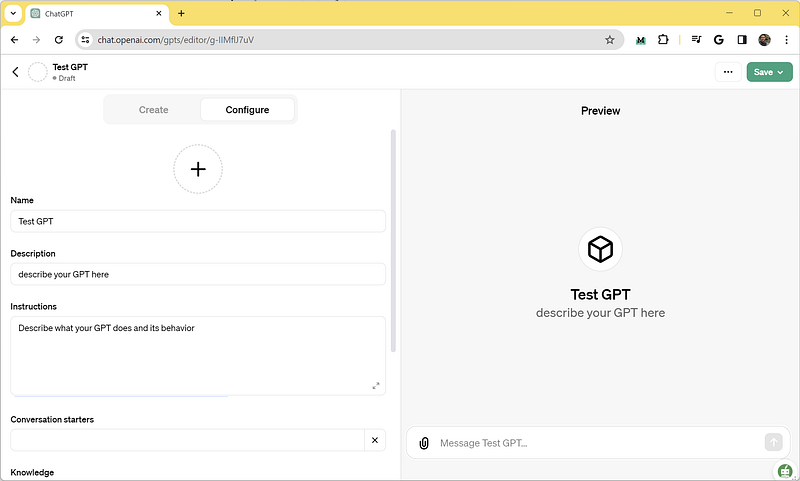
Image by Jim Clyde Monge

Once done editing, save your model and modify the visibility settings. To be visible in the marketplace, you need to set the publish settings to “Everyone”.
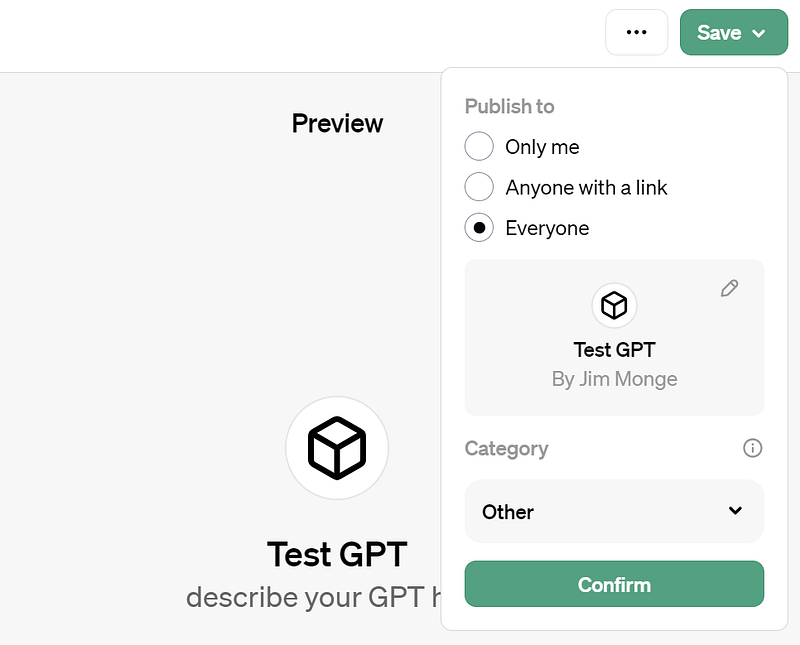
Image by Jim Clyde Monge

Review OpenAI’s latest usage policies and GPT brand guidelines to ensure that your GPTs are compliant. You can also report non-compliant models.

Make money with your GPTs

An exciting aspect of the GPT Store is the ability to monetize your models. According to OpenAI, you can earn money based on usage of your GPT.

Unfortunately, the revenue program is currently only available to US-based builders.

In Q1 we will launch a GPT builder revenue program. As a first step, US builders will be paid based on user engagement with their GPTs. We’ll provide details on the criteria for payments as we get closer.

I will update this article once the revenue capability gets rolled out to more countries.

5 GPTs worth checking out

  1. Books — Your AI guide in the world of literature and reading.
  2. Canva — Effortlessly design anything: presentations, logos, social media posts, and more.
  3. Code Tutor — This app is developed by Khan Academy. It won’t write the code for you, but I’ll help you work things out.
  4. Consensus — Your AI Research Assistant. Search 200 million academic papers from Consensus, get science-based answers, and draft content with accurate citations.
  5. AskYourPDF — Enhance your research with the AskYourPDF Research Assistant. Chat with multiple files, ChatPDF, generate articles with citations, analyse and generate references for papers, create and interact with a knowledge base of your files, and much more.

Final Thoughts

Overall, the GPT Store is a promising initiative that has the potential to democratize AI development and empower users to create fun and useful GPTs.

However, there is always room for improvement. The limited customization options currently available are a starting point, but integrating more advanced controls and fine-tuning capabilities would significantly enhance the user experience.

Have you created your own GPT app? Share it in the comments! I’d love to check it out.

This story is published on Generative AI. Connect with us on LinkedIn and follow Zeniteq to stay in the loop with the latest AI stories. Let’s shape the future of AI together!

Technology
Artificial Intelligence
OpenAI
Gpt Store
ChatGPT
Recommended from ReadMedium