
Scandinavian Minimalism is Not About Having Modern Stuff
There’s more to it
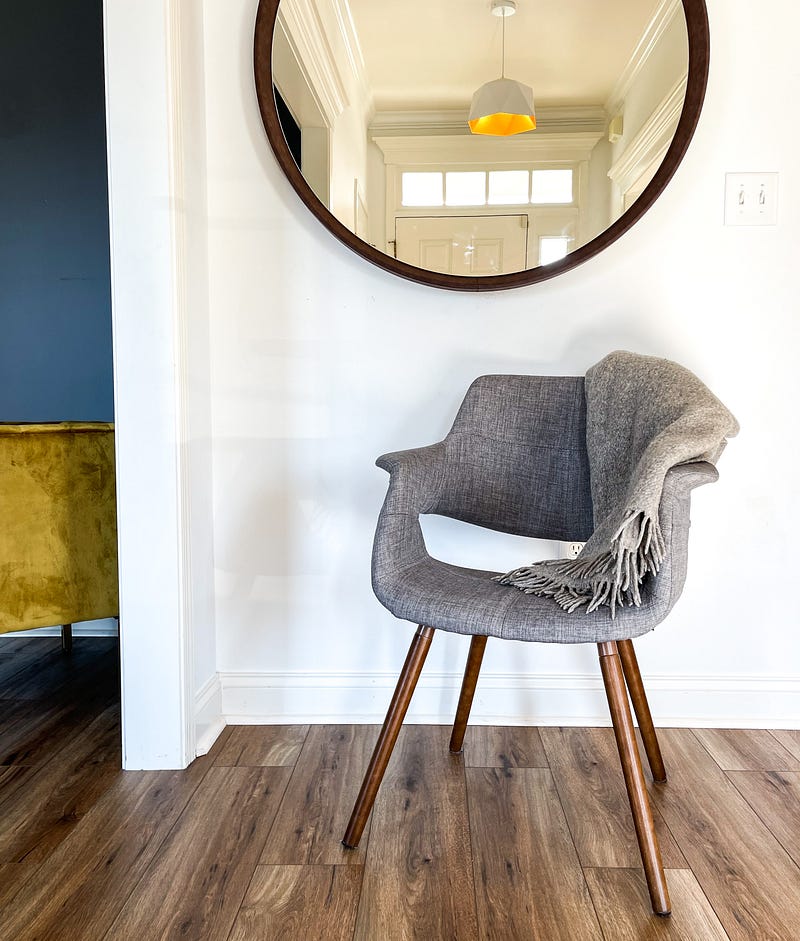
I often hear “Wow, I looove your style!” when people enter our home for the first time. Most Americans we’ve had inside our doors are impressed by our choice of style and our lack of clutter.
We have somewhat of a Scandinavian minimalism theme going on in our house. There is a certain style to Scandinavian minimalism. Clean lines, soft materials. Instead of hard, cold metal, there’s wood. The throws are wool-based. The art in our house is nature-themed and abstract. Most rooms have a few, practical items rather than being filled to the brim with stuff.
There’s beauty in simplicity.
To me, Scandinavian minimalism is so much more than a style. It’s a way of living. It’s something I grew up with, and it’s something I want to bring on to my kids. I want to teach them that they don’t need all the things to be happy and content.
Climate conscious
To me, it’s about being climate conscious. We people calling the earth home throw out a lot every single year. Clothes, furniture, plastic, whatever gets old or breaks.
By choosing, say, wool, you help the environment to some degree. If not a lot, at least a tiny bit. Wool is known as one of the most environmentally friendly fibers there is, and it can be composted, as well.
And more importantly for Scandinavias, it lasts. Wool is known for being a resilient material.
Instead of buying a new throw or a new pillow every year, adding stuff to your house and our earth, you treasure what you do have, what lasts.
My favorite alpaca throw is a decade old, and it still looks brand new.
Natural things + heritage
Wood, not surprisingly, plays a large part in Scandinavian minimalism. Again, not because Scandinavian brands make wooden furniture look super cool, modern, and trendy.
Wood is a material that has been important for the Scandinavian countries throughout history. It’s part of our heritage. In fact, at least 250 wooded houses predating the year 1350 are more or less preserved in Norway.
Heck, Norway wouldn’t really have houses if it wasn’t for wood. Nordic, wooden homes are a product of their environment, and the harsh climate. We’re so used to wood, that using plastic to decorate or use in any way when there are wooden products out there doesn’t really make sense.
I can’t tell you how shocked I was when I realized the facade of the typical American cookie-cutter homes (I live in one) were made of plastic and not wood! It was one of those fried-brain emoji moments for me.
Comfort trumps style
Modern stuff, especially furniture, tends to be uncomfortable to sit in. Can you imagine anything less appealing than to after a long day of work and duties sit down on a hard, cold, and uncomfortable couch just because it looks cool and trendy?
In Scandinavian minimalism, comfort trumps style.
The living room is often filled with living candles and a cozy couch with lots of pillows where you can just sink down, let go, and watch your favorite TV show.
The sense of warmth and comfort is one of the more important elements of this form of minimalism. You don’t need a lot, but what you do have better well bring that warm and wholesome feeling. That feeling where you just know you wouldn’t want to be anywhere else. There’s no fear of missing out (FOMO).
You’re happy and content in the living space you created to be home.
The lack of clutter
There is something to it. Clutter-free homes in Scandinavia are a real thing. We usually own less stuff. There are probably several factors to this, but I believe part of it is that homes in Scandinavia are much smaller.
Also, there aren’t nearly as many sales and clearance racks, Black Friday deals, in Scandinavia. You don’t have Target, Walmart, all those shops where you can purchase cheap stuff, often made of plastic, for your house. You have some large chain stores (Yes, IKEA), but not at all to the same degree you see in the United States.
Scandinavians also put great pride in decorating their homes. If they buy home goods, new pieces of furniture, lighting, whatever works in the house, they often choose something that’s made to last and made of high-quality materials. Not because they want to show off, but they spend a lot of time in their homes. Who doesn’t want to enjoy where they’re at?
Winters are ridiculously cold and long, it’s more tempting to stay in at times. Also, eating out is much more expensive in Scandinavia than in the U.S., and people more often than not gather in homes rather than restaurants and bars.
The Scandinavian minimalism comes from necessity, not looks. It’s about heritage, using what you have, loving your space, and being content where you are. No FOMO.


