avatarKenny Minker

Free AI web copilot to create summaries, insights and extended knowledge, download it at here

2298

Abstract

erdant valley of the Huancabamba river.</p><p id="6566">First, they settled Pozuzo in 1859. Then, in 1890, some of the colonists traveled 47 miles (77 km) south to form Oxapampa.</p><p id="4cb6">Today, Pozuzo is tiny, consisting of a small central plaza, a few historic buildings, some restaurants and lodges, and scattered housing along the hillsides. Oxapampa is larger and serves as the region’s center of tourism and commerce.</p><p id="52d4">Because the colonists built primarily with wood, few historic structures remain. However, German heritage is very much alive. This seems to be partly a ploy to attract tourists and partly a result of the population’s historic isolation. Until the 1980s, there was no highway connection to the coast. Although the colonists’ descendants gradually intermarried with indigenous and mestizo Peruvians, German family names, histories, and traditions were maintained.</p><p id="a82a">Tourist-facing German influences include business names like Hassinger and Muller, architectural details, bartenders in Oktoberfest-style dresses, and restaurant dishes like schnitzel and strudel.</p><figure id="8fdb"><img src="https://cdn-images-1.readmedium.com/v2/resize:fit:800/1*FnvGIpdp8Bw1bCP1waxyzA.jpeg"><figcaption>Author’s photo: statue of German colonists in Pozuzo, Peru</figcaption></figure><p id="4b95">Oxapampa has a lovely central plaza and a wood church that was built in 1939. Outside the town center, the aesthetic is more typical of small-town Peru: concrete walls, metal roofs, dirt roads, and an abundance of dogs.</p><figure id="165a"><img src="https://cdn-images-1.readmedium.com/v2/resize:fit:800/1*O8uPV5LIVlsixOTukjtUkw.jpeg"><figcaption>Author’s photo: the central plaza in Oxapampa, Peru</figcaption></figure><figure id="8731"><img src="https://cdn-images-1.readmedium.com/v2/resize:fit:800/1*TmCa_klIRnGDpkvVn7pabQ.jpeg"><figcaption>Author’s photo: Santa Rosa Church, Oxapampa, Peru</figcaption></figure><figure id="b401"><img src="https://cdn-images-1.readmedium.com/v2/resize:fit:800/1*jg62gcFP2KFbrvFQyzglsA.jpeg"><figcaption>Author’s photo: Oxapampa, Peru</figcaption></figure><p id="591d">Our visit included a 10-hour tour through Yanachaga-Chemillen National Park. We were 14 tourists, packed tight in a van. The ride was exhausting, ove

Options

r bumpy dirt roads that run alongside steep cliffs. The scenery was, of course, spectacular.</p><figure id="8ba4"><img src="https://cdn-images-1.readmedium.com/v2/resize:fit:800/1*hNFHCnTZptUxPqxy7eSwkQ.jpeg"><figcaption>Author’s photo from Oxapampa Province, Peru</figcaption></figure><p id="d5a5">The highlight of the day was a swim in this mountain stream. The water was turquoise, transparent, and calm. Despite the small crowd of swimmers, it was easy to feel peaceful in this beautiful place.</p><figure id="1e41"><img src="https://cdn-images-1.readmedium.com/v2/resize:fit:800/1*K-svJklDwKX1rv-W2Jg2iQ.jpeg"><figcaption>Author’s photo from Oxapampa Province, Peru</figcaption></figure><p id="de30">To reach the stream, we were asked to hop out of the van and proceed on foot. We had to walk over a long, wobbly, wooden bridge. I was shocked to look back and see that our driver was following us across, after shedding the weight of 14 tourists.</p><figure id="1c03"><img src="https://cdn-images-1.readmedium.com/v2/resize:fit:800/1*ZkbYm9PYoyrX2fSmGlkpAg.jpeg"><figcaption></figcaption></figure><figure id="58c5"><img src="https://cdn-images-1.readmedium.com/v2/resize:fit:800/1*CnsmdNXTLq-ruOKsx-8zfg.jpeg"><figcaption></figcaption></figure><p id="737c">We loved our visit to Oxapampa. I wouldn’t necessarily recommend this region over Peru’s more popular destinations, because getting in and out of the area is rough. After an initial 11-hour bus ride from Lima, our ride home was delayed by a landslide and turned into a 14-hour journey. However, for those who prefer to stray from the beaten path, Oxapampa is truly a hidden gem.</p><p id="74cb"><i>Read more about my time in Peru:</i></p><div id="daf8" class="link-block"> <a href="https://readmedium.com/visiting-an-orchid-market-in-lima-18e0aa9ce445"> <div> <div> <h2>Visiting an Orchid Market in Lima</h2> <div><h3>Thousands of spectacular flowers</h3></div> <div><p>medium.com</p></div> </div> <div> <div style="background-image: url(https://miro.readmedium.com/v2/resize:fit:320/1*XfsfO6ev6QxX7ZtT642mig.jpeg)"></div> </div> </div> </a> </div></article></body>

Oxapampa: German Heritage in the Peruvian Jungle

Visiting a remote, unique region of Peru
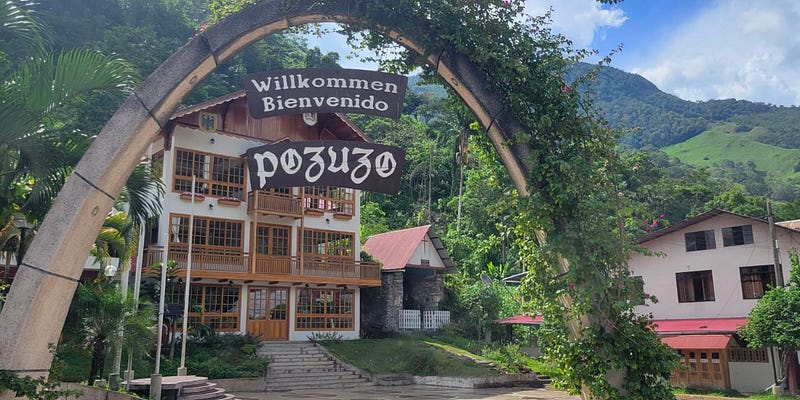
Author’s photo from Pozuzo, Peru

Peru’s travel industry is centered on the coast and Cusco. The coast includes the capital city of Lima, beach resorts like Mancora, and other major cities like Arequipa and Trujillo. Cusco is a beautiful city that provides access to Machu Picchu, the country’s top tourist attraction.

While Cusco and the coast offer the most well-known and accessible travel experiences, Peru is a large country (nearly twice the size of Texas) with an incredible variety of landscapes.

In our most recent adventure, my partner and I took a bumpy 11-hour bus ride to explore the Oxampampa Province, a jungle region that connects the eastern slopes of the Andes mountains with the western fringe of the Amazon rainforest basin.

We stayed in the town of Oxapampa, the capital of the Oxapampa Province and home to around 14,000 residents.
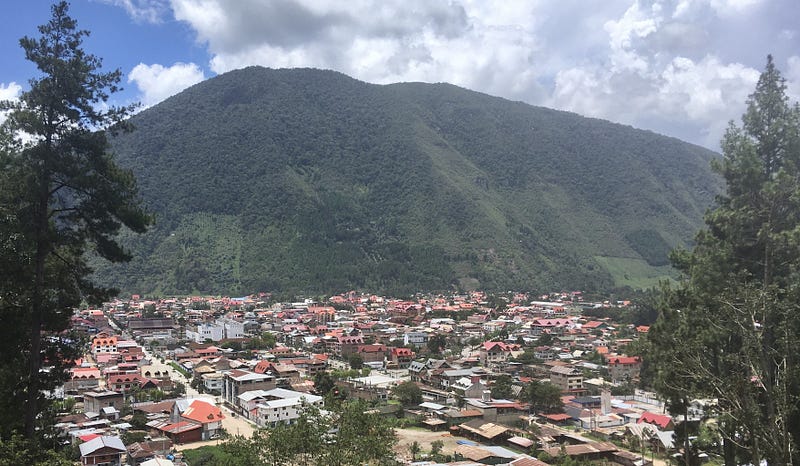
Author’s photo from Oxapampa, Peru

The region is known for natural beauty, biodiversity, and a unique history. Oxapampa and the nearby town of Pozuzo were founded by German and Austrian colonists who arrived in 1859.
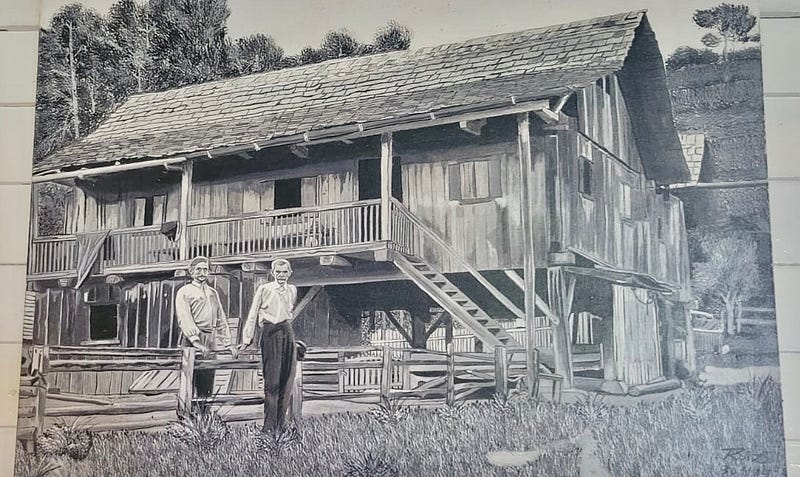
Author’s photo — depiction of German/Austrian colonists in Pozuzo, Peru, displayed in Restaurante Tipico Prusia in Pozuzo.

The history of the colonists is fascinating, and I hope to explore the topic fully in a separate article.

Here are the basic facts:

A group of around 300 Germans and Austrians sailed from Belgium, across the Atlantic Ocean, around the tip of South America, and up the continent’s west coast to Peru. Then they trekked through desert, mountains, and jungle for two years before stopping in the verdant valley of the Huancabamba river.

First, they settled Pozuzo in 1859. Then, in 1890, some of the colonists traveled 47 miles (77 km) south to form Oxapampa.

Today, Pozuzo is tiny, consisting of a small central plaza, a few historic buildings, some restaurants and lodges, and scattered housing along the hillsides. Oxapampa is larger and serves as the region’s center of tourism and commerce.

Because the colonists built primarily with wood, few historic structures remain. However, German heritage is very much alive. This seems to be partly a ploy to attract tourists and partly a result of the population’s historic isolation. Until the 1980s, there was no highway connection to the coast. Although the colonists’ descendants gradually intermarried with indigenous and mestizo Peruvians, German family names, histories, and traditions were maintained.

Tourist-facing German influences include business names like Hassinger and Muller, architectural details, bartenders in Oktoberfest-style dresses, and restaurant dishes like schnitzel and strudel.
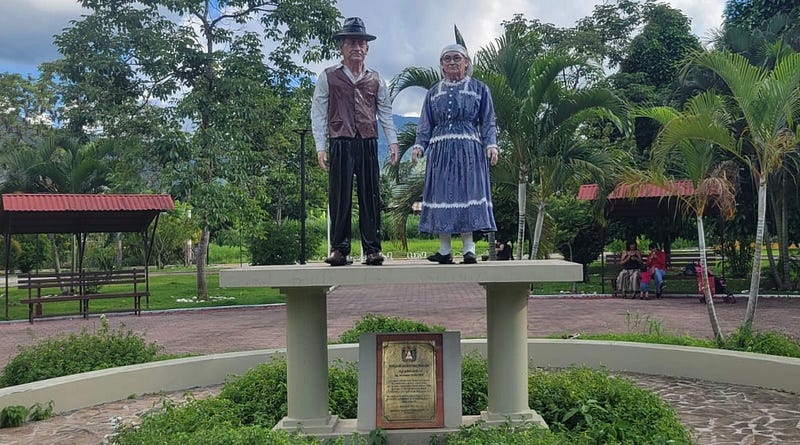
Author’s photo: statue of German colonists in Pozuzo, Peru

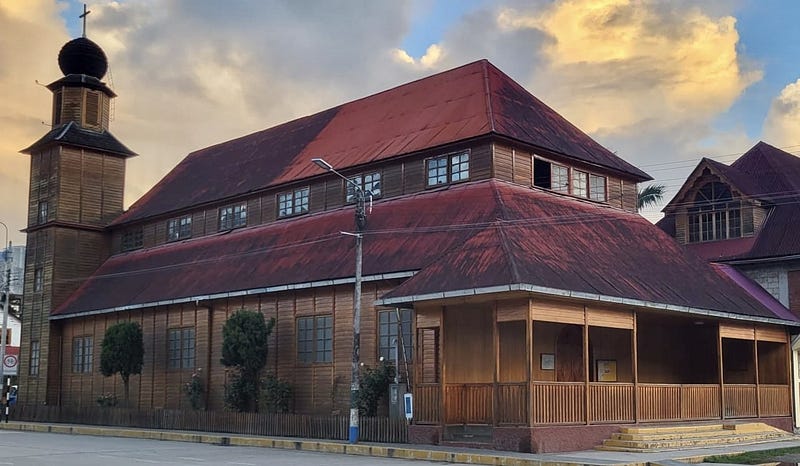
Oxapampa has a lovely central plaza and a wood church that was built in 1939. Outside the town center, the aesthetic is more typical of small-town Peru: concrete walls, metal roofs, dirt roads, and an abundance of dogs.
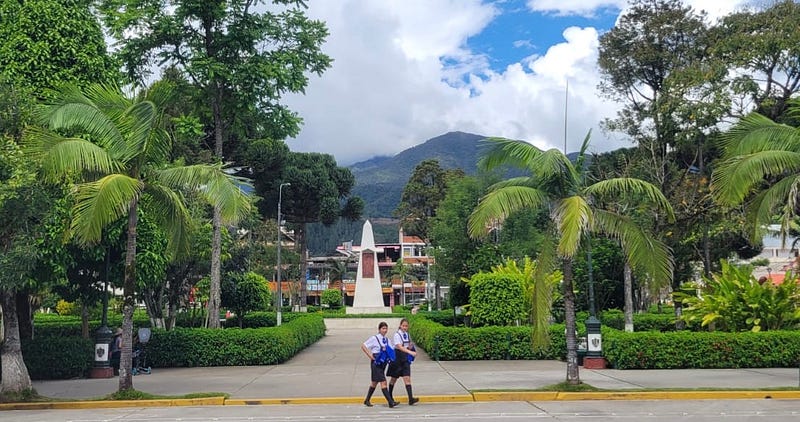
Author’s photo: the central plaza in Oxapampa, Peru
Author’s photo: Santa Rosa Church, Oxapampa, Peru
Author’s photo: Oxapampa, Peru

Our visit included a 10-hour tour through Yanachaga-Chemillen National Park. We were 14 tourists, packed tight in a van. The ride was exhausting, over bumpy dirt roads that run alongside steep cliffs. The scenery was, of course, spectacular.
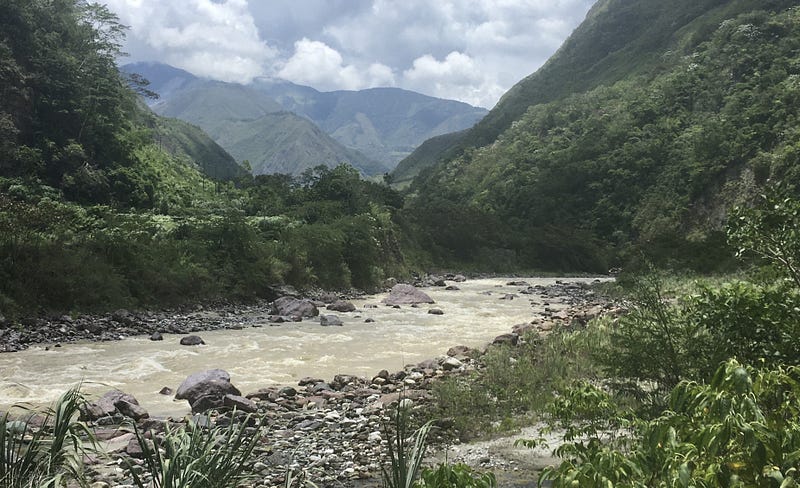
Author’s photo from Oxapampa Province, Peru

The highlight of the day was a swim in this mountain stream. The water was turquoise, transparent, and calm. Despite the small crowd of swimmers, it was easy to feel peaceful in this beautiful place.
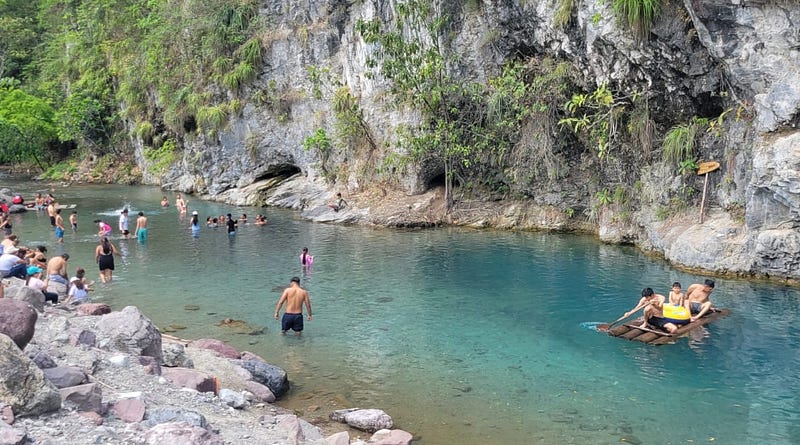
Author’s photo from Oxapampa Province, Peru

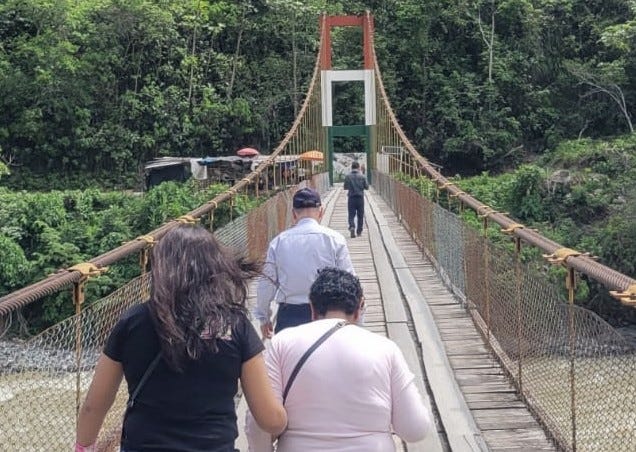
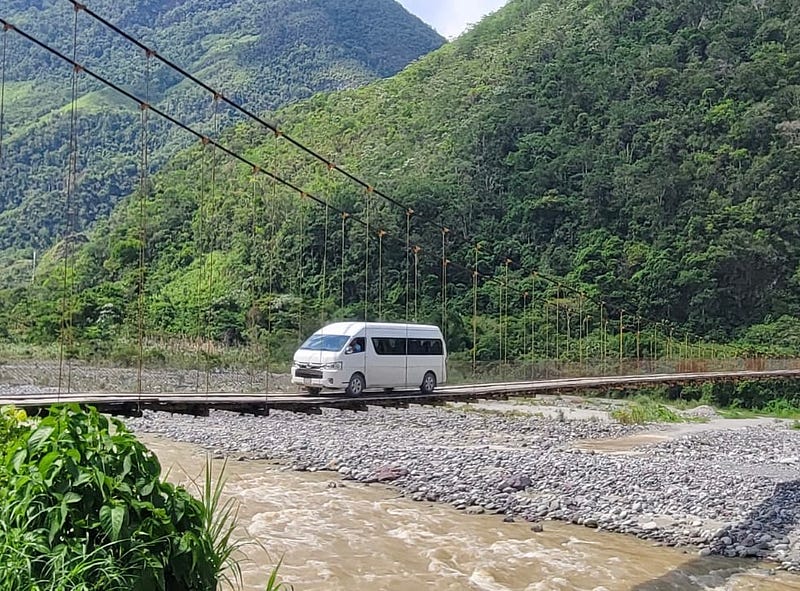
To reach the stream, we were asked to hop out of the van and proceed on foot. We had to walk over a long, wobbly, wooden bridge. I was shocked to look back and see that our driver was following us across, after shedding the weight of 14 tourists.
We loved our visit to Oxapampa. I wouldn’t necessarily recommend this region over Peru’s more popular destinations, because getting in and out of the area is rough. After an initial 11-hour bus ride from Lima, our ride home was delayed by a landslide and turned into a 14-hour journey. However, for those who prefer to stray from the beaten path, Oxapampa is truly a hidden gem.

Read more about my time in Peru:

Peru
Travel
Digital Nomad Lifestyle
Germany
Culture
Recommended from ReadMedium