
A Wound So Deep
A poem
The pain that started long ago Still hasn’t gone completely silent There is no way that we could know If everyone was violent
The words more painful than the actions All the anger manifesting the reminders That carry on through the simplest interactions Which are not meant for outsiders
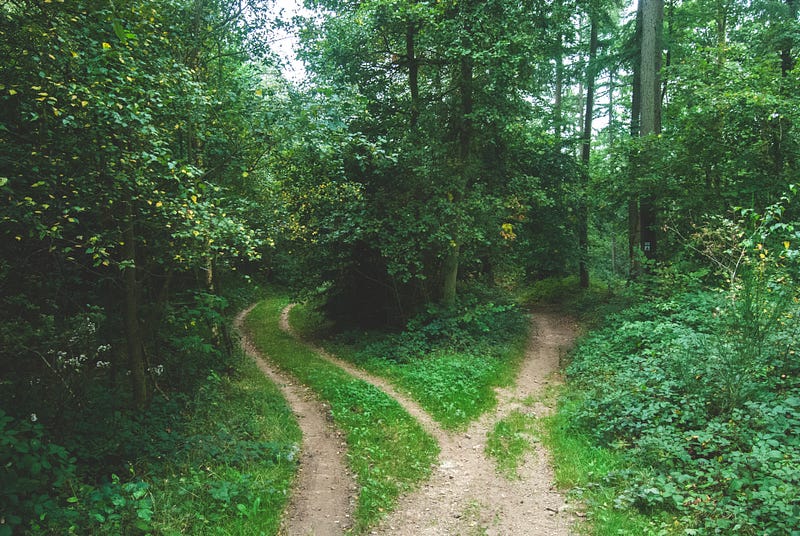
The choice of the right path is clear I wonder how others could have missed it Maybe they were standing too near To the source of the wound that runs so deep
One of the first poems that I published here was “The Beast”, a poem about dementia and my grandmother. It was inspired by the way dementia has changed my grandmother, and my mother’s perception of her.
For more than 10 days now, my grandmother is being hospitalized and things are not looking good. It’s not surprising, considering her age and other health issues, but it’s still hard for me to know that she’s going through so much and they’re not letting her go be at peace.
What inspired the poem above is the way my grandmother treats my mother and her sister (my aunt).
I have shared through poems and stories how abusive my mother was to my siblings and me. She learned to be this way from my grandmother. What’s interesting is that our grandmother was really nice to all of her grandchildren. There were some snarky comments here and there (for example, about my sister’s sense of fashion when she was a teenager) but nothing major. Similarly, my mother is behaving like an angel towards my nephew.
Now that grandma’s “social filter” is completely gone, she treats my mother and my aunt like she used to when they were children. She’s not physically violent (most likely because she can barely move), but she’s not holding back on her words.
My mother and aunt are struggling with that, and I also have a difficult time hearing it (when I call to see how she’s doing, or when my mother tells me what she was saying) because she uses the exact same -very hurtful- phrases our mother used toward us. It’s obvious now where she learned them from.
This got me wondering about how trauma and abuse are being perpetuated in a family, until someone decides to take a different path.
Things have definitely toned down for the generation I belong in (with my sister and cousins). Knowing from scattered narratives about how much abuse my mother and aunt went through, and how abusive my great-grandparents were to my grandmother, I should consider myself lucky.
The same thing goes for the way my father was raised, and the way his grandfather treated his father (my grandfather). However, the information I have about my paternal side of the family is very little because my father doesn’t talk about it at all. I have written about it in a poem, accompanied by music. Sometimes I feel that’s all I know about that side of the family.
A thought that popped up while writing this, is how difficult it must be to be your abuser’s caretaker. In my mother’s and aunt’s case, they feel that it’s their obligation to take care of her no matter how she treated them. I don’t know if there will ever be a right time to ask this question, so I’ll keep it to myself. That’s a different topic altogether though, so I’ll stop here for now.
To get back to the main point, this is why I think that being “too close to the source” is critical. Another example I can think of, is my brother. He was the first child in the family and he went through a lot. My sister also went through a lot but not as much as him. And I got the least amount of physical abuse (mostly it was verbal/psychological).
My brother was too close to the source of the pain, which must have played an active role in the addiction he developed (in case I haven’t mentioned it already, addiction runs in both sides of the family). Plus, he had no one to protect him like he protected my sister, and like both of them protected me.
With that being said, I hope that those of us that are still alive will continue to distance ourselves from the source of pain and make better choices each day.
Thank you for reading.