avatarStephen Key

Free AI web copilot to create summaries, insights and extended knowledge, download it at here

3044

Abstract

admedium.com/v2/resize:fit:800/1*Y-7O_f7vEzOrzgmBoCRFNA.jpeg"><figcaption>Photo by <a href="https://www.pexels.com/@cdc-library?utm_content=attributionCopyText&amp;utm_medium=referral&amp;utm_source=pexels">CDC</a> from <a href="https://www.pexels.com/photo/baby-lying-down-on-hospital-bed-getting-a-check-up-3993239/?utm_content=attributionCopyText&amp;utm_medium=referral&amp;utm_source=pexels">Pexels</a></figcaption></figure><h2 id="e53b">Health Crisis</h2><p id="f8dd"><a href="https://water.org/"><b>According to </b>Water.Org, The water crisis is a health crisis. Nearly 1 million people die each year from water, sanitation, and hygiene-related diseases, which could be reduced with access to safe water or sanitation. Every 2 minutes a child dies from a water-related disease.</a></p><p id="b5e0">Hospital beds around the World have adult and children patients suffering from diseases such as dysentery, typhoid, and hepatitis A, to name a few waterborne diseases.</p><p id="d2d8">Many of us live in world areas that have never faced water issues; we take it for granted that clean water will flow from our faucets. We expect bottled water and lemonade to be available on a hot summer day. Do we give thought to those who do not have the same luxury by consequence of their birth country?</p><p id="bd42">It is clear from the experts that many countries and entire populations have primarily neglected this crisis for far too long. As they say, “out of sight, out of mind,” I suppose.</p><figure id="7fd2"><img src="https://cdn-images-1.readmedium.com/v2/resize:fit:800/1*afIibEwTSXtevus4tXuYCQ.jpeg"><figcaption>Photo by <a href="https://www.pexels.com/@gabby-k?utm_content=attributionCopyText&amp;utm_medium=referral&amp;utm_source=pexels">Gabby K</a> from <a href="https://www.pexels.com/photo/paper-cutout-of-toxin-word-5841759/?utm_content=attributionCopyText&amp;utm_medium=referral&amp;utm_source=pexels">Pexels</a></figcaption></figure><h2 id="4068">Other Issues causing concern for our water supply</h2><p id="a3b5">Some developing countries have water but lack the infrastructure to get the water to them. Therefore water has to be carried, sometimes for miles twice a day for drinking, cooking, bathing, and many other household needs. Primarily it is the women who are burdened with this task.</p><p id="f478">In India, years ago, most of their drinking water came from surface water. However, the government shifted to wells in the 1940s, and that introduced arsenic contamination.</p><p id="68e0">Arsenic contaminated water can cause many diseases such as, but not limited to, kidney and lung disease, cancer, and the onset of diabetes.</p><p id="9b5f">There are several ways of reducing arsenic in the water, but the methods are not practical for the impoverished in many instances. One approach uses distillation systems to produce small quantities (about 1–4 gallons/day) of water that is essentially free of salts and metals (including arsenic). Another way to reduce arsenic is to dig wells until testing confirms acc

Options

eptable amounts of arsenic.</p><h2 id="54c1">More experts confirm the crisis</h2><p id="572b"><a href="https://www.ohchr.org/EN/NewsEvents/Pages/DisplayNews.aspx?NewsID=26835&amp;LangID=E">“The world faces a water crisis and it is getting worse,” David Boyd, the UN Special Rapporteur on human rights and the environment, said in a report presented to the Human Rights Council. “Human use of water, water pollution and the degradation of aquatic ecosystems continue to accelerate because of population growth, economic growth, the climate emergency, land-use change, extractivism, inefficient use of water, and weak planning, regulation and enforcement.</a></p><p id="eb14">Are there any solutions? Thankfully there are.</p><p id="7cb5"><b>Desalination</b></p><p id="cc51">Because most of the water on earth is salt water, the process of desalination produces drinkable water. Changing seawater to freshwater is not new and has been used for years, but now modern plants can make millions of gallons. There are high costs involved, but the results far outweigh the costs. Thus, technology has ensured there will be freshwater for as long as there is saltwater.</p><p id="ba48">Modern technology also has designed a method to collect water from the air. This process is already used for water collecting in hot, dry climates.</p><p id="c5d3">However, a portable solar-powered harvester prototype was reported in the journal “<i>Science,”</i> which was constructed at the Massachusetts Institute of Technology and invented by Omar Yaghi.</p><p id="efb8">“One vision for the future is to have water off-grid, where you have a device at home running on ambient solar for delivering water that satisfies the needs of a household,” said Yaghi, who is the founding director of the Berkeley Global Science Institute, a co-director of the Kavli Energy NanoSciences Institute and the California Research Alliance by BASF. “To me, that will be made possible because of this experiment. I call it personalized water.”</p><p id="7c0d">As it is now, this device can collect 3 quarts of water even in low humid areas. This invention is an exciting breakthrough for pure fresh water for everyone.</p><p id="428b">In conclusion, there is much hope for technology to take us from a World facing drought, polluted water, and unsanitary disease-ridden water. But we should not depend on technology to save the dire consequences of neglecting our freshwater supply.</p><figure id="22cf"><img src="https://cdn-images-1.readmedium.com/v2/resize:fit:800/0*uatY0HdDE36D43fA"><figcaption>Photo by <a href="https://unsplash.com/@jerry_318?utm_source=medium&amp;utm_medium=referral">Jerry Wang</a> on <a href="https://unsplash.com?utm_source=medium&amp;utm_medium=referral">Unsplash</a></figcaption></figure><p id="513f">We should be mindful and work together country to country to tackle this crisis. We have to do what we can to protect our most valuable resource and pause for thought for our children's future and this beautiful, incredible planet.</p></article></body>

A World Water Crisis Exists, but Technology May Come To the Rescue

We need to take action now to do our part in saving our water
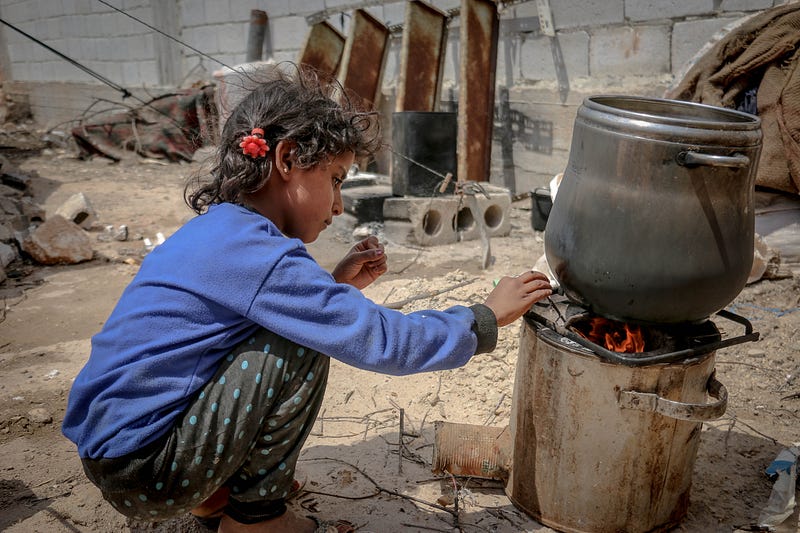
Photo by Ahmed akacha from Pexels

The worldwide water supply is getting scarce. If you live in an area affected by the increasingly limited supply of fresh water, you have every right to be concerned.

According to an article recently released by Unicef, decades of misuse, poor management, over-extraction of groundwater and contamination of freshwater supplies have exacerbated water stress. At the same time, demand for water is rising due to rapid population growth, urbanization and increasing water needs from a range of sectors. Climate change and extreme weather events are compounding water stress. The resulting impact on children’s health, development, and safety threatens the significant progress made in child survival and sustainable development over the past several decades. It is putting children’s lives at risk today and threatens future generations.

The world population is 7.9 billion as of March 2021. Sadly, UNICEF estimated that somewhere around 1.4 billion people are currently at risk of encountering a reduction in freshwater availability. The estimation for people lacking safely managed freshwater is even worse — people who comprise that group are 2.2 billion.

It is frightening to think of our children’s dilemma in their future as they face the increasing need for clean freshwater. Rivers, lakes, and even the smallest of streams are becoming unsafe due to pollution. Now we have the opportunity to make beneficial changes to clean our water supplies, but we do little.

Frequently, we overlook the different demands humans require for freshwater. If this problem is not at our doorstep affecting us, often we fail to implement immediate, meaningful action.

Safe drinking water is likely the top thought most have when thinking of water. Still, we also need to consider basic hygiene, sanitation, and agriculture requirements equally as much.

Regarding drinking water, if you have watched any of the survival shows on television, you have undoubtedly witnessed the challenges the contestants face obtaining safe drinkable water. Often the participants have to abandon the show due to the difficulties of securing clean freshwater.
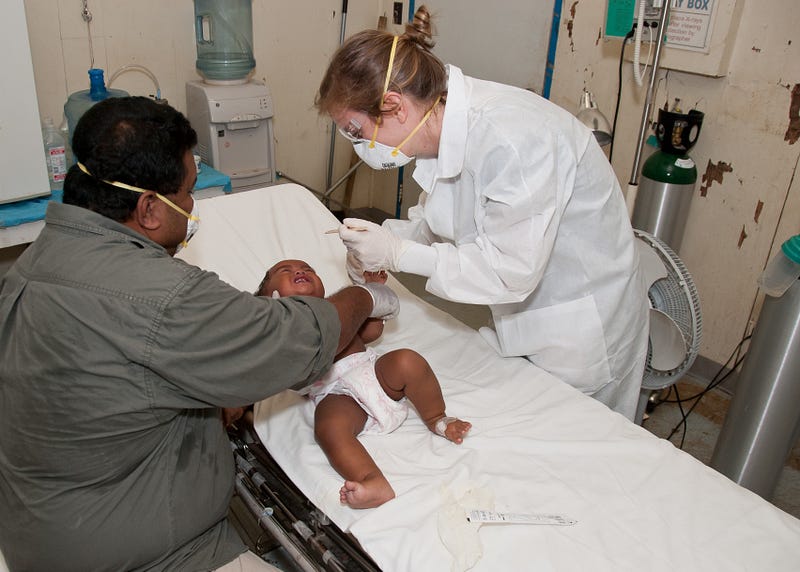
Photo by CDC from Pexels

Health Crisis

According to Water.Org, The water crisis is a health crisis. Nearly 1 million people die each year from water, sanitation, and hygiene-related diseases, which could be reduced with access to safe water or sanitation. Every 2 minutes a child dies from a water-related disease.

Hospital beds around the World have adult and children patients suffering from diseases such as dysentery, typhoid, and hepatitis A, to name a few waterborne diseases.

Many of us live in world areas that have never faced water issues; we take it for granted that clean water will flow from our faucets. We expect bottled water and lemonade to be available on a hot summer day. Do we give thought to those who do not have the same luxury by consequence of their birth country?

It is clear from the experts that many countries and entire populations have primarily neglected this crisis for far too long. As they say, “out of sight, out of mind,” I suppose.

Photo by Gabby K from Pexels

Other Issues causing concern for our water supply

Some developing countries have water but lack the infrastructure to get the water to them. Therefore water has to be carried, sometimes for miles twice a day for drinking, cooking, bathing, and many other household needs. Primarily it is the women who are burdened with this task.

In India, years ago, most of their drinking water came from surface water. However, the government shifted to wells in the 1940s, and that introduced arsenic contamination.

Arsenic contaminated water can cause many diseases such as, but not limited to, kidney and lung disease, cancer, and the onset of diabetes.

There are several ways of reducing arsenic in the water, but the methods are not practical for the impoverished in many instances. One approach uses distillation systems to produce small quantities (about 1–4 gallons/day) of water that is essentially free of salts and metals (including arsenic). Another way to reduce arsenic is to dig wells until testing confirms acceptable amounts of arsenic.

More experts confirm the crisis

“The world faces a water crisis and it is getting worse,” David Boyd, the UN Special Rapporteur on human rights and the environment, said in a report presented to the Human Rights Council. “Human use of water, water pollution and the degradation of aquatic ecosystems continue to accelerate because of population growth, economic growth, the climate emergency, land-use change, extractivism, inefficient use of water, and weak planning, regulation and enforcement.

Are there any solutions? Thankfully there are.

Desalination

Because most of the water on earth is salt water, the process of desalination produces drinkable water. Changing seawater to freshwater is not new and has been used for years, but now modern plants can make millions of gallons. There are high costs involved, but the results far outweigh the costs. Thus, technology has ensured there will be freshwater for as long as there is saltwater.

Modern technology also has designed a method to collect water from the air. This process is already used for water collecting in hot, dry climates.

However, a portable solar-powered harvester prototype was reported in the journal “Science,” which was constructed at the Massachusetts Institute of Technology and invented by Omar Yaghi.

“One vision for the future is to have water off-grid, where you have a device at home running on ambient solar for delivering water that satisfies the needs of a household,” said Yaghi, who is the founding director of the Berkeley Global Science Institute, a co-director of the Kavli Energy NanoSciences Institute and the California Research Alliance by BASF. “To me, that will be made possible because of this experiment. I call it personalized water.”

As it is now, this device can collect 3 quarts of water even in low humid areas. This invention is an exciting breakthrough for pure fresh water for everyone.

In conclusion, there is much hope for technology to take us from a World facing drought, polluted water, and unsanitary disease-ridden water. But we should not depend on technology to save the dire consequences of neglecting our freshwater supply.
Photo by Jerry Wang on Unsplash

We should be mindful and work together country to country to tackle this crisis. We have to do what we can to protect our most valuable resource and pause for thought for our children's future and this beautiful, incredible planet.

Climate Action
World
Water
Water Damage Restoration
Technology
Recommended from ReadMedium