
A Wildlife Tour of Texas, Utah & Arizona
An amazing place to see reptiles and other stunning wildlife
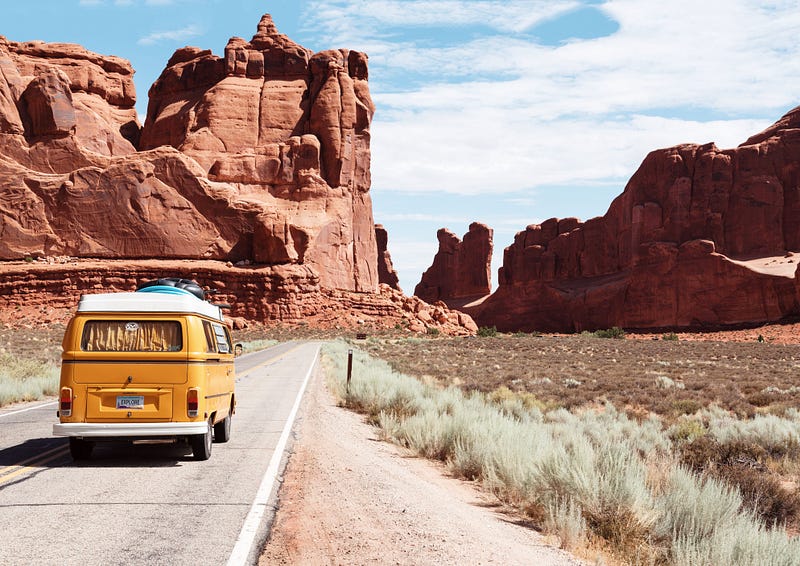
This is a travelogue of wildlife enthusiast, Jill Carey, who relayed her experiences of travelling across Arizona for an article that I had published in Practical Reptile Keeping a few years ago.
Her journey explored some of the most desolate and dramatic parts of America. Jill took us on a journey through fantastic landscapes, occupied by birds, reptiles, big cats, goats, and other creatures. It made me want to visit Arizona myself.
When Jill and her husband David arrived in Texas, their first impressions were there were oil rigs everywhere.
“Fortunately, there are lots of lovely nature reserves too!” she said.
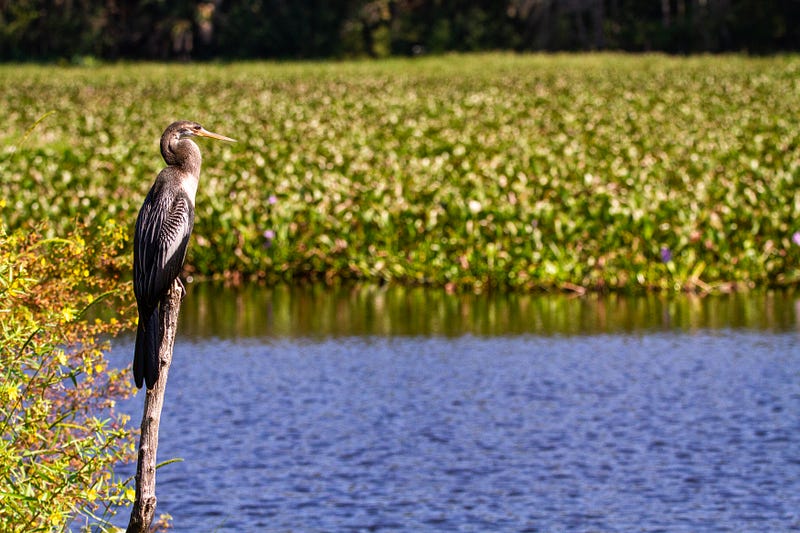
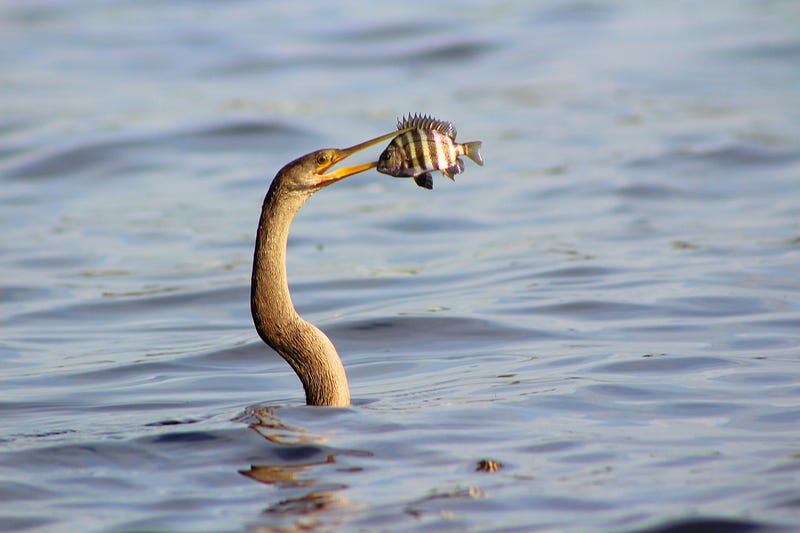
She flipped through photos of tree swallows, green herons, and an anhinger bird, also known as a snake bird because it looks like a snake in the water when it swims.
The alligator
The first reptile they saw was an alligator. “We saw trees full of snowy egrits and spoonbills, and below the trees lives this alligator!” she explained.
“They can be quite vicious… But the funny thing is, the alligator and the birds go together quite well. The alligator can’t reach the birds in the trees, so he poses no threat to them.
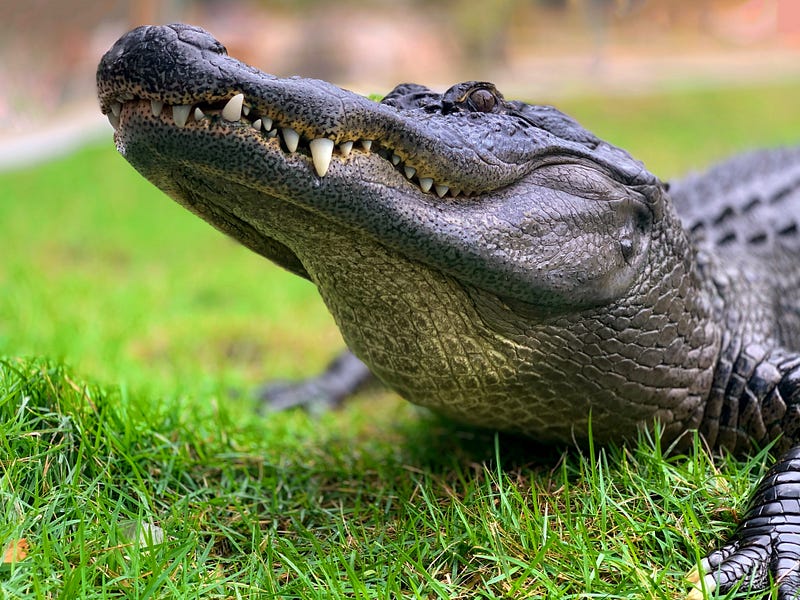
“But alligators do take mammals, so any coyotes or racoons, trying to reach the birds, get eaten by the alligator. It’s a surprisingly successful partnership! The alligator does, however, take any young chicks who fall out of the nests, so he does quite well overall.”
Fantastic images of a yellow throated warbler, flycatchers, and Swainson’s hawk followed.
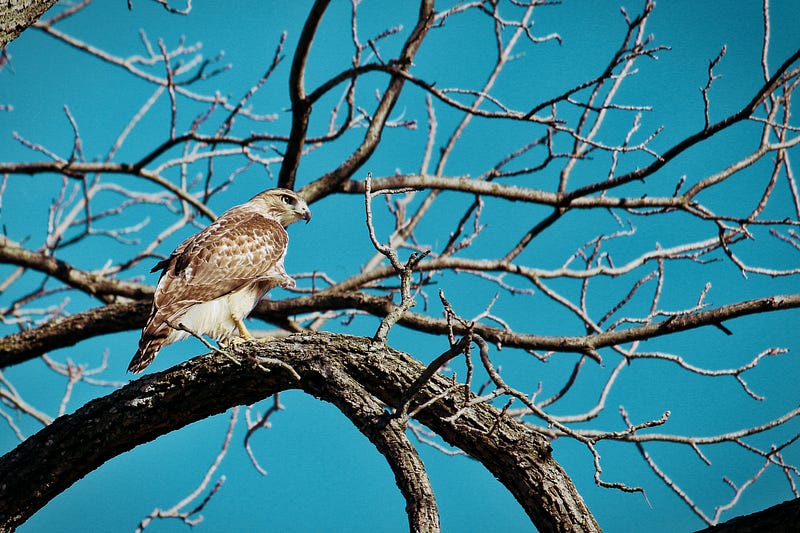
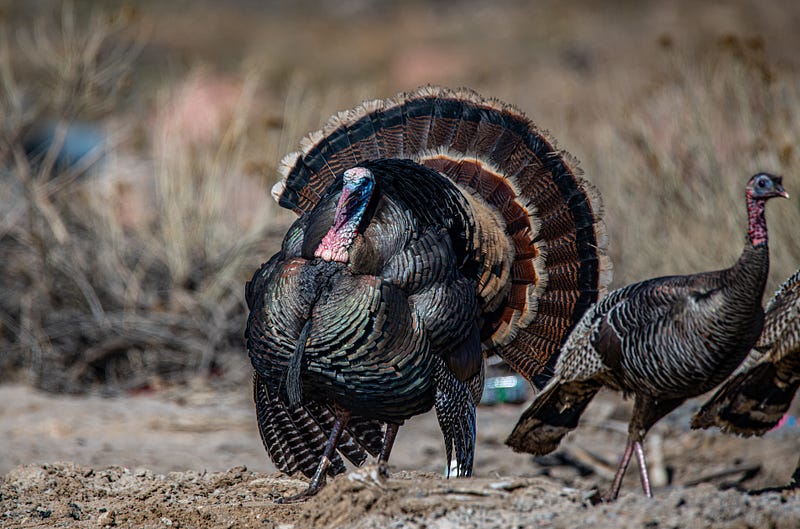
“This is a wild turkey,” Jill enthused, adding, “British turkeys originated from the USA. We didn’t used to have turkey for Christmas. We had goose, but goose became expensive and turkey was cheap, so now we have turkey. They’re still living wild in this part of the world.”
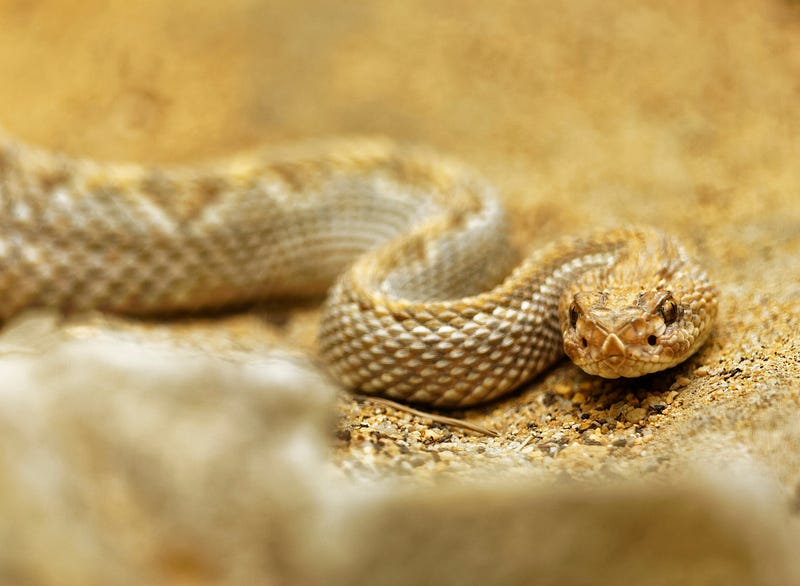
Rattlesnakes
As they approached Big Bend National Park, with it’s magnificent display of cacti, she showed us vultures, laughing gulls, some weird and wonderful squirrels, and of course, reptiles. Rattlesnakes are common in Arizona. One was having a bust up with a road runner.
“The road runners pair up to fight rattlesnakes,” Jill explained, “One distracts the snake by dancing around trying to get the rattlesnake to look at him. Meanwhile, the other bird clamps down on the head of the rattlesnake, and then bashes it against the ground, killing the snake. Roadrunners eat rattlesnakes,” She smiled jovially.
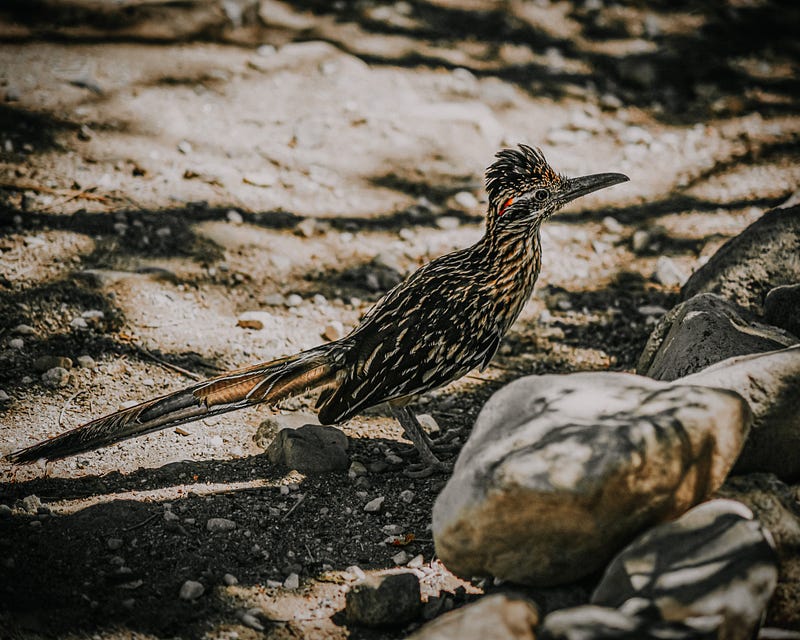
It’s actually quite remarkable, as one bite from the rattlesnake would kill a bird in minutes, but the road runner is so fast that the snake can’t keep up. There, among the plants in Big Bend National Park, was this scruffy looking road runner.
Thirteen species of rattlesnakes live in Arizona, which is more than are found in any other state. Three of them are protected: the twin-spotted rattlesnake (crotalus pricei), the rock rattlesnake (crotalus lepidus), and the ridge-nosed rattlesnake (crotalus willardi). Protection doesn’t stop them from being beaten up by the local roadrunners, but it does aim to protect them from poachers.
Jill’s next species was an acorn woodpecker. They put acorns into the sides of telegraph poles (and occasionally trees), leaving distinctive marks in the telegraph poles around where they live.
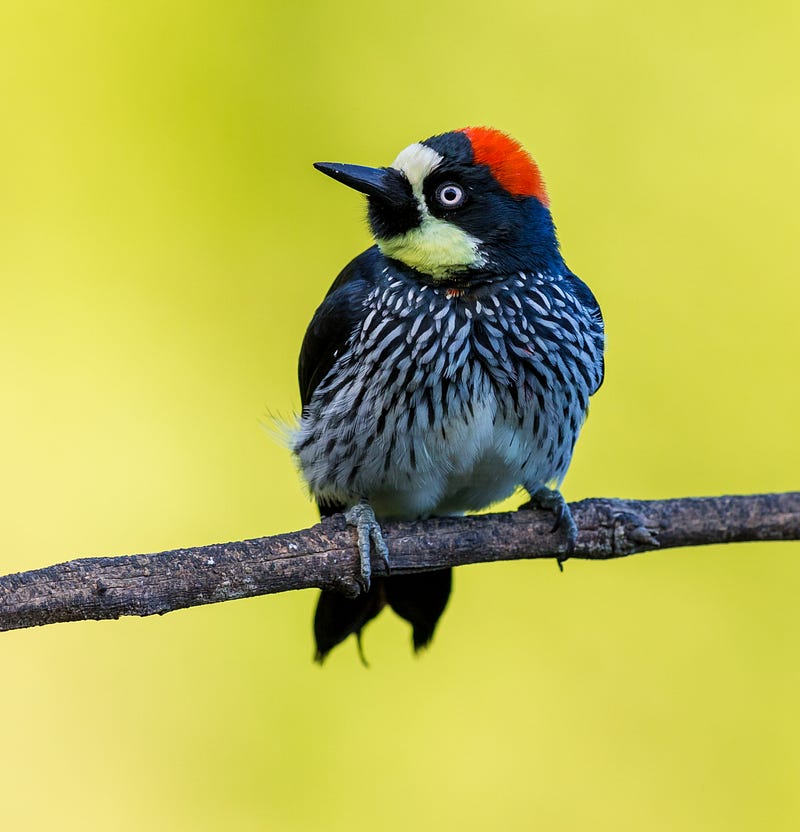
A pair of nesting horn owls was followed by the glorious yellow landscape of popweed in the spring.
Horned lizards
As Jill and Dave crossed into Arizona, a horned lizard appeared in their path. He stopped, dead still, totally convinced that the passing humans couldn’t see him camouflaged against the ground.
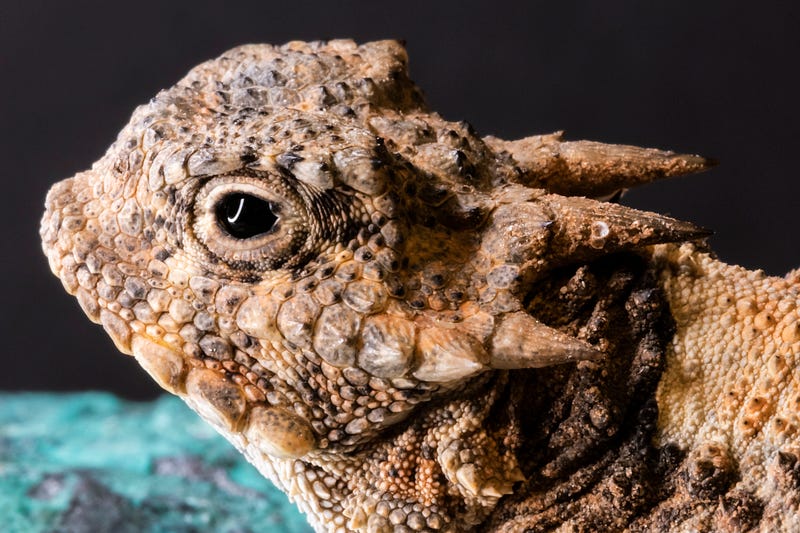
“He had all these spikes, to deter predators” said Jill. “I can’t imagine a raptor coming down to take him”. However, this little lizard is under threat. Their numbers are in decline, caused by habitat destruction, people’s efforts to eradicate ants — their main dietary staple — and from demand from the pet trade.
Despite their spiky features, they’re not as fearsome as they look, although some of their defence mechanisms are quite cool. These short-horned lizards are prey for many animals — hawks, dogs, wolves, roadrunners, lizards, snakes, and coyotes will all take them. Although they do have some clever tricks up their proverbial sleeves.
Apart from using camouflage as a defence mechanism, they have the remarkable ability to inflate their bodies to twice their normal size, so they look like a spiny balloon. Add to that, they can shoot a blood from their eyes, which travels up to a metre, and contains a chemical that is noxious to wolves, dogs and coyotes.
The canyons
“You can’t just drive out to Canyon De Chelly,” explained Jill, “So we went on a guided tour on special trucks. The fantastic landscape was breathtaking!”
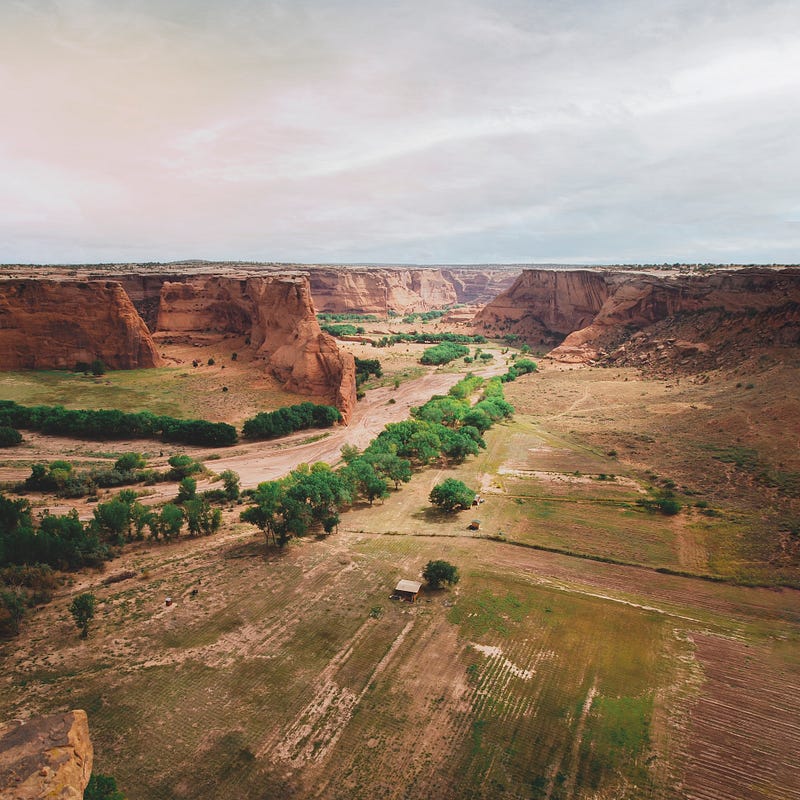
The natives of this Canyon, Navajo families, still live here, raising livestock and farming. Some of their old buildings and storehouses are still attached to the sides of the canyons. Canyon De Chelly is home to a range of reptiles, but due to their flighty nature, she didn’t see more than a glimpse of them. They’d slip into the undergrowth or disappear into a crevice in the blink of an eye.
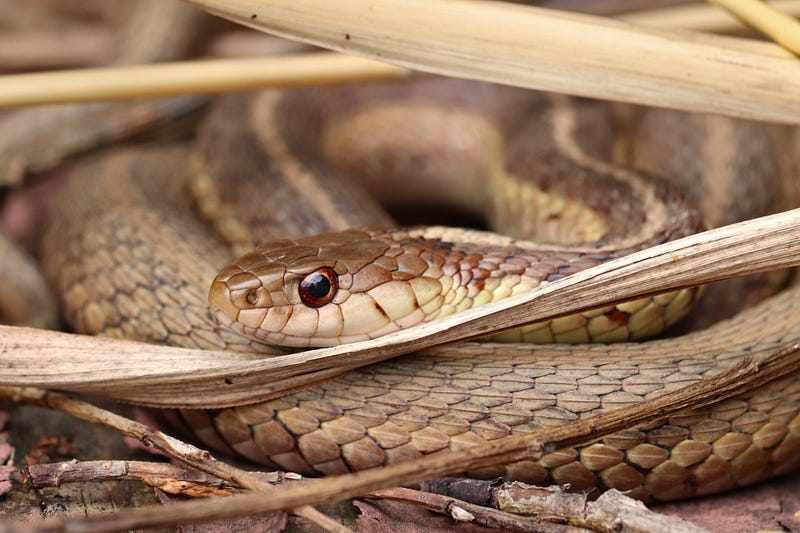
Apart from rattlesnakes, these deserts are home to dozens of other snakes and lizards. The snakes include shovel-nosed snakes, sandsnakes, whipsnakes, racers, hook-nosed snakes, kingsnakes, vinesnakes, gophersnakes, groundsnakes, long-nosed snakes, patch-nosed snakes, gartersnakes and nightsnakes.
The lizards include the madrean alligator lizard, western banded gecko, the gila monster, and a range of collared lizards, iguanas, earless lizards, horned lizards, skinks, whiptails, spiny lizards, and night lizards, to name just a few.
The south-west is an amazing place to visit, to see a diverse variety of snakes and other reptiles. Time, patience and tenacity is required to either seek them out, or wait for them to reveal themselves.
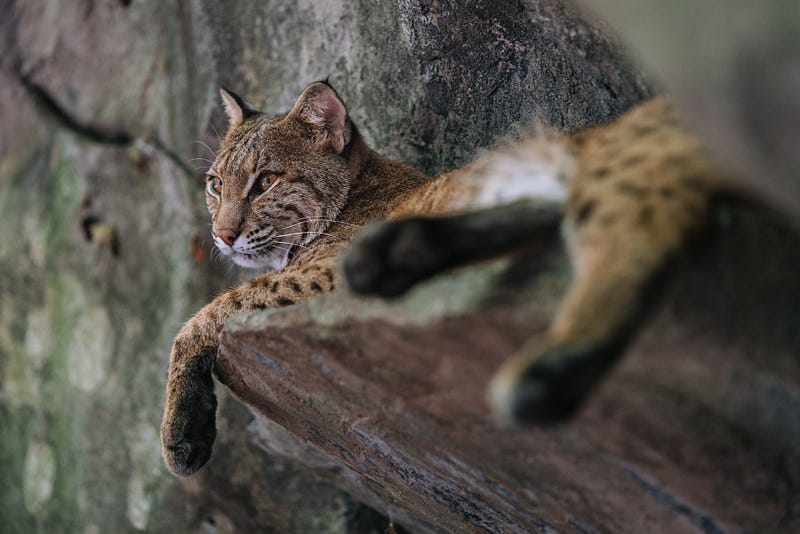
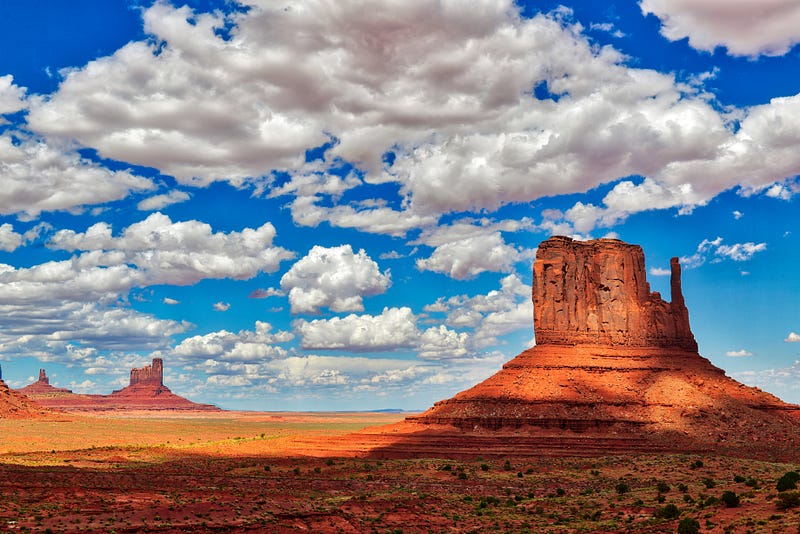
Jill and Dave saw bobcats and mountain lions before reaching the fantastic spectacle of Monument Valley, with its amazing rock formations. These are most famously known as: The Eye of the Sun, The Ear of the Wind, The Spectacles, and The Landscape Arch.
Bryce Canyon was another stunner, and then the travellers reached the highlight of their journey: the Grand Canyon with the Colorado River running through it. The Canyon, with its breathtaking formations, made them wish they had longer to explore. As they surveyed the Canyon, taking photos, a condor flew past — just what they’d hoped to see.
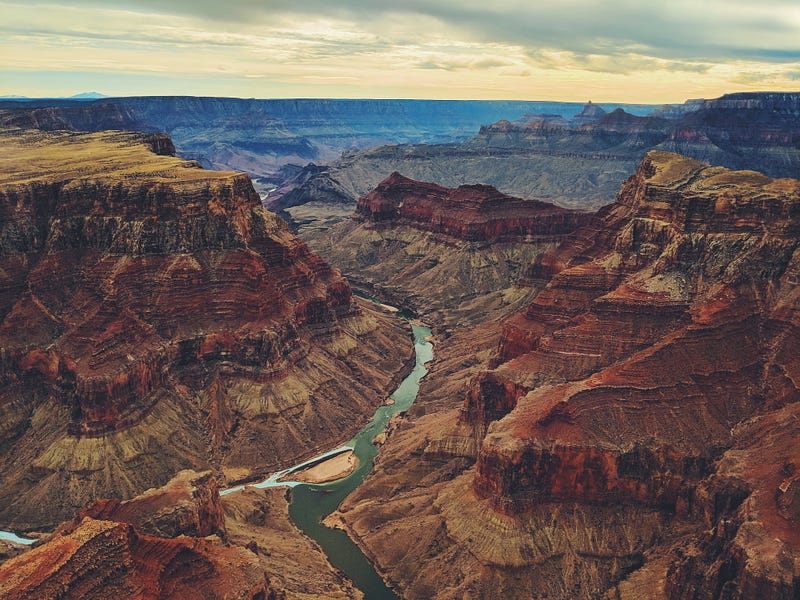
It was a perfect conclusion to an amazing trek through America’s South West! Jill’s only regret was that they ran out of time, so they didn’t go down into the Grand Canyon on foot.
Some of the reptiles you might see in Arizona
The chuckwalla lizard is very at home in a desert environment, where there are few resources and no water. They’re happy with a meagre lifestyle and do very well in Arizona. Sometimes you can get quite close to them. The males display bright colours when mating.
Desert iguanas are handsome lizards, who appear bold and proud. They can withstand temperatures of up to 110 degrees Fahrenheit (43 degrees celcius), whereas other lizards will seek shade, away from the intense heat.
The great basin collared lizard has pretty brown markings and a very long tail. They have healthy teeth, strong jaws, and mite pockets, visible as red spots beside their legs, where mites live, but they don’t upset the lizards. They also have long toes and claws.
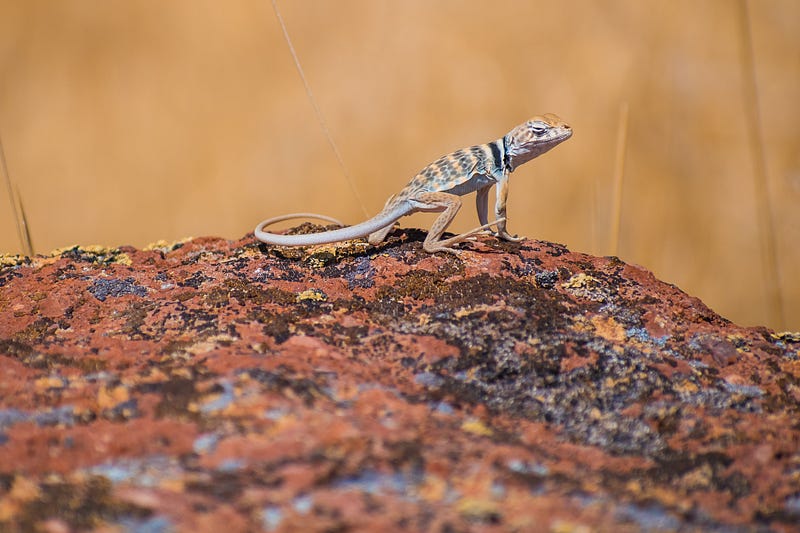
The desert spiny lizard has scales, sharp spiny points, and red eyes. They’re intelligent with very strong jaws.
The Leopard lizard has a very distinctive pattern, quite thick claws, moves very quickly, and can give you a nasty bite! The females of some lizards have colourful stripes around their bellies, and the female leopard lizard is no exception.
The side-blotched lizard is one that’s pretty common in the desert, and as their name suggests, they have a black blotch on their side.
The whiptail lizard runs really fast across desert roads. They have a long black whip tail and narrow pointy head.
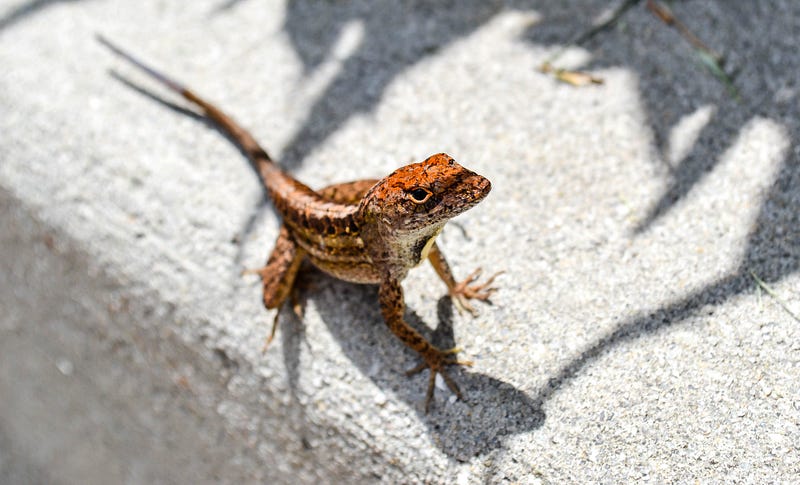
Zebra-tailed lizards change colour when they’re fighting. The muscles in the rear legs are more defined and the body turns yellowish. The rest of the time, their legs are less pronounced and they’re more brown in colour.
The western banded gecko only comes out at night in the desert. Their skin has a very delicate appearance, in shades of pale brown, and they’re soft to touch too, although they might not like it very much!
Shoutout to David Acaster who had his own trip to Arizona!
More from me…
- My Friend’s Rat Problem
- The Stunning Eastbourne Coast — Have You Visited Yet?
- Chickens on Duty in Convict Rehabilitation
- As Exotic Pets Increase in Popularity, Neglect is a Growing Problem
- Would you like to read unlimited articles on Medium? Use my referral link so sign up!


