
HEALTHY LIVING WITH A WFPB LIFESTYLE
A Whole Foods, Plant-Based Way of Life
Nutritionists and health community professionals point to a plant-based diet centered around wholesome ingredients to promote health and wellness.
“A plant-based (no oil is best) whole food way of eating is the best for reversing pre-diabetes, type 2 diabetes, and heart disease. And good overall health in general. For some reason, people think it’s difficult; it’s not.” Says my friend and mentor, Sydney Duke Richey.
I promised her I would write this in a comment on my article several months ago. Hey, I couldn’t just recommend something I never tried, now could I?
Some of us just want to do it. But for many others, it’s a necessity. For whatever reason, we can’t or don’t want to digest all that red meat, fat, and oil that our regular diet is filled with — it might be cancer, ulcers, or whatever other reason; we just can’t do it anymore.
Which Diet Is Best for Me?
There are probably as many diets or nutritional guides as there are reasons for eating right. I’ve already discussed Low-Carb/High Protein, Intermittent Fasting (IF), Ten-Hour Time-Restricted Eating (which is just another way of saying IF), but in this article, we will talk about a “whole-foods, plant-based diet.”
Nutritionists, wellness, and health community professionals point to a plant-based diet centered around fresh, wholesome ingredients to promote overall health and wellness.
To me, there’s nothing better than a morning spent in the garden, clawing away weeds and pulling greens. I thoroughly enjoy picking my breakfast and lunch from among the fresh vegetables and then take a walk to the market to get a few fresh fruits and veggies I don’t have in my garden for dinner.
Plus, here in the Philippines, if you don’t get out there in the garden and walk early, you will cook in the sun and humidity.
A plant-based lifestyle focuses on a minimum of processed foods, which helps your body thrive with naturally fewer calories. Avoiding fats, meats, and processed foods help your body get only the nutrients it needs, and it can quickly dispose of what is not needed rather than storing fats.
Too many unfamiliar with a “whole-foods, plant-based (WFPB) diet” think they will be bored with a smaller variety. However, it is up to you to search out varied opportunities to include fruits, nuts, grains, seeds, and the entire spectrum of vegetables available. But have no fear, I will help you with that.
The link above will take you to the ForksOverKnives.com article, The Beginner’s Guide to a Plant-Based Diet, which is where I started on my lifestyle change, though I did not use all their advice strictly.
So, What Can I Eat on a (WFPB) Diet?
What’s great about a WFPB diet is that you will not have to count calories or carbs unless you want. But seriously, who wants to spend time counting calories or carbs when there is so much more to do in life.
What you eat will depend significantly on how much meat and poultry you include in your diet. I am a huge fan of eggs and omelets. I refuse to do away with these or apologize for including those in my diet—the same with red wine.
I’m 64-years-old; if I want to have a veggie omelet and a glass of Merlot for breakfast, I damn sure will.
However, this is your lifestyle, your diet, do it your way. Carpe diem and YOLO, am I right?
What Are the Basics?
Now that we have established that you can do this your way let’s discuss the traditional WFPB diet. It’s like knowing the grammar rules, so you know if you are breaking them or not.
Sure, the editor or nutritionist might tell you, “Oh, you can’t do that.” OK, thank you very much for letting me know, now move on with the rest of your job.
I’m just going to stop using that word diet because you know what? It starts with D-I-E! That’s probably old hat or cliché by now, but when I first heard it, I was like, “Oh, snap!” Yeah, it was the ’80s; we said shit like that.
Without any more BS on my part, here are the basic principles of a WFPB lifestyle:
· As stated earlier, limit meat and poultry products or avoid them altogether.
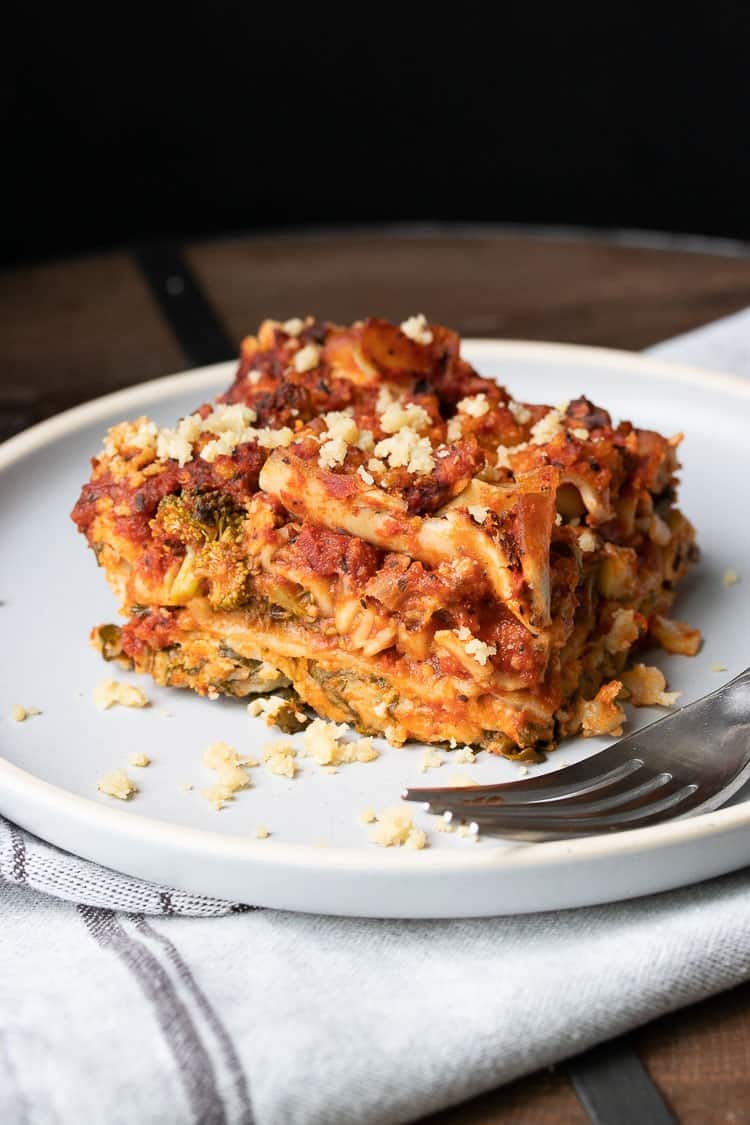
· Eat all the fruits, vegetables, nuts, legumes, whole grains, seeds, and even weeds you want. Believe it or not, dandelion greens are delicious. Try a Dandelion greens - Beyond Beef lasagna or Impossible stuffed peppers, your family will love those. (Psst, you don’t have to tell them it’s plant-based beef).
· Avoid or eliminate processed sugar, white flour, sodas (soft drinks, Cokes, pops, or whatever you call them), processed oils, and refined foods.
· Used locally grown or produced, fresh, organic foods whenever possible.
I like to think of the WFPB lifestyle as a two or three-step process.
1. Pick
2. Cook or don’t!
3. Eat
It’s that simple. I typically skip cooking lunch. I am a huge fan of salads with mounds of lettuces, greens, avocadoes, boiled eggs, feta cheese, chia seeds, and balsamic vinegar. I use Filippo Berrio de Modena.
You can change the entire taste of your salad by selecting different greens, seeds, and nuts.
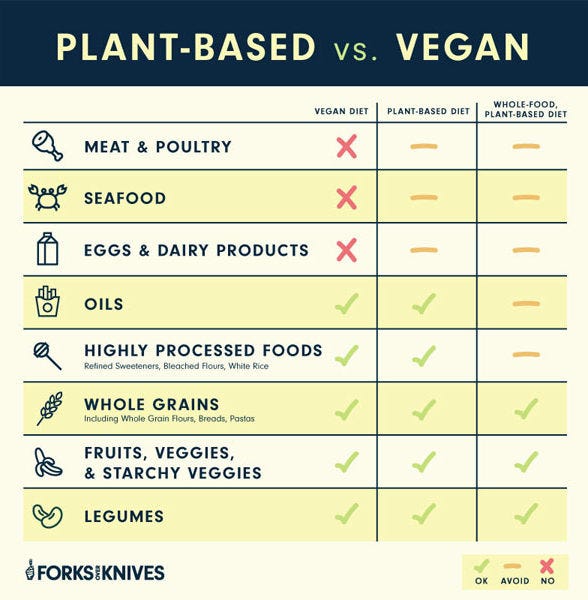
Too many confuse the WFPB lifestyle with Vegan or Vegetarian; however, vegan and vegetarian typically exclude all meat, eggs, and dairy products.
With the WFPB, you have more choices, but I mean, it’s your life. So, if you want to eat eggs and veggies every day, go for it. Plus, eggs are anti-inflammatory, which is crucial for people living with arthritis.
Before we move on to other topics, let’s take a look at this YouTube video Plant-Based Weight Loss — The Ultimate Guide, produced by Plant-Based News, with 463k subscribers.
If you enjoyed the video “like” or subscribe.
Obesity & the WFPB Lifestyle
We all know what the obesity statistics are and the dangers of pre-diabetes and sudden on-set diabetes. Making lifestyle changes that exclude too much meat, fats, and processed foods will contribute significantly to any weight loss program and lower your colon cancer risk.
Two essential factors of the WFPB lifestyle will likely lead to a healthier, longer life; those are high fiber and fewer processed foods.
However, the most crucial element in sustaining any weight loss program or lifestyle change is the desire for change and getting enough to eat. If you’re starving because of your diet, you won’t stay on it very long.
If you feel good about the skin you are in, don’t listen to those who say, “You’re too skinny. You need a couple of cheeseburgers.”
Believe it or not, Ripley, I overheard a jerk tell that to a lady in McDonald’s when she complained about the fact, they had no garden salads. Maybe he meant it as a compliment, but… Bump the naysayers!
However, if you feel the need for a change of lifestyles that includes fewer processed foods, fats, and meats, try a WFPB lifestyle. It could be perfect for your colon.
Consult a doctor or nutritionist before starting any diet/lifestyle change. However, a WFPB lifestyle change could help prevent:
· Diabetes
· Cancer, particularly colon cancer due to the high-fiber content.
· Heart disease
Plus, they say it’s better for the planet!

Stephen Dalton is a retired US Army First Sergeant with a degree in journalism from the University of Maryland and a Certified US English Chicago Manual of Style Editor.


