
A Week on the Puget Sound
Is this where we want to settle?
We booked an Airbnb in Oak Harbor, Washington, a place we’ve never been, because we are scouting the U. S. for a new place to live. Why not start here? It turns out, there is a lot to see and do in a very agreeable place.
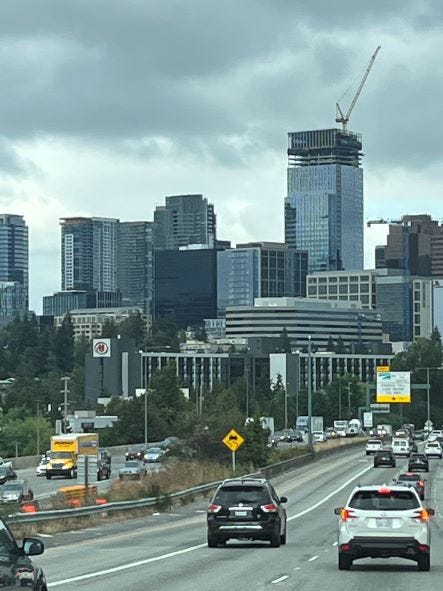
The flight to Seattle from Atlanta is about four and a half hours. Seattle is a lovely city, even at rush hour when we hit. Compared to Atlanta traffic, it was a walk in the park. Oak Harbor is a couple of hours north, on Whidbey Island.
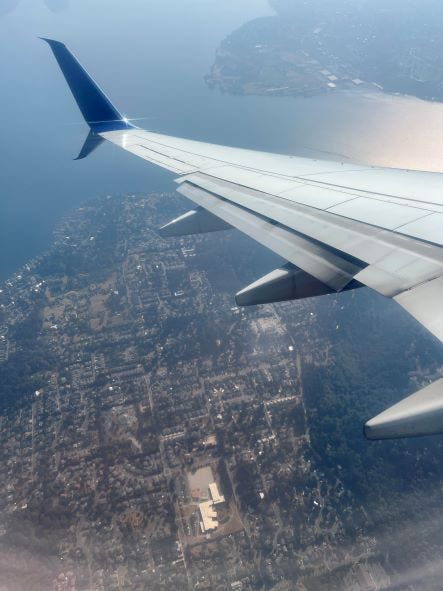
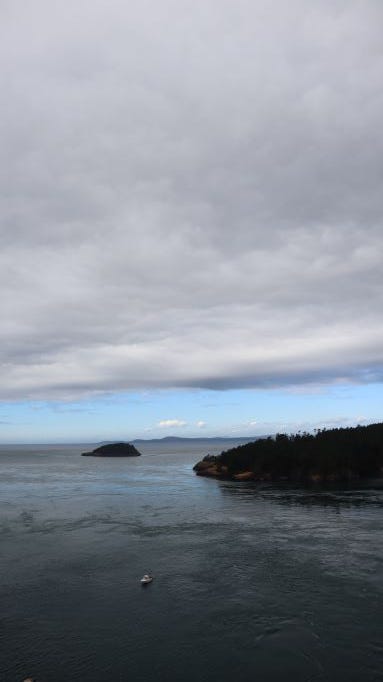
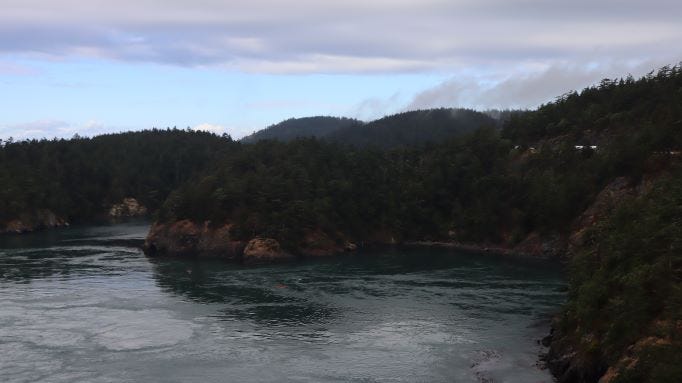
North of Seattle we hit state road 20, a scenic drive through forests along the Puget Sound. To get to Whidbey Island, you must first cross Fidalgo Island. Fidalgo is connected to Whidbey by the Deception Pass Bridge, a truly amazing span 180 feet over the water connecting Skagit Bay and the Strait of Juan de Fuca. There are two spans of the bridge running from each shore to a small island between the larger two. The bridge, completed in 1934, was in part a project of the depression-era Civilian Conservation Corps.
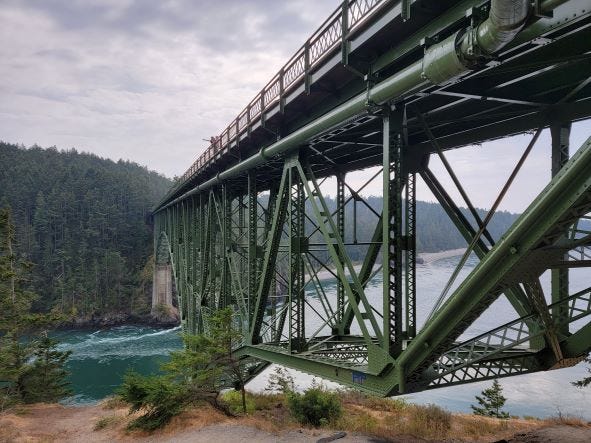
From the bridge you look over the Puget Sound and the Salish Sea. Observation points on either side of the bridge allow people to park and walk across on the 3-foot-wide sidewalks or descend steps down to the riverbank.
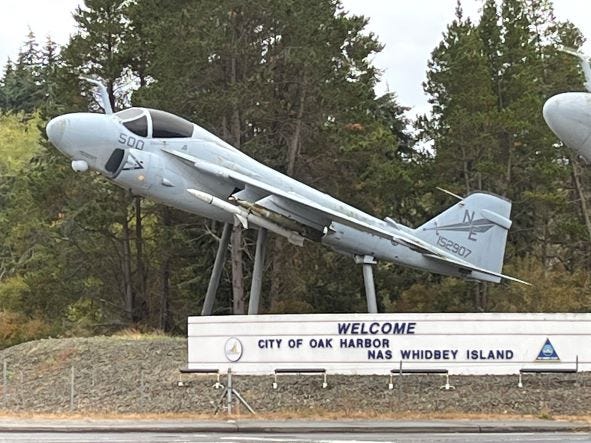
Oak Harbor is home to the Whidbey Island Naval Air Station. It was established early in WW II as a base for Naval seaplanes operating in the area.
We discovered the area is a hotbed of craft breweries! One of them, Flyer’s Restaurant and Brewery, had been suggested by a friend who knows the area. Since it was on the way to the Airbnb, we checked it out. I had a Barnstormer Brown Ale, which was very good. The massive plate of fried pickle chips and tangy sauce was not healthy but an excellent complement to the beer.
The main drag through town gives way to houses and condos perched on the hills surrounding the harbor. The quaint downtown is on a spur off highway 20, which also leads to a large marina. A few miles further on was our cottage.
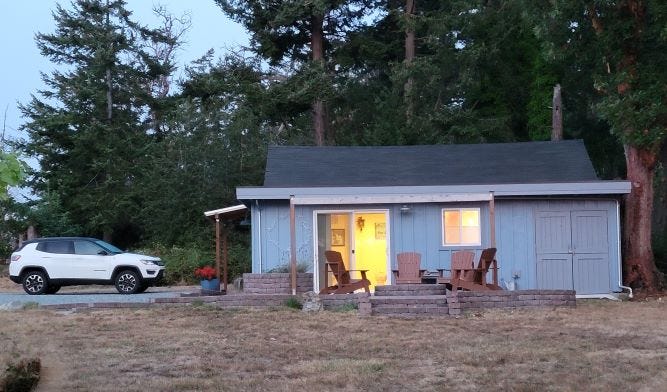
It was on a property with another house, right on the water. There was a small neighborhood of other waterfront houses nearby. (We found a poster advertising a zoning meeting that would propose building several acres of condos nearby. The current residents don’t seem to be in favor!)
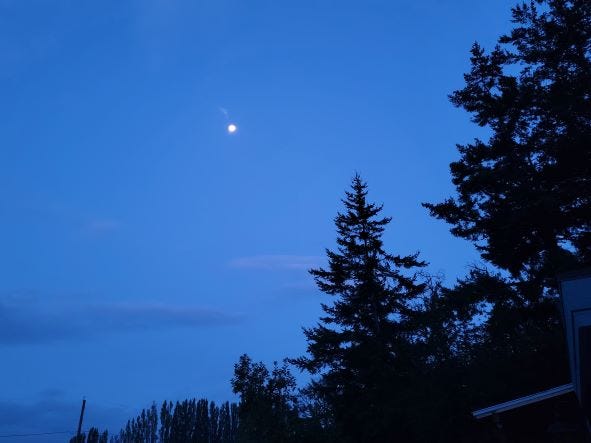
This neighborhood was about 15 minutes from town, so not far from groceries, gasoline, and doctor’s offices. All things to consider when one is looking for a place to live.
Temperatures were perfect — low to mid-50s before and after sunset, rising to the 80s during the day. We had a mix of cloudy and sunny days, with about half an hour of rain during the week we were there.
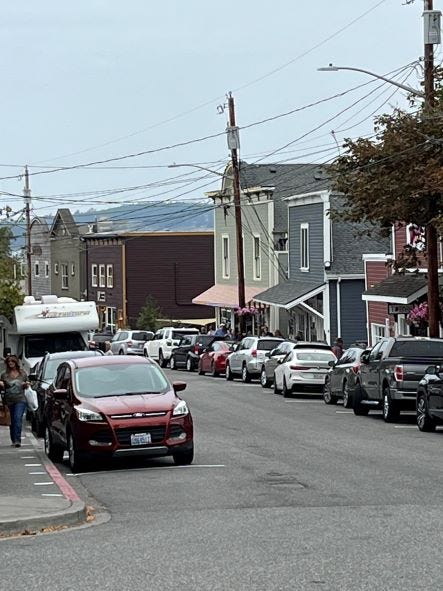
Coupeville is a village on the southern part of Whidbey Island, a collection of shops and restaurants right by the harbor. We ate at the Front Street Grill. Twice. People were friendly and the service was excellent, as was the food.
The restaurant is right on Penn Cove. Penn Cove, and Front Street Grill, are famous for their mussels. The restaurant prepares mussels eight different ways. Eight options for one dish should have been a clue, but alas it was not! I had the oysters. Mussels next time for sure.
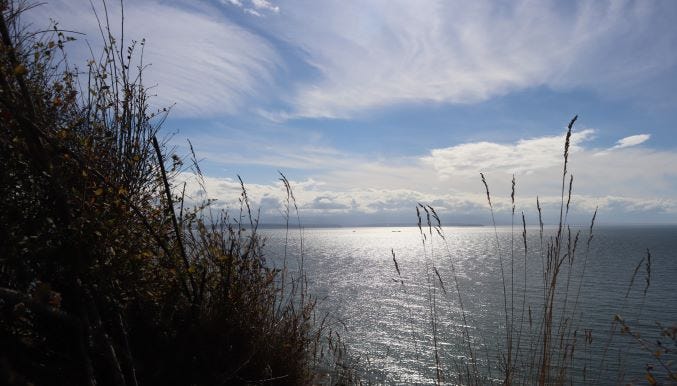
After lunch, on the bartender’s recommendation, we hiked the Bluff Trail at nearby Fort Ebey State Park. The Bluff Trail runs through forest at the water’s edge, overlooking the beach and Puget Sound. Picnic spots at each end of the trail were in use by a mix of young and old.
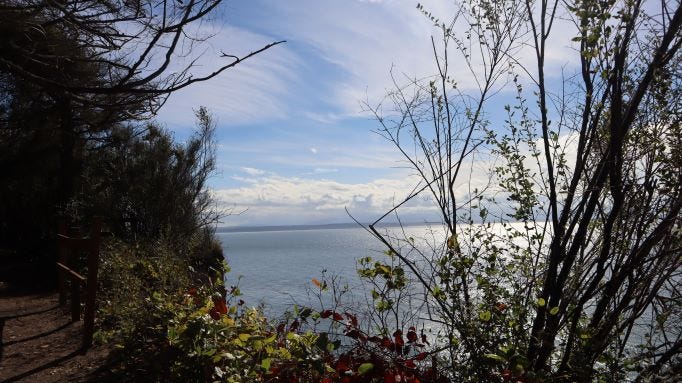
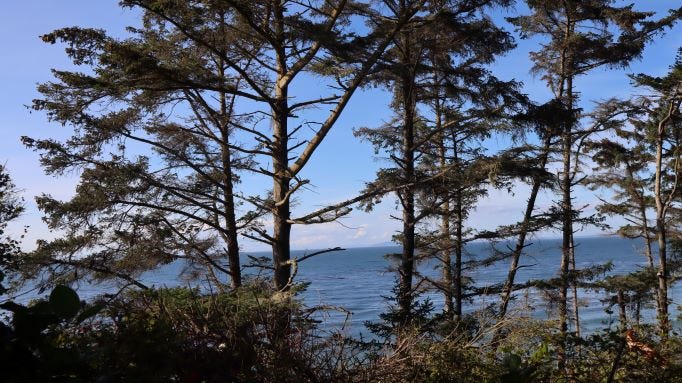
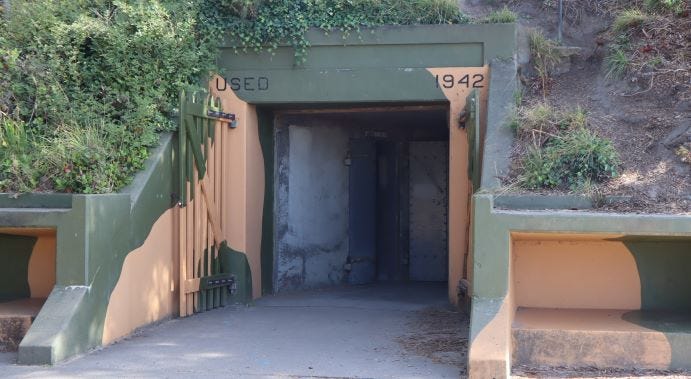
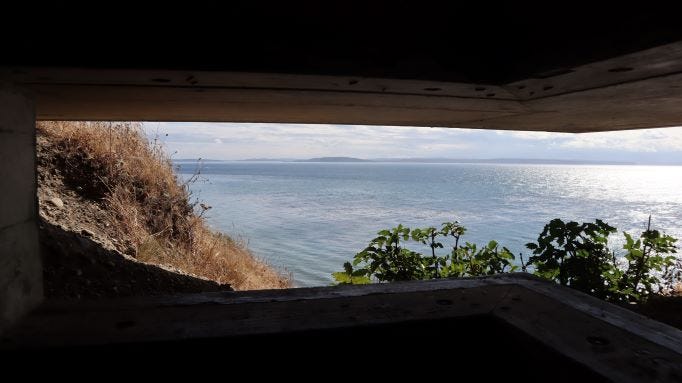
The trail ends (or begins, depending upon the end you start with, of course) at a decommissioned WW II artillery battery, installed in 1943 as part of the nation’s coastal fortifications guarding against possible attack by Axis forces. Along the trail you will find an observation bunker looking over Puget Sound. You can imagine soldiers here, scanning the horizon for ships and subs that thankfully never came.
When we travel we tend to go with the flow, but not making advance plans has its ups and downs. It leaves you open for opportunities, but you have to trust the luck of the draw. Sometimes you win, sometimes you lose.
This was the case with our visit to Port Townsend and nearby Olympic National Park.
Admittedly, we should have paid more attention to this.
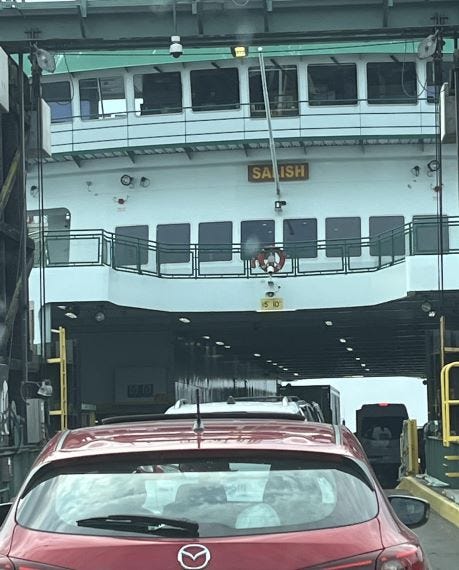
From our cottage, there were two ways to get to Port Townsend, one with a ferry trip, one without. The non-ferry route is a circuitous four-hour drive on mostly tiny roads interrupted by a stretch through downtown Seattle. The ferry route takes an hour — a short drive to the ferry terminal, followed by a half-hour ferry ride to Port Townshend, then on to the park. The problem of course, is that you have to book the ferry.
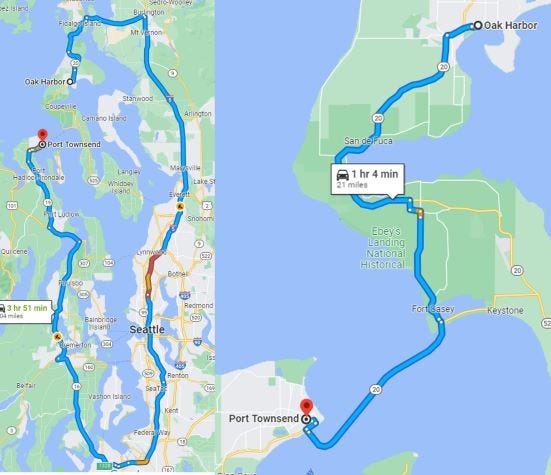
I’m going to make a long story short. We got lucky with standby ferry tickets. We took a lovely ferry ride from Coupeville to Port Townsend, explored the area, went over to Olympic National Park, then made it onto the return ferry at 8:30 p.m. If you go, for peace of mind you might want to look into the ferry schedules ahead of time. I think if you lived there awhile there would be a rhythm and a method and all would be well.
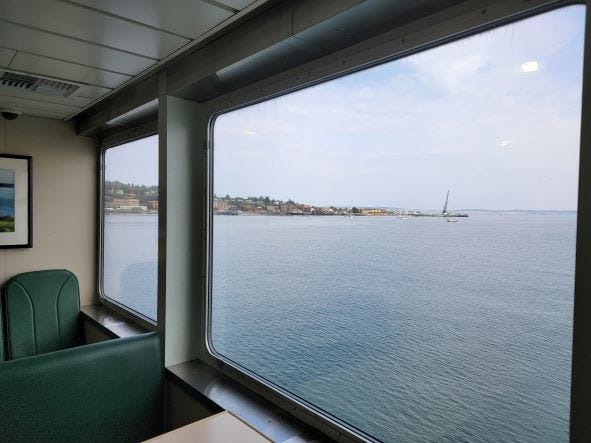
We had a nice time in Port Townsend. It’s a town of about 10,000 people, right on Puget Sound. Located in the heart of the Olympic Mountains rain shadow, it typically rains less than twenty inches annually, a definite plus for us. (The rain shadow is a geographic feature of the area which diverts much of the rainfall that seems to be a characteristic of other parts of the Pacific Northwest.)
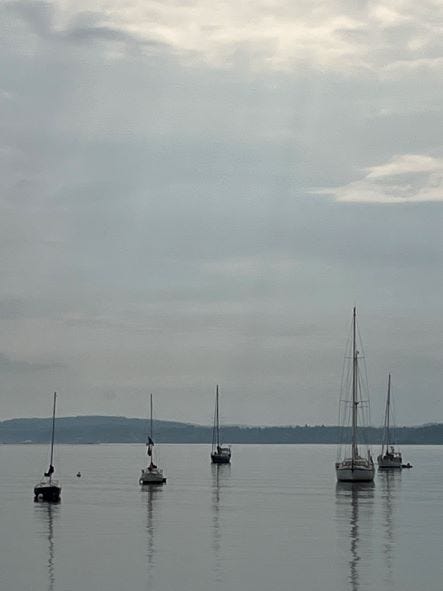
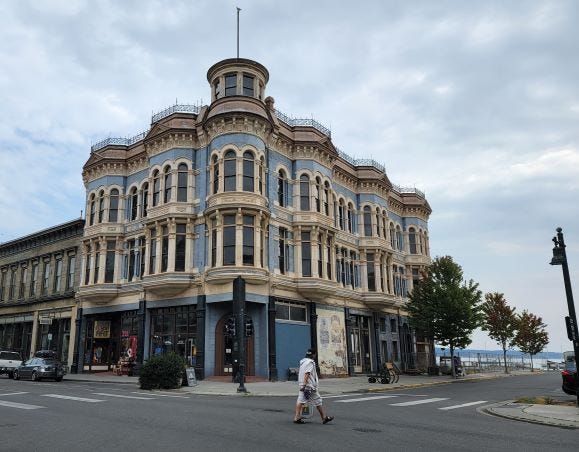
The historic downtown is right on the harbor and was a great place to eat. The Guiness and steak pie at the Old Whiskey Mill on Water Street was excellent, as was the Port Townsend Scotch Ale.
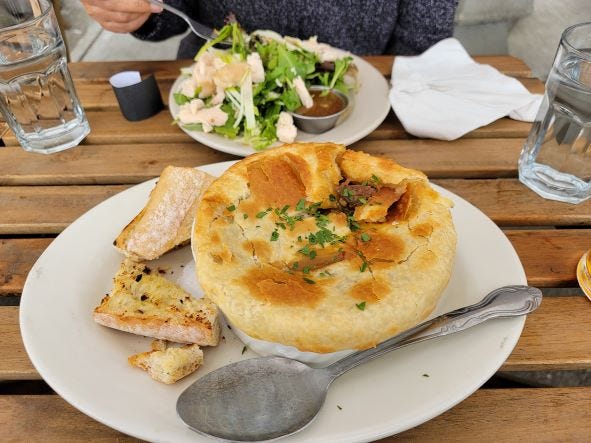
They had an amazing selection of whiskeys, but as the designated driver I had to say no to that. Later, I had one of the best slices of pizza I’ve ever had from a little place further down Water Street. Just a pizza oven, a counter, and space to stand and place your order, but very good.
By the time we got to Olympic National Park it was late afternoon. Avid campers, we could have spent a week there, but this was not the trip for that. Still, we took in fantastic views and got some ideas for next time.
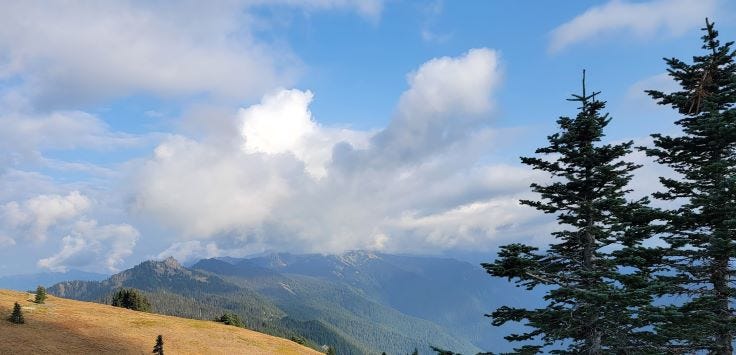
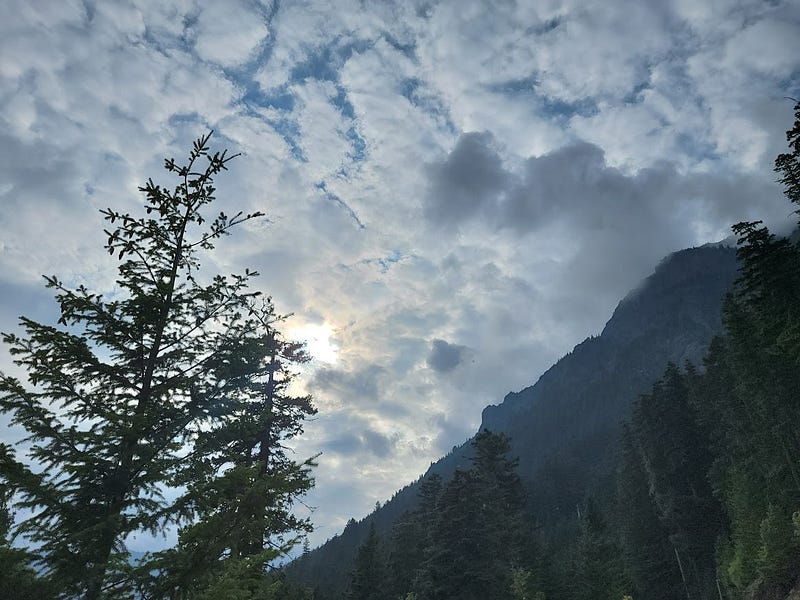
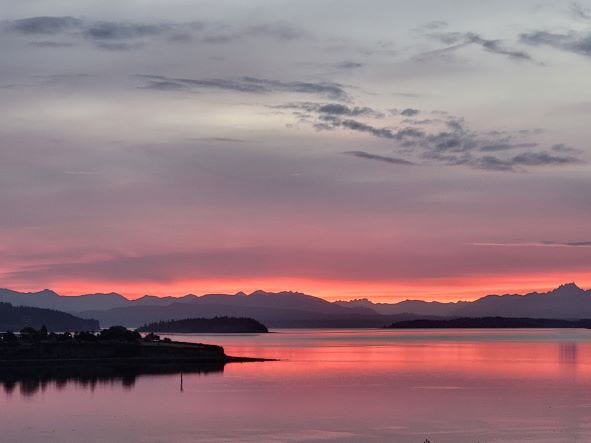
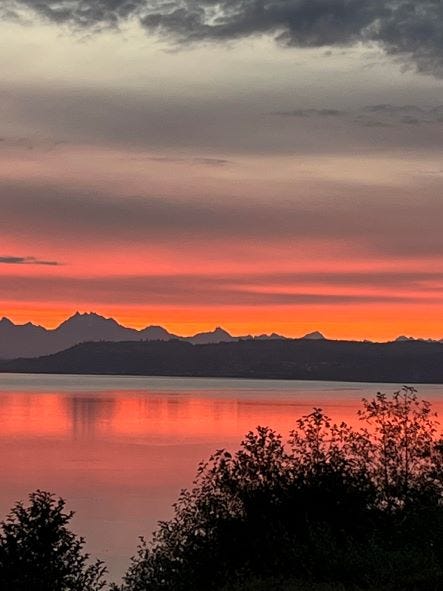
The sunrise from our cottage was amazing. I had thought of the west coast being the place for spectacular sunsets, and it is, but our cottage on Skagit Bay faced east. The sun rising over the Cascades, the mountains reflecting in the bay, creates a strip of fire over and in the water. It was a joy to sit with a cup of coffee watching the day start.
We experienced the entire spectrum of Washington State landscape on our visit to my 96-year-old aunt. She moved from her midwestern home 25 years ago to be near her niece and I had not seen her since. As the last living relative on my father’s side of the family, we wanted to be sure to visit. She lives near Walla Walla, which we discovered is a long way from Oak Harbor. On the way to Walla Walla we passed through the lush Puget Sound lowlands, into the Southern Cascade Mountains, over Snoqualmie Pass, into the Columbia River basin, onto the Columbia Plateau and into Walla Walla.
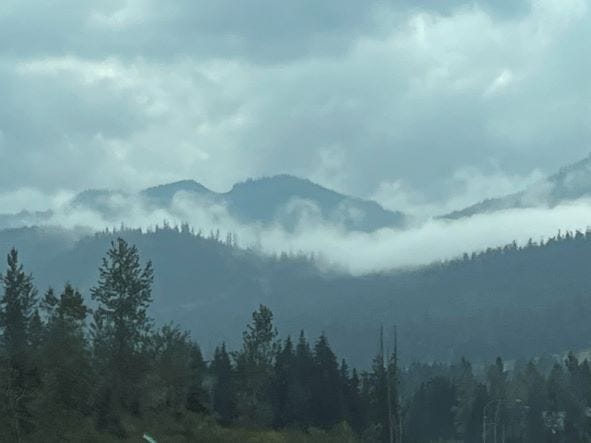
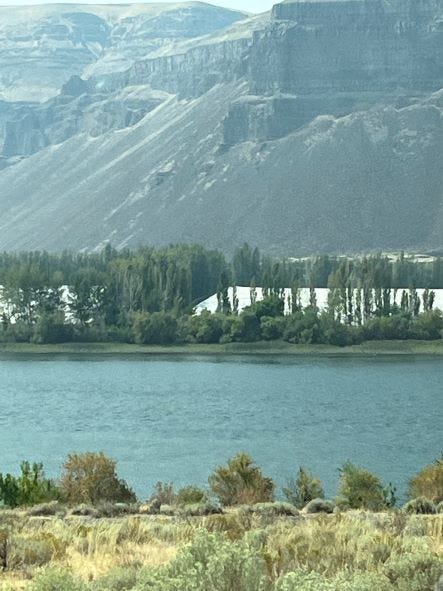
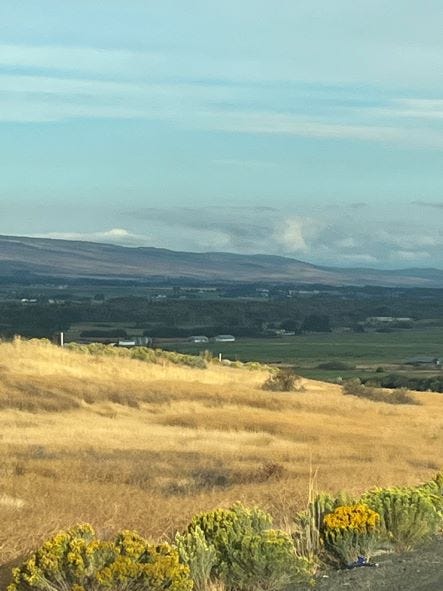
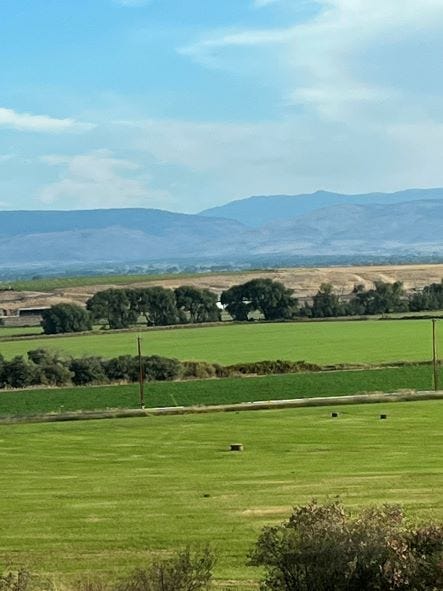
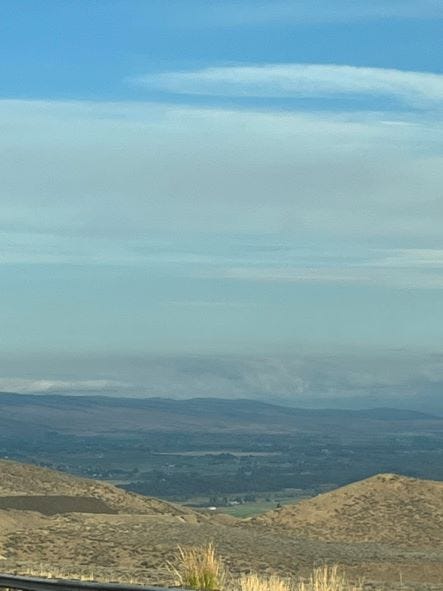
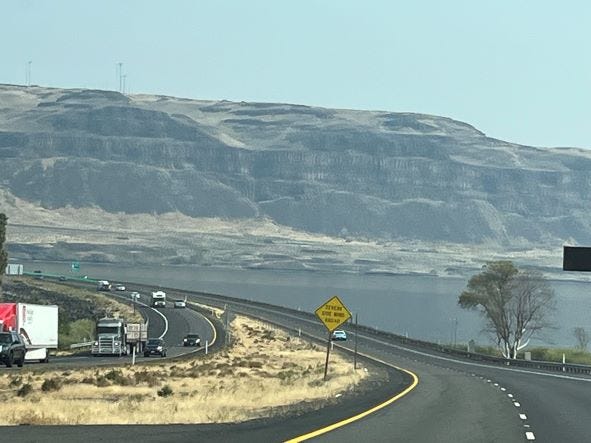
It was an amazing display of disparate landscapes, with near desert giving way to vast agricultural plots of apples, cherries, hops and vineyards. We passed the Hanford Nuclear Site, where the plutonium for the nuclear bomb that was detonated over Nagasaki, Japan, was produced.
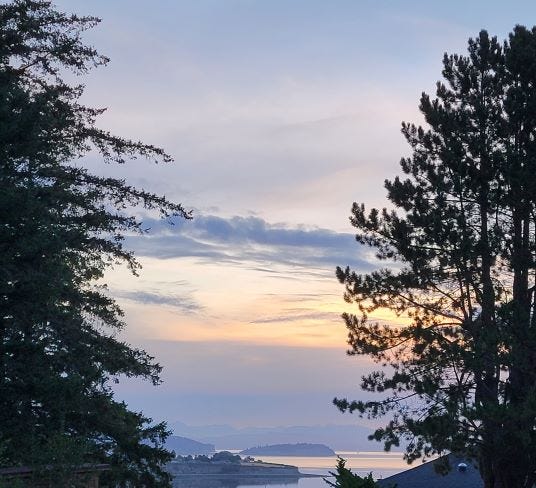
Back at our cottage we enjoyed one more sunset over the harbor, one more sunrise, and we were off to the airport, and our flight back to reality. There is so much to see in this country, we don’t know where to go next. But we will figure it out.