avatarDon Stouder

Free AI web copilot to create summaries, insights and extended knowledge, download it at here

3399

Abstract

made a hotel reservation for the night before, and drove up on Wednesday. We arrived in Peach Springs, Arizona late in the afternoon and checked into the only hotel in town, the Hualapai Lodge. It was also the only open store in town, the only open restaurant in town, pretty much the only open anything in town except for a gas station. I don’t say this as a snob calling this a hick town; it’s small size, it’s historic importance along the longest remaining stretch of Route 66, and the fact that it’s the administrative headquarters of the Hualapai people all make it one of the most interesting places I have ever visited.</p><figure id="6903"><img src="https://cdn-images-1.readmedium.com/v2/resize:fit:800/1*oJHfbBKnN9Qbc0-0FEHu_Q.jpeg"><figcaption></figcaption></figure><figure id="62f1"><img src="https://cdn-images-1.readmedium.com/v2/resize:fit:800/1*Yd1dmYruolYNUDHWE5Dm4w.jpeg"><figcaption></figcaption></figure><figure id="ca9c"><img src="https://cdn-images-1.readmedium.com/v2/resize:fit:800/1*C7X0wmg4fJ5F_rcE1930vQ.jpeg"><figcaption>Getting ready to begin with Dan, our native guide. Some local wildlife in the road on the way down.</figcaption></figure><p id="d3a5">Up early to board an old bus for a pretty long ride down to the river. It takes about an hour from Peach Springs, along a rough dirt road that slowly brings you into the Grand Canyon and down to the river. Once there, we met our boatmates for the day and our Hualapai Guide, Dan. He gave us a briefing, making sure to point out that the river was high due to a water release upstream and that we would encounter at least Class Eight (out of ten) rapids during our trip. The rafts were motorized, so the trip could be completed in one day but also to add to the excitement of the rapids. We soon learned that Dan got a kick out of taking us through them at full speed. He said we would get wet, and that was an understatement.</p><figure id="3e3c"><img src="https://cdn-images-1.readmedium.com/v2/resize:fit:800/1*jt_JUx_mUQTv4LGR6eMy_Q.jpeg"><figcaption></figcaption></figure><figure id="55e7"><img src="https://cdn-images-1.readmedium.com/v2/resize:fit:800/1*YHa_lhvU_9SZS-yK0ps8pg.jpeg"><figcaption>Our hike to the falls in Travertine Canyon.</figcaption></figure><p id="8429">Many generations ago, the Hualapai’s ancestral homelands consisted of over 7 million acres of land — ancestral homelands the tribe has sought to maintain and protect since time immemorial. The traditional lands begin at the Little Colorado River, continuing downstream through the entire Grand Canyon, with the lower 108 miles of the Grand Canyon the Hualapai Reservation.</p><p id="e113">The lands they hunted, traded, and lived on supported four tribes comprising of the Hualapai Nation (pai means people): The Hualapai, people of the tall pines; Yavapai, people of the sun; Havasupai, people of the blue-green water; and the Pai-Pai, the people of Hualapai, who escaped the Calvary in the 1870s into Mexico.</p><p id="9565">Through the years, the tribes faced many enemies: the Spaniards who took their gold, the Calvary who wanted all the land for expansion, and settlers, ranchers, and missionaries encroaching on the Hualapai Homeland. When natural resources like copper, gold, and uranium were discovered, and the big steam engines required more and more water to operate, the government took land and water rights away from the

Options

tribe and forced them onto reservations.</p><figure id="3227"><img src="https://cdn-images-1.readmedium.com/v2/resize:fit:800/1*2idFKIfdmMut3Hm9x9jPOQ.jpeg"><figcaption></figcaption></figure><figure id="d24a"><img src="https://cdn-images-1.readmedium.com/v2/resize:fit:800/1*vSu6fx-upwy_NIdJibRXZw.jpeg"><figcaption></figcaption></figure><figure id="cd63"><img src="https://cdn-images-1.readmedium.com/v2/resize:fit:800/1*uf9H-oHHKr6zObOoP5OD6Q.jpeg"><figcaption>Our lunch stop, sights along the river.</figcaption></figure><p id="da93">Unlike the Navajo, Pueblo, or the Hopi, the Hualapai and the Havasupai still own a piece of their original territory within the canyons. In 1883, the Hualapai were relocated to just one million acres of Hualapai ancestral lands, with its 108 miles of northern border along the Grand Canyon and to the middle of the Colorado River, on the Hualapai Indian Reservation. Way back in 1991, I had the chance to hike down into the <a href="https://readmedium.com/note-to-self-434c8ffa3b73">Havasupai Reservation</a>, accessible only by foot, mule, or helicopter. What an amazing adventure that was.</p><p id="89c0">In between the exciting rapids, our guide told us these sacred stories, and pointed out areas along the river where “the first people” were thought to have emerged. The River grinds you up and rinses you through the rapids, again and again and again. We stopped for a bit at the beautiful Travertine Canyon, with it’s rock formations and waterfalls, and then a lunch stop further down the river. Along the way, we saw the 100 feet tall Travertine Falls; literally a waterfall made of rock. Created by a slow stream of mineral water over time, the rock waterfall is but a tiny illustration of the power of the Grand Canyon to arouse awe and wonder.</p><figure id="ca81"><img src="https://cdn-images-1.readmedium.com/v2/resize:fit:800/1*cpW6-EZ0txU75Uof3JsLMg.jpeg"><figcaption></figcaption></figure><figure id="e0e2"><img src="https://cdn-images-1.readmedium.com/v2/resize:fit:800/1*S5vkXUpQIg5vKtBSyOeXTQ.jpeg"><figcaption></figcaption></figure><figure id="dbc8"><img src="https://cdn-images-1.readmedium.com/v2/resize:fit:800/1*6sVqTOAQr5UzPC62jgGzDg.jpeg"><figcaption>Travertine Falls, nearby rock formations.</figcaption></figure><p id="9ec9">The last few hours of the trip were fairly smooth so we were able to just sit back and take in the scenery. When we left our rafts near Lake Mead, it was another long bus ride out of the canyon and into Kingman, and finally back to Peach Springs. We drove back to Sedona so it made for a very long day, but a truly unforgettable one.</p><figure id="4dca"><img src="https://cdn-images-1.readmedium.com/v2/resize:fit:800/1*7reN8di2XK0eneG6oKLHsA.jpeg"><figcaption></figcaption></figure><figure id="21d8"><img src="https://cdn-images-1.readmedium.com/v2/resize:fit:800/1*XF-l51p15K2HcV5M_Ly1Pw.jpeg"><figcaption>Travertine Falls, and scenes from the river.</figcaption></figure><p id="c62c">One day on the river is not nearly enough, and there is no shortage of multi day trips available. But if a day is all the time you have, let the Hualapai show you their magnificent river.</p><figure id="ed2c"><img src="https://cdn-images-1.readmedium.com/v2/resize:fit:800/1*uvpGKIUYy3QkvCyc-0m_hw.jpeg"><figcaption>Heading out of the reservation and back to Sedona along Route 66.</figcaption></figure></article></body>

A Waterfall Made of Rock

Colorado River Rafting gets checked off the bucket list.
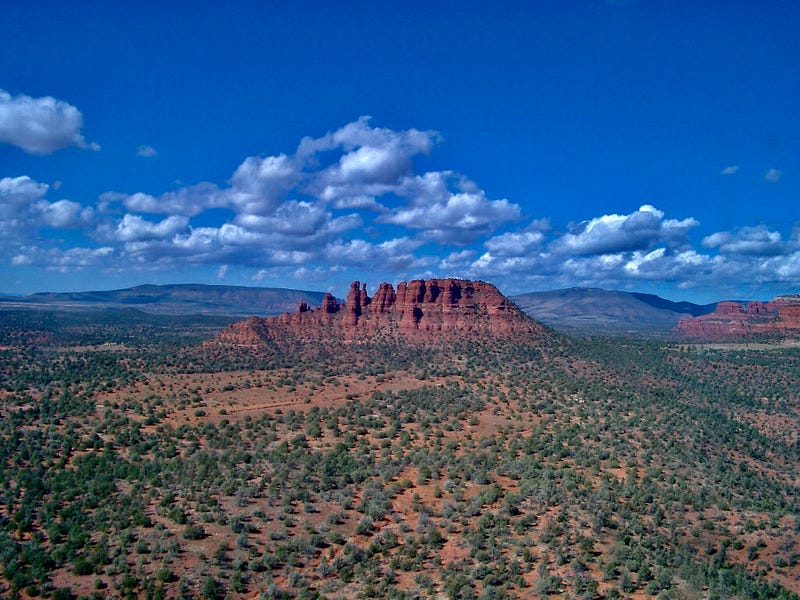
There are no bad vistas in Sedona. All photos by author.

I have had a love affair with Sedona, Arizona since I first visited in 1990. I have traveled there roughly every other year since, and of course it has changed and grown over the years. As my exploration of Arizona deepened, I ended up hiking down into the Havasupai Indian Reservation, getting to know the South Rim pretty well, and exploring the Navajo Nation. But I have always come back to Sedona. My friends say it’s the vortex energy that draws me there. That’s as good a reason as any.

Over the years, Sedona has called to me for any number of reasons. I have traveled there to celebrate friends and relationships, and once I went there to shout at God in the rain as I endured a bad breakup. I have had my aura photo taken, explored the vortexes, enjoyed many couples massages, and had my Tarot read any number of times. Couple with some truely amazing restaurants and lovely lodging choices, Sedona is simply a beautiful place to visit. Perhaps too much; locals want restrictions placed on tourism, and I can’t say I blame them.

Not all of my trips there have had a specific purpose, but the last one, in the spring of 2021, had a very specific purpose. For most of my life, I have wanted to raft the Colorado River through the Grand Canyon. If I could, I would do a ten-day trip and see the whole thing; as it is, my husband is not quite as open to wilderness adventure as I am. I got him to agree to a one-day trip hosted by the Hualapai Nation. It would be a part of another wonderful week in Red Rock country. We packed the car and hit the road.
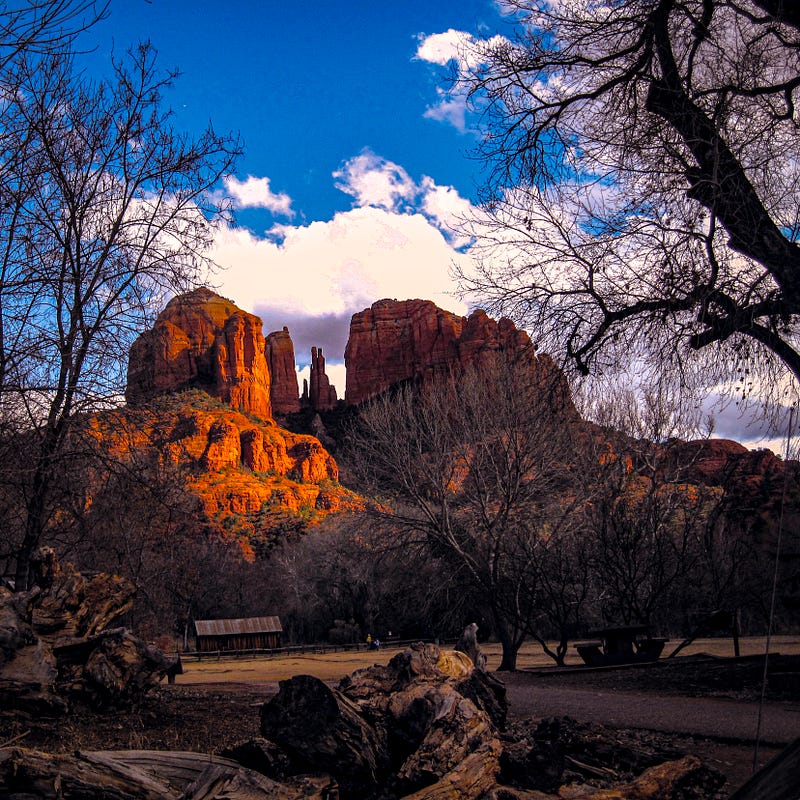
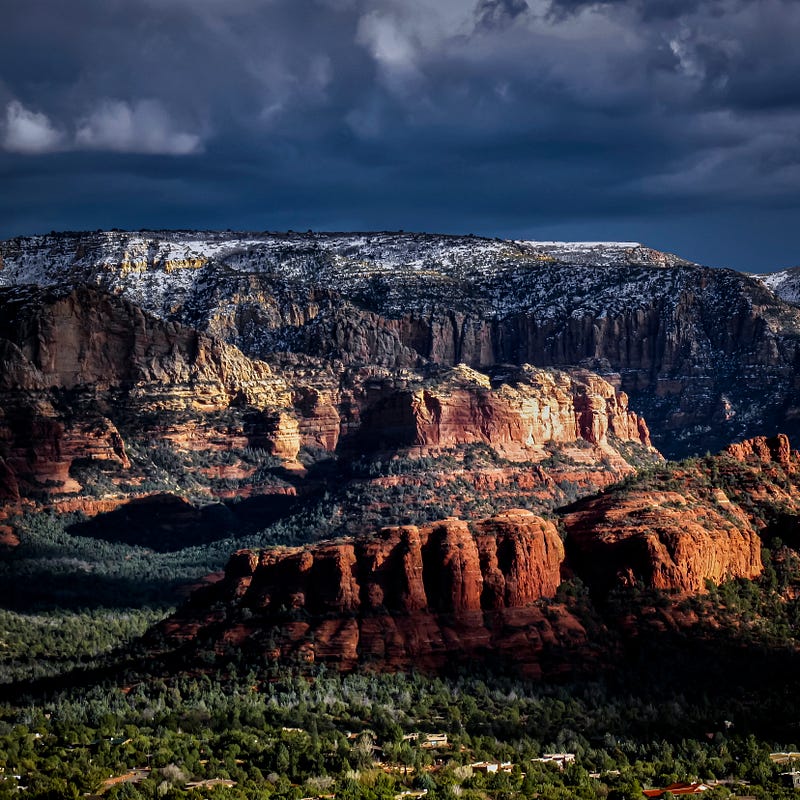
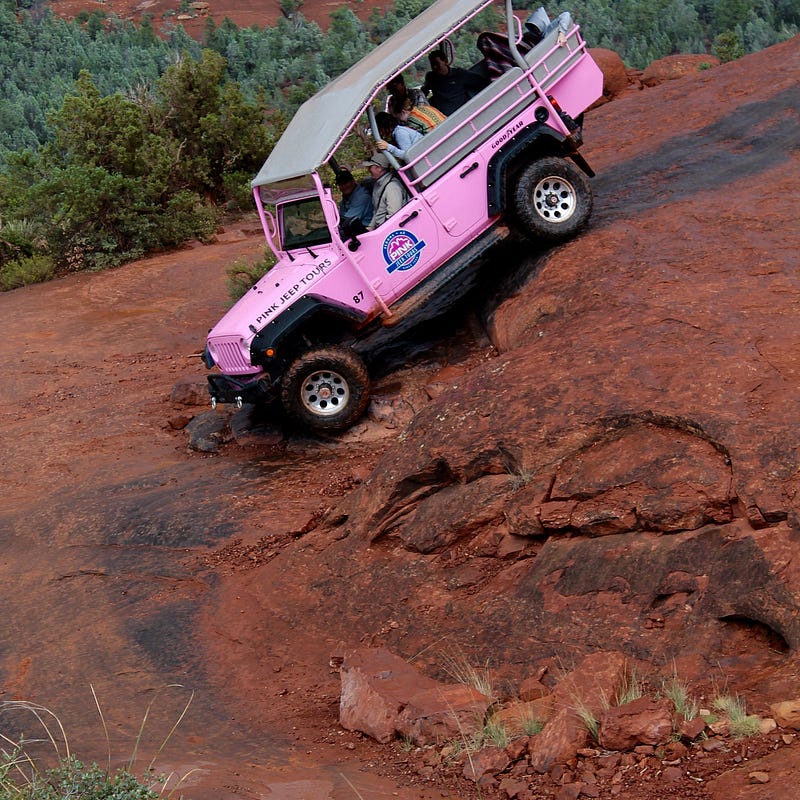
The famous Pink Jeep tours get you off road to see vistas like Cathedral Rock and the view from Schnebly Hill Road.

To keep the Significant Other on board with the plan, we spent the first few days in Sedona doing our usual round of visits to various vortexes, a hike up to the Amitabha Stupa and Peace Park, a couple’s massage, some shopping at Tlaquepaque Arts and Shopping Village, and dinner at Rene’s with a lamb dish that might have been better than, well, you know.
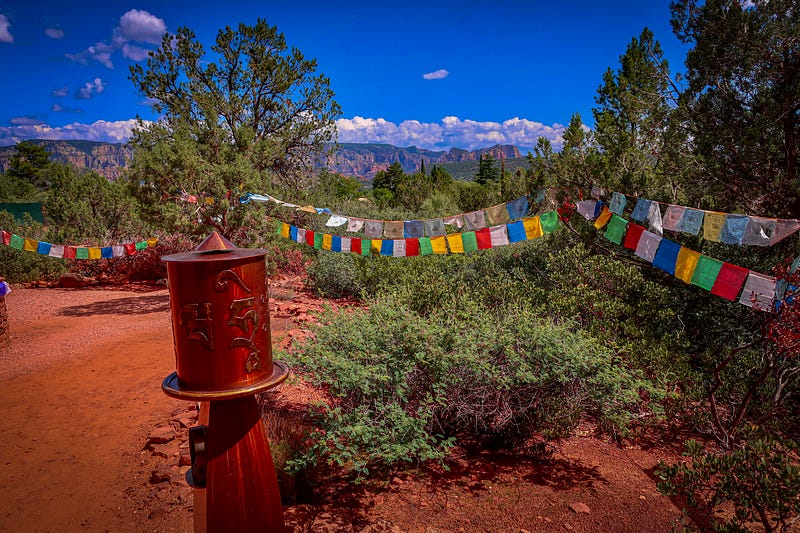
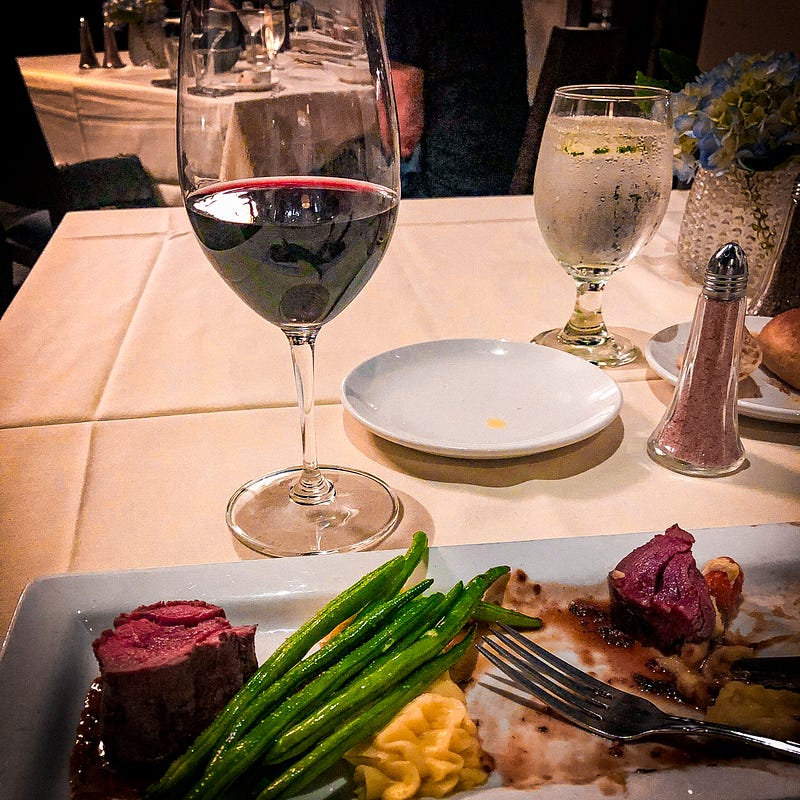
Amitabha Peace Park, Rene’s Restaurant at Tlaquepaque.

We had scheduled our day trip down the river for Thursday, and it would begin early; our destination along the Colorado River was a good two hours from Sedona. So, we made a hotel reservation for the night before, and drove up on Wednesday. We arrived in Peach Springs, Arizona late in the afternoon and checked into the only hotel in town, the Hualapai Lodge. It was also the only open store in town, the only open restaurant in town, pretty much the only open anything in town except for a gas station. I don’t say this as a snob calling this a hick town; it’s small size, it’s historic importance along the longest remaining stretch of Route 66, and the fact that it’s the administrative headquarters of the Hualapai people all make it one of the most interesting places I have ever visited.
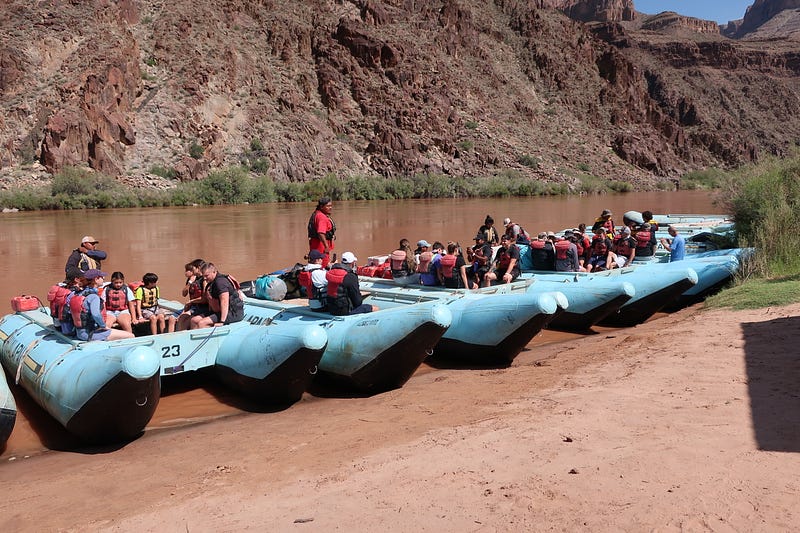
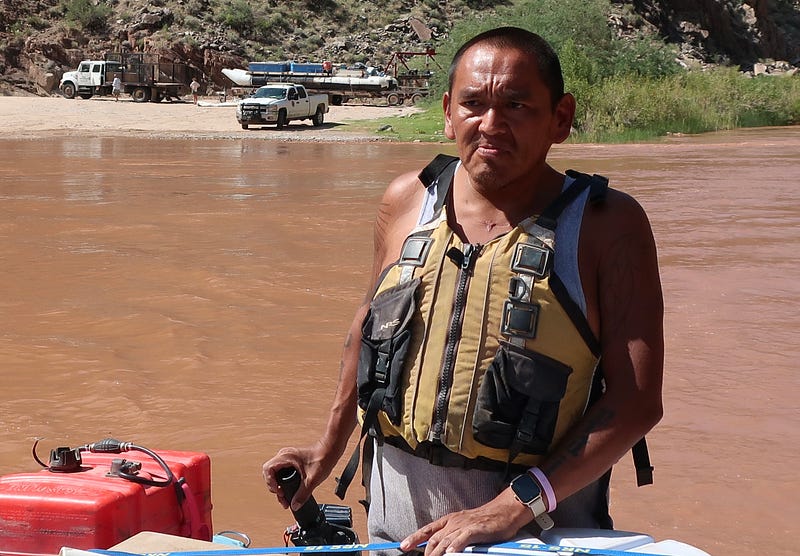
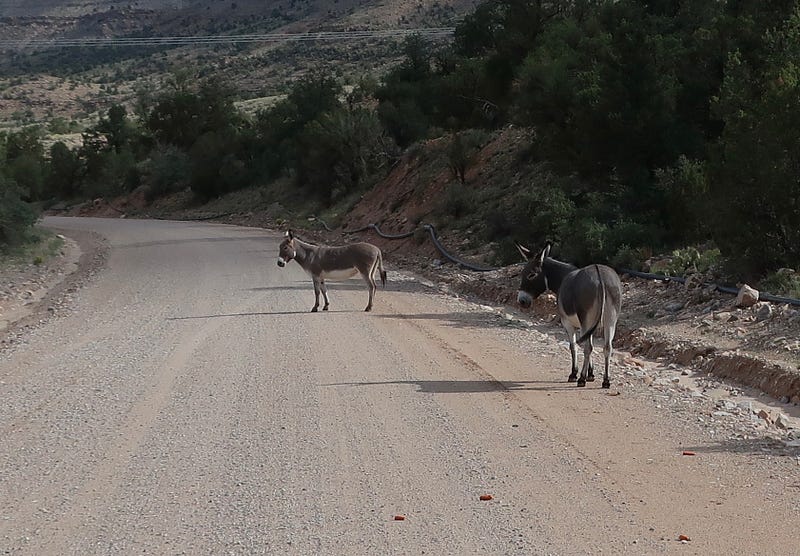
Getting ready to begin with Dan, our native guide. Some local wildlife in the road on the way down.

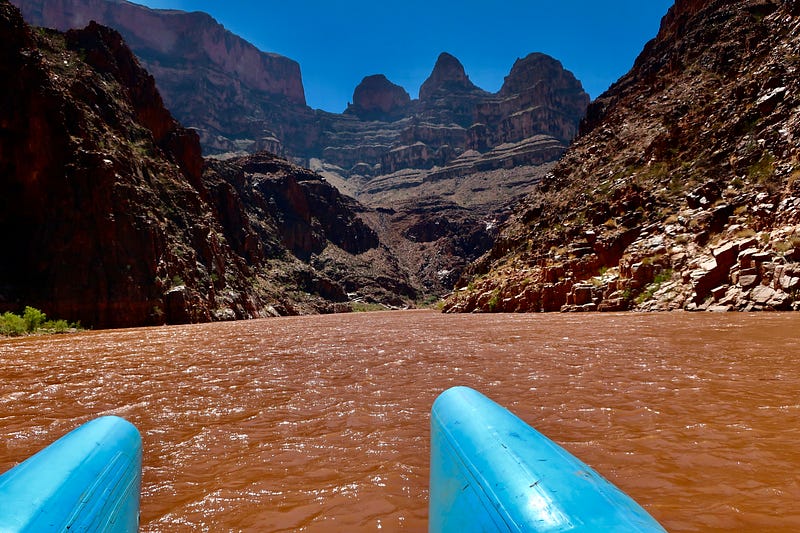
Up early to board an old bus for a pretty long ride down to the river. It takes about an hour from Peach Springs, along a rough dirt road that slowly brings you into the Grand Canyon and down to the river. Once there, we met our boatmates for the day and our Hualapai Guide, Dan. He gave us a briefing, making sure to point out that the river was high due to a water release upstream and that we would encounter at least Class Eight (out of ten) rapids during our trip. The rafts were motorized, so the trip could be completed in one day but also to add to the excitement of the rapids. We soon learned that Dan got a kick out of taking us through them at full speed. He said we would get wet, and that was an understatement.
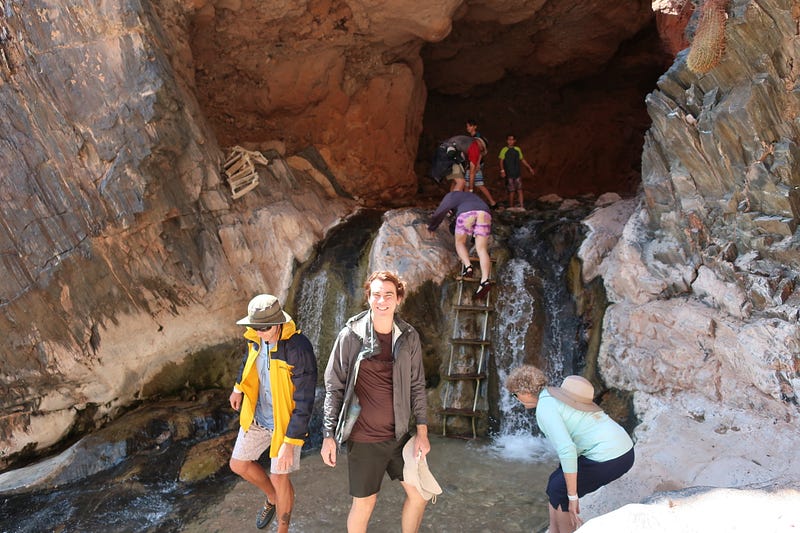
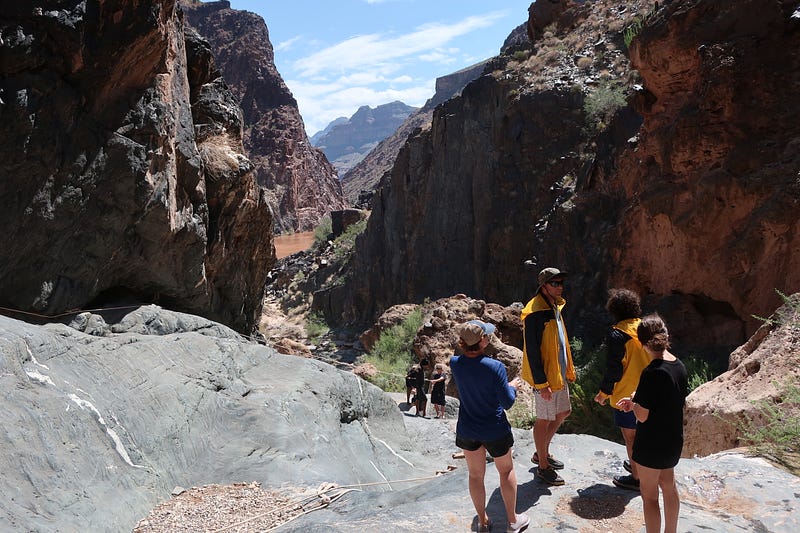
Our hike to the falls in Travertine Canyon.

Many generations ago, the Hualapai’s ancestral homelands consisted of over 7 million acres of land — ancestral homelands the tribe has sought to maintain and protect since time immemorial. The traditional lands begin at the Little Colorado River, continuing downstream through the entire Grand Canyon, with the lower 108 miles of the Grand Canyon the Hualapai Reservation.

The lands they hunted, traded, and lived on supported four tribes comprising of the Hualapai Nation (pai means people): The Hualapai, people of the tall pines; Yavapai, people of the sun; Havasupai, people of the blue-green water; and the Pai-Pai, the people of Hualapai, who escaped the Calvary in the 1870s into Mexico.

Through the years, the tribes faced many enemies: the Spaniards who took their gold, the Calvary who wanted all the land for expansion, and settlers, ranchers, and missionaries encroaching on the Hualapai Homeland. When natural resources like copper, gold, and uranium were discovered, and the big steam engines required more and more water to operate, the government took land and water rights away from the tribe and forced them onto reservations.
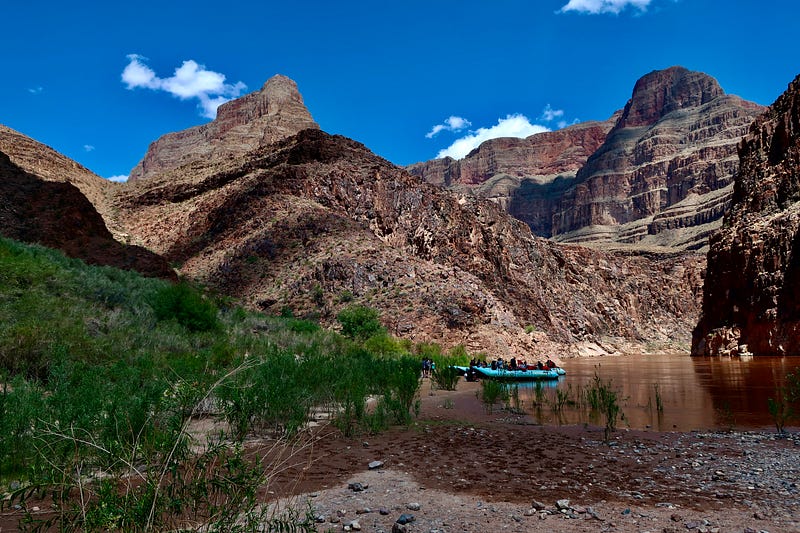
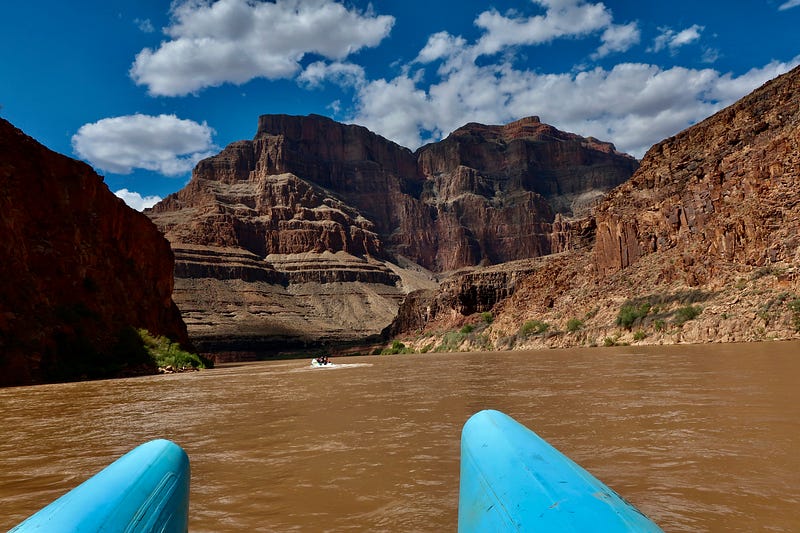
Our lunch stop, sights along the river.

Unlike the Navajo, Pueblo, or the Hopi, the Hualapai and the Havasupai still own a piece of their original territory within the canyons. In 1883, the Hualapai were relocated to just one million acres of Hualapai ancestral lands, with its 108 miles of northern border along the Grand Canyon and to the middle of the Colorado River, on the Hualapai Indian Reservation. Way back in 1991, I had the chance to hike down into the Havasupai Reservation, accessible only by foot, mule, or helicopter. What an amazing adventure that was.

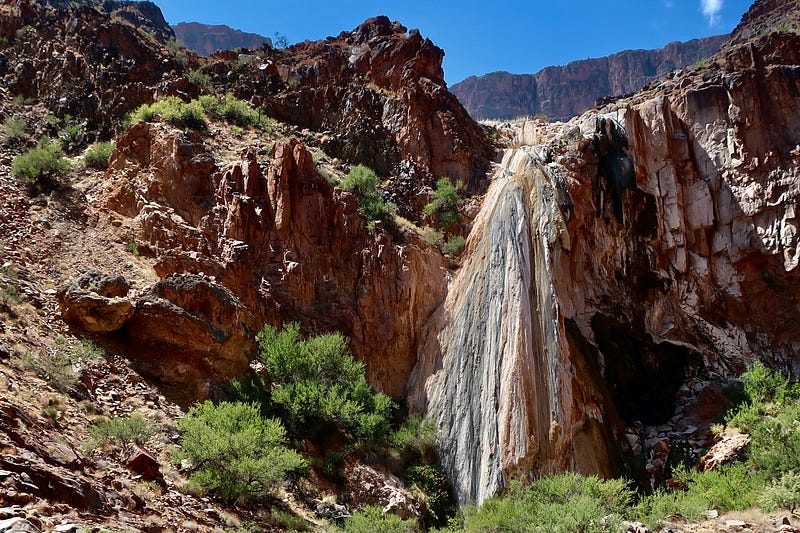
In between the exciting rapids, our guide told us these sacred stories, and pointed out areas along the river where “the first people” were thought to have emerged. The River grinds you up and rinses you through the rapids, again and again and again. We stopped for a bit at the beautiful Travertine Canyon, with it’s rock formations and waterfalls, and then a lunch stop further down the river. Along the way, we saw the 100 feet tall Travertine Falls; literally a waterfall made of rock. Created by a slow stream of mineral water over time, the rock waterfall is but a tiny illustration of the power of the Grand Canyon to arouse awe and wonder.
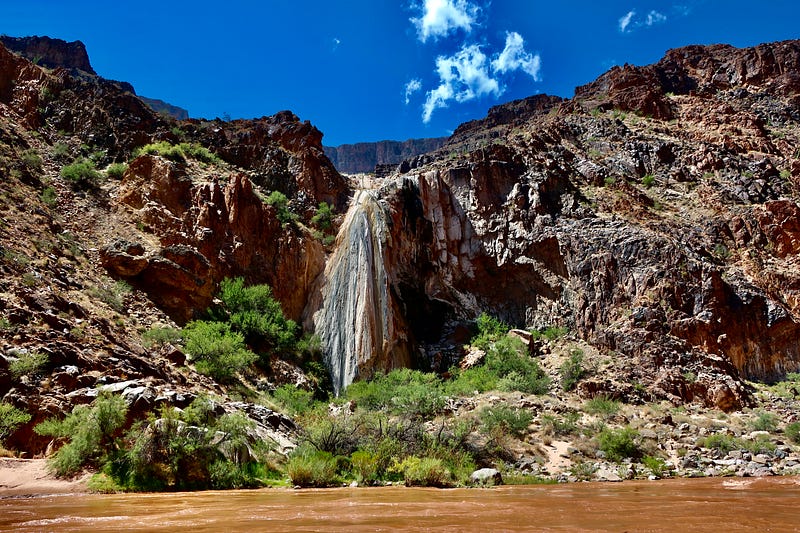
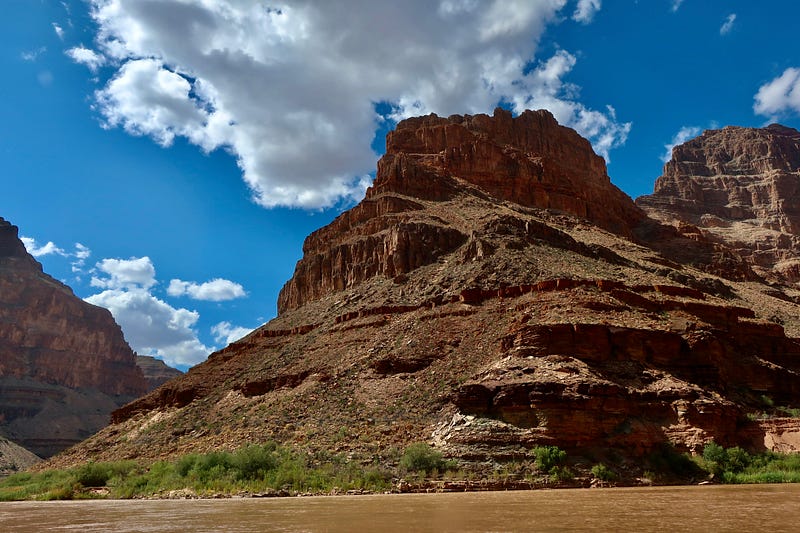
Travertine Falls, nearby rock formations.

The last few hours of the trip were fairly smooth so we were able to just sit back and take in the scenery. When we left our rafts near Lake Mead, it was another long bus ride out of the canyon and into Kingman, and finally back to Peach Springs. We drove back to Sedona so it made for a very long day, but a truly unforgettable one.
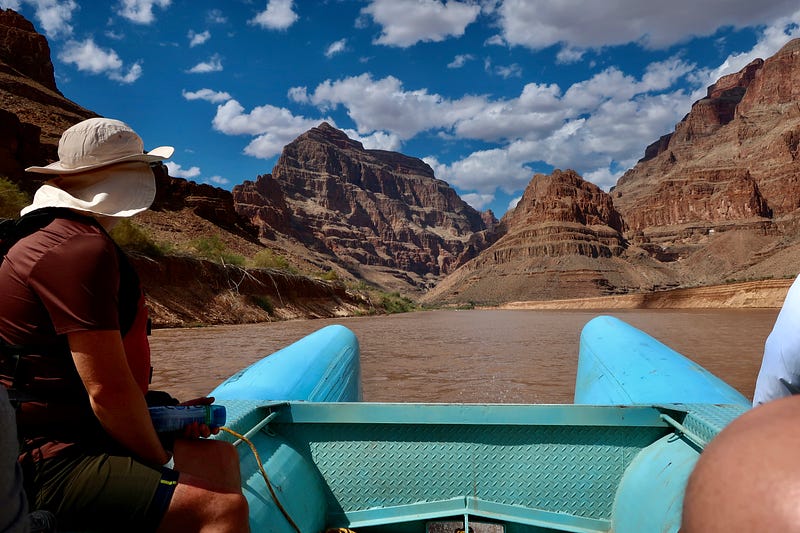
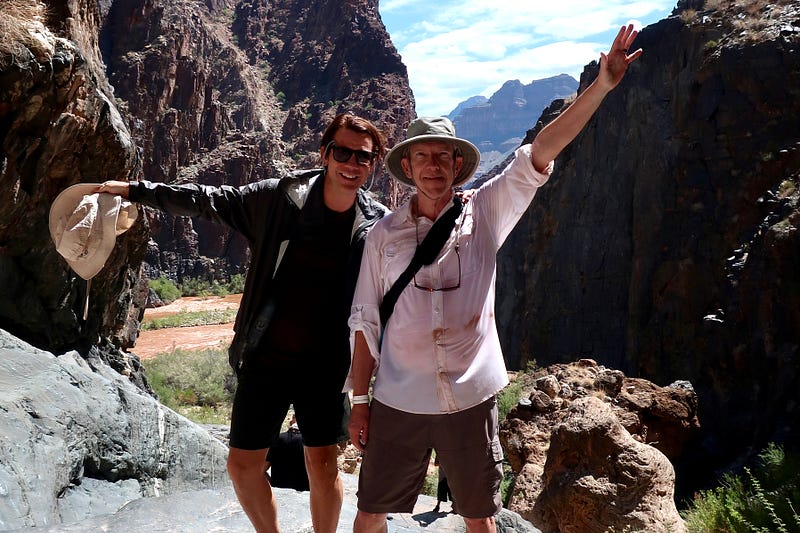
Travertine Falls, and scenes from the river.

One day on the river is not nearly enough, and there is no shortage of multi day trips available. But if a day is all the time you have, let the Hualapai show you their magnificent river.
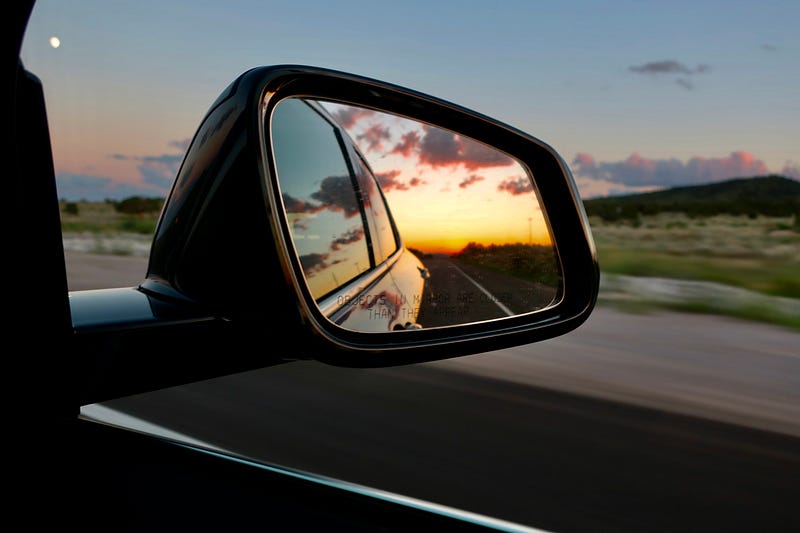
Heading out of the reservation and back to Sedona along Route 66.
Adventure Travel
Grand Canyon Rafting
Sedona
Native Americans
Photography
Recommended from ReadMedium