avatarKim Zuch

Summary

The article describes the process of creating a pollinator garden at an office, including building raised garden beds, sourcing plants from a local nursery, and emphasizing the importance of avoiding neonicotinoid-treated plants.

Abstract

The narrative begins with the construction of raised garden beds using scrap wood, resulting in more space and six new beds instead of the expected three. The team then turns to an old mulch pile to enrich the soil for the new pollinator garden. A visit to a local plant nursery leads to an impromptu purchase of Evening Primrose flowers after being informed of their popularity and quick sell-out rate. The purchase is also influenced by the sighting of a honeybee in the flowers, reinforcing the suitability of the plants for attracting pollinators. Upon planting the Evening Primrose at the office, the garden immediately begins to attract bees and other insects, indicating the success of the garden's purpose. The article concludes with a caution regarding the use of neonicotinoids in nursery plants, advising readers to check labels to ensure the plants they choose are safe for pollinators.

Opinions

  • The author values sustainability, as evidenced by the repurposing of scrap wood and old mulch for the garden beds and soil enrichment.
  • There is an appreciation for the aesthetic value of plants, as the author is drawn to the beauty of the flowers at the nursery and takes photographs.
  • The author demonstrates a commitment to environmental responsibility by choosing native plants and emphasizing the importance of avoiding pesticides harmful to pollinators.
  • The sighting of a honeybee in the Evening Primrose flowers significantly influences the author's decision to purchase the plants, highlighting the author's prioritization of plants that support local ecosystems.
  • The author expresses satisfaction with the immediate attraction of the garden to pollinators, suggesting a sense of accomplishment and validation of their efforts.
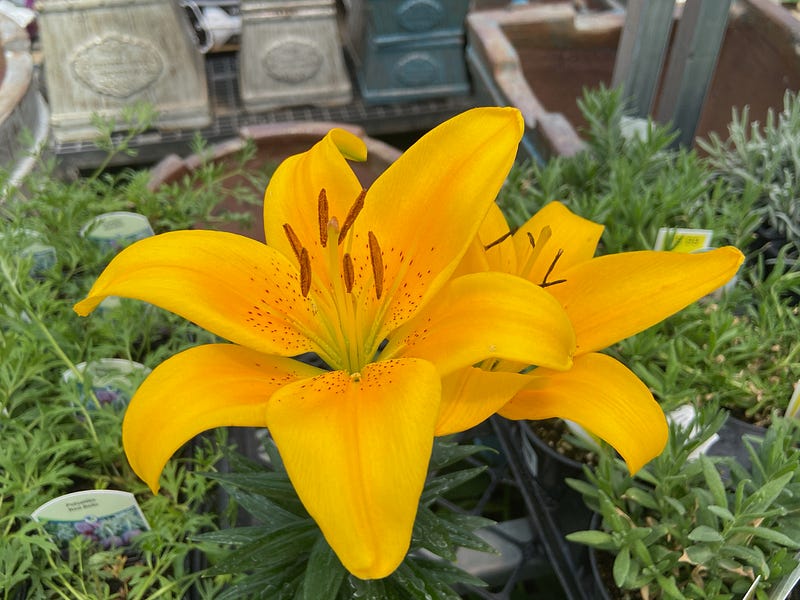
Lily. Photo by Kim Zuch.

PHOTOGRAPHY

A Walk Through the Plant Nursery

Looking for flowers that will attract pollinators

We are planting a pollinator garden at our office. Two of my coworkers spent a day building raised garden beds. I thought they were building three. We ended up with six! Now I get to fill them with plants.

They used scrap wood that’s been sitting outside, taking up space on a trailer for over a year now. These beds cost next to nothing to build, and now the trailer can be used again.

We have an old pile of mulch that’s been sitting for several years. It will break down over time, mixing with our regular dirt to create a nutrient-rich soil.
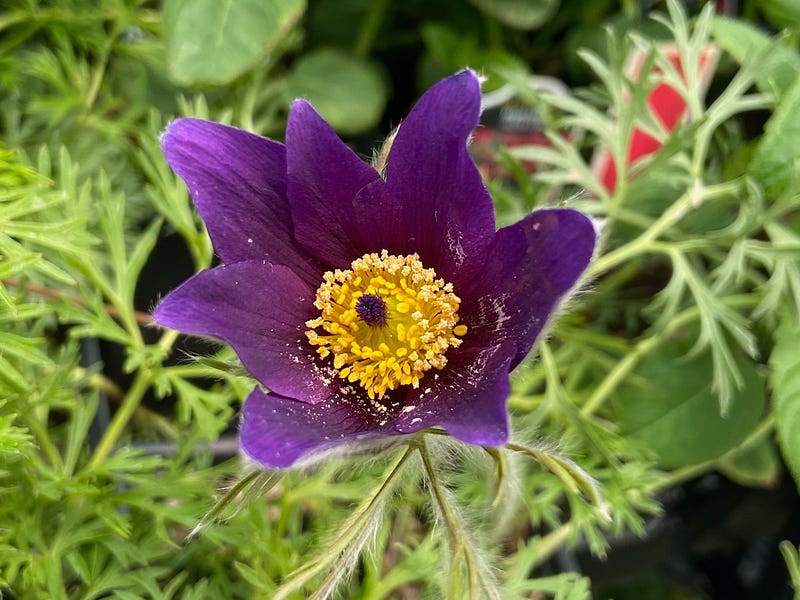
Pulsatilla (pasqueflowers). Photo by Kim Zuch.

Three of us went to the local plant nursery* to see what they had. We wanted to look at prices for the future. It was hard to focus on native wildflowers when we were surrounded by flowers of all kinds.

I couldn’t resist stopping for some pictures as we walked through the nursery.
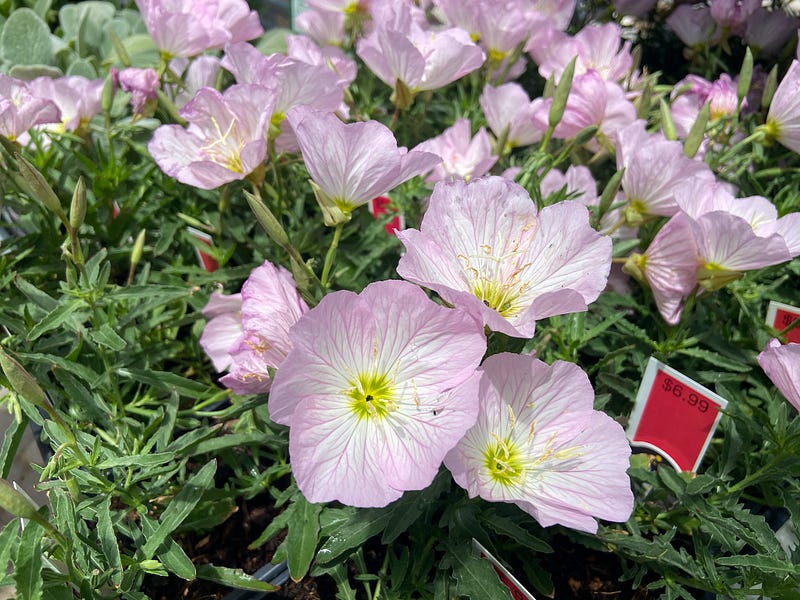
Evening Primrose. Photo by Kim Zuch.

The Evening Primrose flowers caught my eye in the native plant section. One of the workers saw us looking. She told us those flowers would probably be gone by the weekend.

We weren’t planning to buy anything that day, but I happened to have a little cash with me. We bought three Evening Primrose containers and I took them back to the office.
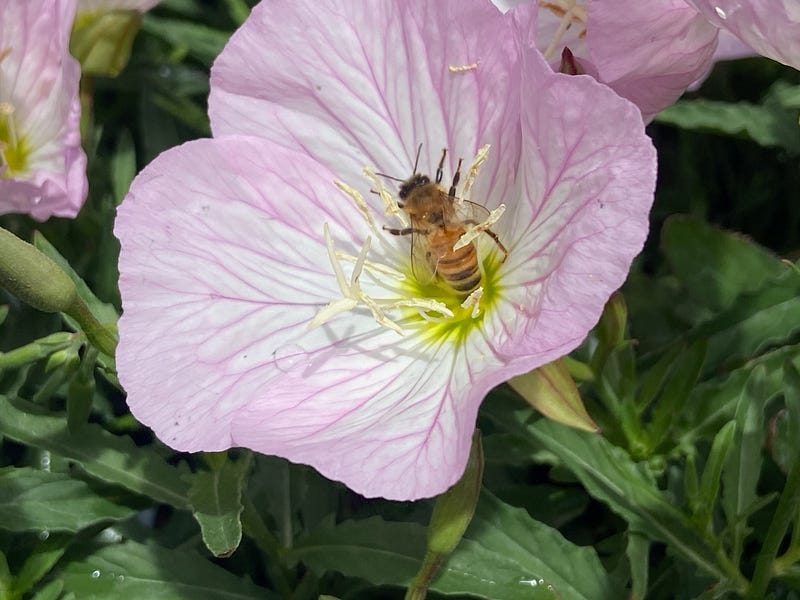
A honeybee inside the Evening Primrose. Photo by Kim Zuch.

Watching the honeybee visit the Evening Primrose flowers helped me make up my mind.

As soon as I got back to the office, I dug three small holes in a sunny area and planted the flowers. I made sure to water them right away.

When I checked on them later, a few small bees and other insects had already found them. The garden was already attracting pollinators!

*Please note: When choosing plants from a nursery, it’s important to make sure the plants haven’t been treated with neonicotinoids. These “systemic” pesticides cannot be washed off the flowers. They are found in every part of the plant, including the nectar and pollen.

According to treehugger.com, most nurseries, including those associated with large department stores, have phased out the use of these chemicals, but check the label, just in case.

Photography
Nature
Plants
Flowers
Gardening
Recommended from ReadMedium
avatarPaul - Entrepreneurial Voyager/Founder-4 startups
A Simple Introduction About Myself

A short introduction about myself.

3 min read