
A Walk In The Winter Sun
Sakchi market this afternoon
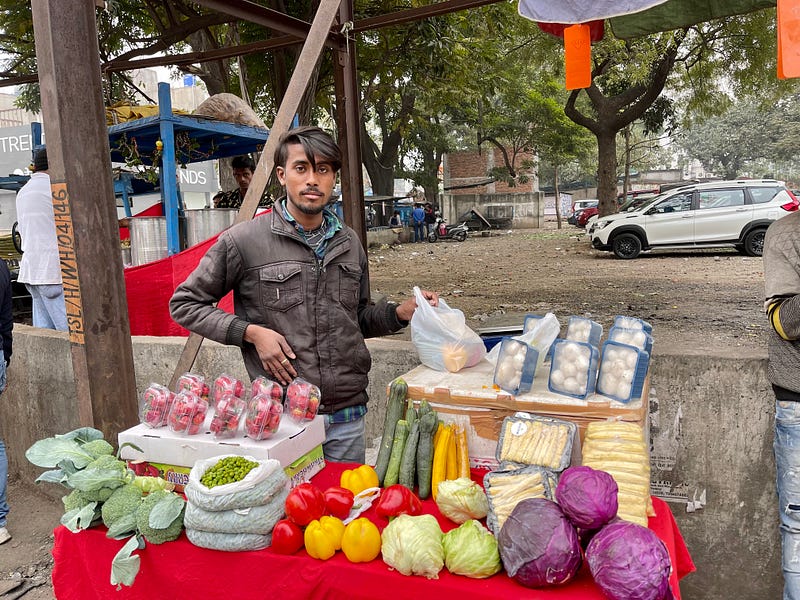
Sakchi market is the heart of Jamshedpur, India. I took these photos on my afternoon trip there. I had to give some salwar-kameez cloth for tailoring, and some sarees for a “fall” to be stitched onto their lower borders. If you find neither salwar-kameez nor saree familiar, relax and read ahead, they’re just women’s Indianwear and I’ll show you photos of them soon.
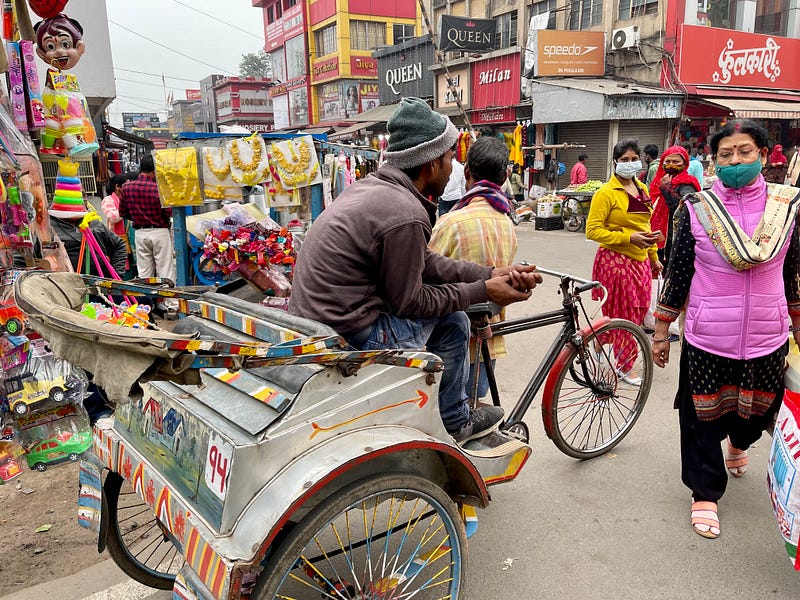
The market was crowded and most people had their masks on, in fear of having to pay a ₹500 fine. The people know that a celebration is coming up, Makar Sankranti, a harvest festival, and why aid the policemen by fattening up their official collection purse by breaking this easy-to-follow law!
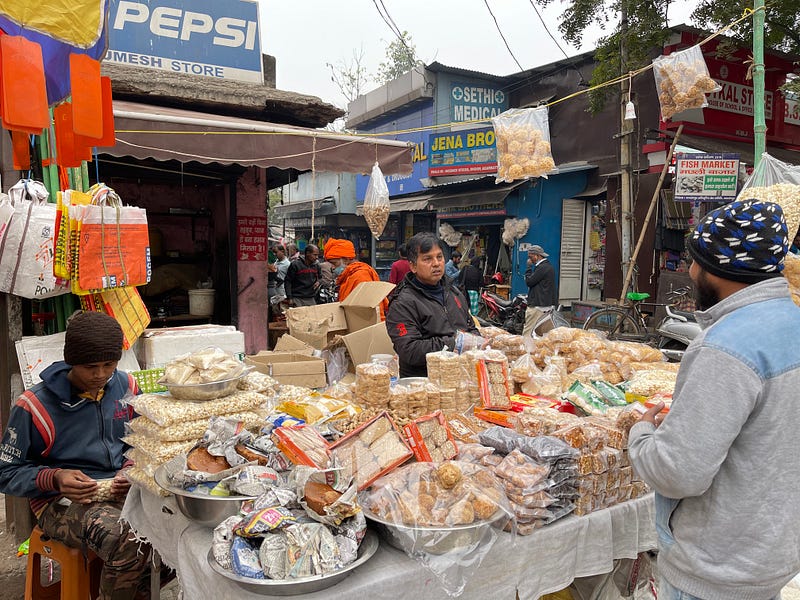
Masks stayed on because the policemen are at our heels, waiting for a helmet (for two-wheeled vehicles), masking, or seat belt violation. There might be a few in the crowd who are actually afraid of catching Covid, but from snatches of conversation between shopkeepers and their customers I overheard, I guessed that most people are denying that Omicron or Covid exist.
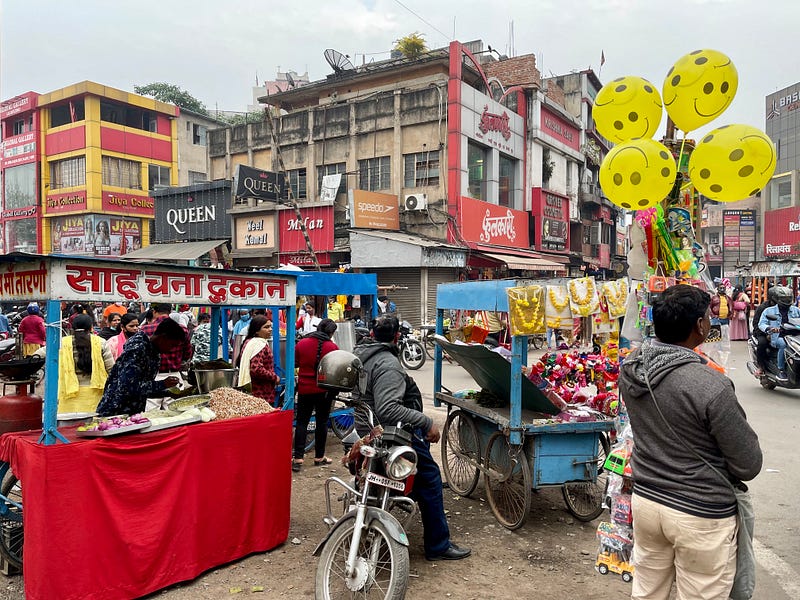
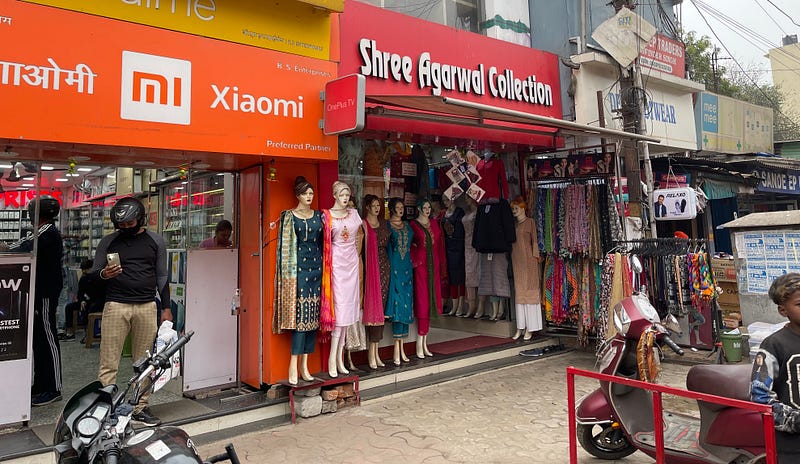
The mannequins which display clothes are kept outside shops, following the maxim, “Jo dikhta hai woh bikta hai” which means “Visibility causes sales.”
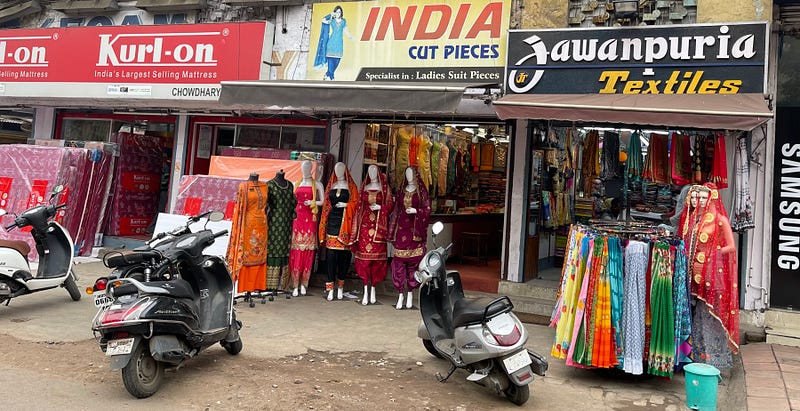
Another shop with the mannequin display has the name “India Cut-Pieces.”
This merely means that the shop sells cloth pieces that have been cut off from a bale of cloth. Some of these cut-pieces are 80 cm to one meter in length, used for blouses; or 2 meters, used for salwar-kameezes. What does an 80-centimeter cloth cut-piece look like after tailoring, and what does a two-meter cut-piece look like? Let me show you!
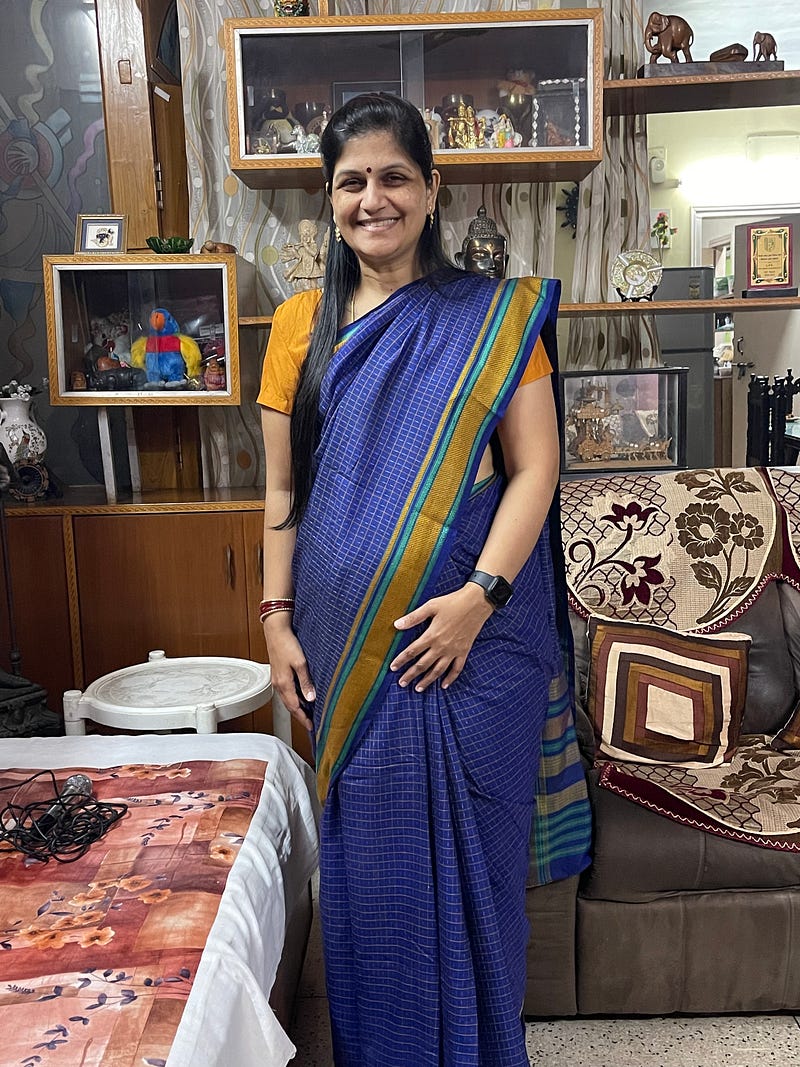
The yellow garment I am wearing is a blouse. I have paired it with a blue saree with a yellow border. A blouse requires 80 cm cloth. A saree is six yards in length and is sold in shops that usually sell just sarees. Of course, the modern malls have started to stock all-in-one solutions, where you can get a saree, get a fall stitched onto it, get a matching blouse and get it tailored all under the same roof, but the variety and lower prices offered by the shops here beat them hollow.
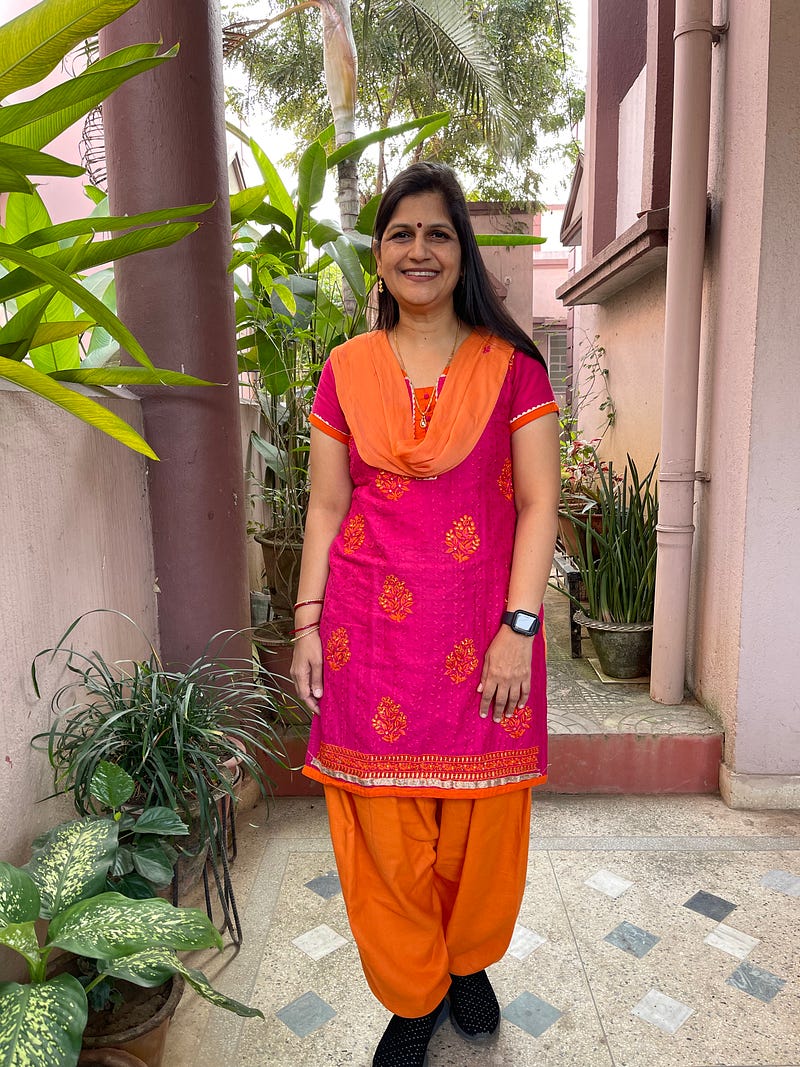
This is me, in a salwar-kameez with a dupatta. The salwar is a loose pair of trousers, while the dupatta is a stole draped over the shoulders — both are orange. The kameez is a long shirt, in this case it is pink. A kameez would need 2 meters of cloth, as would a salwar.
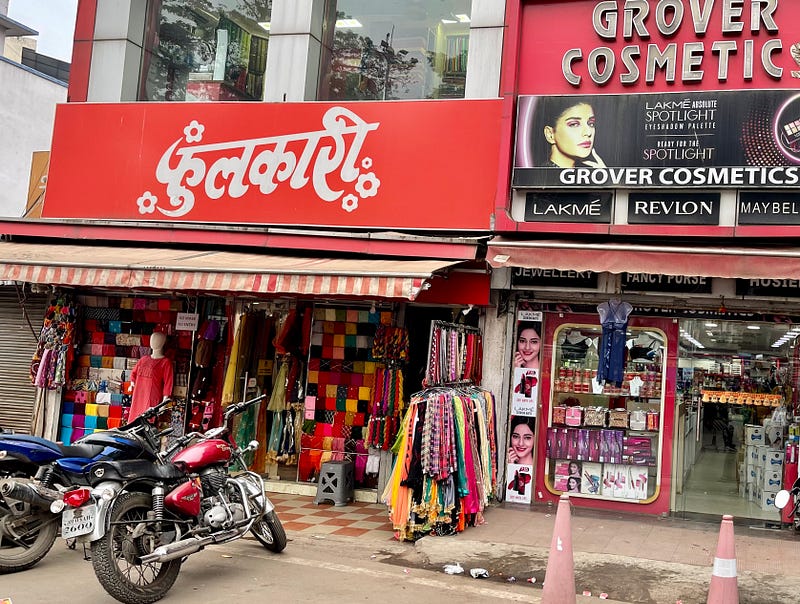
Sakchi is a busy and colorful market, which is designed to make you spend money and enjoy yourself.
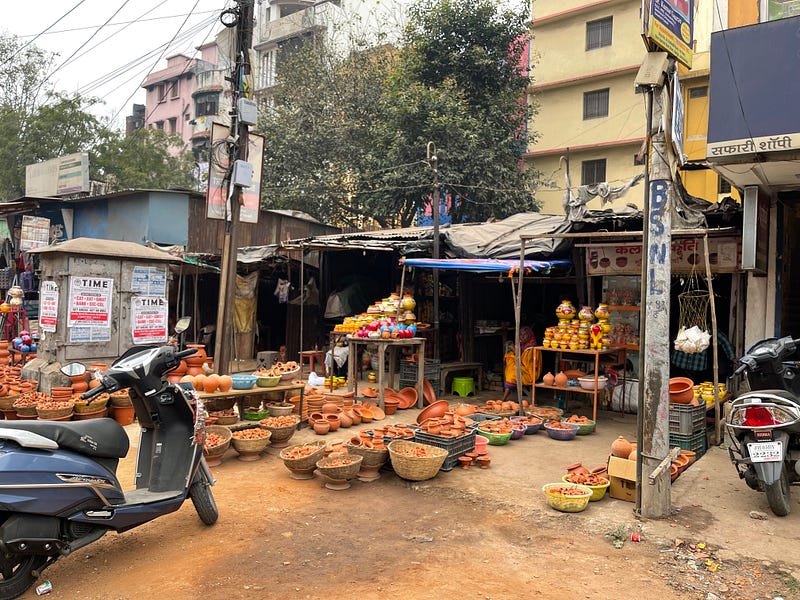
Earthenware is popular at this festive time because people cook rice in brand-new earthenware for the festival on 14 January.
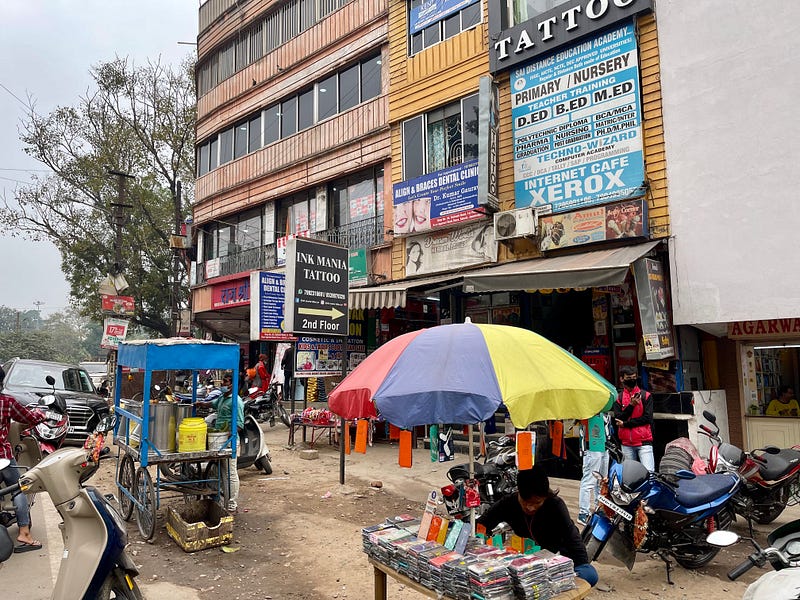
Finally, I pull myself away, after giving the cloth to the tailor. I didn’t take a single picture of his shop, because I was so busy telling him exactly how I wanted my clothes done. Indianwear looks nice because women work hard at giving tailors instructions!
The advantage of tailored clothes of course is that they are very forgiving, are comfortable, and make you look good. The angst about readymade clothes that don’t fit hardly touches us.
There was a time when I would have hesitated to bring such mundanities, such as my oh-so-ordinary trip to Sakchi today, to Medium readers. Over time, I have learned that it is these very stories that are my unique niche, and so I’ve given in. If I snap it, I write about it. If there’s something else you’d like “Roopa, the chatty dentist who bares her soul on Medium each night” to write about, do ask. Maybe it will be the next thing I write about!
https://rovikesh.medium.com/membership Here’s a referral link of mine, and if you haven’t the slightest idea of what that is, you could join Medium to read and make money from writing about what you know. Your $5 monthly membership will pay the grand sum of $2.5 into my account, and you’ll get a link like this one of your own to help promote memberships if you so fancy.


