
A True Understanding of Forensic Psychology
Unlike many believe, the discipline of forensic psychology is not as glamorous and intriguing as often portrayed on TV — at least not always
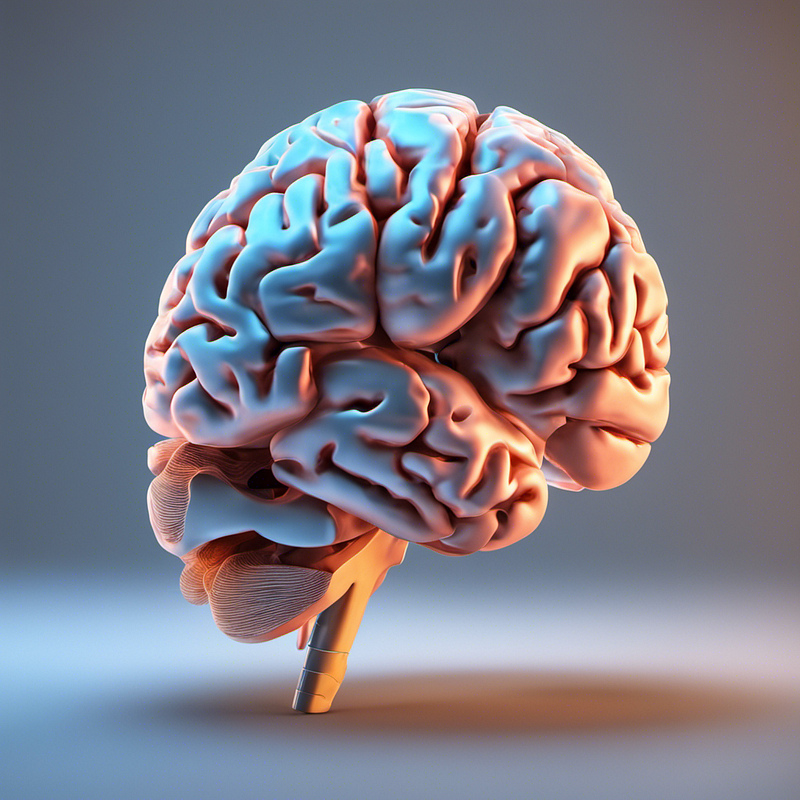
Usually, on both big and small screens, the science of forensic psychology is presented as some wildly genius Medical Examiner or a member of some elite law enforcement agency employing the craft to take down mastermind criminals.
Unfortunately, that’s rarely how it happens in real life.
I obtained my master’s degree in Psychology in 1997, about four years before the American Psychological Association (APA) recognized the specific discipline as a specialization in 2001. When that finally happened, I had to return to my alma mater — Columbia University in NYC — to take four very focused classes on the discipline to earn the right to officially call myself one of the first Forensic Psychologists in the United States. I also had to be completely recertified for the discipline once again in 2008, when the basic parameters of the school of forensic psychology were changed drastically by the APA.
Since then, I’ve had to take numerous ‘refresher’ and scientific progress courses to keep up to date with the latest techniques, discoveries, case studies, and theories — God knows there could be no psychology at all if it weren’t for theories.
Unfortunately, the discipline of Forensic Psych, which can trace its origins back to 1879 when Wilhelm Wundt first introduced its founding principles in Leipzig, Germany, has very little to do with crime scene evaluation and evidence gathering and is almost exclusively used to develop trained professionals to testify accurately in court.
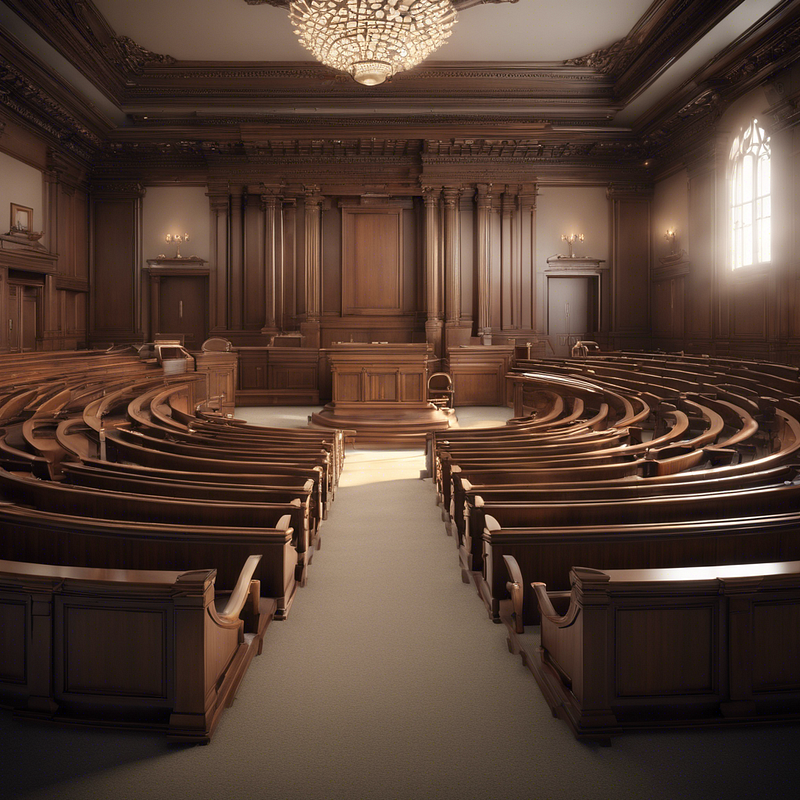
That predominant element of Forensic Psychology actually enjoys its origins from the same school where I studied it — New York’s Columbia University, in 1893, during a study by James McKeen Cattell.
That’s right, rather than traipsing across treacherous crime scenes while packing heat as seen on TV, most forensic psychologists only foray as far as the courtroom. Their primary jobs are to testify to such things as if a police officer is psychologically fit to return to duty after a traumatic event, or if a tentative parolee is suitably responsible for being released into the public.
On a good day, we may be asked to evaluate the methodology and mental hygiene of a serial killer or other such deviant personality or accused criminal and to determine if they are psychologically fit to stand trial. However, in all honesty, that’s about as sexy or dangerous as the job gets.
In reality, crime scene magic is carried out by very talented and highly skilled forensic crime scene technicians who boast a completely different educational background and skill set than my own. Very few, if any, of those extremely brilliant crime-solving CSI techs have any formal training in psychology, be it forensic, or otherwise.
Their jobs are all about applying hard science to evidence collection and then employing even harder science to evaluate that evidence in search of clues that can identify a specific perpetrator either through trace evidence, toxicology, serology, or, the Holy Grail of all evidence collection — DNA.
It’s only after all the evidence has been collected, all the possible perpetrators have been identified through that evidence, and all the necessary arrests have been made, that the forensic psychologist steps in and begins evaluating that evidence. Except under very rare circumstances, it’s only once the CSI’s jobs are done, that people like me become involved.
The process almost always begins with the forensic psychologist having at least one, but sometimes dozens of sessions with the accused. Once a comprehensive psychological diagnosis can be established according to the latest version of psychology’s bible — The Diagnostic & Statistical Manual of Mental Disorders, or DSM — the forensic psychologist can begin comparing and contrasting the scientific evidence of the case with their own diagnosis of the accused which they established through their session(s) together.
Once complete, this newly combined hybrid diagnosis will serve as the factual basis for the forensic psychologist’s official written report (diagnosis), which then can be used in depositions and testimonies in various pre-trial hearings, as well as in front of an actual jury once the formal trial begins.
As an interesting aside, many forensic psychologists are also called upon by prosecutors and defense attorneys alike to assist in voir dire — or jury selection. Very often, forensic psychologists are asked to create personality profiles on the type of juror that should be most likely to have personal views that might be most sympathetic to the side asking for the consult.
So, before you get all amped up on a good episode of CSI or NCIS — where beloved character Dr. Donald ‘Ducky’ Mallard (played by the recently deceased David McCallum), wore the hats of a forensic pathologist, a Medical Examiner, a historian, and a forensic psychologist — and decide you want to dedicate your life to becoming a forensic psychologist, just remember that people like the fictional ‘Ducky’ don’t actually exist in real life.
And if, by some chance, you’re able to find one or two of those Super-Forensic Freaks out there in the muddled field of millions of practitioners, you would be wise to at least understand how extremely rare they are. However, in my almost 30 years in the field, I’ve yet to meet or even hear of one outside of a good TV police procedural.
If you have an unquenchable taste for true crime, you should also check out Kurt’s two true crime podcasts — The Veritas 7, and Veritas True Crime which also has a sister publication here on Medium under the same name. Veritas True Crime Medium Publication is always looking for new writers to write about true crime. Do you have what it takes?
Kurt Dillon is a Medium Top Writer in Psychology, Social Media, and True Crime. He is the CEO of WOMEN — Wild Orchid Media & Entertainment Network, Inc., and is also a long-standing editor for the ILLUMINATION family of Medium publications. Kurt and his wife Crystal rescue abandoned animals and currently lavish love upon 5 abandoned and abused dogs and 6 abandoned cats at the time of this writing. Kurt’s social links and personal/professional websites are all available in his Medium bio.


