
A Trilogy that Fights the Trend with an All-consuming Second Volume
In response to the Coffee Times prompt a book that broke me
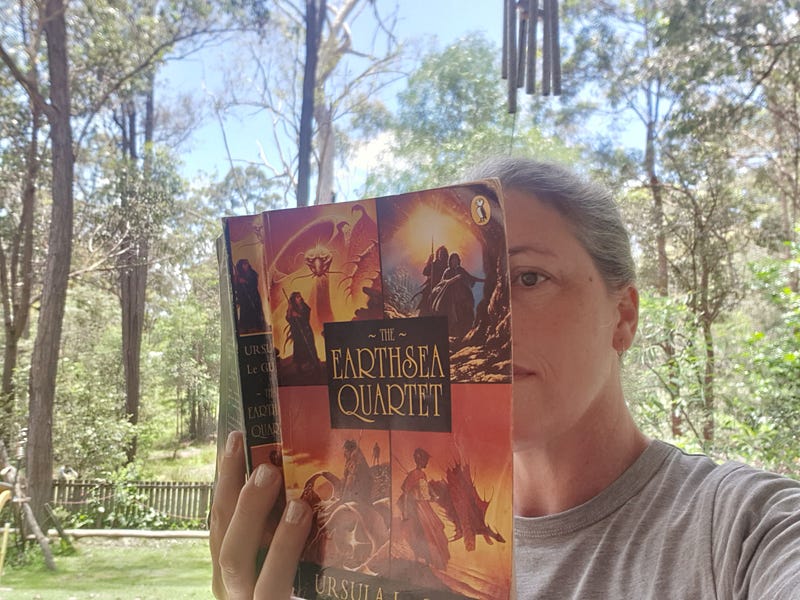
I often find that the second book in a trilogy simply fills out the first and sets up for the third, but Ursula Le Guin proves that it isn’t always so.
The Tombs of Atuan, first published in 1971, is the second book in the Earthsea trilogy, later to become the Earthsea Quartet.
This is one of the best books I have ever read. It stands alone or links beautifully with its prequel and sequel. I read through page after page, putting off other things, captured in the world of the story.
Not much really happens. The narrative is simple and like all great transformation stories it comes full circle from the first line to the last, with the inevitable gap of experience stopping the circle from joining.
It’s just excellent storytelling and suspense writing as we follow the main character, Tenar, in a coming-of-age story blended effortlessly with life lessons and a gentle push to think about cultural clashes.
I related to Tenar in a way that I hadn’t related to a character before. Isolated and alone, she reflected my experience of coming of age surrounded by people but feeling only emptiness broken by the occasional high.
The world of Earthsea is a set of archipelagos with a number of distinct cultural groups inhabiting them. There is a sense of balance and synergy apart from the disruption that is inevitable to set off the story. This disruption was familiar to me as a part of my growing up. As I grew, I saw the disruptions in my own world as I, in turn, strived for balance.
I still feel echoes of the emptiness in the atmosphere that I felt while reading. Tenar’s struggles and realisations brought me to tears more than once. The strength of the narrative forced me to reflect on deep issues and define myself.
How did it break me? It broke my comfort in my world. I don’t regret it.
From the first line in the prologue I was hooked.
“Come home, Tenar! Come home!”
Now, I find myself yearning to read it again for what could be the fiftieth time.
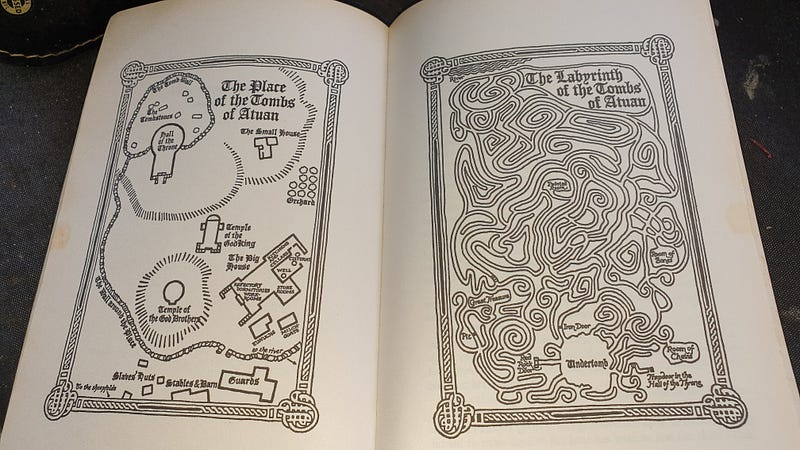
Pardon me while I go back to the Tombs of Atuan to once again become lost with a lonely girl priestess and her wizard captive in a world of disruption fighting for balance.
If you’d like to know more, you can find links to videos exploring many aspects of the novel from themes to geography in this piece by Gregory Sadler