
Maritime History
A Titanic Hero of Immense Courage
A modest man who almost died saving the lives of others
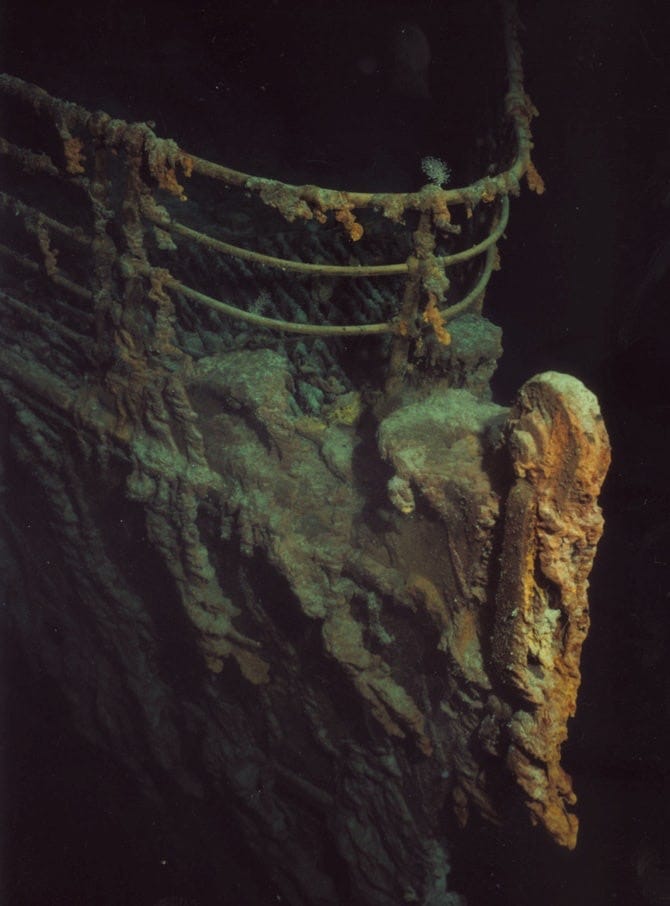
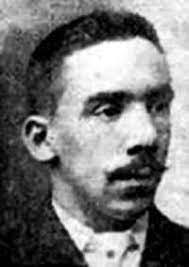
Charles John Joughin, of Birkenhead on Merseyside, was a man of great heroism and modesty, indeed so modest that many people have never even heard of him. Yet Charles was the very last man to leave the RMS Titanic, after saving the lives of heaven knows how many souls that awful night, as the Titanic ungraciously slipped below the icy cold waves of the North Atlantic, that fateful day over one hundred years ago.
Charles was a master baker for the White Star Line and was justly proud to be the head baker, with 13 other men under him, on that glorious ship that was destined for such an inglorious demise.
When the ship hit an iceberg at about twenty to midnight, Charles was off duty and resting in his bunk. He was to later recount how he had felt the shock of the ship colliding with the gigantic iceberg and immediately rose from his bed.
On hearing that the ships officers were already on the upper decks getting lifeboats ready to launch, Charles sent his thirteen men aloft with provisions, consisting of about forty pounds of bread for each lifeboat. Soon after organising that essential task, Charles made his way to the upper decks.
Reaching the life boat deck at about half past midnight, Charles joined Chief Officer Henry Wilde, next to lifeboat 10. Here Charles helped other officers, stewards and and seamen to bring the women and children through the throng to the lifeboat. However, some of the women ran away from the lifeboat saying that they would be safer on the Titanic. Clearly peering down to the cold sea many decks below filled their hearts with understandable terror. Charles was hearing none of it and ran to deck A to forcibly drag reluctant women and child survivors to the lifeboat and throw them in it.
Although he was assigned as Captain of lifeboat 10, Charles deemed that two sailors and a steward was more than enough men to handle the lifeboat and gave up his place of certain survival to an elderly woman. Accepting his fate, to go down with the ship, Charles went to his quarters to down a large glass of Irish whisky. Normally he would take that with a little ice, but he reckoned he had already had enough ice to deal with after the ship hit an iceberg.
After gulping down the fiery liquid Charles once more made his way up to the upper decks. On the Boat Deck he discovered that all of the boats had been launched and saw that there were still a great many people aboard the giant damsel in distress. Charles ran down to the A deck promenade and threw about fifty deck chairs over the side of the ship to act as flotation devices for those who might find themselves in the water.
Availing himself of a well deserved drink of water on the A deck, Charles heard a loud crash as the ship buckled. He ran across the Well Deck of the ship with a crowd running toward the Poop Deck. As the ship listed over on the port side Charles managed to clamber over to the starboard side and grabbed a hold of a safety rail from which he dangled on the outside as the ship went down.
It has been said that holding on to the rail as the ship sank inexorably to its Atlantic doom was akin to riding an elevator as it headed down to the basement. In no time at all Charles found himself in the icy cold ocean. He later claimed that his "head may have been wetted and no more." Charles was the very last survivor to have escaped the tragedy of the RMS Titanic
Once in the in the freezing drink, Charles simply tread water for about two hours, no doubt sustained by the hot Irish whiskey he had imbibed after saving as many lives as he could. As daylight broke Charles saw a lifeboat on its side and swam to it. Unfortunately there was no room on the boat and he had to be held by the hand by the ship cook Isaac Maynard as his feet dangled in the water.
In time, another lifeboat appeared and they were able to take him onboard. Eventually the RMS Carpathia appeared and rescued all souls who had managed to survive, some seven hundred and fifty men, women and children. Charles was rescued with no injury other than swollen feet.
Charles participated in the British inquiry into the tragedy, but he sought no public recognisance for his heroism. In time, he settled in New Jersey in the USA.
In the film, 'A Night To Remember', Charles was portrayed by George Rose. In the blockbuster film of 1997, 'Titanic', Charles was portrayed by Liam Tuohy.
Charles John Joughin passed away from pneumonia in 1956 at the age of 78 and was buried alongside his beloved wife in Cedar Lawn Cemetery, New Jersey.


