
A Timeline of Civil Rights in America
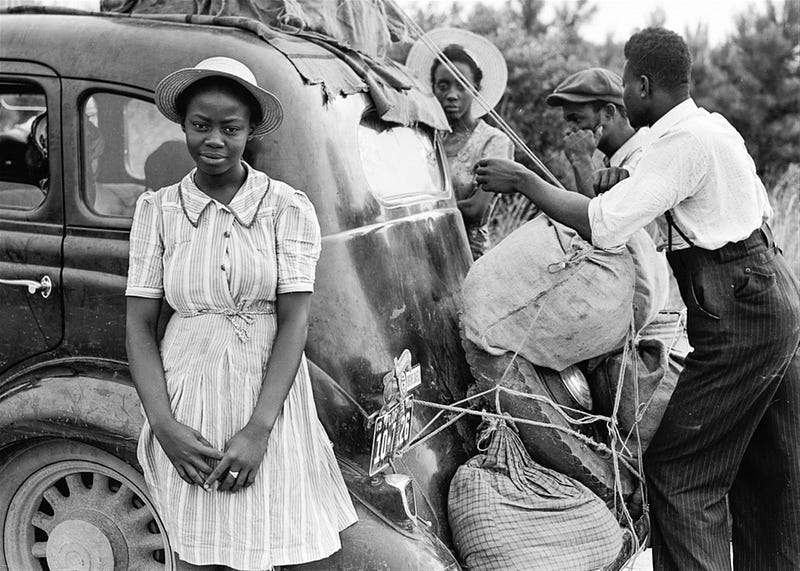
We can all see at this point that something needs to change and change in a significant way. Though the cause of equality moved in the right direction, it is not enough. I am doing postgraduate studies right now pursuing my M.A./Ph.D in history.
I have spent the last five weeks intensely studying the Civil Rights movement and the Jim Crow South. The purpose was for a research project, but I can see now that it wasn’t a coincidence.
What can we do now? What we can do to heal our nation? We must first understand the history.
For that purpose, I wrote this article to help us understand the events that brought us to the present day.
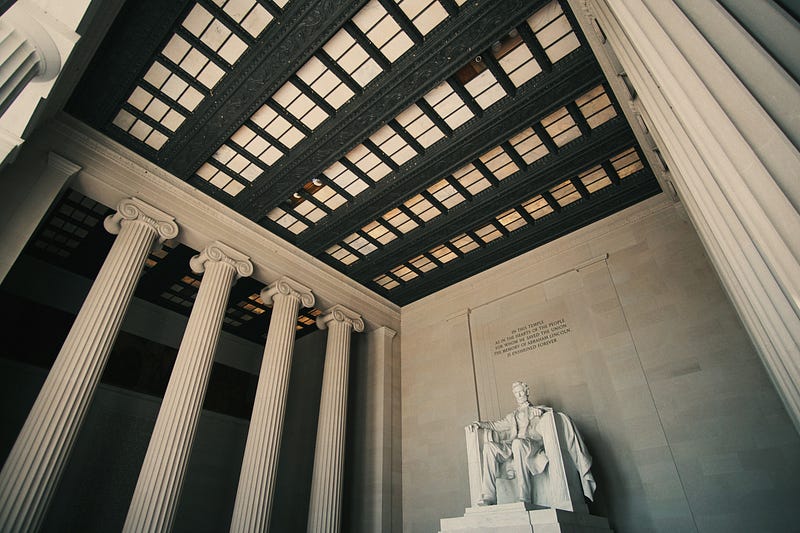
After being free from the bonds of slavery came:
1. 1868-The 14th Amendment
The 14th Amendment that offers equal protection under the law for all races and peoples, this was nice on paper, but in many or most places in the United States, it meant little.
2. 1870- The 15th Amendment
The 15th Amendment banned racial discrimination in voting, but it didn’t. In most places in the south, whatever means possible kept blacks from registering to vote. These included an unfair and unnecessary test given to them to allow them to register. The tests were written in such a way to fail them purposely.

3. 1896-The Supreme Court approves separate but equal segregation doctrine.
This doctrine is also called Jim Crow Laws and led to decades of the humiliation of black people on every level
4. 1909-NAACP founded
5. 1925-The Ku Klax Klan marches on Washington DC.
6. 1948-President Truman issues an executive order outlawing segregation in the U.S. Military.
Take note this was after blacks fought and died in both WWI and WWII for the cause of freedom and democracy. Returning home hero’s of war, they found neither for themselves.
7. 1954-The Supreme Court declares segregation unconstitutional in its ruling on Brown versus Board of Education in Topeka, KS.
In states like Alabama, the National Guard was called in to walk black students to class for their protection from angry mobs.
8. 1955-Rosa Parks was jailed for refusing to move to the back of a Montgomery, AL bus.
This jailing led to the Montgomery bus boycott, and an ordinance declaring bus segregation unconstitutional.
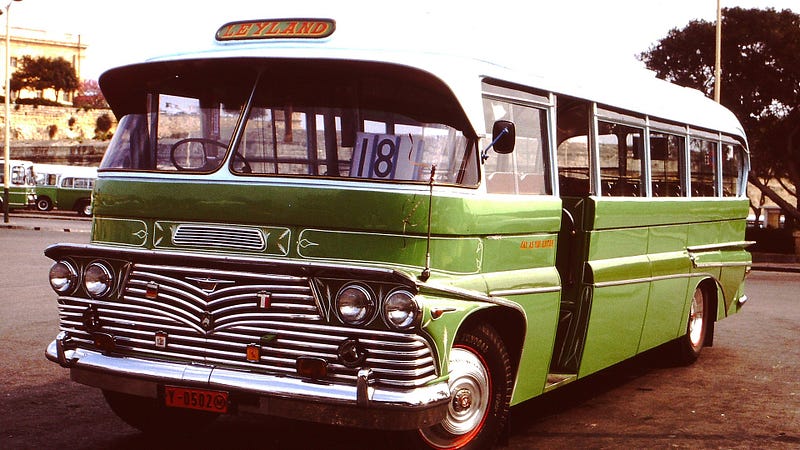
9. 1960-Four black college students begin to sit in the lunch counter in Greensboro, N.C. restaurant where black patrons are not served.
10. 1961-Freedom rides begin from Washington, DC into the southern states, student volunteers bus in to test the new laws prohibiting segregation.
11. 1962-President Kennedy sent federal troops to the University of Mississippi to end riots so that, James Meredith, the school’s first black student can attend.
12. 1963-Dr. Martin Luther King Jr. delivers his I Have a Dream speech to hundreds of thousands of people at the March on Washington, DC.
13. 1963-A church bombing in Birmingham, AL leaves four black girls dead.
14. 1965-A new Voting Rights Act, which made it illegal to force would-be voters to pass literacy tests to vote is signed.
Up until this point, it was a common tactic in the Deep South to disenfranchise voters in this way.
15. 1967-Thurgood Marshall becomes the first black man named to the Supreme Court.
16. 1968-Dr. Martin Luther King Jr. assassinated in Memphis, TN.
James Earl Ray pleaded guilty and sentenced to 99 years in prison.
17. 1968-The Equal housing Bill
The Equal Housing Bill was the last major legislation gained from the Civil Rights Era, though there were small strides gained, nothing like the previous years.
In the 1980s, the homicide rate doubled for black males between the ages of 14–17. The crack epidemic exploded. During this time, more black children died in utero or were born with low birth weight, and there was a massive increase among the blacks of weapons arrests.
Though some were able to rise through the ranks in the music industry, sports, and political positions, there remained a system set against them. Rap music spoke the language of these disenfranchised people. They were also more likely to be incinerated.
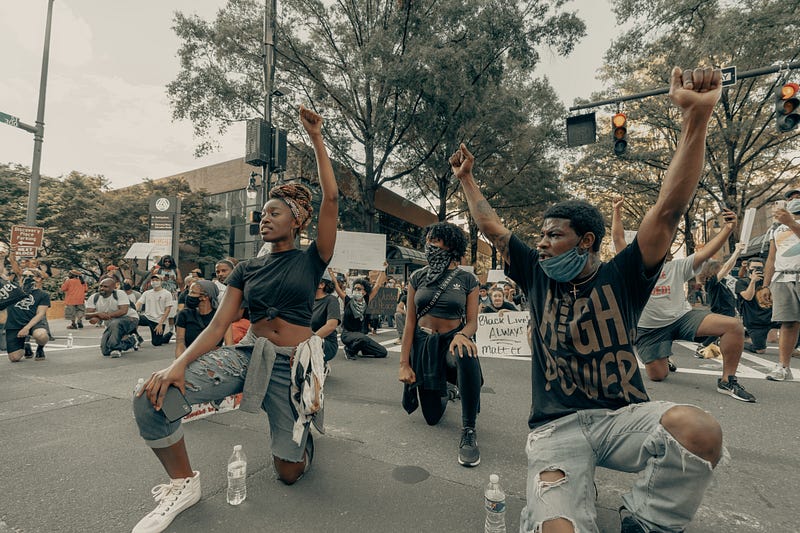
The time now seems ideal to finally finish what the civil rights era started seventy years ago. More changes need to be made than I talked about here.


