
A taste of Malta
Sunny winter days on the edge of Europe
The year was 2017 and we had travelled to Europe for the holidays and had spent a lovely Christmas with the kids. They, however, all had different plans for New Year’s Eve and so my wife and I decided to break away for a few days, to somewhere different. Even after a relatively short time in Europe during December, we were already keen for a place with more sunshine, but not too far away. Off to Malta, which looked like it would fit the bill.
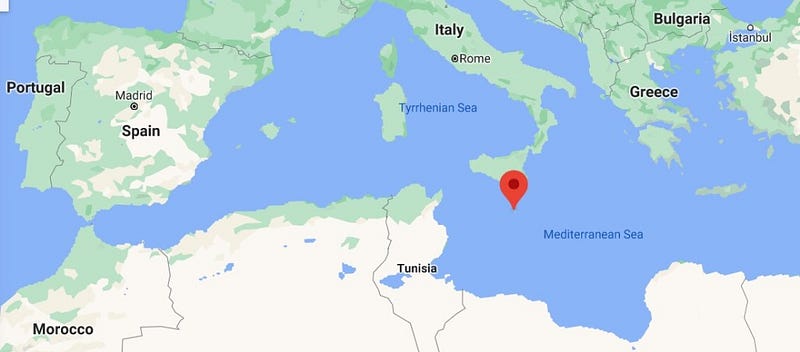
A search on Google revealed that “Malta is an archipelago in the central Mediterranean between Sicily and the North African coast. It’s a nation known for historic sites related to a succession of rulers including the Romans, Moors, Knights of Saint John, French and British. It has numerous fortresses, megalithic temples…”, etc. Clearly a place worth visiting!
Naturally, we visited some of these historic sites, but I should also mention something even older: the islands of Malta and neighbouring Gozo and Comino themselves. The various layers of rock were deposited as seabed sediments over a period between 28 and 5 million years ago. The different conditions at the time resulted in sediments that include limestone, a blue-gray mudstone and a greenish sandstone. Faulting, tilting and uplifting of these layers have eventually brought them to the surface. The limestone has been used in most of the buildings on the island, going back to prehistoric times. But let me not bore you here with an overdose of geological science: If you are really interested in the geological history of the islands, Wikipedia has a very nice summary here.
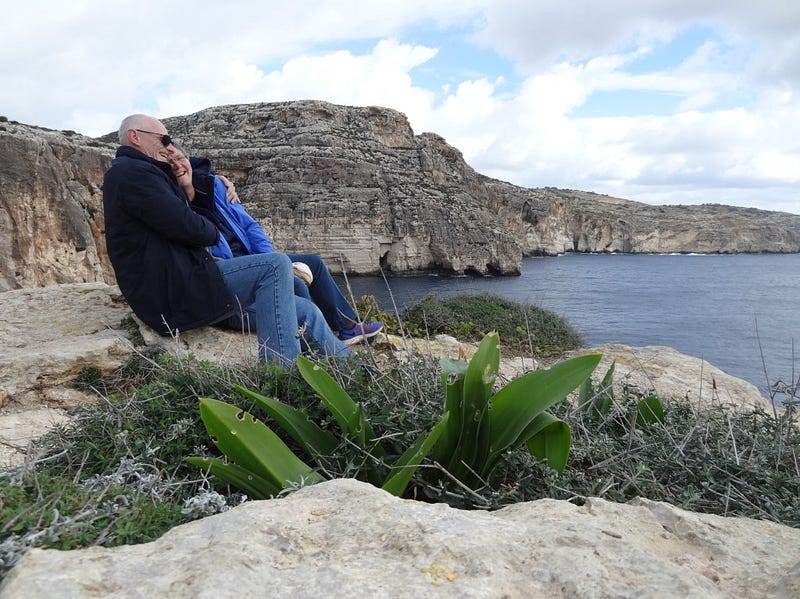
People first inhabited Malta around 8,000 years ago, coming from Europe and Africa. Living in caves and open dwellings, they hunted but also farmed, depleting the soils within a few centuries. A second wave of immigrants arrived from Sicily around 3,850 BC and were somehow inspired to build a number of impressive temples. We visited one of these, Hagar Qim, located on the southwestern coast of Malta. It’s one of the oldest religious structures on our planet and it is quite frankly astonishing that it still exists today.
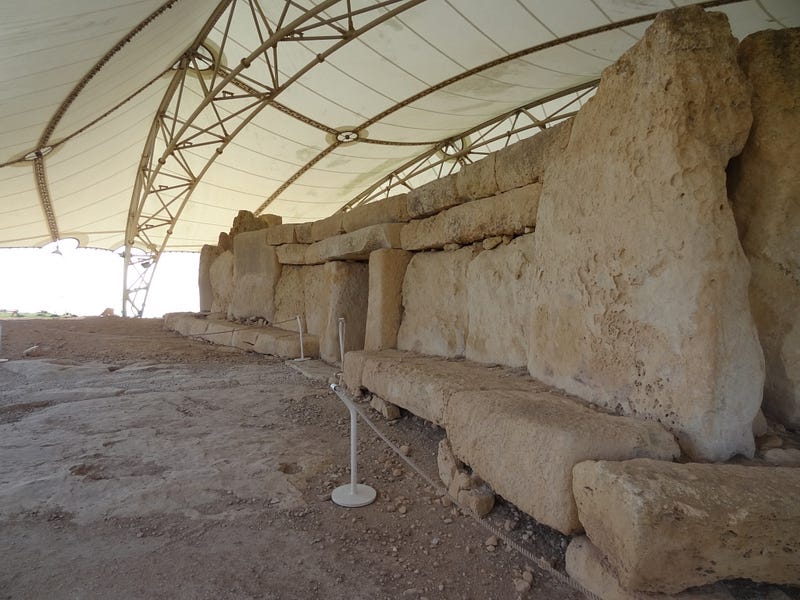
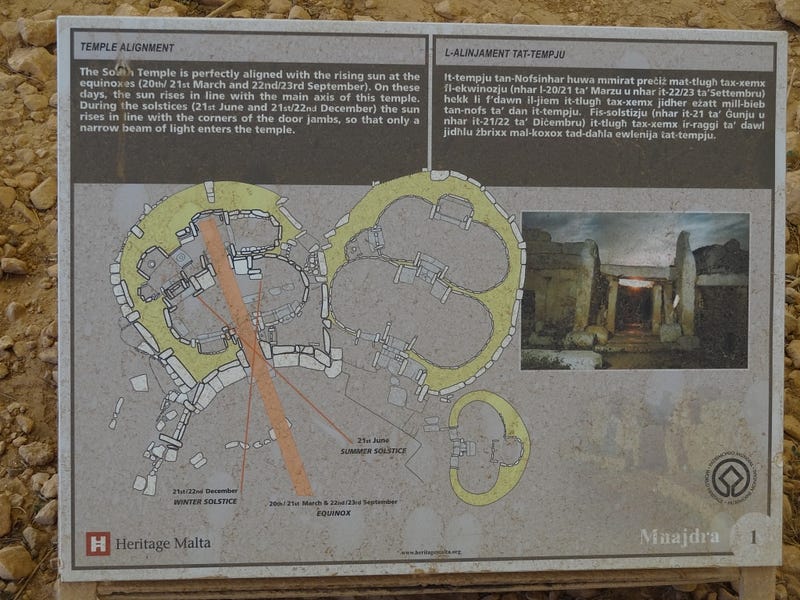
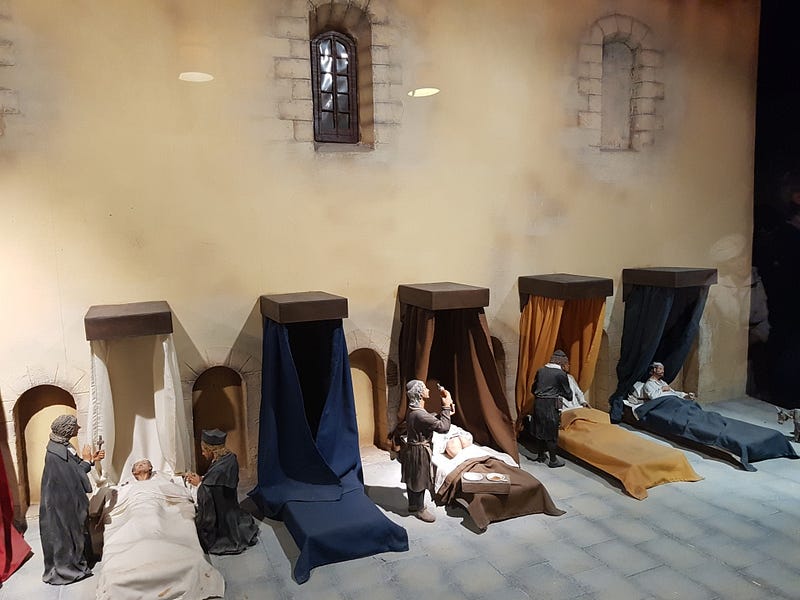
Nevertheless, knowing when the sun was where did not prevent their civilization from collapsing and the islands were subsequently inhabited by Phoenicians, Romans and North African Arabs over the centuries, eventually forming part of the Kingdom of Sicily. In 1530, they were given to the Order of St. John (also known as the Order of Knights of the Hospital of St. John of Jerusalem, or the Knights Hospitaller). More about their fascinating history behind that link, but it is worthwhile visiting one of the earliest “hospitals” that they established on Malta: the Sacra Infermeria. (I am a geologist and so I like looking at rocks everywhere, but my wife is a nursing professional and midwife, so it seemed right to learn a thing or two about nursing history.)
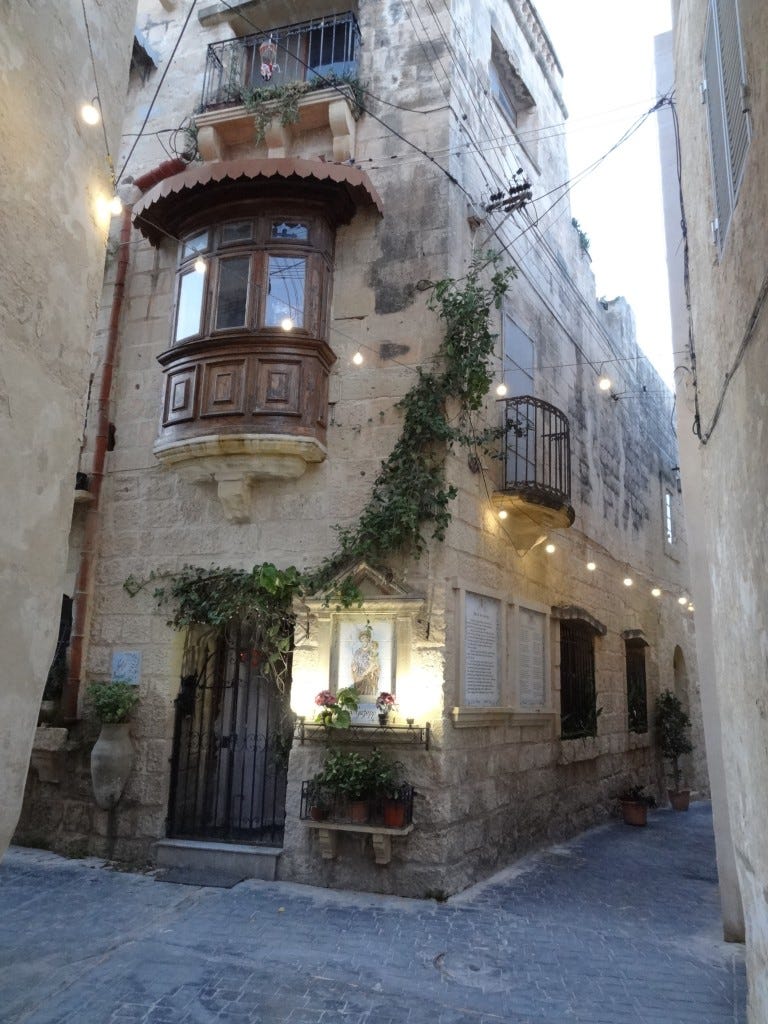
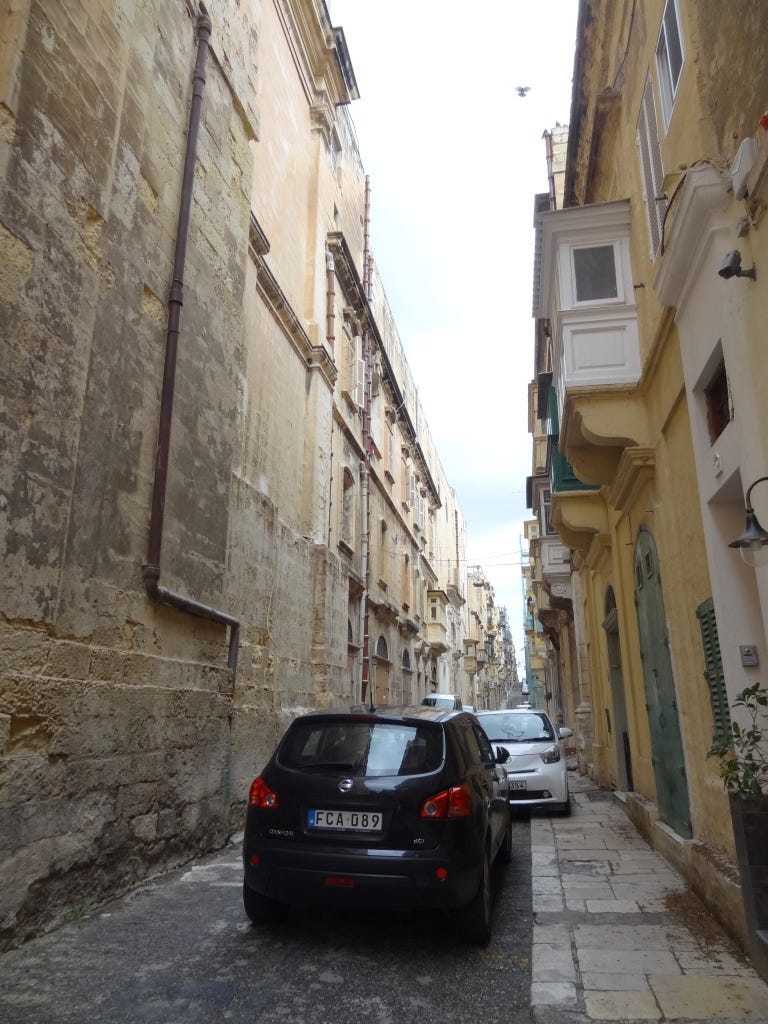
Valletta, the capital, is an interesting city. Lots of new buildings, old fortifications and narrow alleys and steps between them. I will let a few photographs do most of the talking, but by all means visit this useful tourist website if you’d like to know more about the city’s attractions.
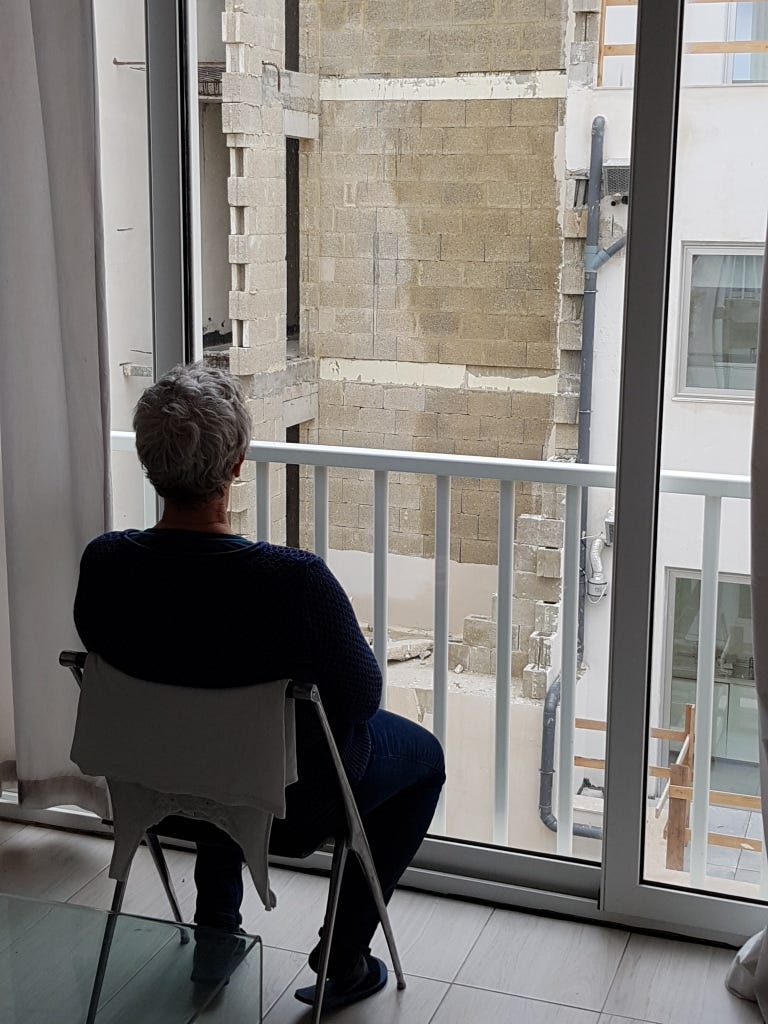
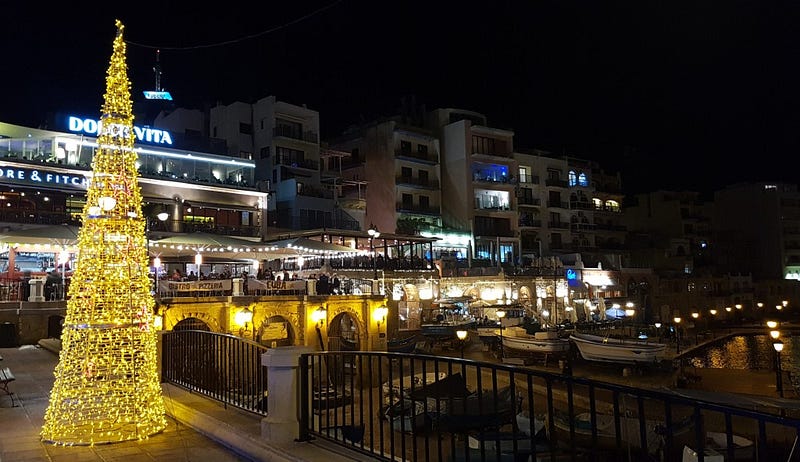
Now, having seen all those old and glorious and picturesque buildings, I must say that our own accommodations were less impressive. We’d booked an AirBnB apartment in the suburb of St. Julian’s, near Spinola Bay. Very interesting surroundings, but the apartment was … umm … not fantastic, to say the least. There were very large windows looking out onto building work and renovations that were taking place literally just a few metres away. The bathroom had no outside window and the shower did not drain properly. And the place was COLD! We had a little electric heater going almost all the time. It didn’t help that we both suffered from a bit of a cold that week.
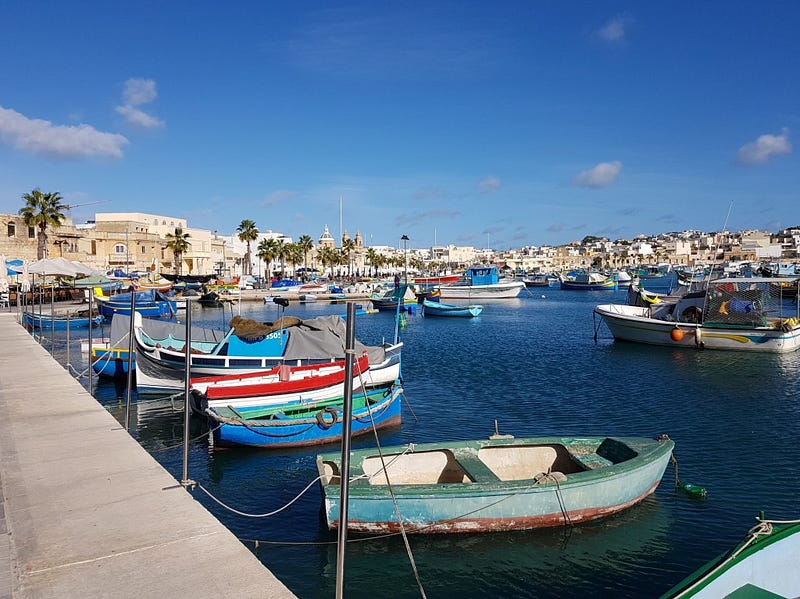
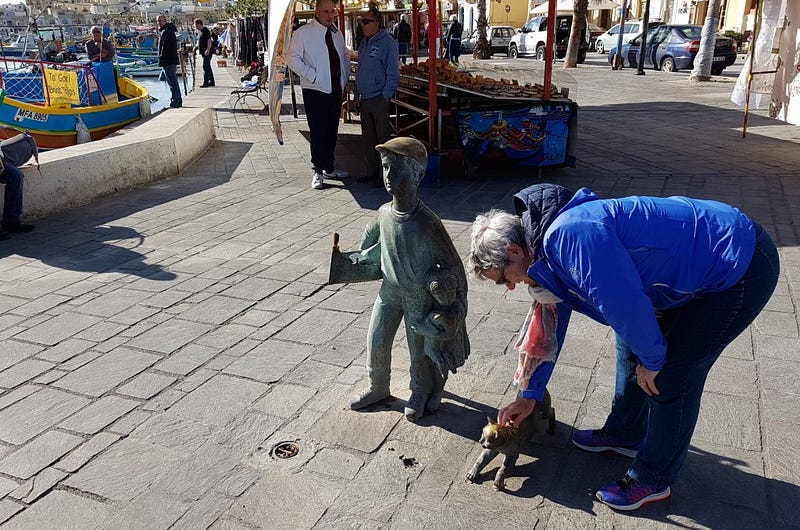
On this trip, we didn’t rent a car, preferring to use public transport (and our feet) for travelling. This was much better than trying to negotiate the traffic ourselves with a vehicle. The only problem was that at peak times there were just not enough buses. We sometimes had to see 2 or 3 full buses drive past the bus stop until there was one that would stop, offload some people, and replace them with us. (I’m sure you also know that feeling when you are not sure whether you should risk a quick walk to the next bus stop, hoping it might be less crowded there?) Even so, we managed to see quite a bit of Malta, including the sites mentioned above and also some lovely little harbour towns, like Marsaxlokk, in the South-east.
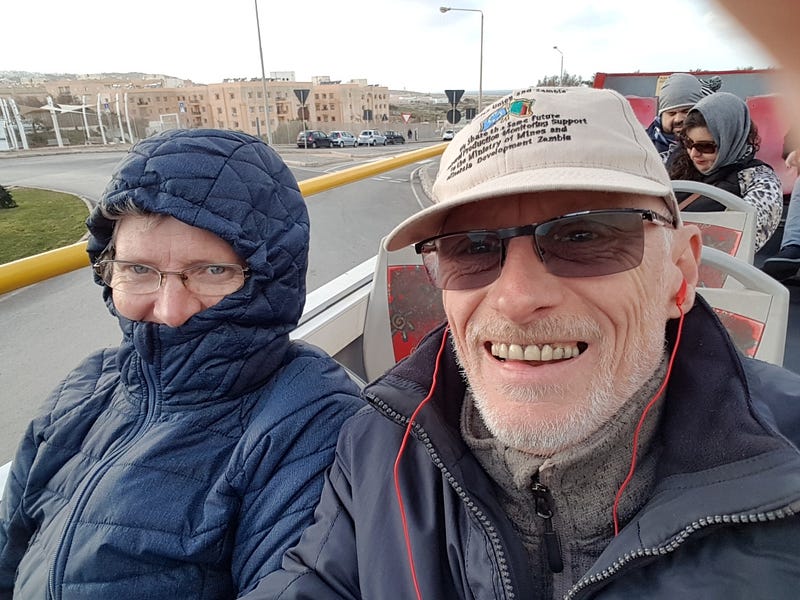
Malta (the country) also includes the islands of Comino and Gozo. The latter has a fortress and can be reached with a ferry. So, like the explorers that we consider ourselves, we just had to go there. The bus ride from Spinola Bay to the ferry terminal at Marfa Bay was uneventful, but the ferry trip was windy and rough and bumpy enough for us to stay inside. This good decision was reinforced when we saw one gentleman on the foredeck outside being completely drenched by a wave that came over the bow.
The Citadella in Gozo is an impressive building providing a grand view over the island from the ramparts. We braved the cold winds up there to take in some of the views, and then retreated down into the building itself. Also called the Gran Castello, it contains an interesting museum, with exhibits on various trades and skills from years ago, but also of household and musical instruments.
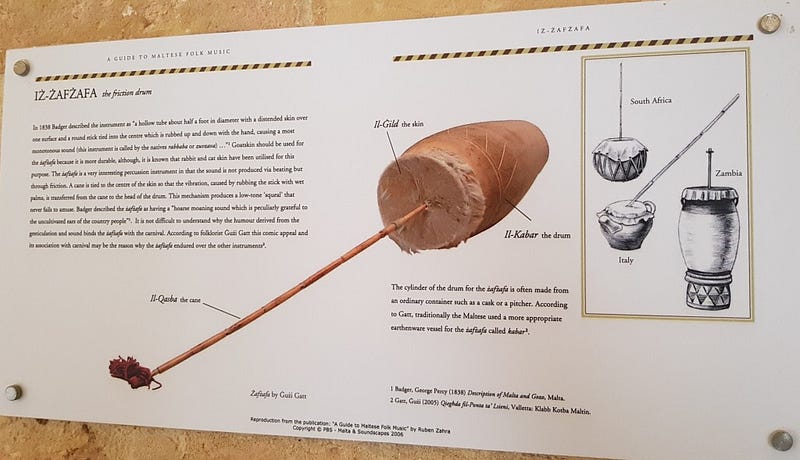
After this dose of historical and cultural information, we took a walk through Victoria (the central town) and almost overdosed on a delicious local lunch. Suitably reinforced with pastizzi (and hot chocolate, I seem to remember), we started the return journey — the bus ride back to the ferry terminal and then another bumpy voyage back to Malta itself.
New Year’s Eve in Valletta was a bit underwhelming. We first wandered along the streets of the city along with thousands of other people, and as day turned into night, we could appreciate the various Christmas lights that were still in evidence.
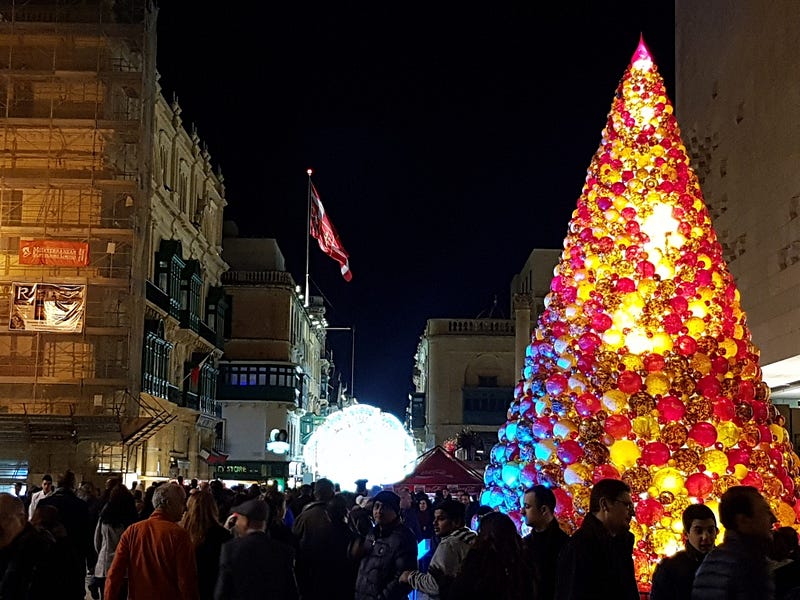
Later in the evening, the bus terminal started to fill up again and we had the brainwave to take a short ferry ride across the bay, so that we would be able to see the promised fireworks from across the water, after which we would be a few bus stops closer to our apartment. So, as 2017 turned into 2018, we watched the illuminated old buildings of Valletta from across the water, and then we saw some fireworks for about 3 minutes and that was that.
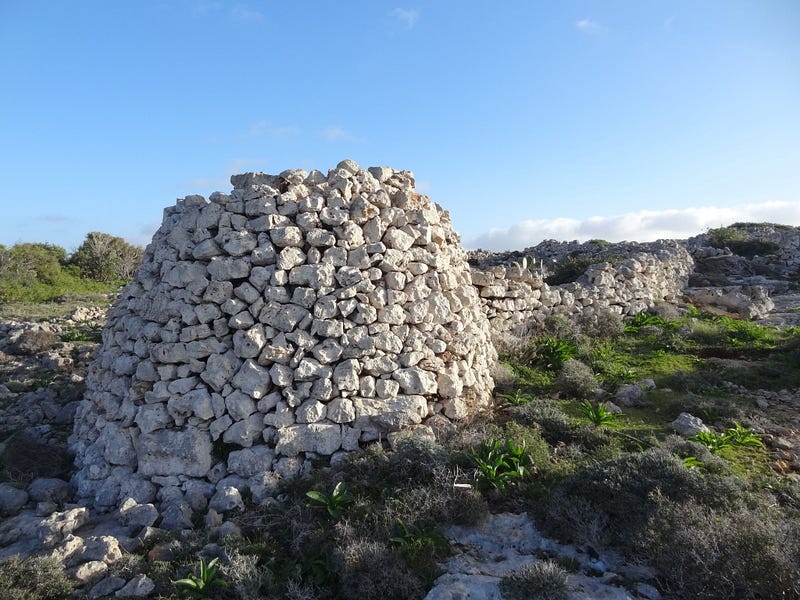
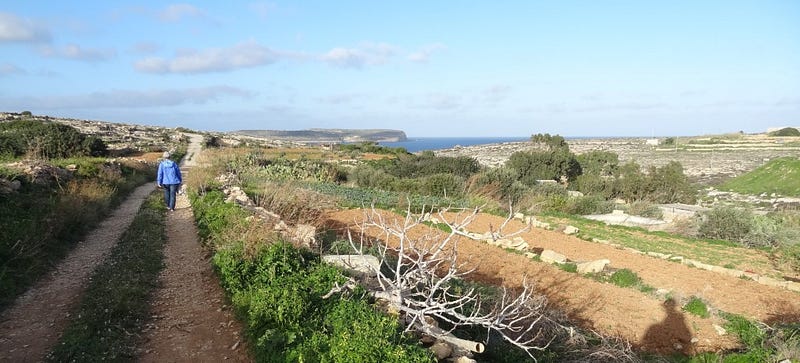
So, there you have it: some of the highlights of our short visit to Malta. If you have any interest in historical sites, in old churches and castles, very old temples, in long walks or geology, and in good food, then by all means go there, you’ll enjoy it! Just don’t expect fantastic fireworks at year-end.