A Symbol of Love: The Heart’s Evolution from Ancient Worlds to Present Day
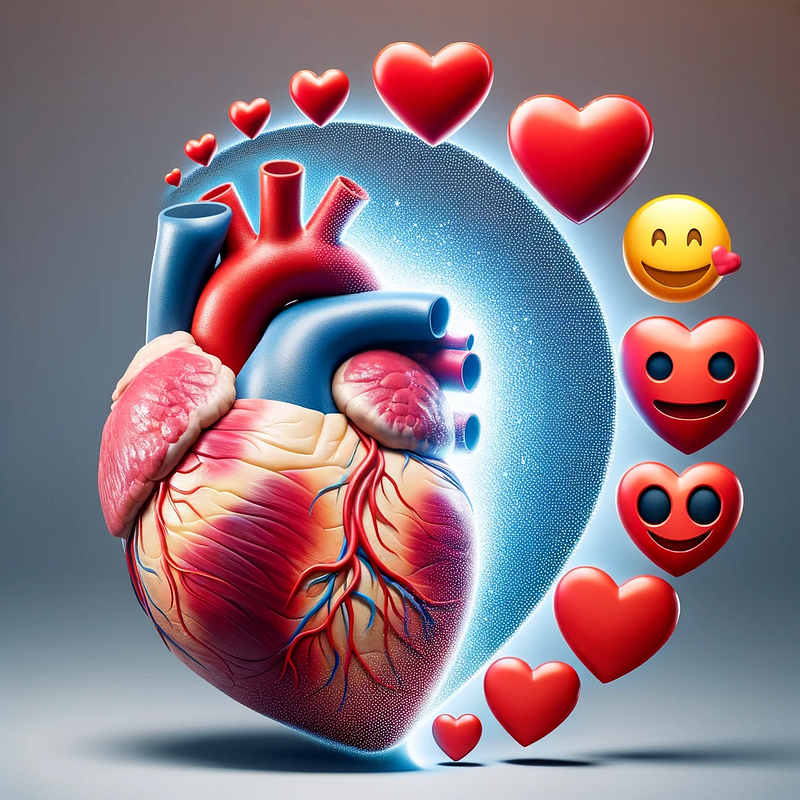
The heart symbol is a universal emblem of love and affection recognizable worldwide. But have you ever wondered where this iconic image originated?
Since Valentine’s Day has always been one of my favorite holidays and is right around the corner, I am putting out my new Scriptorium Serenity journal holiday offerings.
This activity got me thinking and prompted some recreational reading about the origin of the heart symbol. During my reading, I discovered that the symbol's history is more complex than I had imagined.
Ancient Origins
The origin of the heart symbol is unclear. Even though the heart symbol is anatomically incorrect, it seems reasonable that it originated from the life-sustaining physical organ that pounds away in our chests approximately 35 million times annually; however, my assumption is unsubstantiated.
In the fourth century B.C., Aristotle described the heart as a three-chambered organ because he considered the right atrium an enlargement or dilation of the venous system, separate from the heart. Although other body parts, including the breasts and derriere, have been cited as potential origins of the universal heart symbol, these references are not widely supported.
Religious Origins
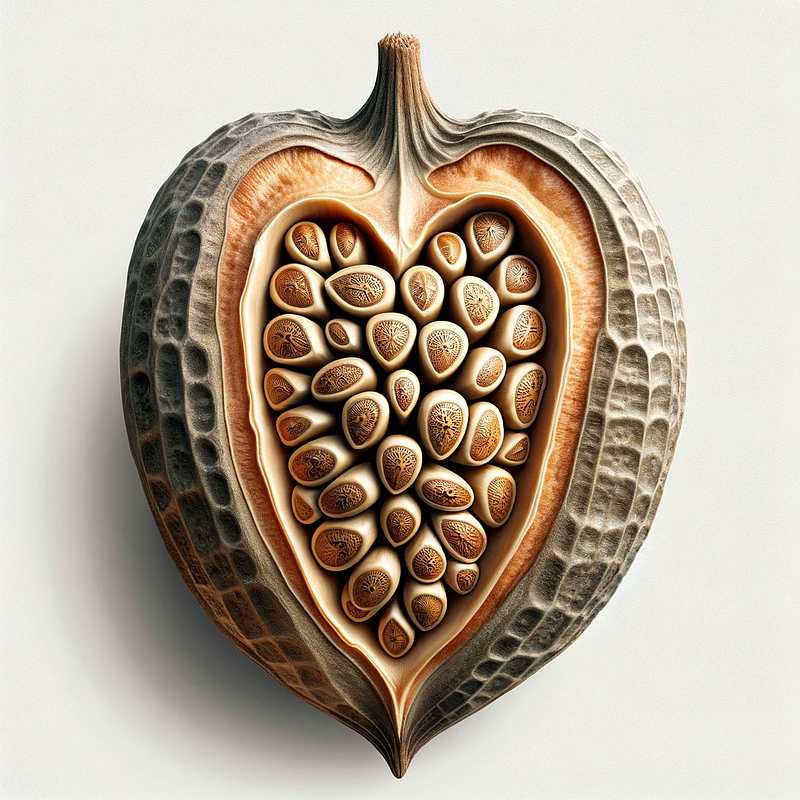
However, when we leave the realm of anatomy, alternative assertions include an origin from leaves like ivy and seeds, including silphium seeds. Silphium seeds are an ancient fennel form with multiple uses, including contraception, ironically.
In the Middle Ages, the heart symbol became more prevalent in art and literature and was often the subject of the Christian heart. The emblem represented Jesus Christ’s sacred heart and his love for humankind. However, the bleeding heart is most frequently associated with Christ’s suffering, representing deep emotional pain or compassion.
In Buddhism, the heart symbol is often used to represent the center of consciousness and spiritual awakening. It symbolizes the deeper aspects of human existence, such as wisdom, compassion, and enlightenment.
In addition to becoming a fixture in religious iconography, it was also used in courtly love literature and art, like the Roman god Cupid, where the heart symbol was linked to desire and erotic love.
Increasingly Romantic Meaning
Later, during the Victorian era, we saw many locks in the shape of hearts, symbolizing unlocking one’s heart. Jewelry in the heart shape also became very popular for romantic gifts.
Funny enough, I, too, received a gift of hearts on a ring, not once, but on two separate occasions from my childhood sweetheart. The first heart ring was a promise ring when we were in high school, and the second was over dinner at Houston’s for a Valentine’s Day gift when we were adults, although we were not yet married.
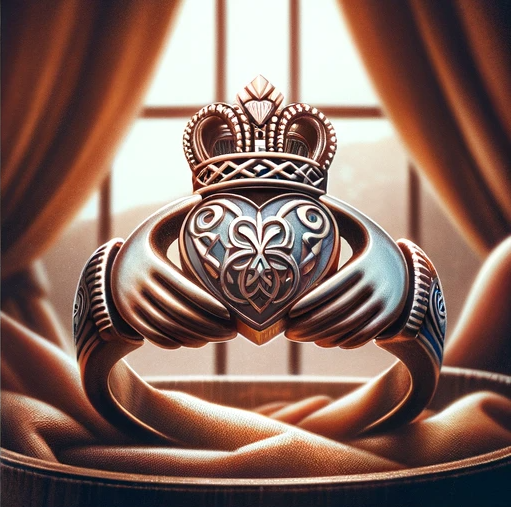
Neither were Claddagh rings, as depicted below, but they were still cherished. The Claddagh ring originated in Ireland and represents love, loyalty, and friendship.
Playing Cards and Valentine’s Day
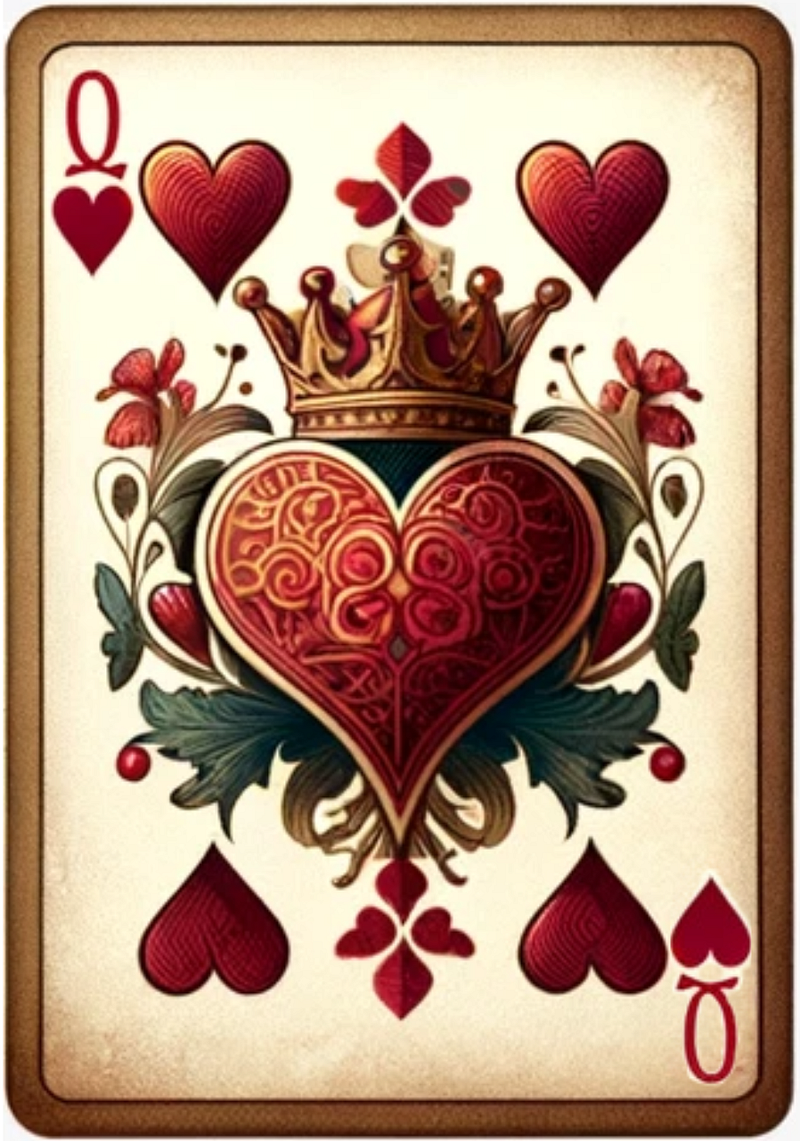
Now, I am an avid card player, playing poker, cribbage, spades, and, of course, hearts. I can envision the bustling taverns and candlelit parlors of 14th-century Europe, where the shuffling of playing cards interrupts the music playing in the background, ushering in a new era for the heart symbol.
Amidst the quartet of suits, the heart emerged a graceful crimson emblem with curved contours and a vibrant hue. I fancy the heart symbol on the cards reinforced notions of romance and chivalry in the collective imagination.
As the centuries passed, the heart’s journey entered the intimate corners of 17th and 18th-century life. The heart was now transformed into a poignant messenger of love.
Valentine’s Day, a celebration of romantic affection, saw the heart symbol blossom in its role. Love-struck individuals exchanged meticulously crafted heart-shaped tokens, each a testament to their devotion. These gifts, often adorned with delicate lace and imbued with heartfelt verses, became cherished symbols of love’s enduring nature.
As two souls shared these tender expressions in these moments, the heart symbol transcended its origins, becoming an enduring emblem of love and affection that would echo through the ages.
Present Day
Nowadays, the heart symbol is synonymous with love and emotion. It is used in various mediums and contexts ranging from decorations to our emojis, with the heart being one of the earliest emoticons.
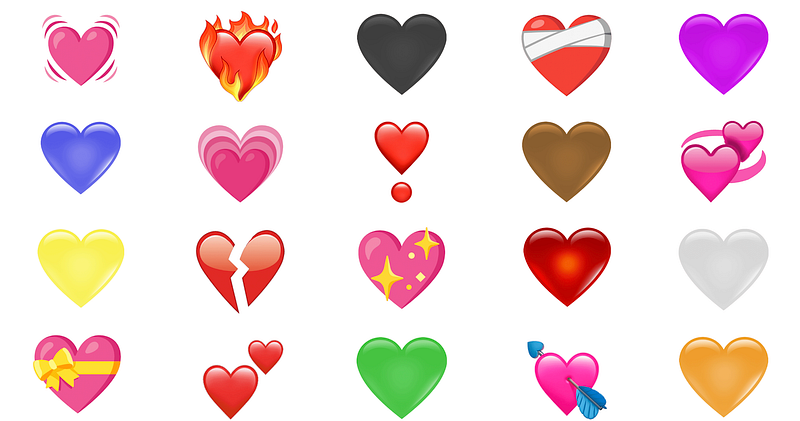
It certainly got a boost from Shakespeare romanticizing it with the use of the symbol to represent love in his plays. Today, the heart symbol has transcended all culture and historical boundaries as a symbol of love and devotion.
Love is very complex, so it seems fitting that the heart symbol has a complicated history. From its ambiguity emanating from nature and anatomy to its use in art, literature, and pop culture, the heart symbol is here to stay universally. The heart symbol has provided proof of its timeless appeal.
The universality of the heart symbol reminds us of our interconnectedness in history, culture, and emotional expression. So, the next time you see this symbol, consider its evolution over the centuries, shaping how we recognize it today.

I hope you enjoyed this trip down memory lane. Please highlight, clap, share, and subscribe to support me further! You can also feel free to buy me a cup of coffee! I am incredibly grateful you took the time to read this! Thank you!