avatarMatthew David

Free AI web copilot to create summaries, insights and extended knowledge, download it at here

2309

Abstract

o photograph the sunrise.</p><figure id="a3f4"><img src="https://cdn-images-1.readmedium.com/v2/resize:fit:800/0*5oiraf1msRpOx2on"><figcaption><i>A panorama of the Numbur Himal range, with Everest, Lhotse, and Makalu visible (just barely) in the right-third of the image. | Photo by the author</i></figcaption></figure><p id="f362">After some time, the debate was joined in the attempt to identify the peaks we beheld. Everest and Makalu were identified easily based on their distinctive features, but the farther peaks were harder to discern. Dhaulagiri was some 300km away after all, and was that actually Cho Oyu that we were seeing out beyond Numbur?</p><figure id="82cd"><img src="https://cdn-images-1.readmedium.com/v2/resize:fit:800/0*Z55s4amw6CqJ9MuC"><figcaption>The team affixing new strands of prayer flags | Photo by the author</figcaption></figure><p id="d892">With no shelter from the biting winds, my previously full camera batteries died out one by one as I photographed my companions, who by now were focused on stringing up prayer flags blessed by the 108 lamas at Boudhanath Stupa in Kathmandu. As they battled the winds to secure these sacred strands in the newborn light, I started to lose all sensation in my fingertips. Letting go of my obligation as the expedition photographer, I surrendered to the elements, returned my camera to my pack, and buried my hands in my trousers as I joined my companions to silently take in the panorama before us.</p><figure id="ddf7"><img src="https://cdn-images-1.readmedium.com/v2/resize:fit:800/0*_bOa0u-GQ8yIzcn2"><figcaption>Mingma Sherpa affixing prayer flags to the summit cairn | Photo by the author</figcaption></figure><p id="9d4e">Mingma Sherpa, a veteran trekking guide and father of two boys balances precariously on a pole jutting out from the summit cairn as he fixes our strands of prayer flags in fierce winds. Mingma hails from the village of Chaurikharka in the Solukhumbu region. While being native to the Solukhumbu, the specific trail we are scouting is new to Mingma as well.</p><figure id="de29"><img src="https://cdn-images-1.readmedium.com/v2/resize:fit:800/0*aAcdupwjRDZmPfYI"><figcaption>Lakpa and Ongchu Sherpa | Phorto by the author</figcaption></figure><p id="d842">Lakpa Sherpa and Ongchu Sherpa were our porters on this

Options

expedition, and hail from nearby villages. On top of bearing backbreaking loads along the trail (carrying our tents, food, and cooking gear), they set up and broke camp; secured water; cooked delicious meals; and brought us tea and coffee to warm us in our tents in the early mornings.</p><figure id="b8d3"><img src="https://cdn-images-1.readmedium.com/v2/resize:fit:800/0*K0sr6TGtlgtbONxU"><figcaption>The team | Photo by the author</figcaption></figure><p id="944e">Setting our sights nearer at hand, we looked out across a gilded distance to try and glimpse a trace of our intended path ahead, to the sacred lake of Dudh Kunda and into the heart of Shangri-La. With our path now in view, we felt called to continue onward and shouldered our packs once again. We began our descent of Pikey Peak with the stars of our ascent traded for the remote warmth of a December sun.</p><figure id="bf67"><img src="https://cdn-images-1.readmedium.com/v2/resize:fit:800/0*73DaRRLeRKF37hEc"><figcaption>Photo by the author</figcaption></figure><p id="774b"><i>Our purpose on this journey was to document and define a new “impact trekking” route. The Buddhism Sanctuary Trail is a new 8-day trek in Nepal’s Solukhumbu region. It’s the perfect trekking destination for those who desire to travel ‘off the beaten path’ and avoid the congestion along the route to Everest Base Camp in Khumbu. Stunning Himalayan vistas abound, and the trail visits and benefits several noteworthy Tibetan Buddhist Monasteries. Other challenges are presented, however, as half of the stages require wilderness camping, where water can be difficult to find in winter.</i></p><p id="d121">Matthew Nelson is an American travel photographer and writer from Des Moines, Iowa. An advocate for sustainable travel, he has photographed responsible tourism initiatives in nine countries, notably in the Western Balkans, India, and Nepal, and is passionate about creating opportunities to travel with a positive impact to both the environment and local communities. His work has been published in National Geographic Traveller Magazine, Resonate (Norway), and For Good (UK). You can follow his blog on transformational travel at <i>mearcstapa.com</i>, and find him on Instagram as @mattnelly.jpg</p><p id="f27c">Thank you for reading.</p></article></body>

A Sunrise in Shangri-La

Trail Scouting with Sherpas in Eastern Nepal
Summit of Pikey Peak: Pikey (pronounced “Pe-Kay”) Peak stands at an elevation of 13,336 feet, and is said to offer Sir Edmund Hillary’s favorite view of Mount Everest | Photo by the author

A second falling star burned out above me as I pushed myself onward in a howling wind toward the summit. Judging by the faint, twinkling lights of their headlamps, I could tell that the Sherpas were just a little bit behind me: Mingma, our guide; as well as our porters, Lakpa and Ongchu, who carried all of our food and cooking and camping gear for the nights spent in the wilds of the Himalayas. Even with all my layers on, the wind bit through to my bones, and I urged forward breathlessly in the dark, up stone steps on a frosty morning.
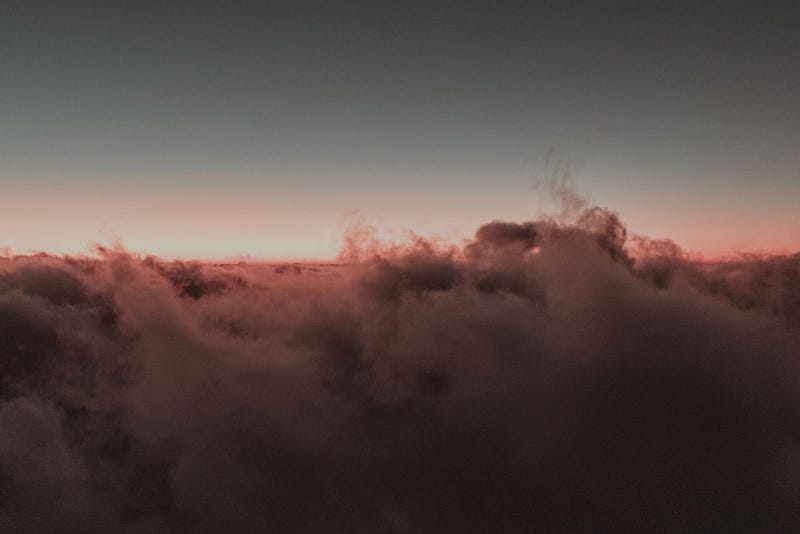
Sunset above the clouds seen from Pikey Base Camp. | Photo by the author

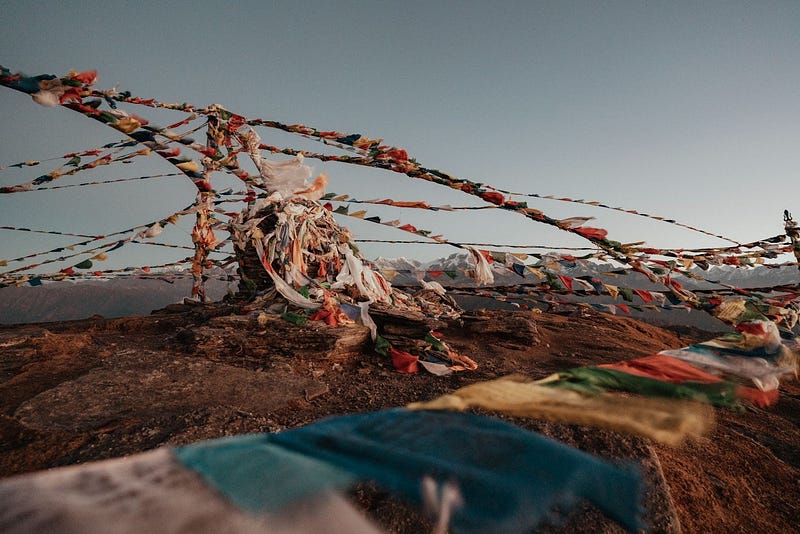
The sound of hundreds of prayer flags rippling fiercely in the wind signaled my arrival at the summit cairn. These multicolored hallmarks of Tibetan Buddhism were sending out prayers and peace on unforgiving winds to the far corners of Earth. Slowly, their colors materialized in the dawn as I was joined by the Sherpas and my friend and fellow trail scout — Kevin, from Halifax, Nova Scotia.
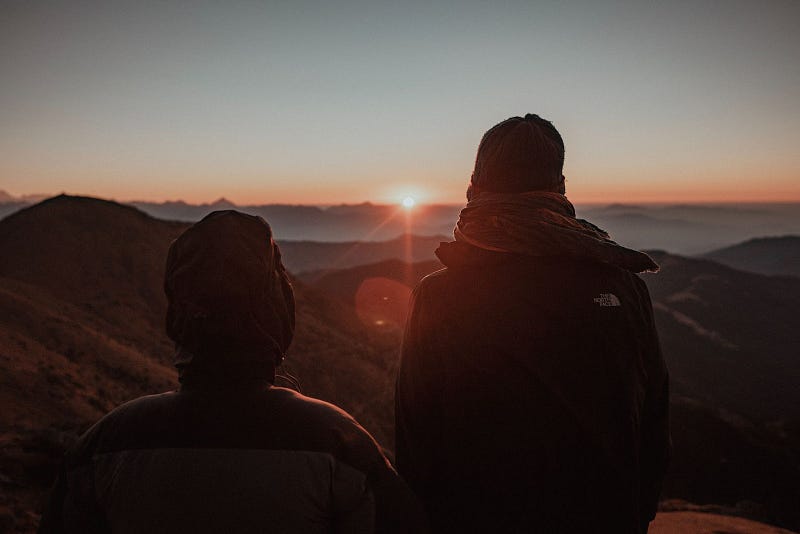
Mingma Sherpa, and Kevin | Photo by the author

We then set down our packs to await the sunrise from the only peak on Earth known to command a view of eight of Earth’s ten tallest mountains: Everest, Kanchenjunga, Lhotse, Makalu, Dhaulagiri, Cho Oyu, Manaslu, and Annapurna. As light flooded into the eastern sky, I removed my gloves and turned my camera on. The sheer cold of the ascent had completely frozen my freshly charged battery, so I reached into my pocket to find a warmer one to replace it, and readied myself to photograph the sunrise.
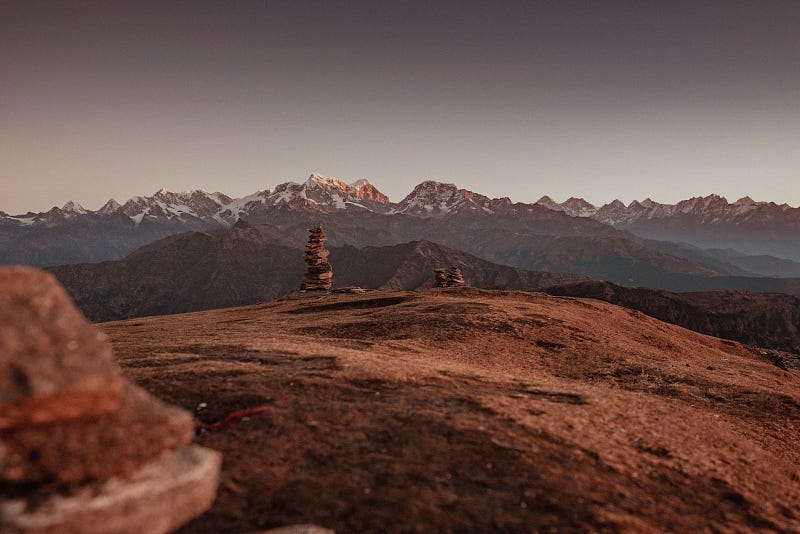
A panorama of the Numbur Himal range, with Everest, Lhotse, and Makalu visible (just barely) in the right-third of the image. | Photo by the author

After some time, the debate was joined in the attempt to identify the peaks we beheld. Everest and Makalu were identified easily based on their distinctive features, but the farther peaks were harder to discern. Dhaulagiri was some 300km away after all, and was that actually Cho Oyu that we were seeing out beyond Numbur?
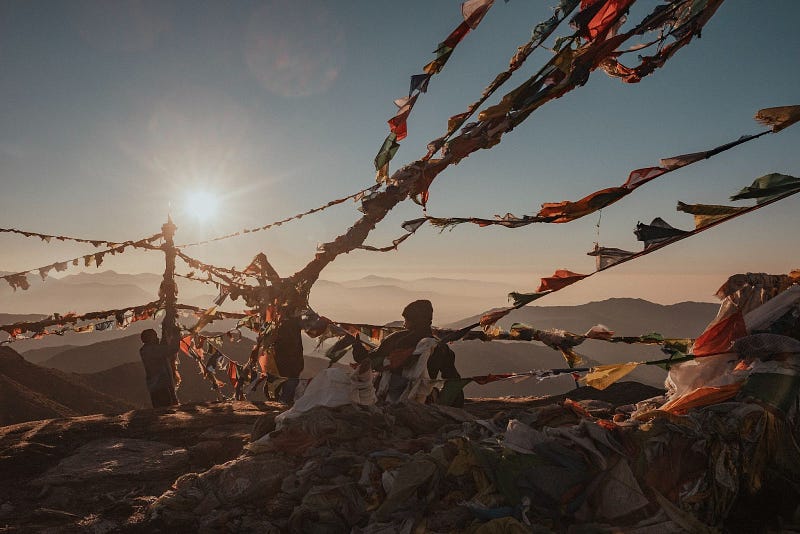
The team affixing new strands of prayer flags | Photo by the author

With no shelter from the biting winds, my previously full camera batteries died out one by one as I photographed my companions, who by now were focused on stringing up prayer flags blessed by the 108 lamas at Boudhanath Stupa in Kathmandu. As they battled the winds to secure these sacred strands in the newborn light, I started to lose all sensation in my fingertips. Letting go of my obligation as the expedition photographer, I surrendered to the elements, returned my camera to my pack, and buried my hands in my trousers as I joined my companions to silently take in the panorama before us.
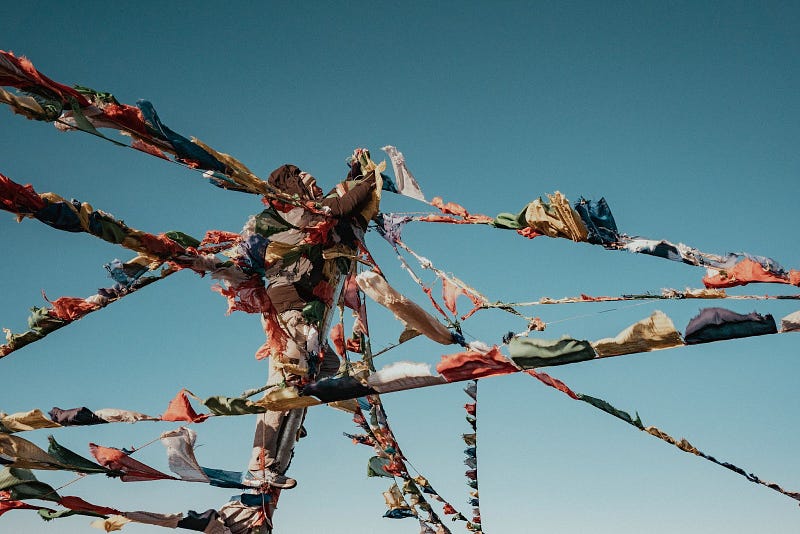
Mingma Sherpa affixing prayer flags to the summit cairn | Photo by the author

Mingma Sherpa, a veteran trekking guide and father of two boys balances precariously on a pole jutting out from the summit cairn as he fixes our strands of prayer flags in fierce winds. Mingma hails from the village of Chaurikharka in the Solukhumbu region. While being native to the Solukhumbu, the specific trail we are scouting is new to Mingma as well.
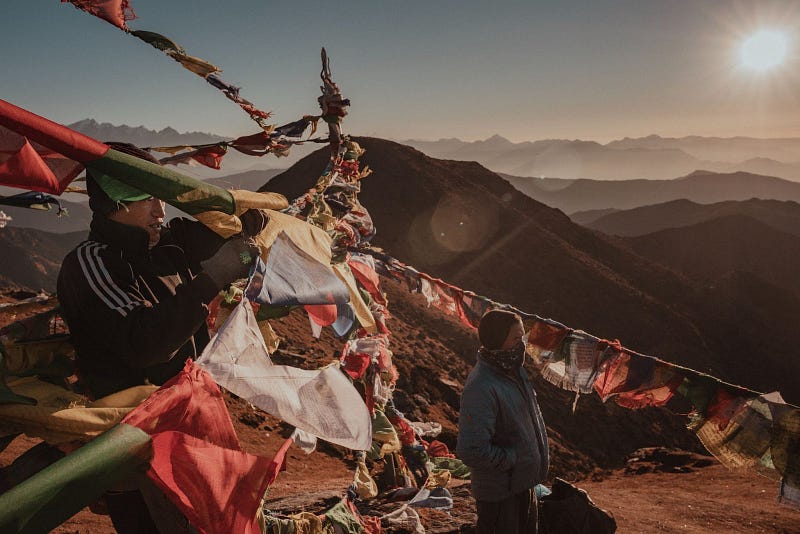
Lakpa and Ongchu Sherpa | Phorto by the author

Lakpa Sherpa and Ongchu Sherpa were our porters on this expedition, and hail from nearby villages. On top of bearing backbreaking loads along the trail (carrying our tents, food, and cooking gear), they set up and broke camp; secured water; cooked delicious meals; and brought us tea and coffee to warm us in our tents in the early mornings.
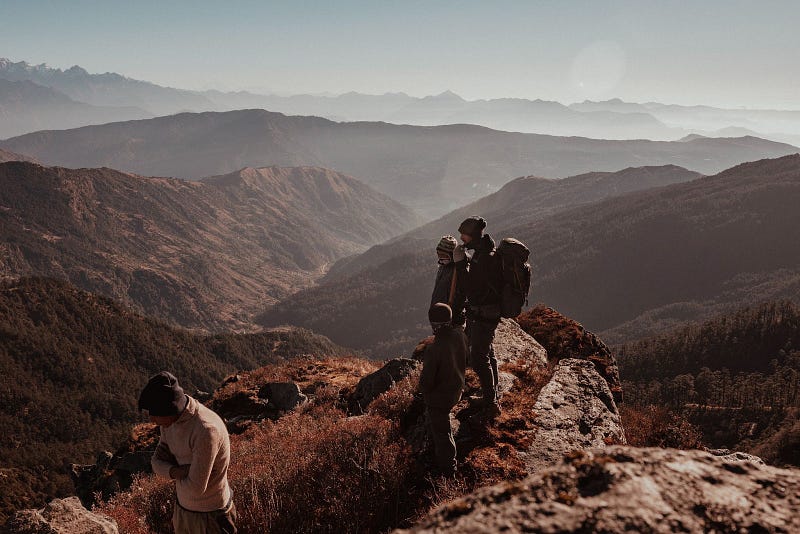
The team | Photo by the author

Setting our sights nearer at hand, we looked out across a gilded distance to try and glimpse a trace of our intended path ahead, to the sacred lake of Dudh Kunda and into the heart of Shangri-La. With our path now in view, we felt called to continue onward and shouldered our packs once again. We began our descent of Pikey Peak with the stars of our ascent traded for the remote warmth of a December sun.
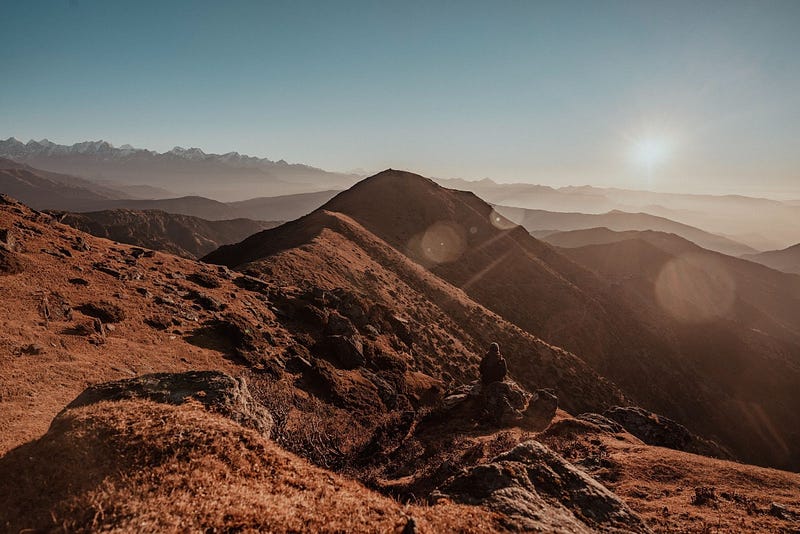
Photo by the author

Our purpose on this journey was to document and define a new “impact trekking” route. The Buddhism Sanctuary Trail is a new 8-day trek in Nepal’s Solukhumbu region. It’s the perfect trekking destination for those who desire to travel ‘off the beaten path’ and avoid the congestion along the route to Everest Base Camp in Khumbu. Stunning Himalayan vistas abound, and the trail visits and benefits several noteworthy Tibetan Buddhist Monasteries. Other challenges are presented, however, as half of the stages require wilderness camping, where water can be difficult to find in winter.

Matthew Nelson is an American travel photographer and writer from Des Moines, Iowa. An advocate for sustainable travel, he has photographed responsible tourism initiatives in nine countries, notably in the Western Balkans, India, and Nepal, and is passionate about creating opportunities to travel with a positive impact to both the environment and local communities. His work has been published in National Geographic Traveller Magazine, Resonate (Norway), and For Good (UK). You can follow his blog on transformational travel at mearcstapa.com, and find him on Instagram as @mattnelly.jpg

Thank you for reading.

Travel
Adventure
Photography
Himalayas
Expedition
Recommended from ReadMedium