
A Story of a Woman That Survived Breast Cancer, but Not Its Treatment
How breast cancer killed my mom 26 years later
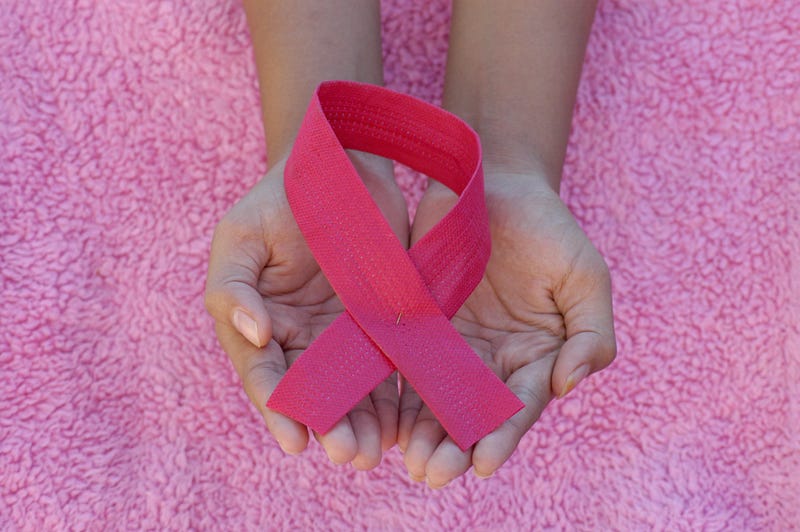
This year will be the first Thanksgiving without my mom. Twenty-six years after being diagnosed with breast cancer she passed.
To give you a bit of background, when I was sixteen she was diagnosed with stage four metastatic cancer. They offered to send her home. Make her comfortable or try a new experimental treatment that involved stem cells.
She opted for the stem cell treatment. She also had a mastectomy, which caused months of problems. Then two rounds of chemo. An extra round of chemo to knock out her immune system before the stem cells and then a round of radiation.
The experimental nature of the procedure meant there were complications. They didn’t know the radiation would cause third-degree burns. She had such bad scarring she couldn’t wear a prosthesis. It also burned inwards so much it affected her rib cage and caused COPD (Chronic obstructive pulmonary disease) later in life.
She developed other issues later in life due to the treatment. As I’m sure you realize by that statement, she lived through the cancer. However, she developed many complications. Complications that killed her twenty-six years later.
She had to take morphine every day for the pain and that led to kidney disease and eventual kidney failure.
She passed away from this in February on the 19th. Well, really the 18th. But it was late at night so the hospice worker didn’t arrive till after midnight. The time of death was then called on the 19th.
I’m thinking about all that she went through. How brave a woman she was to have tried the experimental treatment to begin with. She delayed death by twenty-six years. That’s a pretty good outcome.
And yet, I feel it wasn’t enough. So, I ponder grief and how we process grief. How some days it’s fine. Other days memories hit at the weirdest moment and I find myself crying over a cup of coffee. Because I’ve added milk to mine and she always took hers with milk (you can read more about that here).
Would it be better if we didn’t have these little moments to remember our family or friends that have passed?
I watched a Ted talk the other day that commented that:
“We don’t move on. We move forward.
We carry these people with us for the rest of our lives. I still say, “We’re going to mom and dad’s house.” Like she still lives there.
My mom was a defiant person when it came to medical treatment. When she went on hospice they said it would be two to four weeks. She went on hospice in September and died in February.
We didn’t always get along, but the moment she went into hospice everything changed. I forgave her for all wrongs and the next five months were spent in a healthy relationship. I didn’t expect that would happen. It was something that came naturally though.
In the end, I look back and I feel like the cancer killed her. I’m mad that her treatment sent her down a path that caused great pain and disability for twenty-six years. I wonder if the treatment was worth it. She always said she would never go through it again and the treatment was worse than the cancer. But this Thanksgiving, I’m forever grateful we got that extra 26 years — no matter how they came.
This is for the writing prompt: I am always with you, from the moment you are born until the day you die. I can bring joy or sorrow, success or failure. Why don’t you write about me?
It’s my own interpretation of the prompt.


