
A Society of Paradoxes
We have become a society of paradoxes filled with self-contradictory beings
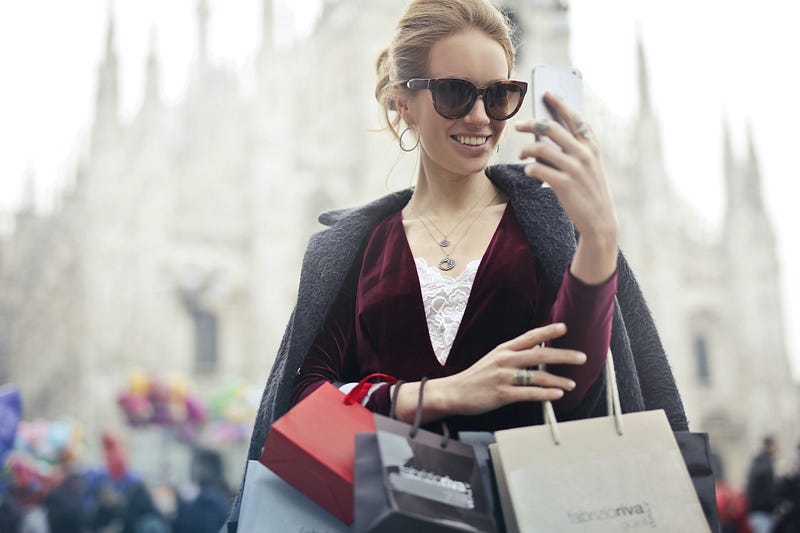
We glamorize the wealthy lifestyle where more is better, yet we praise minimalism. We engage in overconsumption, whether it’s for material things or food, yet we criticize corpulence and try to make everyone fit the ideal size zero, imposing on everyone the perfect parameters, forgetting that our bodies are as different and unique as each of us.
We desire the perfect relationship that we can showcase on our Instagram page, yet we are unwilling to invest the time and effort it takes to build a meaningful relationship. We prefer to jump from one casual, meaningless hookup to another, justifying our blasé attitude towards sex as something modern, while disapproving of those who wait for marriage, labeling them as conservative, something that has become synonymous with backward and regressive.
Being single has become stigmatized, as has the idea of waiting for the right person to come along. Those people are considered weird and losers. It has become more acceptable to see a woman in her late twenties as a single-mom than someone who has never been married or in a serious relationship. It has become expected to have multiple partners throughout our life.
We are driven by instant gratification, and in a society where casual dating and one-night stands have become the norm, being willing to wait for the right person has become outdated.
We want to appear spiritual, yet a religious person is now considered as a mindless sheep or a fanatic. We seem to equate faith to something that is shallow and superficial, yet, ironically, we brag about practicing meditation and yoga, wanting to feel enlightened.
We want to be praised as original and authentic, yet, blindly follow the latest trend, afraid to be left behind. Afraid to be left out of the loop. Of not fitting in.
We want to look like we are someone humble and noble, yet get gratification and validation out of the numbers of likes we get under our latest post. We filter our pictures to appear perfect, yet it never crosses our minds to call ourselves fake or superficial. Because we believe we are special. Not like the others. The masses. Without realizing that we are part of it.
We constantly advertise how we take part in charity or show everyone how good of a person we are by participating in rallies to show our indignation. We let everyone know that we care for the environment, that we have become vegan or a rawist, or whatever might be the latest trend. We make ourselves the center of attention, complaining about how life is unfair, and how we, poor victims that we are, struggle to make it through in this competitive world.
We don’t even spend a second considering how lucky we are, to have the things we have in life: health, food, shelter, security. Things that are denied to at least one-third of the human population in today’s twenty-first century, the so-called modern times.
We have become afraid of old age, not realizing that many of us will never have the privilege to grow old. Wrinkles and gray hair are no longer signs of wisdom and experience, but something to be hidden, to be avoided at all costs, as we defy the laws of nature through plastic surgery and expensive beauty treatments.
We have become deluded with our self-importance for everything is now about us and what makes us happy. Our relationships and our possessions are a form of validation of our importance. Even our pets are showcased to demonstrate our benevolence. Not so our children for we can’t get rid of them so easily as a pet if it becomes too cumbersome or not so cute anymore after a couple of years. This is why abortion rates have become so high as people find it inconvenient to have children. We want the pleasure of sex, but not its consequences.
We are becoming alarmingly irresponsible and complacent about our abilities. We believe we are enough as we are, and few of us seek to improve as it would require working on ourselves. We have become completely self-obsessed and narcissistic, deluding ourselves with our fabulousness.
A prevalent sense of entitlement has emerged with the rise of social media, whether it’s because it gave us the capacity of becoming our own hero or because we feel the world revolves around us. We seem blissfully ignorant of the fact that we are simply a pea in a pod, no more important than an ant in this vast world.
Social networks created the illusion that we matter, that what we eat for breakfast is of the utmost importance and our witty remarks are seen as pearls of wisdom, rivaling in their depths with that of the greatest thinkers in human history. Who needs Aristotle or Plato when we are here to provide our insights.
We want to be successful, yet we shirk hard work and dedication, always seeking the easy way out. We dream of our bright future but do not want to compromise to reach our long-term goals. We believe we deserve to have our dreams come true because we are amazing and special, and that should be reason enough. We complain that no one recognizes our talent, yet we don’t hone our skills.
We protest when we feel offended or not listened to, yet, we don’t extend the same empathy to those who view things differently from us. We seem to conveniently forget that our rights stop where the rights of the others begin.
So where do we go from here? How do we act? I do not have the answers, and I’m sure that it will be different for everyone, but I believe that the first step is to focus on self-awareness. First, we should be willing to see past the veil of delusions we live in, and once we face reality, ask ourselves, truthfully, what we need to change to become our authentic selves.


