
A small country in a beautiful place!
Located in the corner of the Alps and the Adriatic Sea
Although it was part of the old Yugoslavia, when I was still a child, Slovenia was an unknown country to me. I knew about her as much as we learned in school, but even though she was very close to us, we didn’t have a habit of going on vacation there.
I do not know why…
This year, in the spring, I had the opportunity to spend a few days in Slovenia, and in those few days, I got to know almost all its sights, which you can’t say for every country because you can rarely see any European city in a few days. let alone the state. I don’t know if it’s because we speak a similar language and because, until they separated from Yugoslavia, they were obliged to know our language (Serbian, then Serbo-Croatian), but I felt magical in those few days. I will briefly tell you about some parts of the country that I was fascinated by. And that’s better than bothering you with your geographical position and population ... you can find that information anywhere.
Slovenia is magical! in the true sense of the word!
First I was out of breath when I saw the Alps! At the same time, that Alpine part that belongs to Slovenia, the So-called Julian Alps, is a real fairy tale, and if you have seen The Hobbit or The Lord of the Rings, I can tell you that I had the impression that I was inside the Shire.
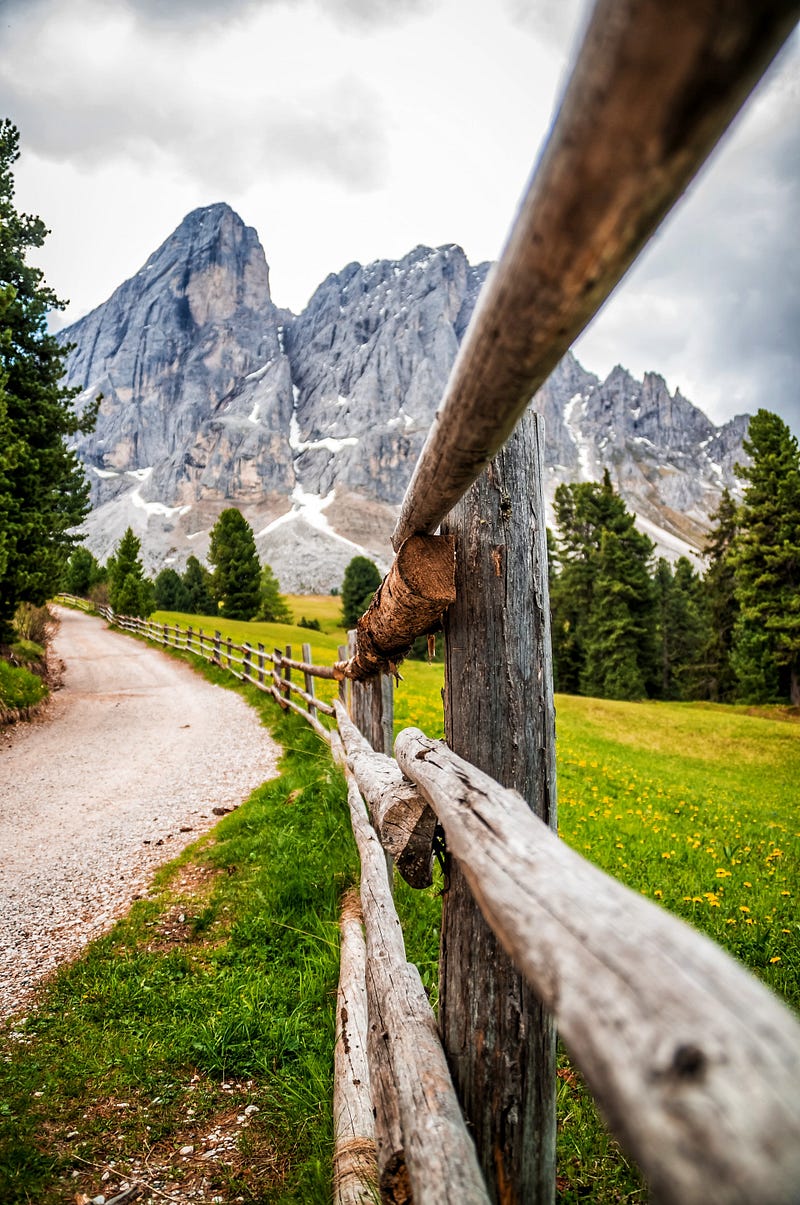
You will be left breathless due to the high snowy peaks of the mountains, as you walk, on a sunny day, around a lake deeply immersed in forests and breathe immensely healthy and fresh air.
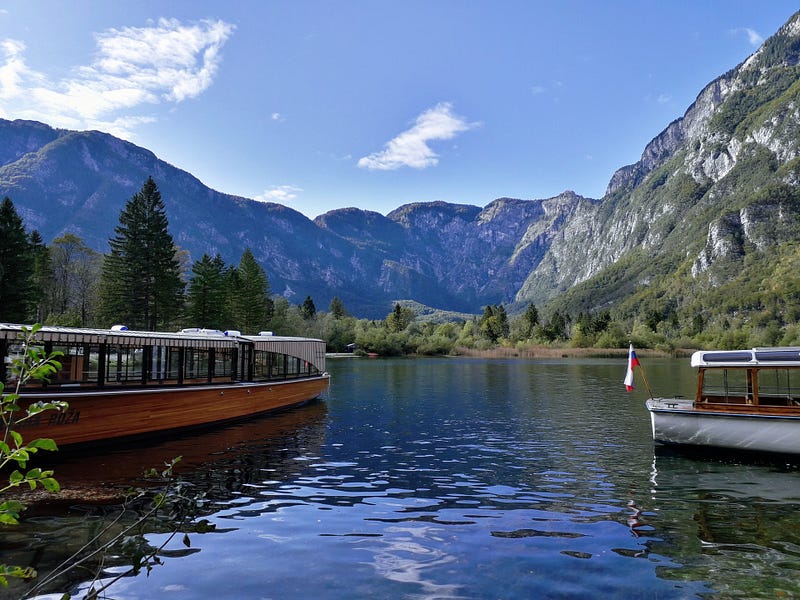
Lake Bohinj
“We in Slovenia have a saying: ‘When you are in Bohinj, you are usually a day or two late for the world’, and that is very true in this case," says Grega Silc, a guide for cycling tours and excursions in this part of Slovenia. It’s literally like that.
In the hamlet of Ribčev Laz, there is the church of St. John the Baptist, the origin of which has remained a mystery to this day, writes the BBC. "Mystery," says Silc. "No one knows exactly how old it is - it was built before the 15th century - and no one knows the meaning of the inner fresco depicting a white devil sitting on Cain’s shoulder and an angel with vampire fangs." In front of the church altar is Zlatorog, a mythical creature believed to protect the reefs around the lake. Not far from the church is the Devil’s Bridge, which leans against the gorge. According to the legend, the devil built it in exchange for the soul that crosses the bridge first. However, the wise villagers deceived him, letting the dog cross first. It is known that the famous writer Agatha Christie often came to Lake Bohinj, but the plot of none of her stories is set on Lake Bohinj, and she responded with the words "Bohinj is too beautiful to kill" :) She was not the only writer who rested in this peaceful and magical place. It was noted that Jean Paul Sartre was a frequent guest in this part of Slovenia.
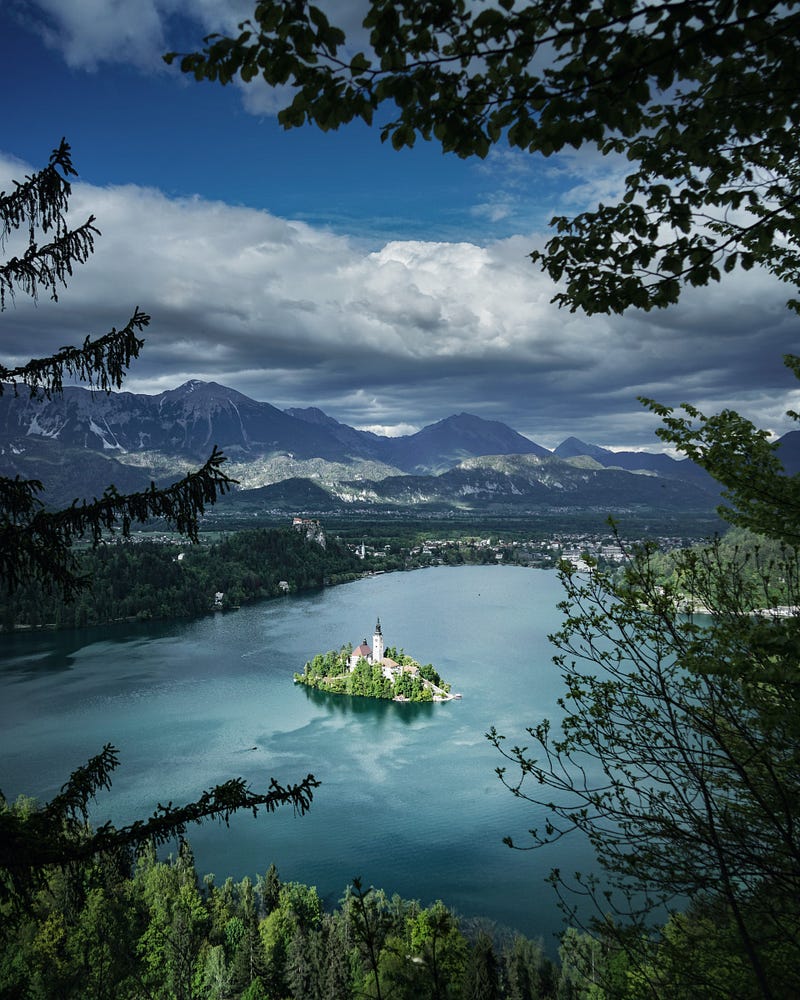
Lake Bled ( you saw it in the cover image )
There is a legend that says that the glaciers of the Julian Alps mourned and shed tears for the time when there were huge mountain massifs in the world. Crystal tears flowed into the valley and created a miraculous lake - Bled. That is how nature created a fairy-tale idyll that was kept by the Old Slavic goddess Živa and her fairies and elves. History, on the other hand, claims that the German Emperor Henry II donated the lake to Bishop Albuin of Brixen in 1004, and his successors built an inaccessible fortress and castle on the east shore of the lake. That is how the city of Bled was created, and the lake was named after him. The famous cream pie from the Park Hotel has gone down in history. The first one was made more than 50 years ago and according to the same recipe they are made today, and so far, more than ten million cream pies have been sold and eaten at this place.
Triglav
When the mountain is studied from the Gorenjska region in Slovenia, it looks like it has three peaks, or three heads, after which it got its name.
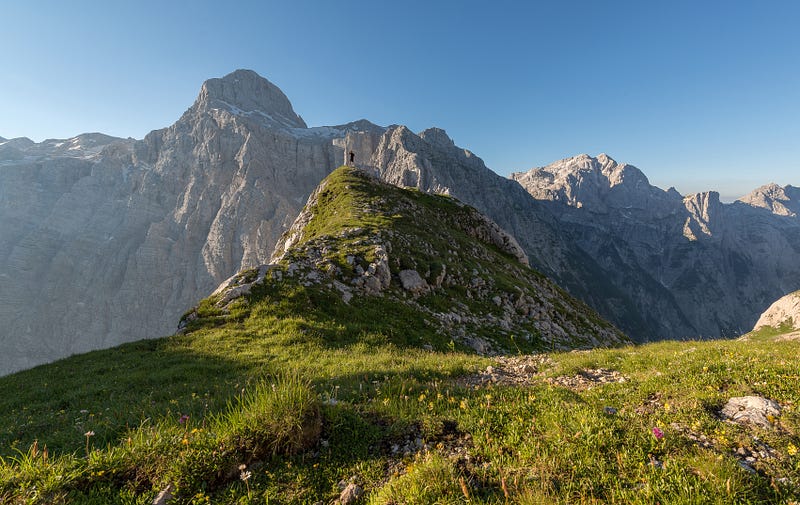
This mountain is the central part of the Triglav National Park, which occupies approximately four percent of Slovenian territory. At the same time, it is the only national park in Slovenia, so it is not surprising that it is also on the flag of that country.
And there’s Bovec …
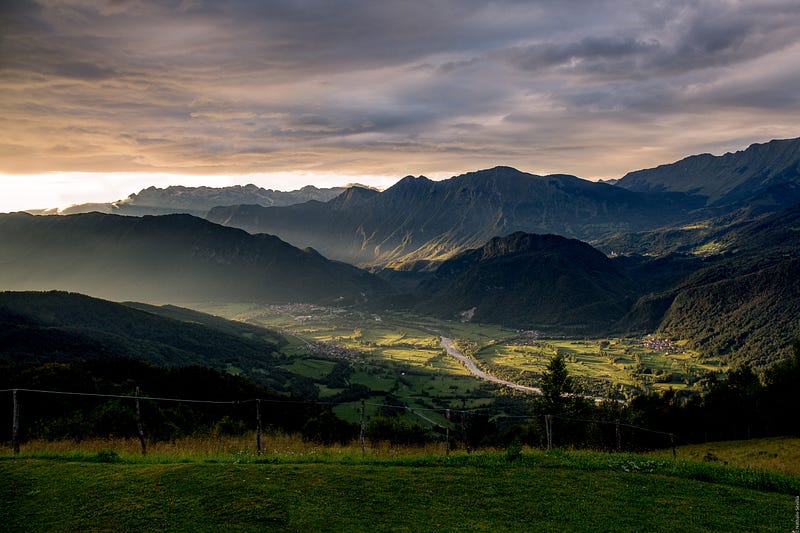
Bovec is a mountain town in northwestern Slovenia. It’s surrounded by the peaks of the Julian Alps, such as Kanin and Krn.
The turquoise Soča River, with its rapids, is popular for water sports.
Slovenian Riviera
is only 46 kilometers long, but believe me - every meter is worth seeing! From Ankaran to Portorož, in such a small space, enterprising Slovenes managed to accommodate the largest port in the region - Koper, and a fashionable summer resort that would not be ashamed of even the world’s largest tourist centers - Portorož, and the ancient city created for exploration and enjoyment - Piran, and a real little gem of the Adriatic - Izola.
Piran
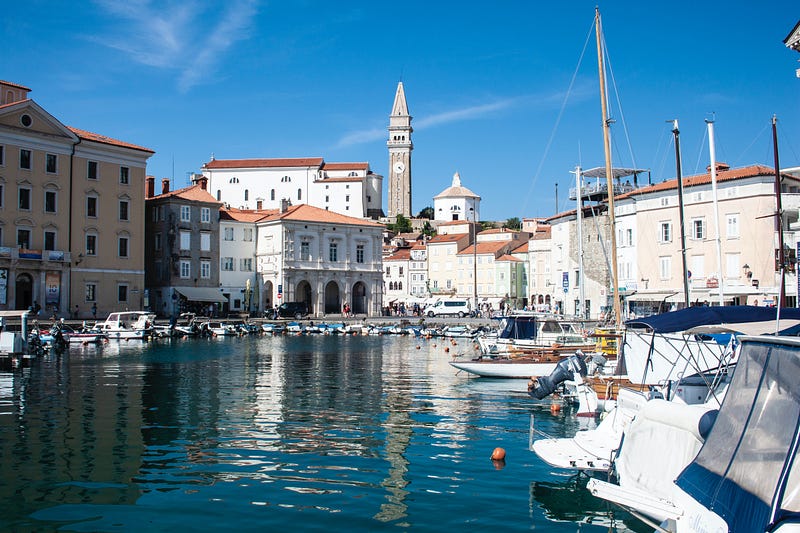
Although the Illyrians, Romans, and Slavs roamed this area, the Venetians left the biggest mark on the current appearance of the city. After the outbreak on the main town square, named after the composer and violinist Giuseppe Tartini, born in Piran, you will have the impression that you are in Venice, not in Slovenia. Piran is not a city that is visited for swimming, but for the overall impression and enjoyment of the coastal idyll that you will rarely meet anywhere.
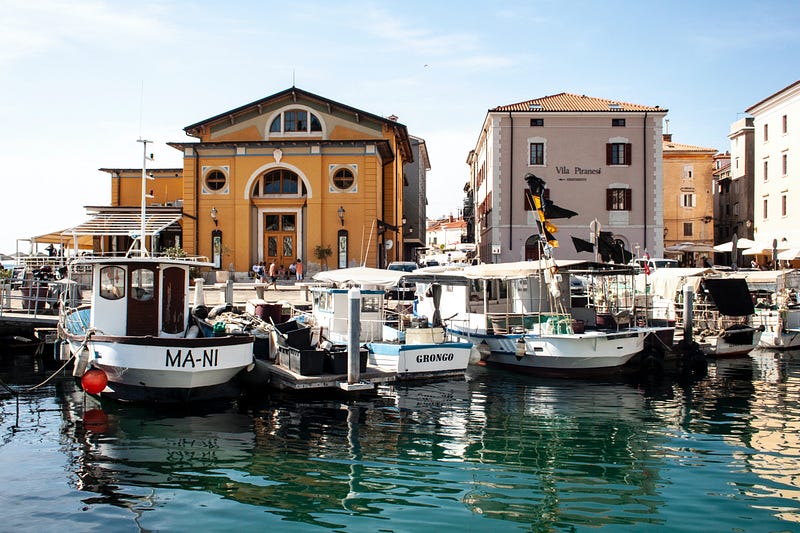
The first walls were built in the 7th century, dividing the city into four streets. Other walls were built between 1470 and 1538 to protect the newly built parts of the city. There is little left of these walls today, but the walls that were built last remained almost completely intact.
Ankaran,Koper, Isola, Strunjan and Portorož…
They are very charming and magical. This region is made up of five magical lands, five once fishing villages that are clustered together alongside the indestructible cliff sides on the Slovenian Riviera. In each of these cities, you will have the impression that you are in Italy, and Trieste is a few kilometers away, which explains a lot of similarities in the coastal cities of these two countries. If you decide to take a walk from Izola to the center of Koper, the journey will last approximately an hour. On one side you’ll be caressed by the fresh sea breeze, whereas on the other by pine trees and lush Mediterranean vegetation. Izola is ideal for exploring walking paths as you can reach your destination in about an hour no matter which direction you chose. If you go one way, you will arrive in Koper, whereas if you go the other way, you can visit Strunjan, Portorož or Piran.
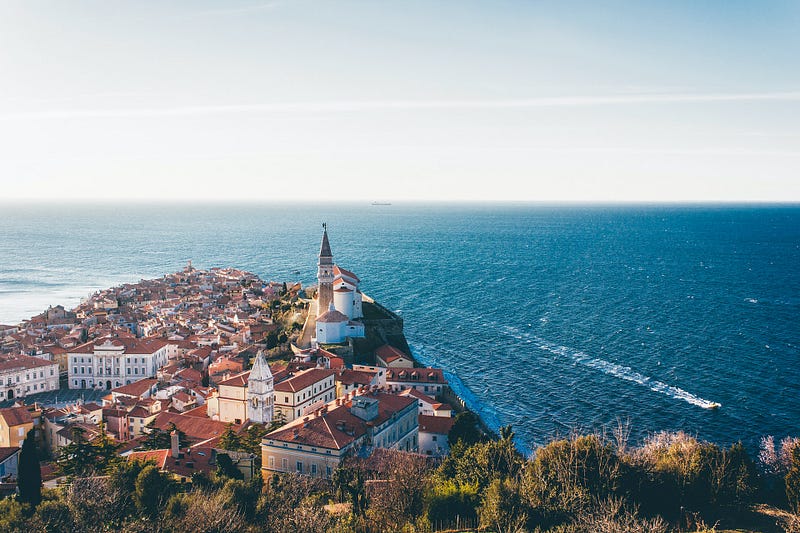
Over 56% of Slovenia’s surface is covered by forests, which ranks Slovenia among the 3 most forested countries in Europe.
The Postojna Cave is home to the swamp, better known as the human fish (proteus anguinus), so named because of its pale and human-like skin color and large blind eyes, adapted to eternal darkness and life in the pit. It is the only cave species in Europe. It has been protected in Slovenia since 1922.
Slovenia has the largest ski jump in the world - Planica, whose visitors have so far witnessed over 60 world records in ski jumping.
On the territory of Slovenia, in the Vipava Valley, a battle was played which was the immediate reason for the disintegration of the Roman Empire into the eastern and western part of 394.
Slovenia has the oldest vineyard in the world. It is Velvet Black (Blue Coffin), whose age is estimated at over 400 years! Despite being so old, over 25 liters of wine are made from it every year.
The world-famous tourist guide "Lonely Planet" recently included Slovenia in the countries you simply must visit.
On all these facts, the country is very small and you need a couple of days to visit all of the above and see for yourself. Wherever you are, for example in Bled, you need an hour’s drive to the sea.
Now, at the time of the coronavirus, when it closed the borders to others outside the European country, the Slovenian government ordered that the KP be in transit through the country only in 6 hours. This tells you that you enter the country from either side and you will leave it after 4.5 hours by car. :)
You have to visit it, it is a real gem of Europe!