Free AI web copilot to create summaries, insights and extended knowledge, download it at here
5401
Abstract
</h3></div>
<div><p>medium.com</p></div>
</div>
<div>
<div style="background-image: url(https://miro.readmedium.com/v2/resize:fit:320/1*AnOvA-sxXJi8lgoJzUwkLA.jpeg)"></div>
</div>
</div>
</a>
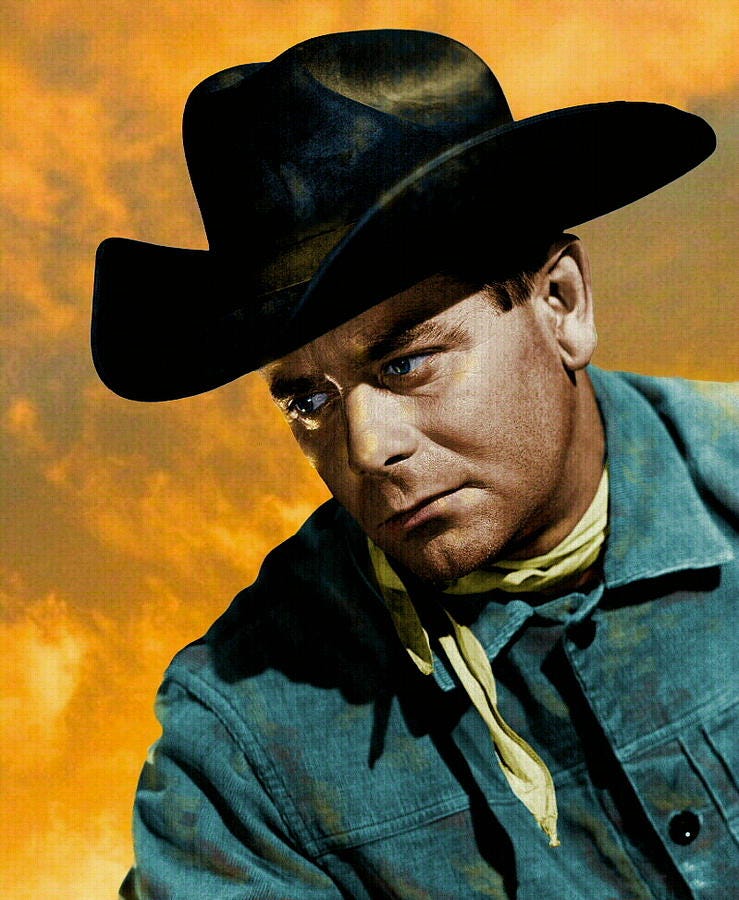
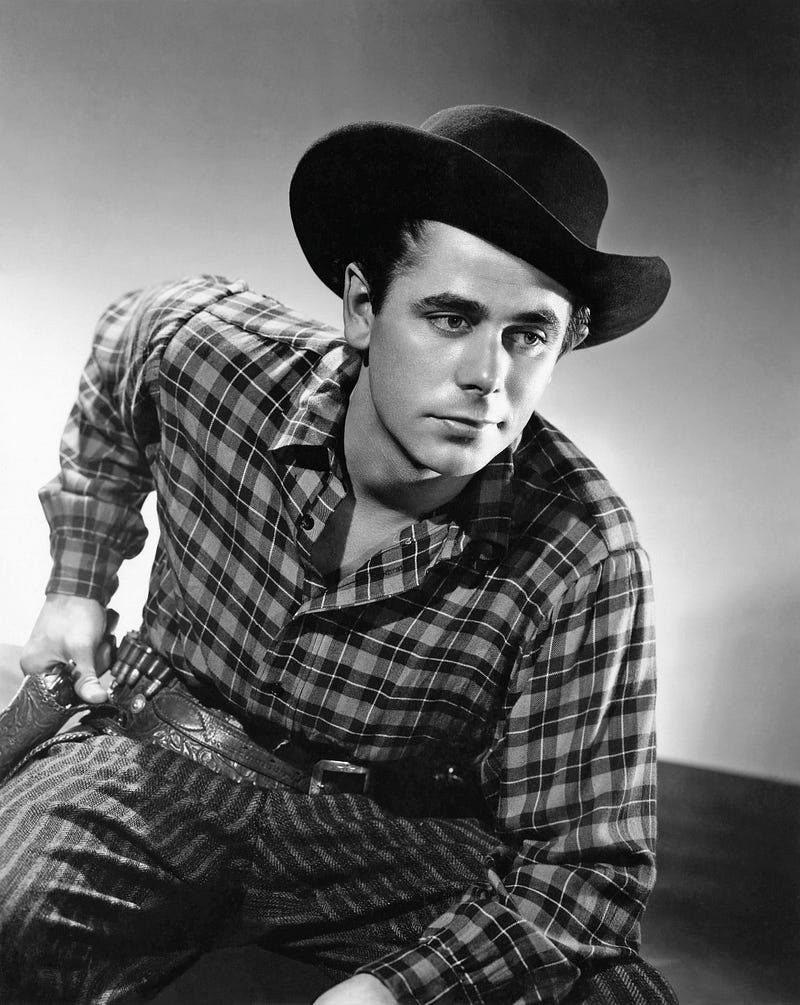
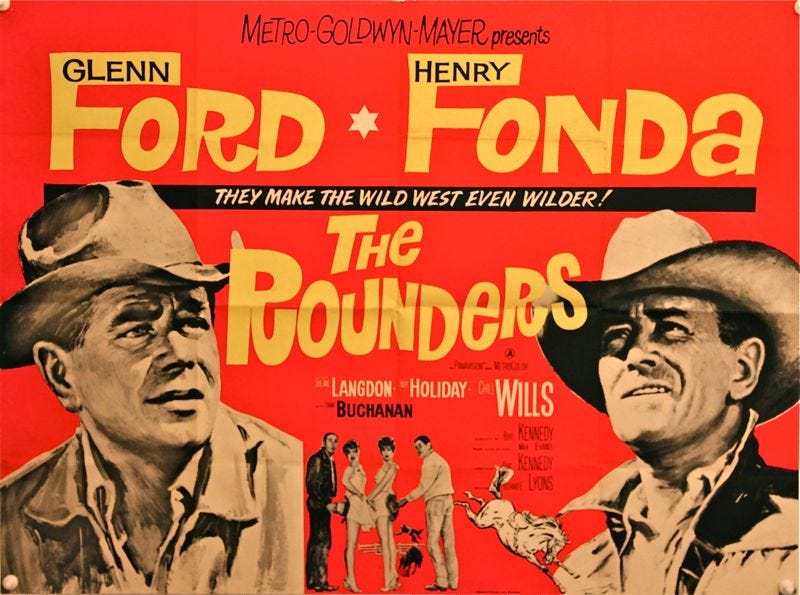
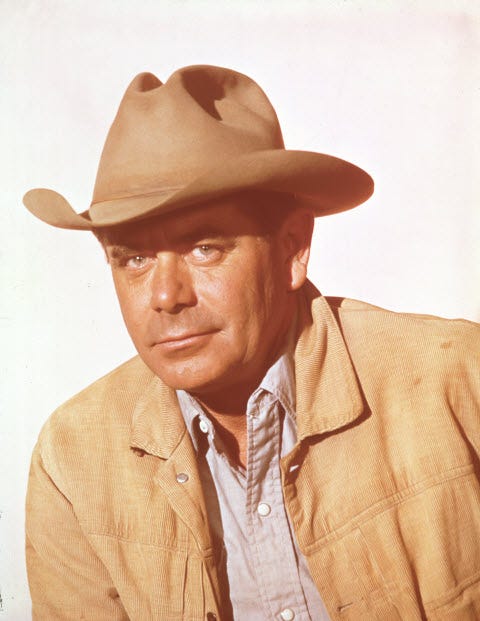
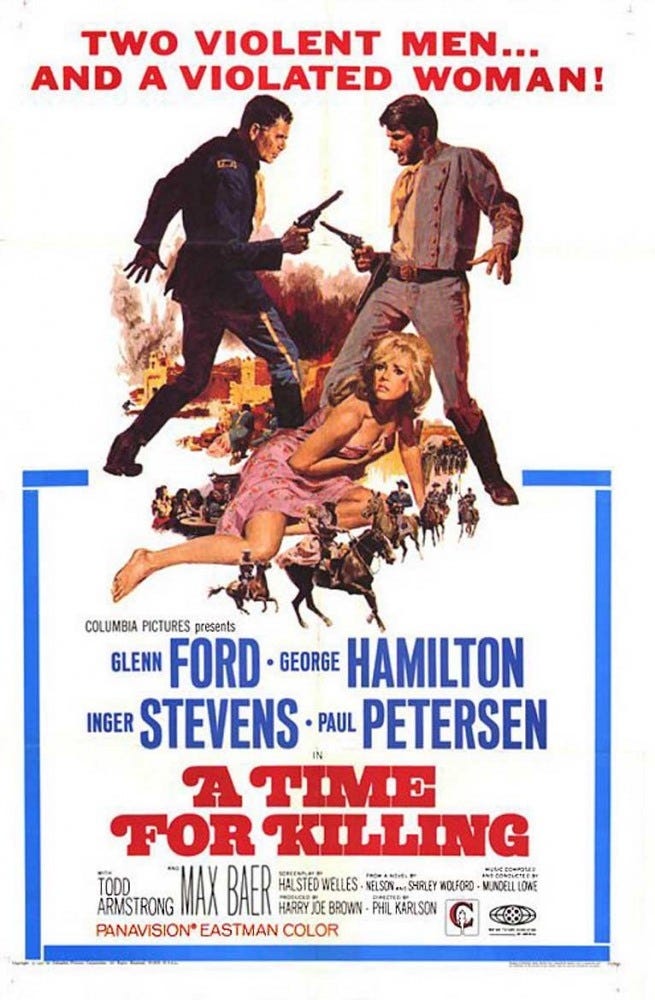
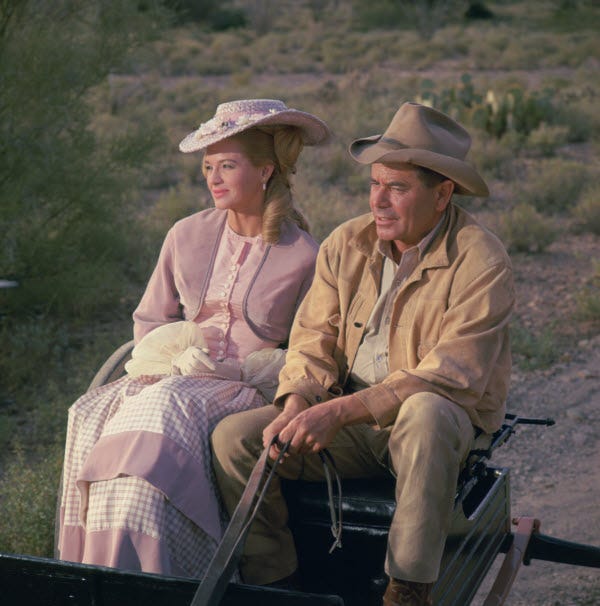
</div><figure id="92dc"><img src="https://cdn-images-1.readmedium.com/v2/resize:fit:800/1*qrc5fn_ypeZ5GPa8qGTPlQ.jpeg"><figcaption><b>A fantastic artistic rendering of Glenn Ford in character as seasoned, tough trail boss Tom Reece in director Delmer Daves’ “Cowboy,” costarring Jack Lemmon in his sole Western and circulated by Columbia Pictures on February 19, 1958. Daves intended to do for cowboys what “Broken Arrow,” his 1950 western with Jimmy Stewart, accomplished for Native Americans — ”show them as they really are.’’ Ford and Daves also worked together on the sexually charged frontier drama “Jubal” [1956] and the iconic “3:10 to Yuma” [1957], one of the few times where Ford was cast against type as a calculating villain. Image Credit: Artwork by Rouhani Cyrus / Fine Art America</b></figcaption></figure><figure id="f35d"><img src="https://cdn-images-1.readmedium.com/v2/resize:fit:800/1*9Wtc7pMCVQimoAKdf5mKSA.jpeg"><figcaption><b>A stark black and white still depicts Glenn Ford trying to turn over a new leaf as notorious outlaw Cheyenne Rogers in “The Desperadoes,” the first Technicolor film to be distributed by Columbia on May 25, 1943. Image Credit: Sergio Leemann’s A Certain Cinema website / Columbia Pictures</b></figcaption></figure><figure id="61d9"><img src="https://cdn-images-1.readmedium.com/v2/resize:fit:800/1*h0fG4VWbkrHHyIPbOHnJtA.jpeg"><figcaption><b>Glenn Ford portrays Yancey Cravat, an ambitious newly married husband trying to accumulate land in the Oklahoma territory land rush in director Anthony Mann’s “Cimarron,” an ill-fated December 1, 1960, remake of the 1931 classic that won an Oscar for Best Picture. Image Credit: Metro-Goldwyn-Mayer</b></figcaption></figure><figure id="0523"><img src="https://cdn-images-1.readmedium.com/v2/resize:fit:800/1*svppviyulx5TdxSV2v6s5A.jpeg"><figcaption><b>A theatrical poster for “The Rounders,” director Burt Kennedy’s hilarious Western about aging bronco busters distributed on March 5, 1965. The chemistry between Glenn Ford and Henry Fonda is a joy to behold in Kennedy’s pre-”Support Your Local Sheriff” comedy western. Image Credit: Metro-Goldwyn-Mayer / Best Little Film House</b></figcaption></figure><figure id="38eb"><img src="https://cdn-images-1.readmedium.com/v2/resize:fit:800/1*fSuTUBF9AhCJDtzGDhrVIQ.jpeg"><figcaption><b>Glenn Ford faithfully embodies modern-day horse tamer Ben Jones, guilty as charged for carousing and chasing skirts, in director Burt Kennedy’s freewheeling “The Rounders,” released on March 5, 1965, and costarring Henry Fonda, Chill Wills, Edgar Buchanan, Kathleen Freeman, and Denver Pyle. Image Credit: Metro-Goldwyn-Mayer / TV Guide</b></figcaption></figure><figure id="9f94"><img src="https://cdn-images-1.readmedium.com/v2/resize:fit:800/1*7SEBbLc7HhHs8TrKKOqsog.jpeg"><figcaption><b>Much more captivating than the dismal Civil War western is the theatrical poster for “A Time For Killing,” released on November 1, 1967, and starring Glenn Ford, George Hamilton, Inger Stevens, and Paul Petersen, best known as a child actor on the long-running situation comedy “The Donna Reed Show.” Image Credit: Columbia Pictures</b></figcaption></figure><figure id="92d1"><img src="https://cdn-images-1.readmedium.com/v2/resize:fit:800/1*P7mZ_weXa-6e7WSmhZyAhA.jpeg"><figcaption><b>Marshal Dan Blaine [Glenn Ford] and old flame Lisa Denton [Angie Dickinson] share a stress-free buggy ride in “The Last Challenge,” a modestly-intentioned western that served as director Richard Thorpe’s final film dropped on December 27, 1967. The screen couple later had an on-again, off-again relationship in real life. Notice Ford’s working cowboy’s tan ensemble — a corduroy jacket, long-sleeve shirt, pants, and weathered cowboy hat with sides extensively curled and brim pulled low. Image Credit: Cinematographer Ellsworth Fredericks / Metro-Goldwyn-Mayer</b></figcaption></figure>
<figure id="72ec">
<div>
<div>
<img class="ratio" src="http://placehold.it/16x9">
<iframe class="" src="https://cdn.embedly.com/widgets/media.html?src=https%3A%2F%2Fwww.youtube.com%2Fembed%2FelToBtudinQ%3Ffeature%3Doembed&url=http%3A%2F%2Fwww.youtube.com%2Fwatch%3Fv%3DelToBtudinQ&image=https%3A%2F%2Fi.ytimg.com%2Fvi%2FelToBtudinQ%2Fhqdefault.jpg&key=a19fcc184b9711e1b4764040d3dc5c07&type=text%2Fhtml&schema=youtube" allowfullscreen="" frameborder="0" height="480" width="640">
</div>
</div>
</figure></iframe></div></div></figure>
<figure id="cdee">
<div>
<div>
<img class="ratio" src="http://placehold.it/16x9">
<iframe class="" src="https://cdn.embedly.com/widgets/media.html?src=https%3A%2F%2Fwww.youtube.com%2Fembed%2Fq2geg23z4Ts%3Ffeature%3Doembed&url=http%3A%2F%2Fwww.youtube.com%2Fwatch%3Fv%3Dq2geg23z4Ts&image=https%3A%2F%2Fi.ytimg.com%2Fvi%2Fq2geg23z4Ts%2Fhqdefault.jpg&key=a19fcc184b9711e1b4764040d3dc5c07&type=text%2Fhtml&schema=youtube" allowfullscreen="" frameborder="0" height="480" width="854">
Options
</div>
</div>
</figure></iframe></div></div></figure>
<figure id="3598">
<div>
<div>
<img class="ratio" src="http://placehold.it/16x9">
<iframe class="" src="https://cdn.embedly.com/widgets/media.html?src=https%3A%2F%2Fwww.youtube.com%2Fembed%2Ft2uP4qyzxcM%3Ffeature%3Doembed&url=http%3A%2F%2Fwww.youtube.com%2Fwatch%3Fv%3Dt2uP4qyzxcM&image=https%3A%2F%2Fi.ytimg.com%2Fvi%2Ft2uP4qyzxcM%2Fhqdefault.jpg&key=a19fcc184b9711e1b4764040d3dc5c07&type=text%2Fhtml&schema=youtube" allowfullscreen="" frameborder="0" height="480" width="854">
</div>
</div>
</figure></iframe></div></div></figure>
<figure id="b752">
<div>
<div>
<img class="ratio" src="http://placehold.it/16x9">
<iframe class="" src="https://cdn.embedly.com/widgets/media.html?src=https%3A%2F%2Fwww.youtube.com%2Fembed%2FEGfoYbKNtQ4%3Ffeature%3Doembed&url=http%3A%2F%2Fwww.youtube.com%2Fwatch%3Fv%3DEGfoYbKNtQ4&image=https%3A%2F%2Fi.ytimg.com%2Fvi%2FEGfoYbKNtQ4%2Fhqdefault.jpg&key=a19fcc184b9711e1b4764040d3dc5c07&type=text%2Fhtml&schema=youtube" allowfullscreen="" frameborder="0" height="480" width="640">
</div>
</div>
</figure></iframe></div></div></figure><div id="3160" class="link-block">
<a href="https://readmedium.com/a-knight-without-armor-in-a-savage-land-saluting-erudite-tough-guy-richard-boone-521add2e29f3">
<div>
<div>
<h2>A knight without armor in a savage land — Saluting erudite tough guy Richard Boone</h2>
<div><h3>Western writer David Rothel penned the authorized Richard Boone: A Knight Without Armor in a Savage Land at the dawn of…</h3></div>
<div><p>medium.com</p></div>
</div>
<div>
<div style="background-image: url(https://miro.readmedium.com/v2/resize:fit:320/1*e06oKduquaByZKPmknwmkA.jpeg)"></div>
</div>
</div>
</a>
</div><div id="337f" class="link-block">
<a href="https://readmedium.com/a-little-girls-dream-being-on-the-tom-horn-film-set-with-steve-mcqueen-a00107746049">
<div>
<div>
<h2>A little girl’s dream: Being on the ‘Tom Horn’ film set with Steve McQueen</h2>
<div><h3>Steve McQueen’s widow Barbara Minty grants a scoop interview about the halcyon months she spent in Arizona during the…</h3></div>
<div><p>medium.com</p></div>
</div>
<div>
<div style="background-image: url(https://miro.readmedium.com/v2/resize:fit:320/1*Oqty2gPxsc3mgDlrp_yo3Q.jpeg)"></div>
</div>
</div>
</a>
</div><div id="e682" class="link-block">
<a href="https://readmedium.com/classic-hollywood-book-nook-george-kennedys-trust-me-a-memoir-673cb5cee442">
<div>
<div>
<h2>Classic Hollywood book nook — George Kennedy’s ‘Trust Me: A Memoir’</h2>
<div><h3>Oscar-winning “Cool Hand Luke” character actor George Kennedy penned a memoir five years before his 2016 death. Is…</h3></div>
<div><p>medium.com</p></div>
</div>
<div>
<div style="background-image: url(https://miro.readmedium.com/v2/resize:fit:320/1*RriMFUF4gsIRSRdfZ9ZAZg.jpeg)"></div>
</div>
</div>
</a>
</div><div id="82d7" class="link-block">
<a href="https://readmedium.com/clint-eastwood-applauds-donald-trumps-contempt-for-political-correctness-c9ce6d3c35b1">
<div>
<div>
<h2>Clint Eastwood applauds Donald Trump’s contempt for political correctness</h2>
<div><h3>Learn about “Unforgiven” director Clint Eastwood’s stunning indictment on political correctness and support for…</h3></div>
<div><p>medium.com</p></div>
</div>
<div>
<div style="background-image: url(https://miro.readmedium.com/v2/resize:fit:320/1*0ViHLvbxcI8ao55kzhWGvw.png)"></div>
</div>
</div>
</a>
</div><div id="35be" class="link-block">
<a href="https://readmedium.com/beau-john-the-untold-story-of-john-wayne-s-last-film-project-9fd1f479e61f">
<div>
<div>
<h2>‘Beau John’ — The untold story of John Wayne’s last film project</h2>
<div><h3>While The Shootist unintentionally became iconic actor John Wayne’s final film when released to theaters in August…</h3></div>
<div><p>medium.com</p></div>
</div>
<div>
<div style="background-image: url(https://miro.readmedium.com/v2/resize:fit:320/1*TlybJcn_ETSyKQ_MmuiH8Q.jpeg)"></div>
</div>
</div>
</a>
</div><p id="b592"><i>© Jeremy Roberts, 2014, 2018. All rights reserved. To touch base, email <a href="mailto:[email protected]"></a></i><a href="mailto:[email protected]">[email protected]<i></i></a><i> and mention which story led you my way. I appreciate it sincerely.</i></p></article></body>