
A Simple Guide to Focal Lengths
This 3min read will change the way you look at your lenses
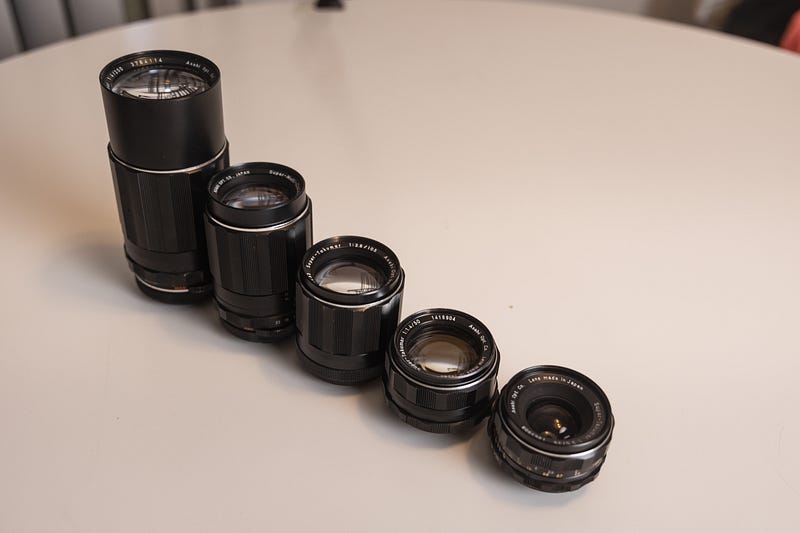
Everyone has their favorite lens…or two, or seven. Often those lenses will probably sit within a range of similar focal lengths.
For me, I love 50mm and 85mm lenses. Lately I’ve been shooting more 28mm and 35mm, but when backed into a corner, I’ll still pick my subject focused fifties and eighty-fives.
We’ve all heard that 35mm is a great all-rounder, or that 50mm is “the” portrait lens. More niche groups like street photographers and fashion photographers will sing the praises of 28mm and 85mm respectively.
Why is this? And whats the quick psychology of lens focal lengths?
Below is a quick “cheat sheet” of what most standard focal lengths equate to at their most basic level, and why.
Is this 100% science based? Not exactly, but neither is photography as an art. It’s also about feel.These are general guidelines and ways to remember what each lens or zoom range is for.
If you have any questions feel free to leave a comment or direct message me on IG @elijahrha or @foxfotoco , I’ll happily respond to anyone on either!
- Less than 28mm = an artificial widening of the scene
- 28mm = the way your brain records memories (includes part of your peripheral vision)
- 35mm = the way both of your eyes see the world together
- 50mm = the way a single human eye sees the world
- 85mm = the way you see something when it grabs your attention and your’re focused on it (tunnel vision)
- 105mm = the way you view and focus on details under pressure/stress
- 135mm = the way you inspect details on something small, like instructions on a medicine container
- More than 135mm = an artificial magnification of your vision
Hopefully this will help you find the feel you’re looking for in your shots. Focal length isn’t just a magnification ratio!
Want a visual example?
Below is a sample of images taken with my Canon R6 and Canon RF 24–105mm F4 USM L lens. These images will be set at 28, 35, 50, 85, and 105 from the same scene and used to highlight their usage.
Settings: cRAW, Aperture Priority, Auto ISO, f/4
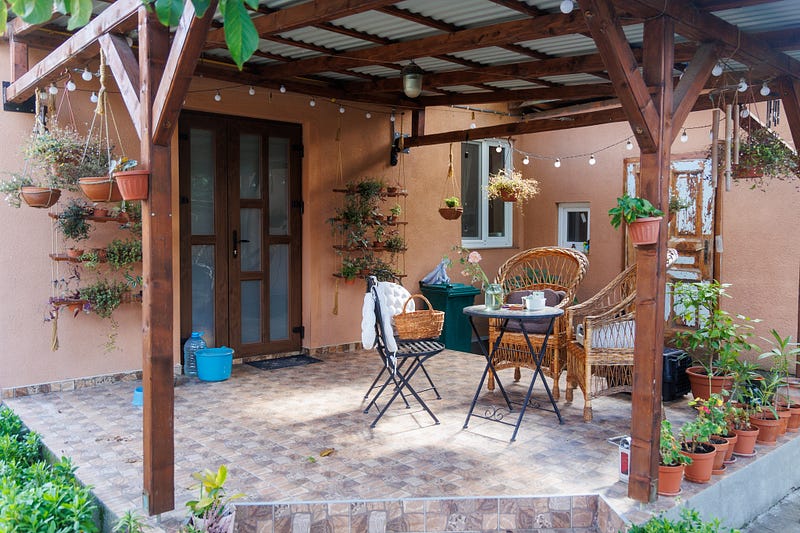
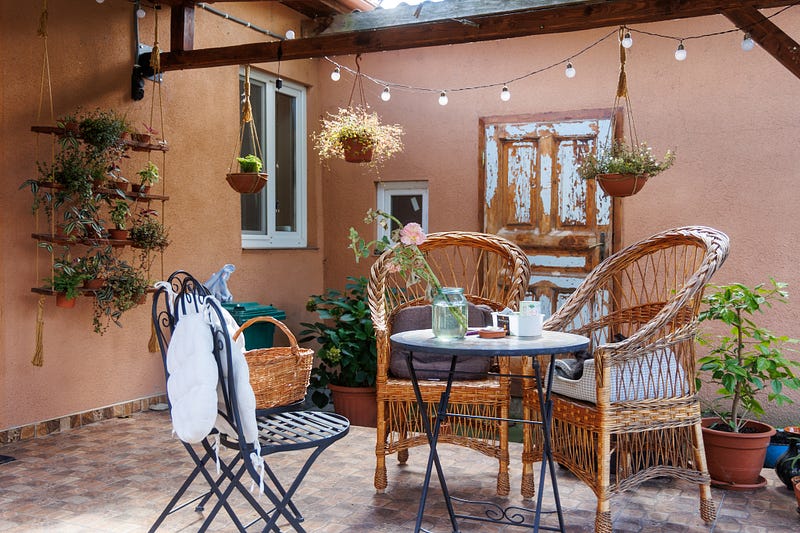
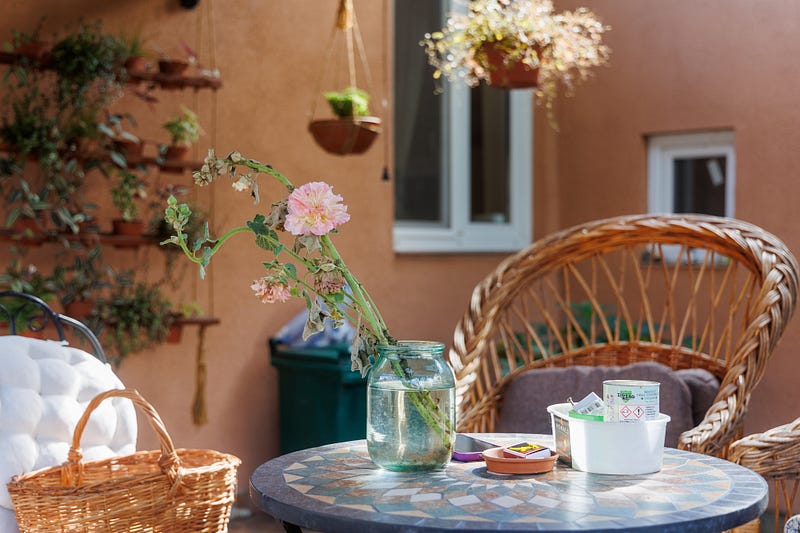
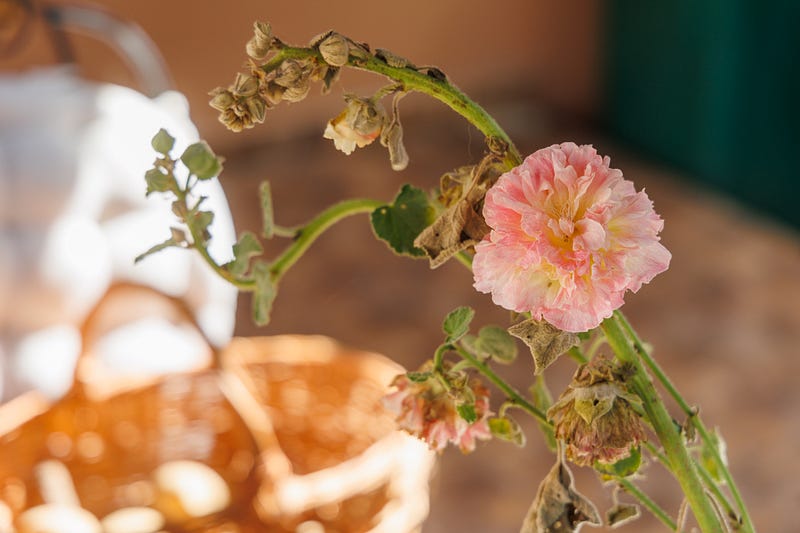
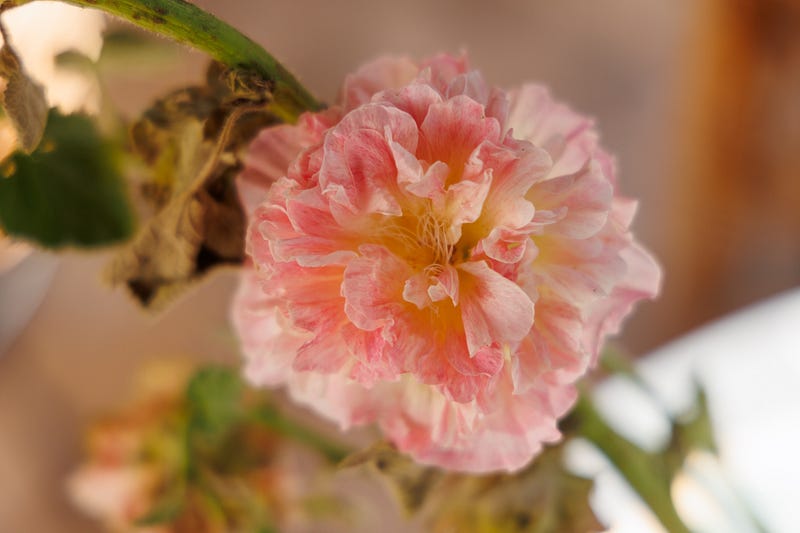
These are not the only ways to use the provided focal lengths. These are just the more standard examples. You can take macro (close up) shots with a 28mm, and you can take landscape shots with an 85mm too. The above “cheat sheet” and samples images just show what these focal lengths are primarily meant for, and should be a used as a starting point (not a solid rule) for your creative expression.
Thank you for reading; follow us and clap a couple of times (it’s free).
Also, if you like what we’re doing, consider supporting us by signing up for a Medium subscription, part of your subscription fee goes to us each month and also supports all the other writers you read on the platform as well. All at no extra cost to you.


