
A Revealing Look At Why Partners Self-Sabotage Relationships
Some aren't conscious of it while others are just powerless against it but there are ways to overcome the fear.
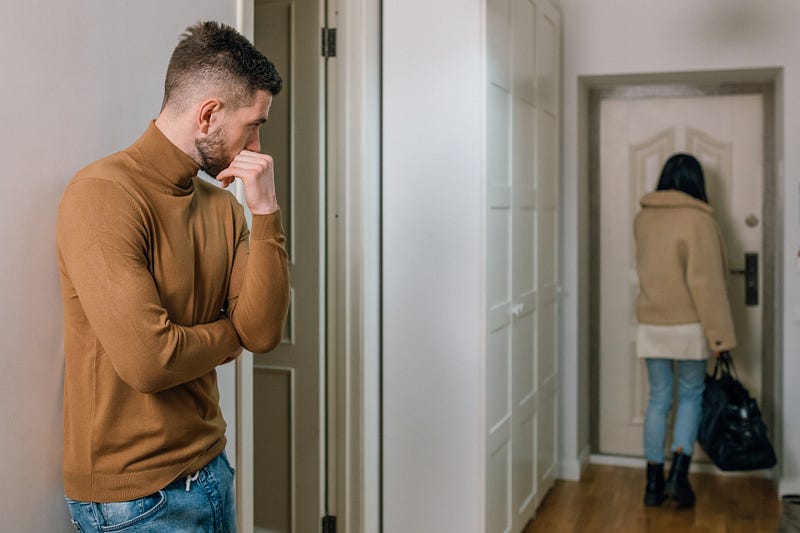
If you are in a relationship with someone who is not willing to take it to the next level your frustration is understandable but still, it doesn’t necessarily mean they don’t have genuine feelings for you. In fact, they may not even be conscious of the fact that they are self-sabotaging, or they realize it but are overpowered by the fear.
It’s not merely a case of affected partners ruining a good thing for no real reason but they have fears usually grounded in any of a number of factors such as:
Fear of having some real or perceived flaws come to light
- Guy, a successful attorney from Philadelphia, couldn’t commit to Sherri, a kind and beautiful woman whom he acknowledged had a great effect on him. The real reason was Guy was afraid that if Sherri got too close she would find out the truth about him which, was that he comes from a family of modest means with a brutal, abusive father.
Fear of being hurt or abandoned
- 33-year-old Natalie says, “for me, commitment phobia manifests when I start to like someone. I start overanalyzing everything they do, looking for reasons not to trust them until I have convinced myself they will hurt me. I end it before they can.”
Fear of being smothered or feeling that a commitment means losing control
- Rebecca, a 32-year-old filmmaker, says, “I get to the point where I want to meet people, and think having a partner would be really nice, and then I start to feel like I work too much, I think if they stay over it will be too hot, there’s not enough space in my bed, I need room to move and the whole thought of it just makes me feel claustrophobic like I can’t breathe.”
The Peter Pan syndrome a.k.a, fear of growing up and taking on the responsibilities of a real relationship, family, children, etc
- Jermaine, was a talented creative writer with a master’s degree but still living with his single mother while working at Starbucks. Over the course of his 10-year tumultuous relationship with Shelly, he never could man up and take it to the next level. Eventually, she left him and began dating men with real careers, their own space, and who were also looking to settle down.
“I need room to move and the whole thought of it just makes me feel claustrophobic like I can’t breathe.”
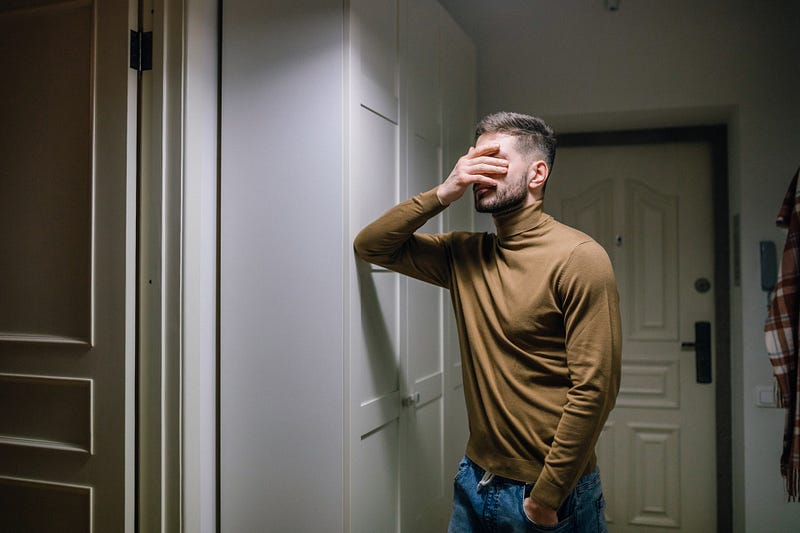
Signs of the fear of commitment
According to WebMD some of the signs of partners with fear of commitment include the fearful partners overusing some words and being reluctant to use others like the big “L” word. They also strongly favor “I” over “we” and “us”.
It’s difficult for them to commit to making long-term plans, and they fear a relationship will erase their identity. They go into relationships with a failure-oriented mindset and they assume it just won’t work out.
“In fact, they may not even be conscious of the fact that they are self-sabotaging…”
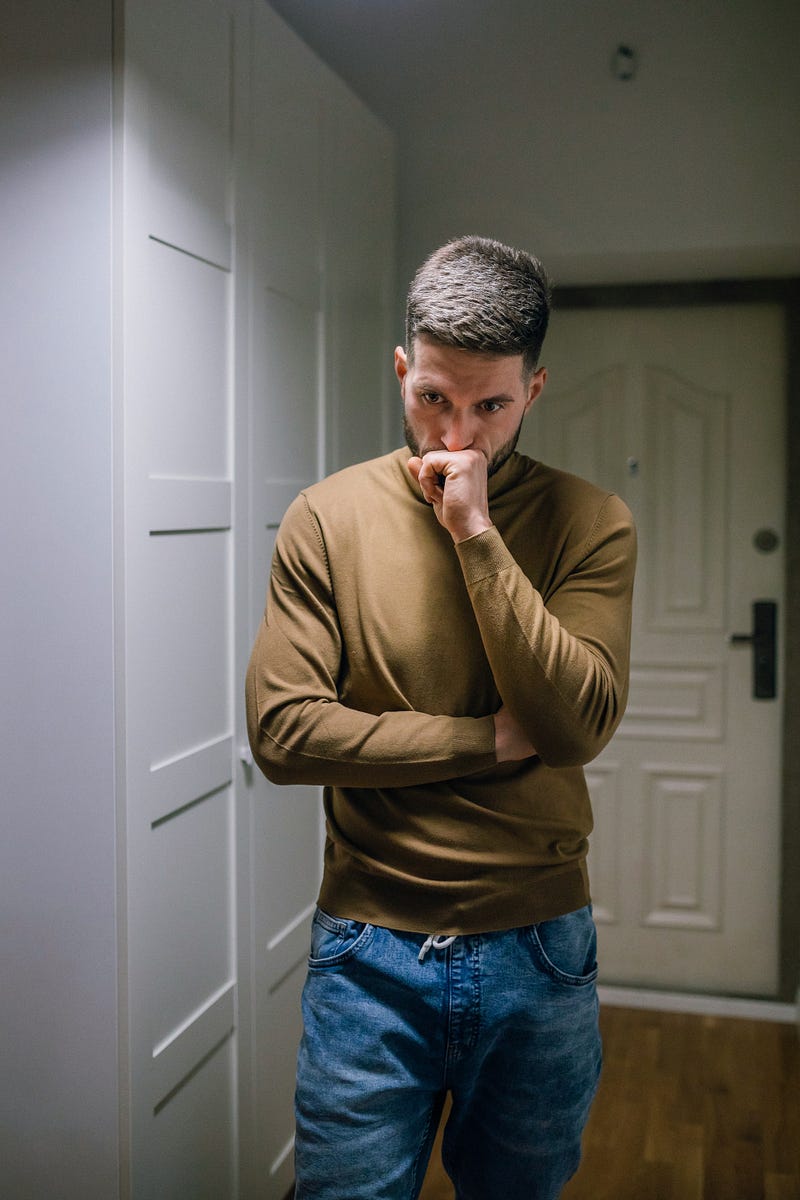
Overcoming the fear of commitment
Granted, being afraid to take a relationship to the next level doesn’t necessarily mean a lack of genuine feelings from one partner to the other. So if partners are good for each other but something is still holding either of them back, then they need to look for any patterns in the relationship that could indicate one of them may have a fear of commitment.
The essential first step to overcoming any obstacle is, of course, recognizing it exists. Once that is done partners should openly and honestly talk about the problem. This full disclosure will help in developing supportive counter-patterns to help the fearful partner cope and overcome any relationship anxiety about committing.
Natalie puts her fear down to a past unfaithful partner and the insecurity she felt when her mother walked out on the family. Like Natalie, identifying the ‘why’ is also essential to overcoming the fear. However, where you or your partner are having a hard time pinpointing the possible reasons, talking to a qualified therapist can help you look inward to get to the ‘why’ that is keeping you fearful of committing.
People with the fear of commitment who think serious relations will negatively impact their individuality have a habit of disparaging what they perceive as the trend in other people's relationships. Therefore it would help them to spend time with people in healthy relationships. To get a true feel of what healthy emotional attachments in healthy relationships really look like.
“Natalie puts her fear down to a past unfaithful partner and the insecurity she felt when her mother walked out on the family. Like Natalie, identifying the ‘why’ is also essential to overcoming the fear.”


