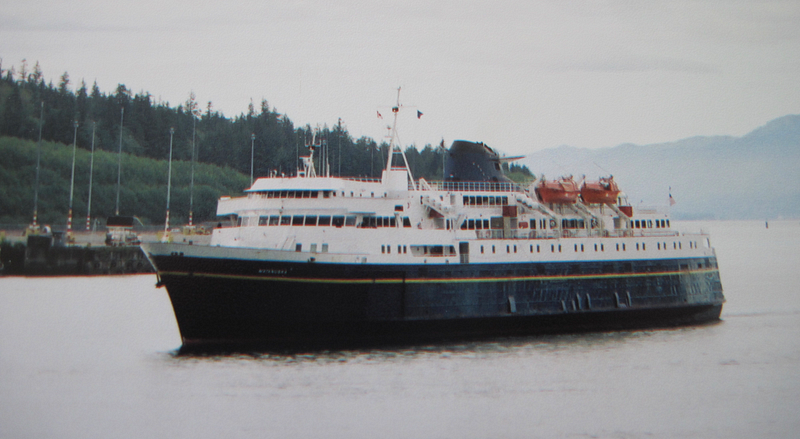
A Remarkable passage to an Enchanting Water-bound Alaska
Alaskan odyssey 2007: chapter 1
On June 16, 2007 I drove across the border into Canada. The border patrol didn’t want Chan Teh’s vaccination record. I was told this was a stickler with them. Their main concern was that I had insurance on my vehicle.
Chan Teh is a big attraction. I wouldn’t have met so many people without her. I traveled through breath taking British Columbia. Pungent conifers and lofty mountains delighted my senses. I stayed in campgrounds along the way.
I wanted to explore the Inside Passage of Alaska. So I drove to Prince Rupert on the Yellowhead Highway. I stopped at the Alaskan Ferry terminal to check availability of space. I left elated with a booked reservation. I’m getting off at Skagway with layovers at Ketchikan, Petersburg, and Juneau.
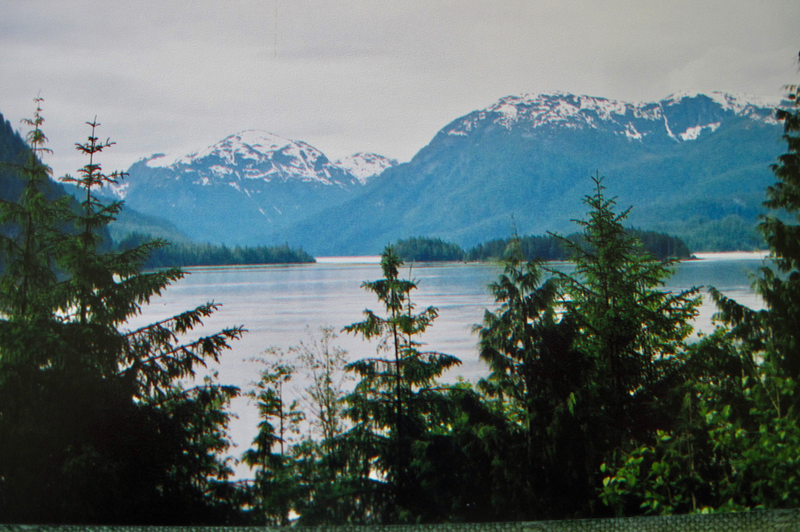
Prince Rupert has the 3rd deepest natural harbor in the world. It is an important commercial fishery center. There were small fishing vessels, charter and sightseeing boats in the harbor.
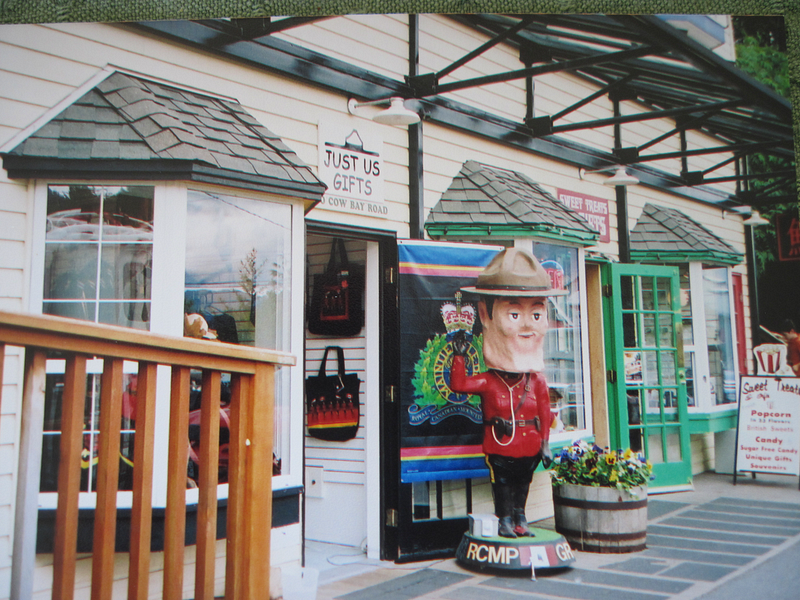
Cow Bay shopping district displays its thriving fishing heritage. It was fun to play the role of a typical tourist. Chan Teh made many friends outside the shops.
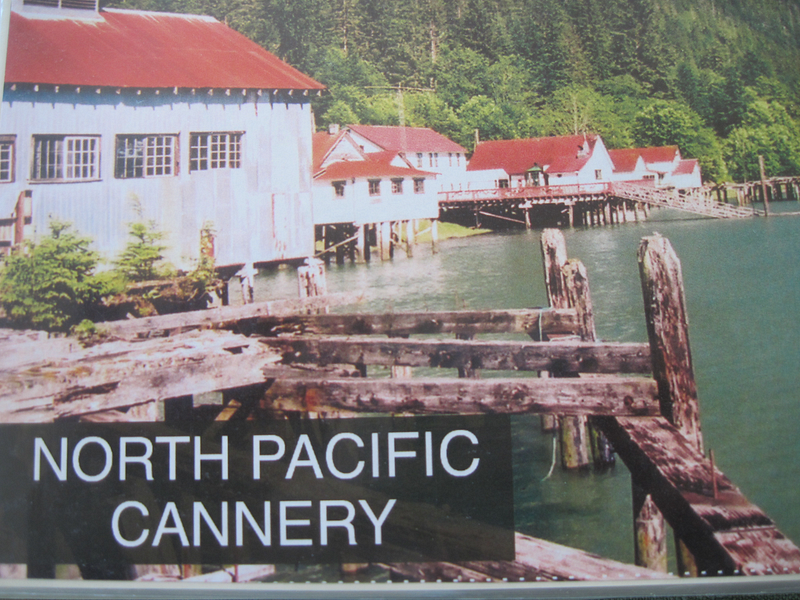
One day I toured the North Pacific Cannery historical site. 1000 salmon canneries used to dot the coast from Sacramento, CA to Yukon River, Alaska. This is the most complete cannery that remains.
Finally I joined the line to pass customs & board the Kennicott Alaskan Ferry to Ketchikan. Chan Teh tolerated the trip well, even though having to remain in the RV. The crew loaded RVs & cars with skill. Emergency brakes set, wheels chocked & chained to prevent shifting. I packed a lunch since no one can be on the vehicle deck while the ferry was moving.
We passed many islands & snowy peaks all day. The Tongass National forest is the largest temperate rain forest in the US. Also there are 35 species of crab found in Inside Passage waters.
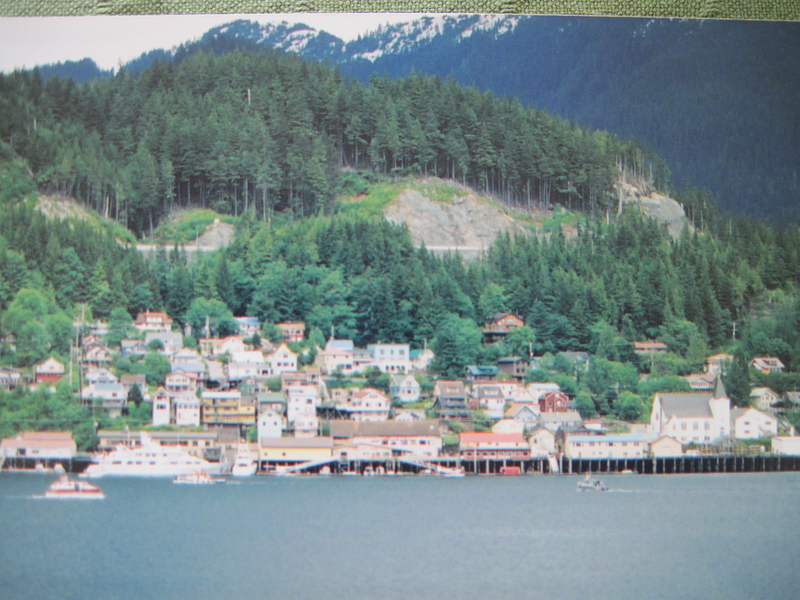
Arrived in Ketchikan @ 3:30 pm. Mine was the last rig to disembark. I found a forest service campground at Ward Lake. It sat in the midst of red cedar, hemlock & Sitka spruce. The odor was intoxicating. Beautiful rain forest trails were present for hiking. Loons and a resident huge beaver were near me. Saw some deer on the grounds. It only cost me $5 per night because of my Golden Age Pass.
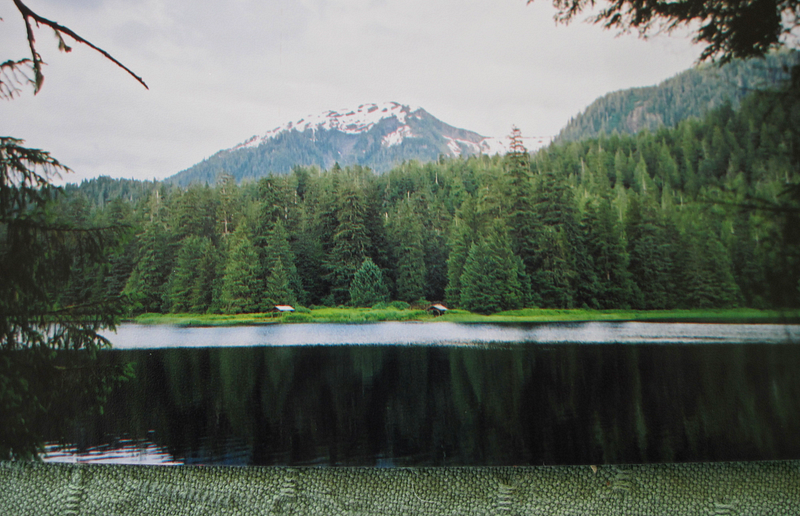
I drove to the city center the next day. The first port of call, it is a major stop for cruise ships. Tourists crowded the sidewalks and souvenir shops. Horse drawn wagons with huskies roamed the streets. Many visitors asked to pet Chan Teh. They wondered if I was part of the tourist attraction. “No. I’m a tourist like you.”
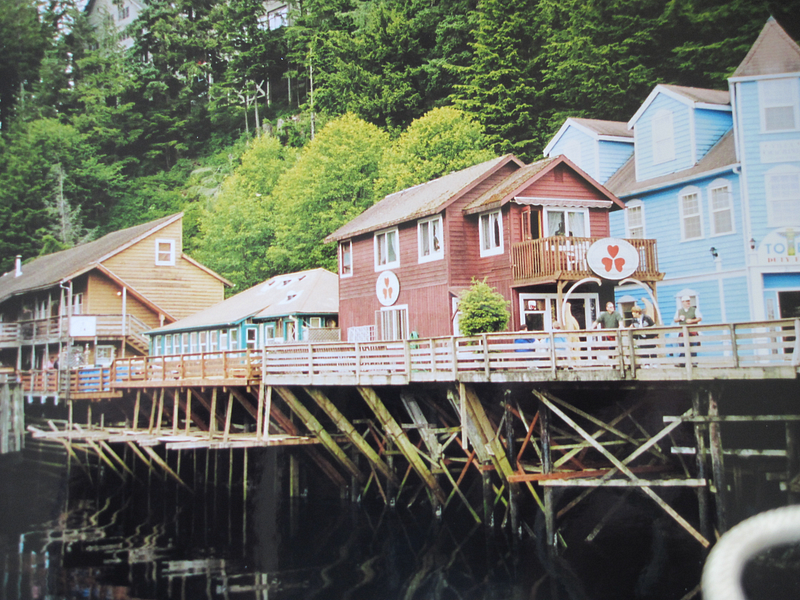
Originally Ketchikan was an Indian fishing camp. Then a salmon cannery, followed by mining and logging. Now tourism is their biggest economy.
Alaska’s 4th largest city is visually charming. Much of the town sits on stilts. Buildings are suspended above water on pilings. It clings to steep wooded hillsides. Creek Street is a famous Red light district.
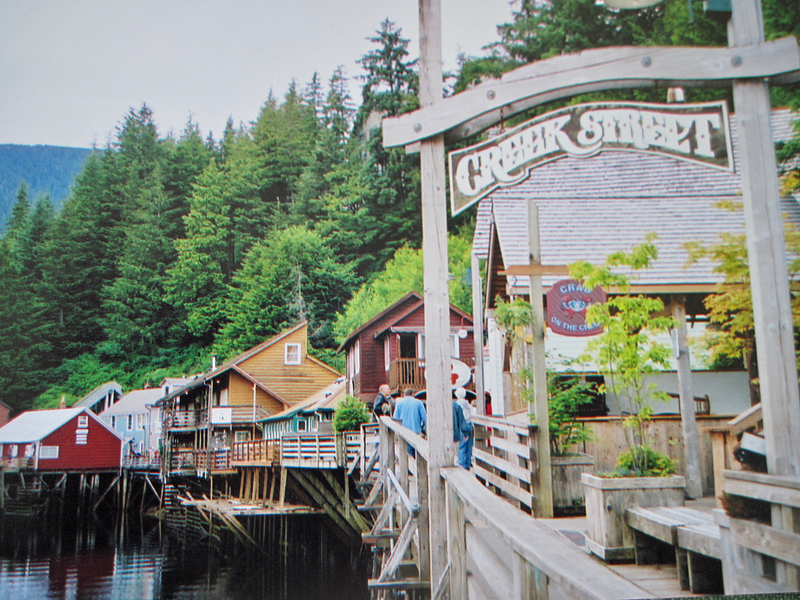
The city claims to have the largest collection of Totem poles at Saxman totem park. I can believe it. I’ve never seen so many unique totem poles in one area.
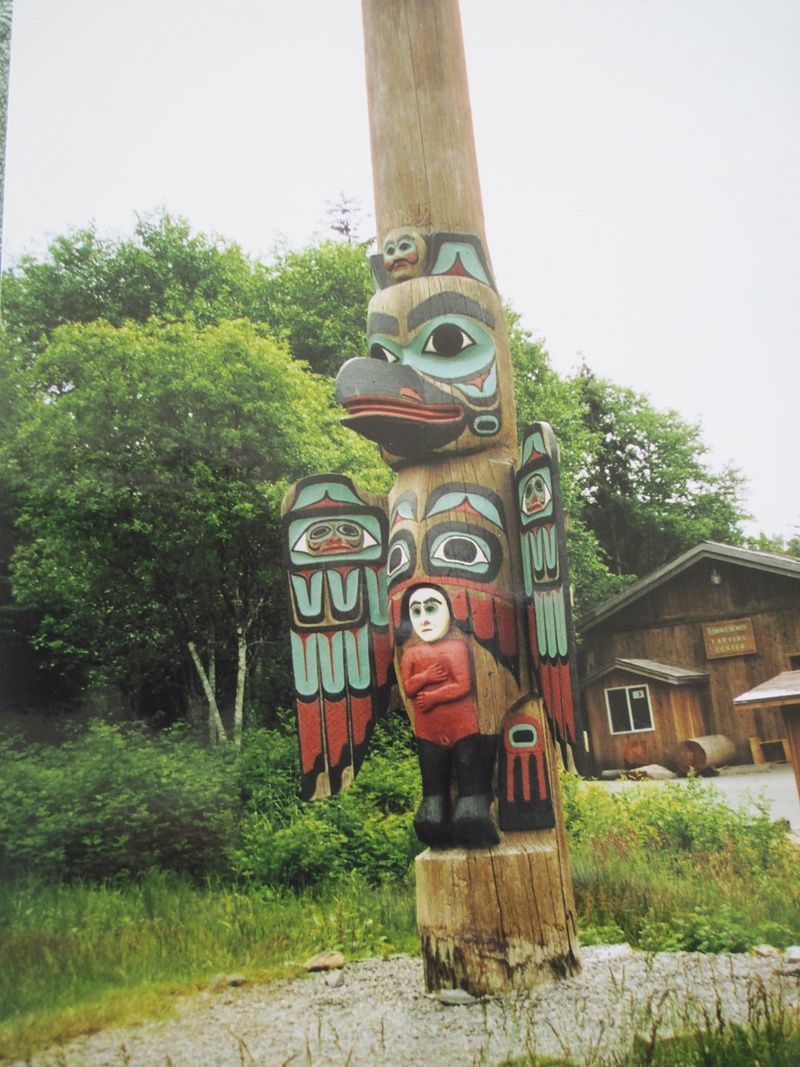
Our last day at the lake, it rained on & off. A deer surprised Chan Teh on one trail. She leapt forward in fright. A family of beavers swam back & forth on the lake with saplings.

I boarded the Malaspina Ferry to Petersburg. Ate in the dining room because we’ll won’t be docking until evening. There was a FS Interpretive ranger on board. She educated us about the wildlife & towns along the way.
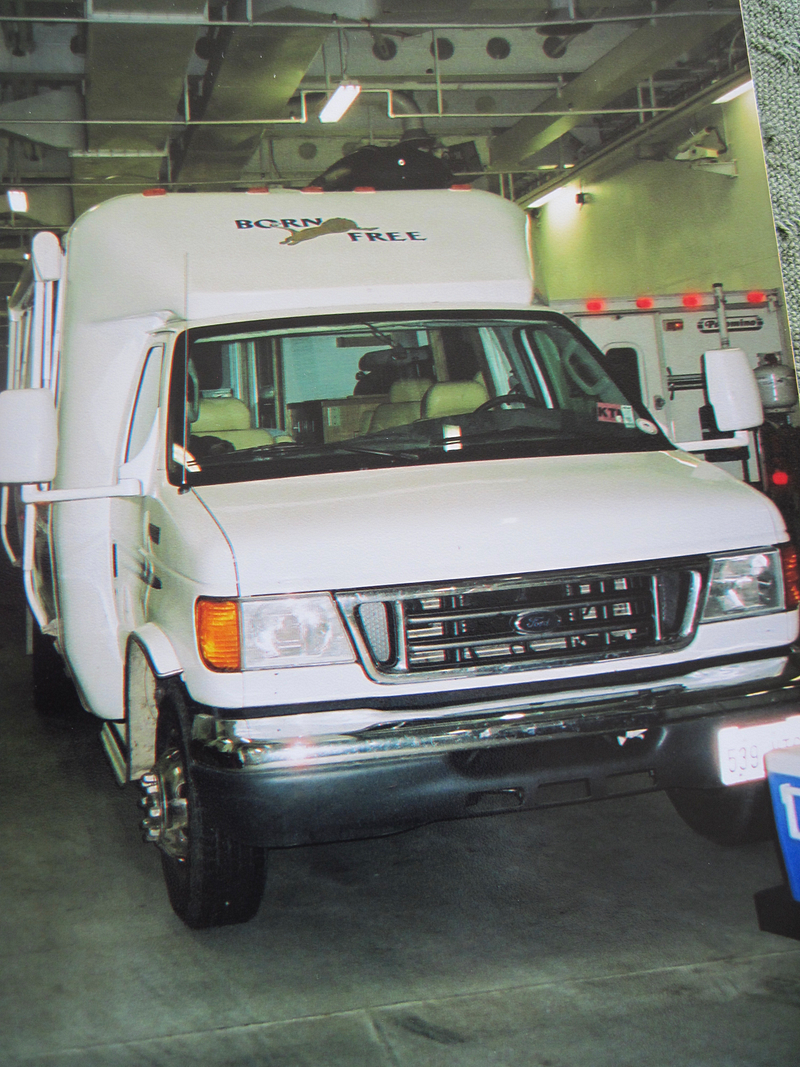
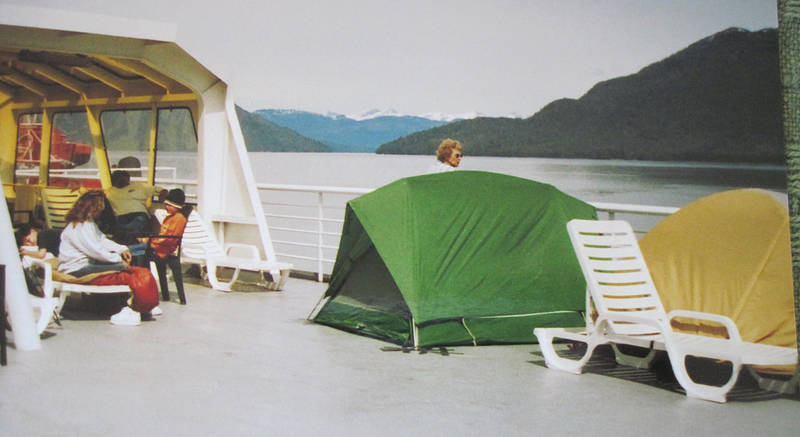
Near Wrangell we saw porpoises & humpback whales blowing. Bald eagles abound in the trees. While docked we could take our dogs off the ferry for a half hour. It is the only city in Alaska to have existed under 4 nations & 3 flags. (Tlingit, Russia, Great Britain & US)
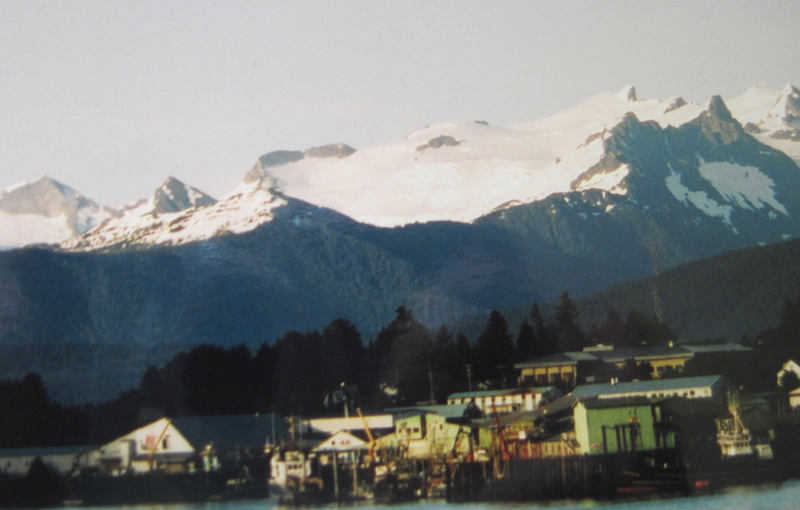
Spectacular glacial mountains formed the backdrop for Petersburg. This was my next stop. Since it was late I needed to find a camping spot right away. I was disappointed by the tourist books that recommended staying there. Too few camping places. Not that much to see. Most visitors come there to fish.
Three canneries hire lots of international people in season. They process most of the salmon & shell fish for the US. I met a young female college student from Ohio. She was working that summer in a cannery. A bunkhouse was provided for employees. Meals were available in a cafeteria. She worked long hours in a very smelly warehouse.
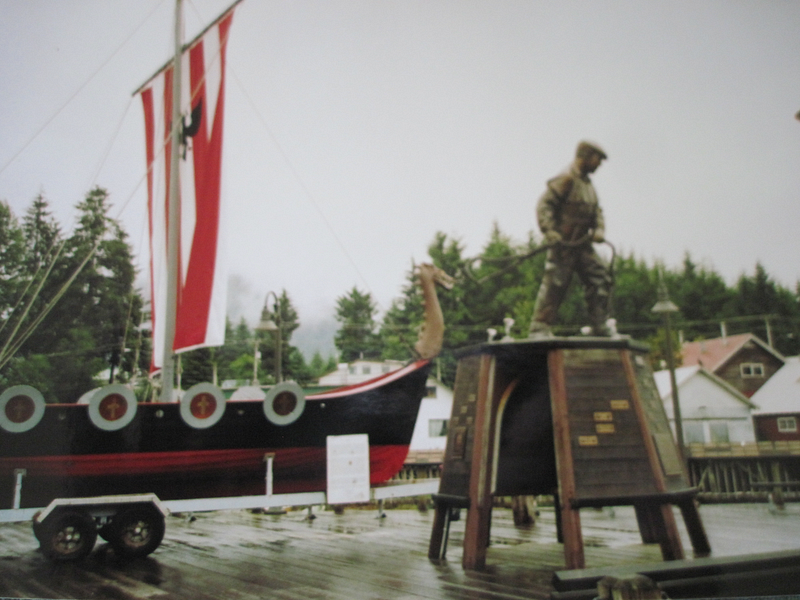
The town claims a Norwegian heritage. The area does resemble Norway’s fiords. Their grocery store delivers supplies to individual fishing boats. It proclaims its waters are the largest halibut fishery.
I wasn’t the only one using the library for its WIFI capability. Many internationals were using computers also. They could earn much money during the season, more than back home. It continued to rain intermittently.
I boarded the Matanuska ferry for Juneau on a rare sunny day. And visited with some Amish from Indiana. They had 17 grandchildren. The woman could name them all. Her husband just raised his hands with hunched shoulders. We passengers saw whales & some flukes as they dove. Several porpoises swam beside the ferry. They like to play in a ship’s wake.
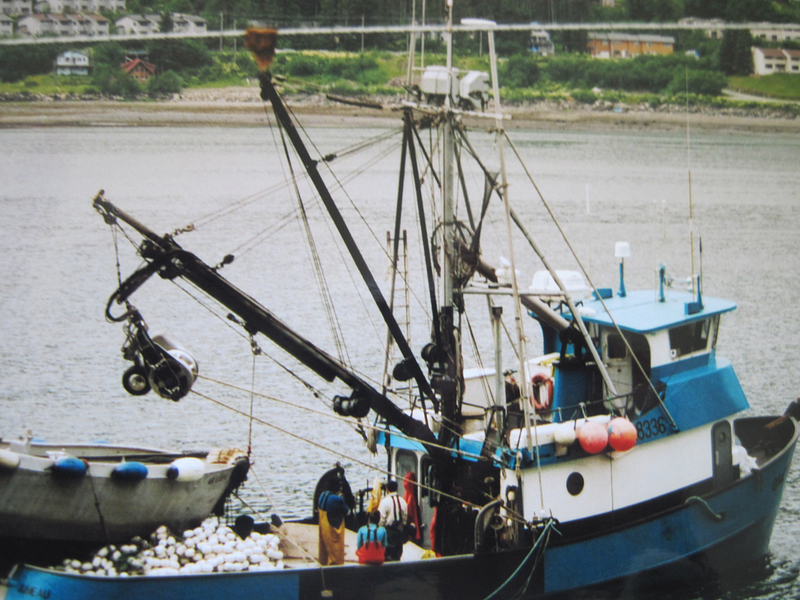
Alaska’s capitol, Juneau, huddles at the base of tall majestic mountains. Most residents are government employees. I hiked up to the Governor’s mansion to see the famous mosquito totem.
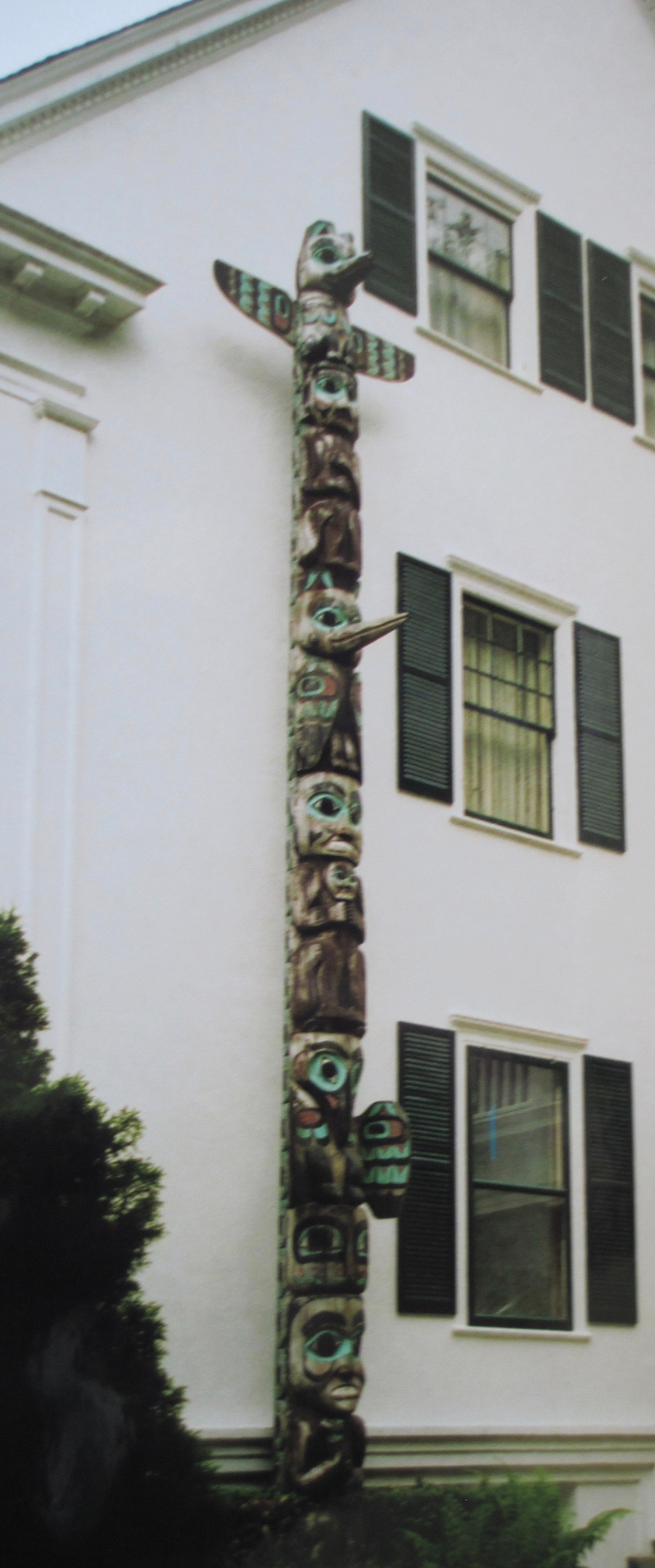
The hilly streets remind me of Portland, OR. Homes sit on stilts. There are wooden stairways and beautiful flower gardens galore. Bronze statues & totems grace the waterfront.
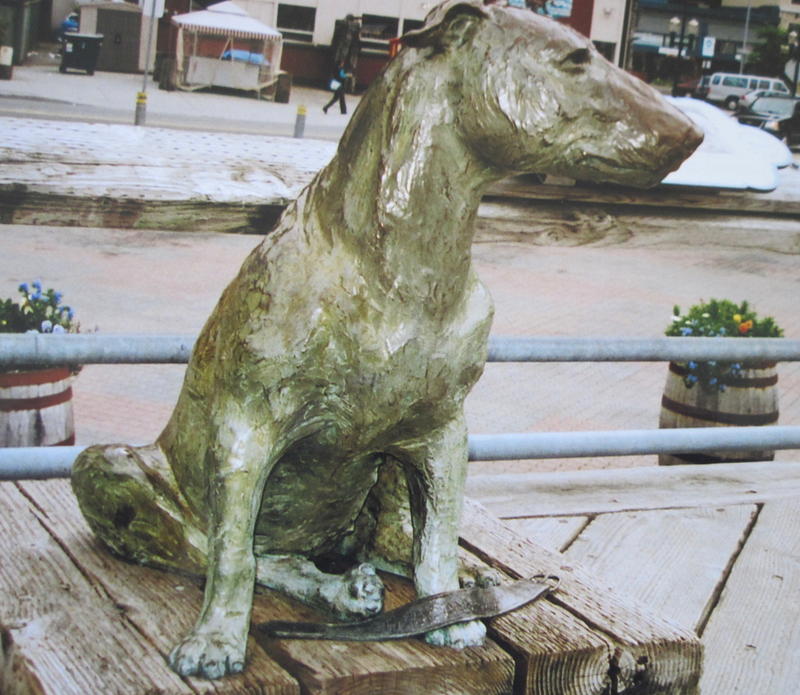
This statue represents a mongrel dog who faithfully greeted every cruise ship. He didn’t belong to anyone. The townspeople fed and cared for him. He was their town mascot.
Two huge cruise ships were docked in port. Tourists couldn’t resist petting Chan Teh, which she didn’t mind at all. Juneau isn’t connected by road to the outside. It is the only state capitol that can say that.
This is a very scenic capitol. It has intercoastal waterways, lush rain forests, and awe inspiring glaciers. I drove to the Mendenhall glacier, an arm of the Juneau Icefield. There were floating icebergs on the lake.
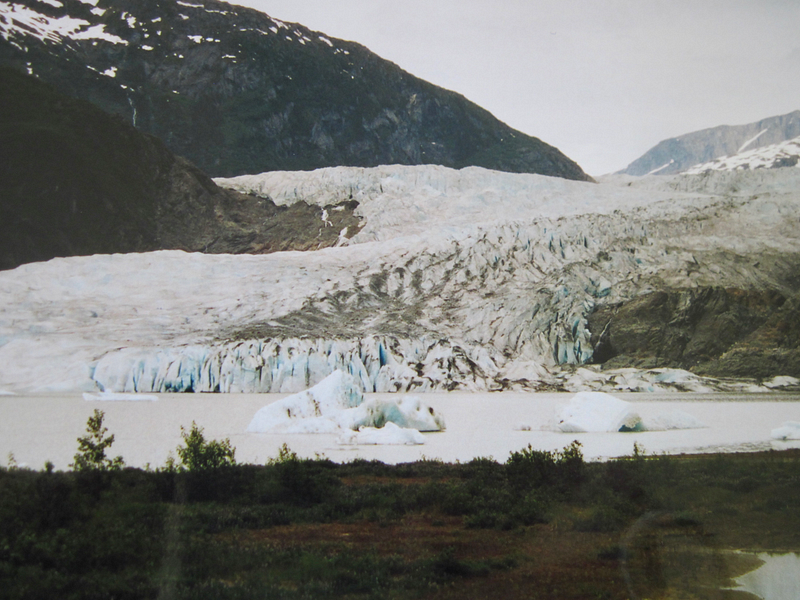
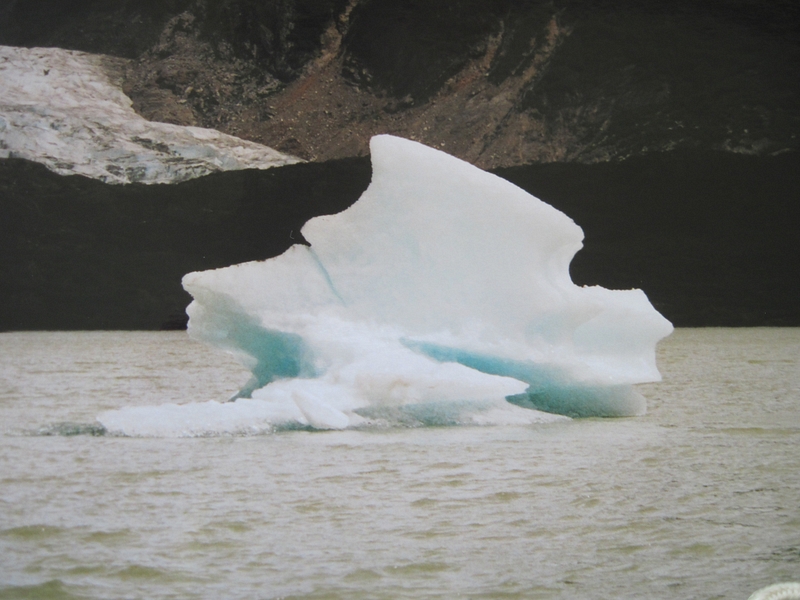
Hiked the West Glacier trail to see it from above. It was strenuous in parts with fixed cable railings. Chan Teh enjoyed herself. She just loves trails.
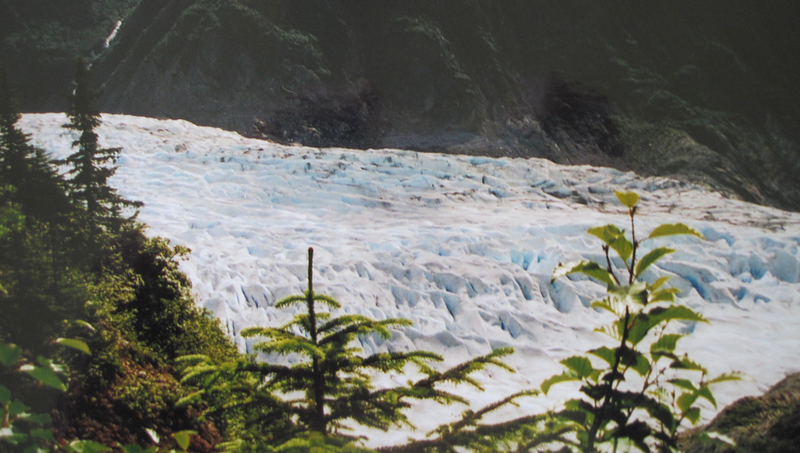
It rained for the next 3 days, so I worked on some of my carvings. I stayed at the Mendenhall Lake FS campground. A black bear meandered through my campsite one evening. The sight was thrilling. Juneau is not known for many sunny days. Year round, only one out of every ten days is clear.
Local comment by a resident I met on the street.
“If you live in Southeast Alaska, you have to go rain or shine, or you don’t go anywhere.
One of biggest plusses of living in Alaska is the freedom & responsibility that comes with it. Out on the water, if you do something stupid, you’re on your own. The illusion of protection is just that in the lower forty-eight. One needs to be prepared for any contingency!”
I boarded the Fairweather ferry to Skagway located at the north end of Taiya Inlet. It owes its birth to the Klondike Gold Rush. Thousands of gold seekers followed White Pass & Chilkoot trails in1897. The stampede ended in 1899. It relies on tourism now. Downtown has false-fronted buildings & boardwalks. Many cruise ships dock there.
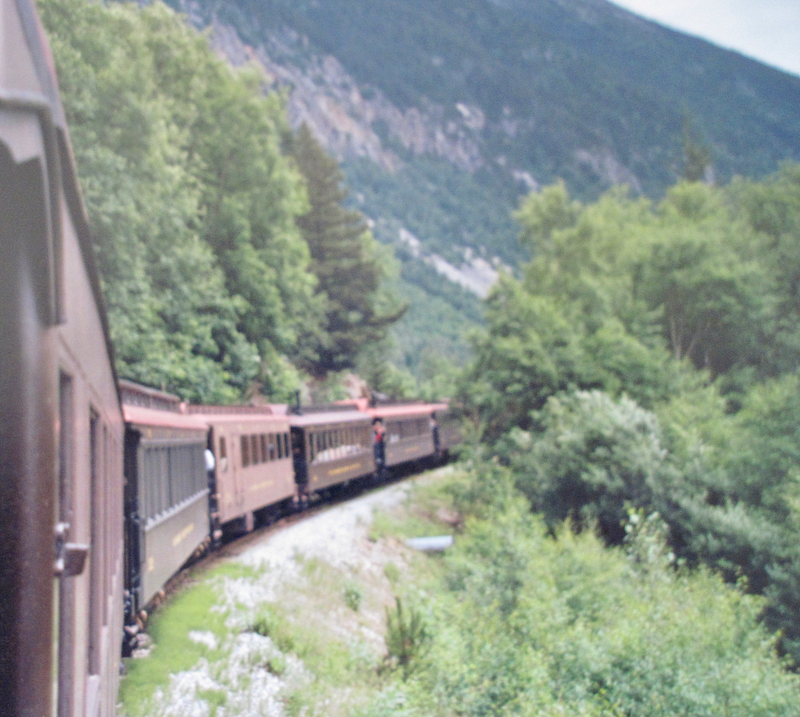
I rode the White Pass & Yukon Route railroad one day. I wanted to backpack the Chilkoot Trail. Unfortunately there was no place to board Chan Teh. This was another option. I enjoyed three hours of spectacular scenery & narration about the gold rush. We passed rusted relics & machinery parts. It has one of the steepest grades in US on narrow gauge tracks.
Chan Teh and I hiked to Gold Creek Cemetery. Most died at 30–40 years of age. There was a fabulous view of Reid Falls. I shared a cup of creamy salmon chowder with Chan Teh afterwards.
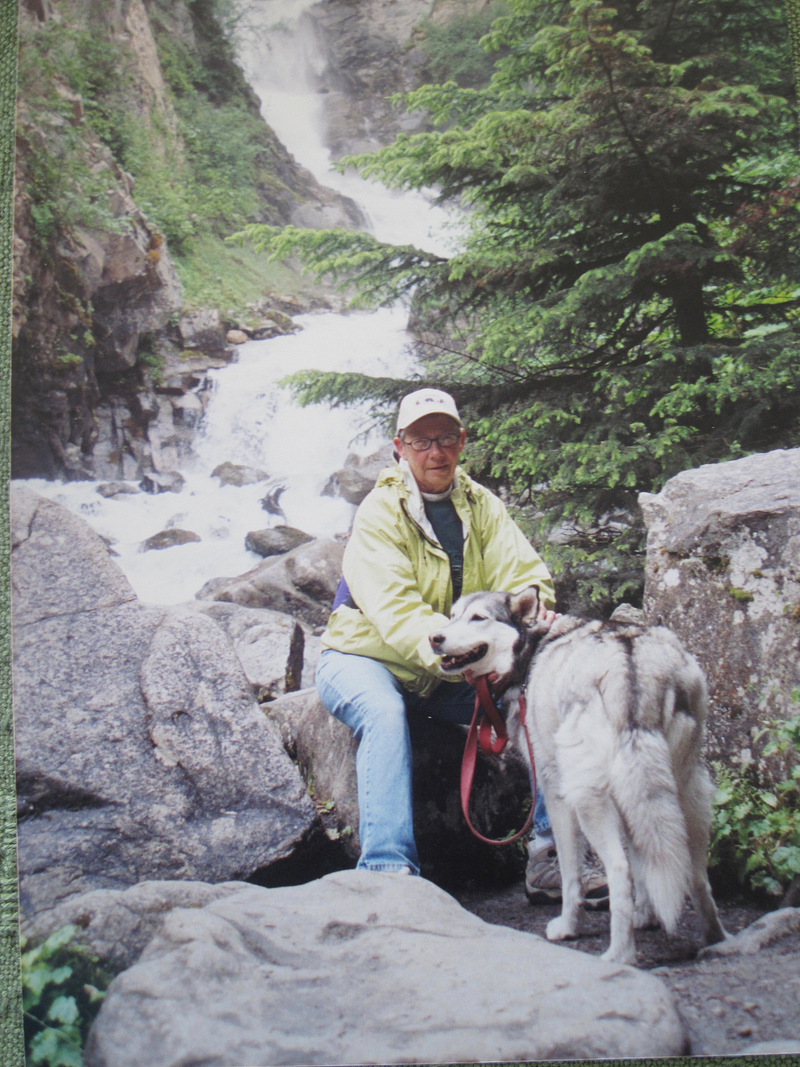
July 9 — Skagway connects to a highway leading to Whitehorse, Canada. Now it was time to continue driving on the road again.
Passed this black bear beside the road as I left town. Hope you’ve enjoyed going up the Inside Passage with me.
Takeaways:
- Recommended to book reservations far in advance of intended date.
- Most important if you have a large rig.
- If you have a passenger car or small RV — you can take a chance as I did
- You can exit at any town along the Inside Passage
- But it will be three days until you can board another ferry.
- Expect rain, the Tongass is a temperate rain forest
- The ferries do have a dining room and sleeping berths
- Backpackers anchor their tents to the deck with duct tape
- Access to Inside Passage towns is by water or air alone