
A Real-Life Guide to Becoming Unstoppably Resilient
This is how you get an unbreakable spirit
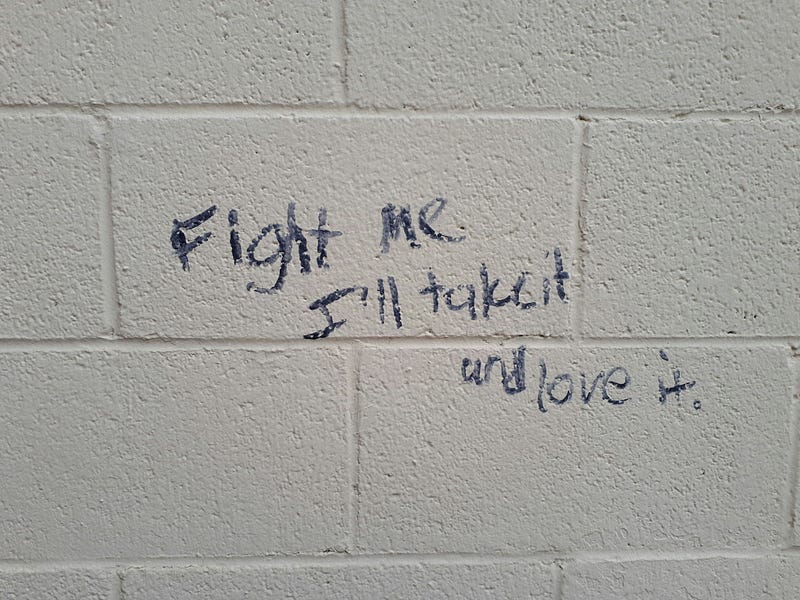
“It is not events that disturb people, it is their judgments concerning them.” — Epictetus
Mental resilience is not a luxury. I even consider it necessary. Life throws all sorts of things our way, and when I look around, there are plenty of people who struggle to cope with certain setbacks. Fortunately, this, like many other skills, is trainable. However, I must add that it requires a deeper, almost Stoic dedication to self-development and insight.
The foundation of resilience: self-knowledge and acceptance
The basis of mental resilience lies in self-knowledge and in accepting what we cannot change. I used to always think that resilience began with taking on the battle with the outside world, but now I think differently about it. For me, it starts with acknowledging my inner world.
By getting a better understanding of my thoughts, feelings, and underlying patterns that drive my reactions to external events, I began to discover how important acceptance is.
I distinctly remember one evening when I was trying to unwind after a long day at work, I couldn’t stop my thoughts. I kept ruminating on all the tasks I still had to complete. I also tried to imagine the difficult conversations I would need to have the next day. At that moment, I felt I actually needed to push myself even harder. To use every minute productively in an attempt to regain my sense of control.
Suddenly, I had enough. A different feeling overcame me, overshadowing my previous drive to push harder. I decided to pause. To confront my feelings of fear and being overwhelmed. To stop hiding or ignoring them. I wondered why these situations had so much impact on me.
By doing so, I tried to recognize my underlying thought patterns.
This self-examination led to the realization that my fear stemmed from a deep-seated belief that my worth as a person depended on my achievements and productivity. Pure BS, of course. My ego was clearly in control again. It was time for me to take back the reins.
This was a challenging moment of self-realization, but it was also a crucial turning point. I began to see the importance and value of self-acceptance. Suddenly, it dawned on me that some things (or maybe even most things) are beyond my control, and that’s perfectly okay.
I learned that resilience is not about constantly fighting the external, but about finding inner peace with myself, which includes acknowledging my limitations. I can’t do everything, and I don’t have to. With this shift, my mind finally became quieter. I decided to experience whatever came my way, just as it would happen. The reins I took in my hands, I actually let go of. A conscious choice I was able to make because I chose to reflect instead of letting that inner dialogue keep spinning.
The power of discipline and practice
Resilience is like a muscle. To make a muscle stronger, we must train it. Regularly, and with discipline. Therefore, I regularly take on small, achievable challenges to stretch my own boundaries. These exercises range from physical training to deliberately seeking out uncomfortable situations that force me out of my comfort zone. My recent 20-kilometer walk was a fun example of this. It is this kind of discipline, the consistent application of small actions, that has gradually made me stronger and more resilient.
Building on the idea of resilience as a muscle that requires training, I now invite you to develop your own ‘resilience muscle’. Try this by taking on small, achievable challenges with yourself. Start with something small. Something that is just outside your comfort zone but still achievable.
I can’t tell you what this exactly is. Maybe for you, that means starting a new hobby that you have always been curious about but still find quite exciting. Maybe for you, that means starting a conversation with someone whose opinion differs greatly from yours.
You know where your limits are at this moment, so dare to look at yourself in the mirror and be honest about these challenges.
The idea is not to overwhelm yourself. Simply take small steps regularly that gradually expand your comfort zone. All small victories are stored in your internal frame of reference (that ‘box of cards’ in your mind that represents your experiences).
These small victories not only build your self-confidence but also increase your ability to deal with unexpected situations or setbacks that you are bound to encounter in life. You’ll find that, just like my 20-kilometer walk or burpee sessions, these exercises are not only physically but also mentally enriching.
By consciously choosing these small challenges, you will see a change in your general attitude. You cultivate an attitude in which growth and development are central. You get to know yourself better — your limits, strengths, weaknesses, and how you respond to stress or discomfort. This self-knowledge is crucial for building a solid foundation of resilience.
So, which little challenge do you want to tackle first? How do you think this step will increase your personal resilience? Think about these questions for a moment and plan your first small action. It is not about the size of the challenge, but about the regularity and intention with which you take it on. This way, step by step, you build a stronger and more resilient version of yourself.
Flexibility and adaptability
Another incredibly important part of mental toughness is your ability to be flexible and adaptable. You must be able to adapt to ever-changing circumstances. Nature teaches us that it is not the strongest species that survives, nor the most intelligent, but the species that best adapts to change. I have taken this lesson to heart by diversifying my approach to challenges and always being willing to adapt my strategies.
This wisdom became reality for me the hard way in 2006, the year my mother passed away.
Suddenly I found myself alone. The support and guidance I used to have was gone. My father came into the picture after my thirties, so he wasn’t in my life back then.
The loss was overwhelming. I had lots of new responsibilities weighing on my shoulders that seemed impossible to handle. I had to deal not only with my own deep grief but also with the practical aspects of life that my mother had always managed.
In the aftermath of her death, it became clear that my previous way of life was no longer sustainable. I couldn’t stick to the rigid routines and expectations I had set. Instead, I was forced to learn and grow in ways I never thought possible. I was just 18 years old — a lost young man.
This started with small adjustments. I had to find a job and learn to manage the home and finances, but it quickly grew into deeper changes. Changes in how I dealt with challenges and unexpected situations.
The most important thing I learned was to be flexible. I discovered that rigidly clinging to “how things should be” only hurt me more. By being open to new ways of thinking and doing, I found strength in adaptability. This not only helped me survive without my mother but also allowed me to thrive despite my grief. I was determined to make her proud, despite all the stupid stuff I used to do.
Her death forced me to reevaluate and adjust my life in ways I never thought possible.
Since I accepted that life is unpredictable and that change is the only constant, I found the strength to keep going.
I promised myself a lifelong commitment to keep growing my mental toughness and resilience. Yes, it’s a path that requires discipline. Yes, it’s a path that requires perseverance. It required an unwavering belief in the possibility of personal growth.
I have discovered an inner strength that I never knew I had. Thanks to a conscious choice to get stronger mentally, I am stronger in life. I have faced many challenges, and I’m ready to take on any challenge with an open heart and a fearless spirit.
I share my story in the hope that it inspires others to walk their own path of building mental resilience. Yes, you do need courage. Courage to be vulnerable. Courage to fail. Courage to rise again, stronger than ever before.
As the Stoics taught us: power lies not in what happens to us, but in how we respond to what happens to us.
On to an unbreakable spirit. Let’s go.
If my words hit home for you or if this was valuable, consider showing some love — buy me a coffee. It’s cheaper than therapy!
And hey, connect with me on Substack.


