
A People Who Celebrate Rains like No Other
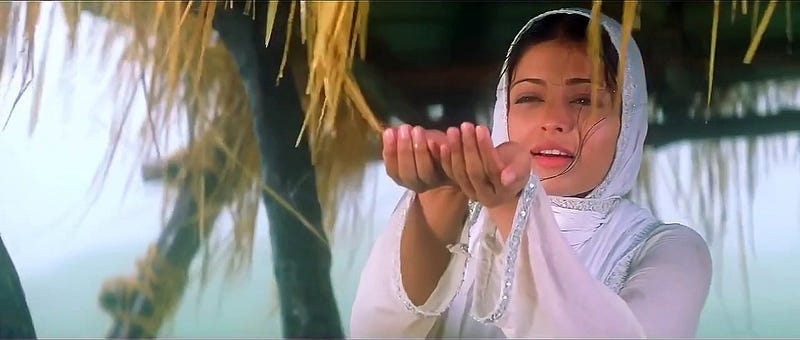
The southern regions of India and Pakistan have hot and dry weather for most of the months. But monsoon, the rainy season that starts in July and ends in August brings much-needed rains. Monsoon is called Sawan in the local languages.
I can say with surety that no other people on earth have written poetry about rains more than the people of the Indian sub-continent (India and Pakistan). No other people would have as many traditions and festivals about rains as we have. From the times of ancient India, our people have been celebrating monsoon in different ways. Our love for rains is quite visible, from folk songs to current Bollywood songs, from classic poetry to modern poetry, from children’s stories to famous novels, everything has so much about monsoon in it.
The most interesting fact about monsoon celebration is its power to unite people. People of all religions and cultures (we have so many sub-cultures) celebrate it with equal zeal. Before the eruption of big modern cities, the people used to celebrate monsoon in a way that still makes us nostalgic about it.
Women would wear colorful clothes and decorate their hands with Henna. All the young girls would go out to play on swings with their friends and sing songs of rain. Older women would cook delicious food that is still associated with rainy days. Monsoon comes at a time when world-famous Indian mangoes are ripe too, so eating mangoes while playing in rain was also a treat. When the rain stops for a while, young people would gather on rooftops to fly kites. Many new love stories would start during the kite flying.
Other than these casual celebrations, there are some festivals too that are still celebrated in monsoon.
Teej:
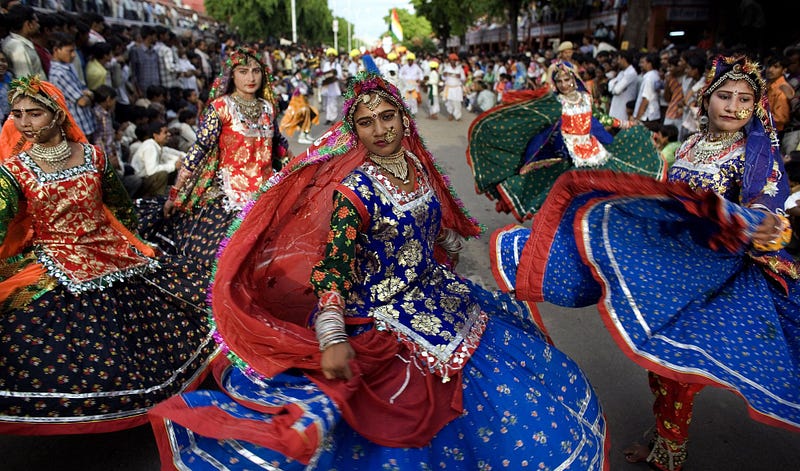
Teej is the most famous of them. It’s a three-day festival celebrated in Rajasthan, Haryana, Uttar Pardesh, and Bihar states of India. Along with traditional dances, it also includes kite flying and other activities that I described earlier.
Janamashtami:
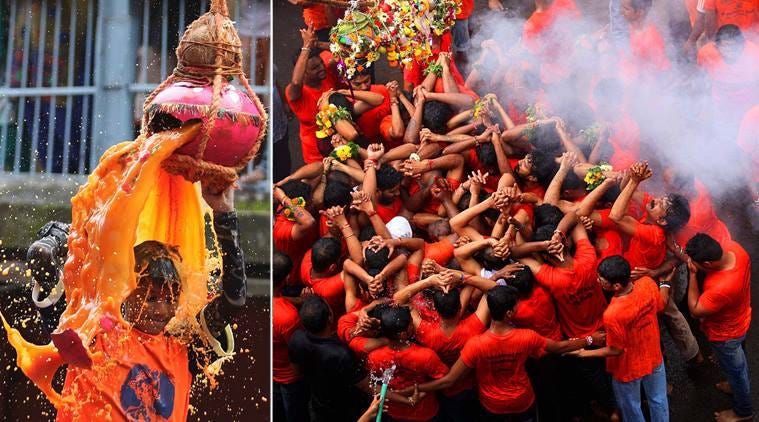
Janamashtami is a religious festival of Hindus. It is celebrated on the birthday of God Krishna, who was born on the 8th of Sawan or monsoon. It is celebrated all over India but the biggest celebration is held in his birthplace Mathura. Children wear costumes to look like Lord Krishna and play tableaus depicting his life as a child. The most famous activity of this festival is Dahi-Handi (Yogurt Pot). People form a human pyramid to reach and break the pot filled with butter and curd. This pot hangs from a great height.
Onam:
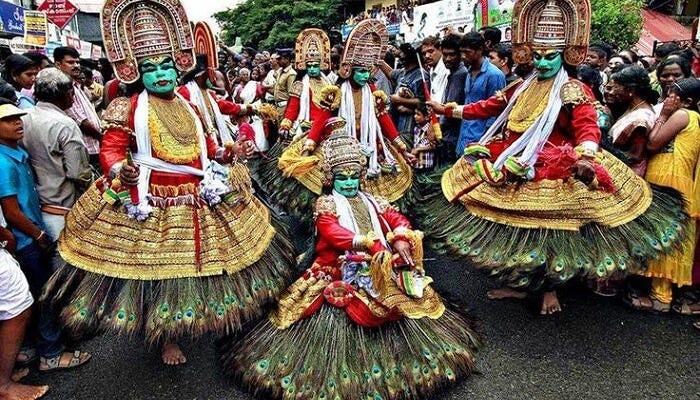
Onam is celebrated in the west region of India. It is also very famous with tourists and they attend it in flocks. This too is a religious festival of Hindus who celebrate it to make the spirit of King Mahabali happy, who is said to visit on Onam day. Onam also includes the harvest festivities.
There are so many activities held during this festival. That includes boat racing, creating India’s famous Rangolis in every household, and cooking of twenty-one types of homemade curries. There is also a carnival of elephants before the special Pooja (worship) in temples. The festivities include tiger dance, mask dance, folk dance, singing, wearing costumes, martial arts, and other celebrations.
Rakhsha Bandhan:
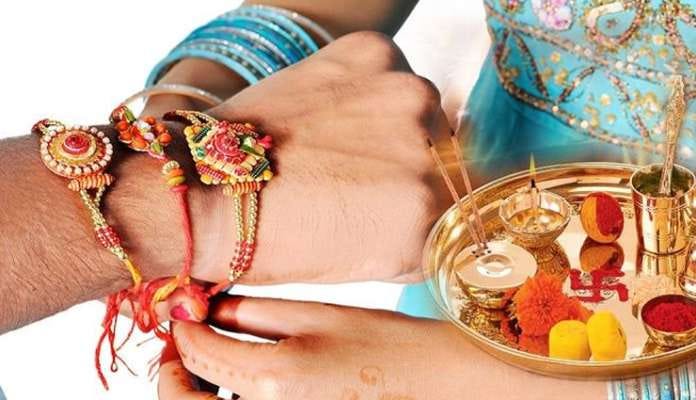
Rakhsha Bandhan is the festival that celebrates the love of brothers and sisters, also falls in monsoon. The girls tie ribbons on their brothers’ wrists and pray for their long life while brothers take an oath to protect their sisters from all kinds of evil and dangers. Brothers also give gifts to their sisters while sisters cook food for their brothers on Rakhsha Bandhan day.
The list of monsoon festivals goes on and on so I have limited it to the most famous ones.
Muslims don’t have any religious festivals attached to the monsoon, perhaps due to the roots of Islam being from the dry Arab deserts. But still, they celebrate monsoon with so much joy. The good thing is that even the modern lifestyle could not take our love for the monsoon away from us.
We can still feel the longing of a girl who is sitting on a swing, wearing a yellow dress, with jasmine flowers in her hair, and singing the songs for her lover who is not with her on that beautiful rainy day.
Here is a beautiful song to enjoy in rain for you.