
Pardon My French
A Parisian Reacts To Emily In Paris Season 2
Answering some questions you may have.

My TV is still warm from binge-watching season 2 of Emily in Paris as I start writing. At first, I didn’t plan to write about it, but by the third episode, I knew I needed to.
So here we are. Let’s debunk some myths and exaggerations perpetuated by Netflix.
Spoilers ahead
I didn’t like the first season. I didn’t find it gently romanticizing my culture. All I could see was the poorly written stories, characters, and the profound inaccuracy of it all. The positive point is that I liked the second season better.
I’m hard with the show, I know. It’s not all bad — I know that too. What bothers me, it’s that it is a Netflix creation. Which means money. Which means they could have done a better job researching, writing, etc.
Money-colored glasses
Let me start by saying that the lack of diversity is simply astonishing. If you take the time to meet Parisians, you’ll realize how diverse Paris is. Out of my 5 closest friends, one is from Vietnamese origins, three are from Algerian origins, and only one is white. Though in French white, or black, is not an origin nor a race.
France has a long bloody history. We made a lot of enemies, for very good reasons. We have colonized a lot of places. When France left (or was kicked out), a lot of people followed. Hence the diversity.
Now, you need to know that Emily In Paris is truly the Paris of the rich. You never see Emily in Barbès. Even when she leaves Paris, she doesn’t go just anywhere. A castle in Champagne, or Saint-Tropez? Damn.
But I digress. Instead of ranting, let me offer some insight on the couple of truly surprising things I’ve witnessed this season.
“Really?” is what I said half the show
A Megxit joke? Really? In 2021?
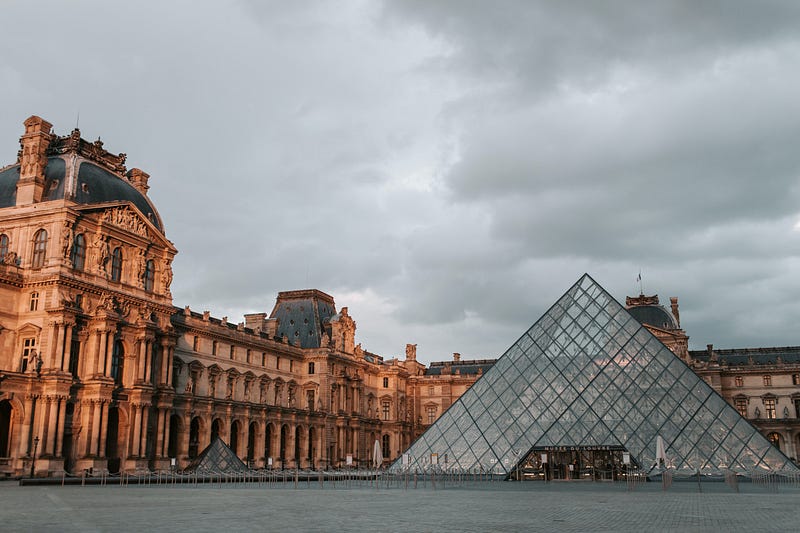
La Dame Pipi? It is not a usual thing. Especially not in a high-end restaurant near the Louvre. You could find a dame pipi in the train stations or malls, sometimes, but that’s it. The fact that an entire storyline was developed around the dame pipi concept is beyond me.
I need to address something. No, we don’t smoke that much. It is forbidden to smoke in public places. It included workplaces.
A couple of years ago, the government decided to raise the price of cigarettes. As of the first of January 2022, it is expected for cigarettes to cost about 14euros a pack. Smoking has become expensive, so fewer people are smokers. We also have nationwide campaigns and aids to help quit. Also, no one would gift a cigarette case.
Now, working on the weekend? That’s total BS. I know, I’ve worked on the weekends when I was a student. Many offices don’t work on the weekend, like most places, but it is a choice. Restaurants, shops, museums and more stay open — so a lot of people are working. We are even paid higher on Sundays and late at night. It is the law. Some people choose to work on Sundays for the extra money.
Do we have AC? Well, this one is more complicated. Old buildings probably won’t have AC, but we do sell small units that one can plug. Though, once the temperature rises, it might be hard to come by. However, it is unlikely that workplaces don’t have some AC or at least fans. We are not dumb: we don’t open the windows wide when it’s hot outside. We keep them close and the curtains down.
Some grey areas
On some rare scenes, Netflix got it right. I couldn’t help but laugh at Luc promoting the great outdoors — in the middle of Paris — and collide five feet later with another bike. Then, they started to insult each other. Yeah, that could very much happen. I have screamed at my fair share of people.
I asked my husband if they ate a lot of leeks in the US. I wasn’t disappointed when he answered “no but we eat a lot of normal onions”.
Leeks are indeed pretty common in France. It’s easy to cook, goes well with fish, some rice. My mom cooks them with coconut milk and curry. But we eat leeks. We don’t drink the water they were cooked on. I looked it up, it can be good for you, but not instead of a real meal.
Finally, we are not obsessed with dieting, but we are getting there. Just not at the point of drinking leek cooking water. I found it badly handled by Netflix to promote a stupid diet idea, then have Emily criticize it. In my opinion, it didn’t add anything to the story and was another strange depiction of French habits.
Paris is just another big city
I enjoyed is the exchange between Emily and Alfie about what Paris represents for them. It was interesting because it shows that Paris is not for everyone.
For the past couple of years, more and more people are speaking up about Paris not being what they thought. We even have a syndrome named after it. People hype up the city, making it the most beautiful place in the world. It’s a hard reputation to live up to.
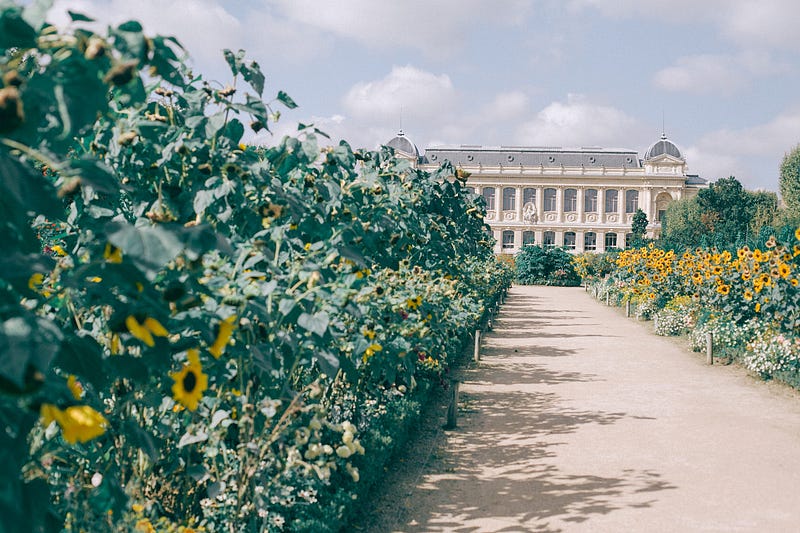
I do believe it is the most beautiful city in the world — at least the world I have seen. No place has the same diversity of architecture and culture. We have so many beautiful parks. We have the Seine (not as polluted as you’d think). We have many theatres, two operas, many many museums, bicycle-only streets, great public transportation, and more restaurants than one would need.
It’s a great place to live, but it’s not perfect. No place is. It also has the same issues as many big cities. The prices are high, the criminality is higher, there is pollution, a lot of people, traffic, etc. Nothing you wouldn’t find anywhere else.
A damaging reputation?
Can the show actually damage Paris and France’s reputations? Obviously not.
We are a well-known country around the world for our wines, cheese, the South of France, our beautiful cities (including Paris), our gastronomy and more. Netflix or not, people will keep on visiting and learning French.
It does raise the question of representation, and how major it is. I fell in love with Stars Hollow (Gilmore Girls) so the first state I lived in was Connecticut. I even visited Yale. Many foreigners fantasize about New York because of shows such as Friends or How I Met Your Mother.
A show can make a reputation. It can also break one.
This is why it can be so damaging when shows perpetuate clichés and jokes of the past. Fat people jokes. Black people jokes. Disabled people jokes. Sexist jokes. And so on. Any minority.
It won’t break Paris, and it definitely will not break the French spirit, but representation can be harmful when poorly handled. Always remember to take a step back. What you are watching is a work of fiction, not reality.
Netflix surely has the means to hire people to fact-check the script. It doesn’t take that much money to ask around if what you’re about to put out for the world to see is real. After all, many learn from what they see.
EDIT: I only addressed issues with Paris and French culture. There is much more to be said about this problematic show. If you want to hear a more general analysis of season 2, I recommend this great video by Friendly Space Ninja.
Thank you for reading. Join Medium to support me and many other writers. This is an affiliate link: a part of your subscription will be distributed to me, at no extra cost for you. You can also buy me a coffee.


