
A New Way of Looking at Age
A free conference this week explores the impact of longer lifespans.
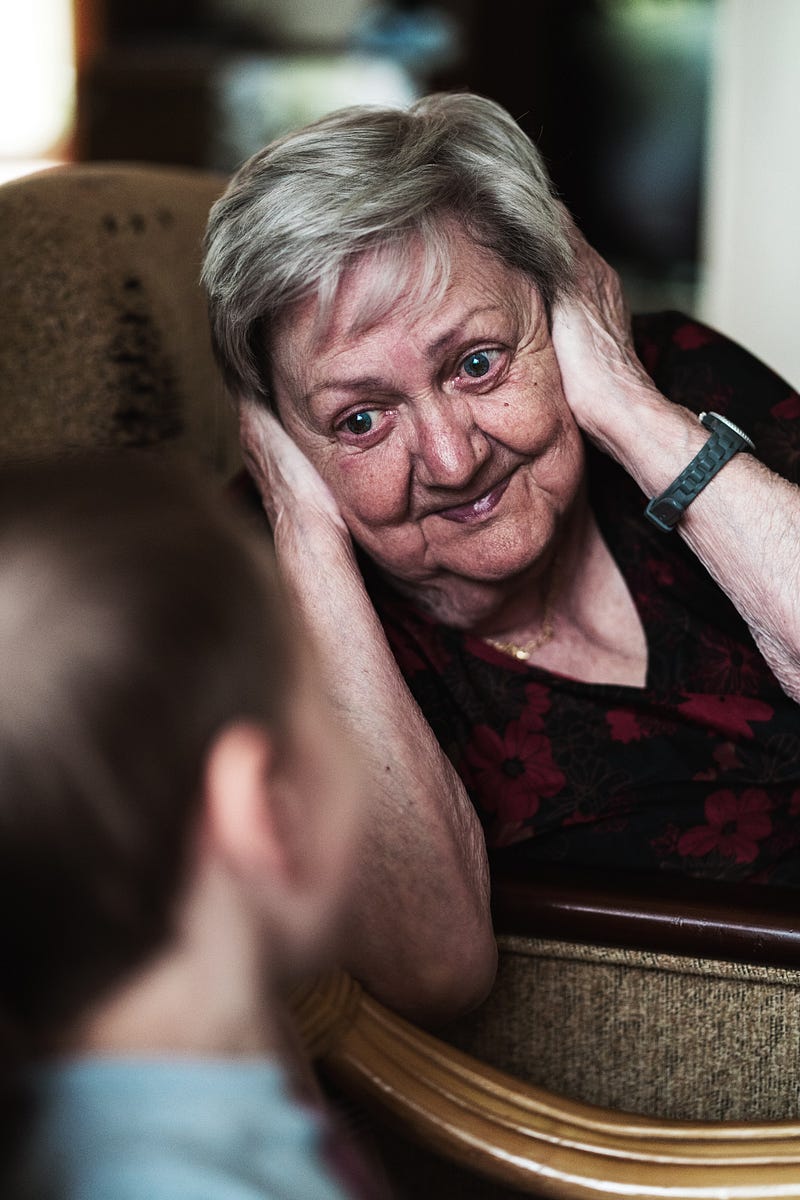
In my early 60s, I felt like I was on the edge of a precipice, about to hurtle down into the abyss known as ‘old.’ My usefulness was over, done in by my greying locks and sagging chin line. For weeks I was dogged by disappointment, feeling that my life was basically done. I accepted that death could be the next logical step for me. I didn’t know it at the time, but I had been caught in the negativity of rampant ageism.
I’m happy to say that this period was short-lived. After going behind the scenes at my mother’s assisted living facility and hanging out with a bunch of 80- and 90-year-olds, a more realistic picture emerged of what my future could look like. I started to see how, at 62, I could have another 30 or more years of living and I wanted to do something useful with my time. I still had plenty of energy and didn’t want to sit on the sidelines.
Since then, I have discovered thousands of people who have embraced life after 60, dreaming up new businesses and finding contentment in their families and relationships. The aging paradigms are crumbling, and we are constructing new understandings about what it means to age.
People who study ageism and longevity will tell you that society is already in a tidal wave shift. The number of people over 65 will increase by 22% in the next decade and our new experiences are re-shaping the narrative of what it means to age.
Laura Carstensen, the Director of the Stanford Center on Longevity, says this moment calls for a new map of life. In an introductory film launching at this week’s 2021 Century Summit, Carstensen tells us:
“Our ancestors in the early 20th century handed us a gift of roughly 30 extra years of life. What we did with these years is to tack them all on at the end of life.”
The problem, she explains is that “we get 30 extra years of life and the only stage of life that got longer is old age.”
Carstensen argues that we must re-apportion how we learn and work so we can take full advantage of a lifespan that can easily last 100 years. For example, she asks, why does education end for most people by age 20, rather than making it a life-long resource that people can repeatedly tap into for new skills. Why do we focus on working long hours during our 30s and 40s, when we could work four days a week, reduce stress, boost productivity and be able to continue working into our 70s?
Integral to this approach is the availability of programs that help re-configure our lifestyles. Participants talked about creating supportive living environments, like the neighborhood-based Village Movement, and about how to support family caregivers or provide a living wage pay for professional aides.
Carstensen says that the focus should not only be on those who are over 65 but also on the need to prepare our children to survive and thrive in what will most likely be a century-long lifetime.
If you’d like to take part in these workshops at Stanford on December 8 and 9, you can register for free right here.