avatarRavyne Hawke

Free AI web copilot to create summaries, insights and extended knowledge, download it at here

1445

Abstract

ercises and encourage us to keep a Writer’s Notebook and practice, practice, practice.</p><p id="2f0a">This exercise in <b>Alliteration</b> comes from my notebook that I kept while working toward my Masters in 1997–98. An <a href="https://blog.reedsy.com/literary-devices/"><b>Alliteration</b></a><b> </b>describes a series of words in quick succession that all start with the same letter or sound. This is one of my favorite exercises.</p><p id="6230"><b>A Near~Miss</b></p><p id="f5ba">near silent, slippered tiny toes teeter on the edge, elapsed</p><p id="2ea0">seconds, seek solace of everlasting ease — a dancer’s dive, a dip, a swan’s swoon</p><p id="460f">rocks, a ravaged river waves a whispered warning —</p><p id="173e">she’ll waste this once</p><p id="5f5a">©2020 Lori Carlson. All Rights Reserved.</p><p id="7cf0"><b><i>To get the best effect of this poem, read it aloud.</i></b> Notice the Ssss-sounds, the Ta-sounds, the Eh-sounds, the Da-sounds, the Rrrr-sounds, and the Waa-sounds. In the last line, even though <i>waste</i> and <i>once</i> do not start with the same letter, they have the same Waa-sound. Because I was playing around with sounds, you also have to be aware of where I put punctuation so that the poem continues to flow. For instance:</p><blockquote id="29f3"><p>near silent, slippered tiny toes teeter elapsed seconds, seek solace of everlasting ease — a dancer’s dive, a dip, a swan’s swoon rocks, a ravaged r

Options

iver waves a whispered warning —</p></blockquote><blockquote id="c3d7"><p>she’ll waste this once</p></blockquote><p id="0460">I could have written it this way; however, the shorter lines and stanza breaks make for a more pleasing poem, in my opinion. But at least you can see what I mean about paying attention to punctuation.</p><p id="b4ea">I hope you’ve enjoyed a peek into my Writer’s Notebook and how I fit words together. If there is an interest, I will share more of my exercises here on the usage of Literary Devices.</p><p id="de7d"><a href="https://medium.com/@ravynehawke"><b><i>Lori Carlson</i></b></a> writes poetry, fiction, articles and personal essays. Most of her topics are centered around Relationships, Life Lessons, Mental Health, and the LGBTQ+ community. She currently writes for <a href="http://lori%20carlson%20writes%20poetry%2C%20fiction%2C%20articles%20and%20personal%20essays.%20she%20currently%20writes%20for/"><i>Loose Words</i></a><i>, <a href="https://medium.com/illumination">Illumination</a>, <a href="https://medium.com/the-friday-fix">The Friday Fix</a>, <a href="https://medium.com/house-of-haiku">House of Haiku</a>, <a href="https://medium.com/know-thyself-heal-thyself">Know Thyself, Heal Thyself</a>, <a href="https://medium.com/the-purple-pen">The Purple Pen</a>, <a href="https://medium.com/blueinsight">Blue Insights</a>, and <a href="https://medium.com/afwp">a Few Words</a>.</i></p></article></body>

A Near~Miss

An Exercise from My Writer’s Notebook — Alliteration
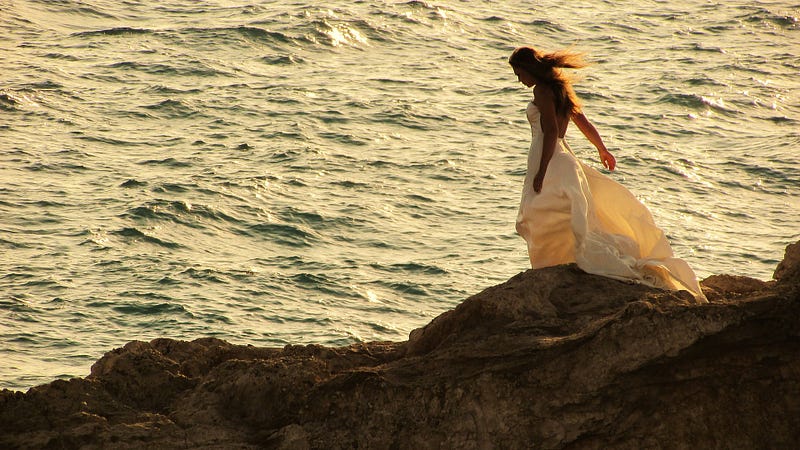
Image by Dimitris Vetsikas from Pixabay

I have always loved words — written, spoken, whispered, signed. For me, learning how to put words together was like playing with blocks and creating towering poems. I learned about Literary Devices in high school, but was never taught how to make them work. We’d read a poem or story and the teacher would say, “That’s a metaphor or simile, or that’s juxtaposition.” My hand would immediately go up and I would beg to be told why use them, how to use them, what were their effects. Silence. I was too curious a child.

It wouldn’t be until I was in my junior year of college for my bachelor’s degree that I took a course under a wonderful poet who taught Literary Devices. She would give us exercises and encourage us to keep a Writer’s Notebook and practice, practice, practice.

This exercise in Alliteration comes from my notebook that I kept while working toward my Masters in 1997–98. An Alliteration describes a series of words in quick succession that all start with the same letter or sound. This is one of my favorite exercises.

A Near~Miss

near silent, slippered tiny toes teeter on the edge, elapsed

seconds, seek solace of everlasting ease — a dancer’s dive, a dip, a swan’s swoon

rocks, a ravaged river waves a whispered warning —

she’ll waste this once

©2020 Lori Carlson. All Rights Reserved.

To get the best effect of this poem, read it aloud. Notice the Ssss-sounds, the Ta-sounds, the Eh-sounds, the Da-sounds, the Rrrr-sounds, and the Waa-sounds. In the last line, even though waste and once do not start with the same letter, they have the same Waa-sound. Because I was playing around with sounds, you also have to be aware of where I put punctuation so that the poem continues to flow. For instance:

near silent, slippered tiny toes teeter elapsed seconds, seek solace of everlasting ease — a dancer’s dive, a dip, a swan’s swoon rocks, a ravaged river waves a whispered warning —

she’ll waste this once

I could have written it this way; however, the shorter lines and stanza breaks make for a more pleasing poem, in my opinion. But at least you can see what I mean about paying attention to punctuation.

I hope you’ve enjoyed a peek into my Writer’s Notebook and how I fit words together. If there is an interest, I will share more of my exercises here on the usage of Literary Devices.

Lori Carlson writes poetry, fiction, articles and personal essays. Most of her topics are centered around Relationships, Life Lessons, Mental Health, and the LGBTQ+ community. She currently writes for Loose Words, Illumination, The Friday Fix, House of Haiku, Know Thyself, Heal Thyself, The Purple Pen, Blue Insights, and a Few Words.

Poetry
Writing
Writing Tips
Writers Life
Illumination
Recommended from ReadMedium