avatarVincent Gragnani

Free AI web copilot to create summaries, insights and extended knowledge, download it at here

6426

Abstract

reat Depression (as I had been told previously) or because my great-grandmother had pleurisy and needed a dryer climate (as my great uncle Bill told me after I made the trip).</p><p id="cb1f">In any case, it was the family’s second migration to Montana. My great-grandfather had grown up there, returned to Chicago around the age of 20 when his father was killed, and then returned back to Montana with his own children roughly a decade later.</p><p id="967b">My Aunt Sonia relayed to me that when she, my Uncle Pete and my grandmother had returned to Harlem for my Uncle Pete’s 50th high school reunion, they met a lot of people who remembered them.</p><p id="4d5e">She also said that my great Uncle Joe, who was killed in service in Europe in the final days of World War II, was remembered with an inscription inside the high school.</p><p id="b3ae">After our chat, I set out on Highway 2, a two-lane road with no divider that runs parallel to the railroad, known here as the “high line,” for Harlem, 43 miles to the east.</p><p id="5565">I arrived to find a ghost town, and it felt unsettling.</p><p id="b51e">I couldn’t tell if the houses were abandoned, or just neglected.</p><p id="0fb9">Cars were parked on the Main Street, but I didn’t see a soul or an open store, except for one woman walking out of a small Albertsons grocery store.</p><figure id="33c6"><img src="https://cdn-images-1.readmedium.com/v2/resize:fit:800/1*vrDDYsGtyyo5iftNQ6MrZg.jpeg"><figcaption></figcaption></figure><figure id="8621"><img src="https://cdn-images-1.readmedium.com/v2/resize:fit:800/1*-B_wE0M_hzMgkJovmR-7Fg.jpeg"><figcaption></figcaption></figure><figure id="4561"><img src="https://cdn-images-1.readmedium.com/v2/resize:fit:800/1*gt2ke2heE66l7MJkZeiJeQ.jpeg"><figcaption></figcaption></figure><figure id="3fba"><img src="https://cdn-images-1.readmedium.com/v2/resize:fit:800/1*ZTJEvFuvpQvrGoKeyaAAIQ.jpeg"><figcaption>Harlem, Montana. Photos by <a href="undefined">Vincent Gragnani</a></figcaption></figure><p id="4632">I found the post office, where my great-grandfather likely worked, and though it, too, was closed, I did see an older man leaving who had just picked up his mail. I could have said hello, but everything inside me just wanted to leave and drive back to Havre.</p><p id="3ce3">I drove a few blocks to the high school and walked up to the door, on the off chance it was open and I could find my great uncle’s name.</p><p id="9719">No luck.</p><p id="04f4">I drove in a few more circles around the town, and then headed back west, making a short stop in the town of Chinook to find the county museum closed.</p><figure id="3aa0"><img src="https://cdn-images-1.readmedium.com/v2/resize:fit:800/1*ei4cwC3sv8-6pTecxcuiTQ.jpeg"><figcaption></figcaption></figure><figure id="ceeb"><img src="https://cdn-images-1.readmedium.com/v2/resize:fit:800/1*kpzcvEtNmNqzOpjyLahurg.jpeg"><figcaption>Scenes along U.S. Highway 2 between Harlem and Havre, Montana. Photos by <a href="undefined">Vincent Gragnani</a></figcaption></figure><p id="ba1d">I remembered that I had on my phone an old family photo taken in Brazil in the early 1900s. I printed the photo, bought a frame and returned to the cemetery to leave the photo at the headstone.</p><figure id="5e3e"><img src="https://cdn-images-1.readmedium.com/v2/resize:fit:800/1*UpJvdwWWqtdoBYiE5LgsDg.jpeg"><figcaption>My great-great-grandfather’s grave at Calvary Hill Cemetery, Havre, Montana. Photo by <a href="undefined">Vincent Gragnani</a></figcaption></figure><p id="3372">My great-great grandfather is in the center of the photo, flanked by his brother and his wife. Below him are his mother and his two children.</p><p id="7acc">After this visit, I explored some local history.</p><p id="c95d">In 1904, Havre suffered a great fire, prompting residents to build an underground town while the street level was rebuilt.</p><p id="299c">A portion of this has since been restored, and I took an hourlong “<a href="https://havrebeneaththestreets.com">Beneath the Streets</a>” tour of a space that recreated many of these underground storefronts with original artifacts.</p><figure id="6cca"><img src="https://cdn-images-1.readmedium.com/v2/resize:fit:800/1*__o0EyQOzzo6VKQRVmQsOw.jpeg"><figcaption></figcaption></figure><figure id="9b8a"><img src="https://cdn-images-1.readmedium.com/v2/resize:fit:800/1*swVGNP-K1zw_6dBgwJqJzA.jpeg"><figcaption>“Beneath the Streets” tour of Havre, Montana. Photos by <a href="undefined">Vincent Gragnani</a></figcaption></figure><p id="df43">After Saturday evening Mass at St. Jude’s Church, I returned my car to my hotel and set back on foot to downtown Havre.</p><p id="4282">I was alone.</p><p id="7da2">The skies were gray, and a cold drizzle began to fall.</p><p id="7fb6">But my mood was anything but dreary.</p><p id="7f68">I walked to the Palace Bar, which boasted the oldest bar back in the state, dating to 1903.</p><figure id="330c"><img src="https://cdn-images-1.readmedium.com/v2/resize:fit:800/1*MFaRSjnu5OPY4FP-LjbQ5A.jpeg"><figcaption></figcaption></figure><figure id="448a"><img src="https://cdn-images-1.readmedium.com/v2/resize:fit:800/1*GCQf97aqYj2JVmKcbAIjkg.jpeg"><figcaption>Montana’s oldest bar back, Palace Bar, Havre, Montana. Photos by <a href="undefined">Vincent Gragnani</a></figcaption></figure><p id="f1cd">At the Palace Bar, I chatted with a bartender and took some photos. She gave me a postcard, and I felt comfortable leaving without ordering anything.</p><p id="36d8">Now, it was finally time for dinner back at Bow and Marrow.</p><p id="d94a">The bartender greeted me, “So, how was Harlem?”</p><p id="5899">I had almost forgotten our conversation from the night before. I shared my story of the day over another Aviation martini before ordering a sirloin steak with a loaded baked potato and a glass of red wine.</p><figure id="2c57"><img src="https://cdn-images-1.readmedium.com/v2/resize:fit:800/1*2_Xl4S96rW3h-0wTGIdOBQ.jpeg"><figcaption></figcaption></figure><figure id="c728"><img src="https://cdn-images-1.readmedium.com/v2/resize:fit:800/1*-BXLhO2Peg5slJz3lX8U6Q.jpeg"><figcaption>Bow and Marrow, Havre, Montana. Photos by <a href="undefined">Vincent Gragnani</a></figcaption></figure><p id="c701">I knew that I only had limited time the following day, and I asked the bartender what the drive to the Canadian border would be like.</p><p id="e345">“Flat and boring,” he said, and he encouraged me inste

Options

ad to drive south, through Beaver Creek Park.</p><p id="d214">As it turned out, I had time to do both, almost.</p><p id="f38e">At 8 am, I first set out for the Canadian border. He was right — the highway was a straight line, with not much to see.</p><p id="d819">At some point, I realized I had no cell service, and if anything happened to my rental car, I had no way of getting help.</p><figure id="edb0"><img src="https://cdn-images-1.readmedium.com/v2/resize:fit:800/1*4Mg0vcmxKEaN2zUavZcz3w.jpeg"><figcaption></figcaption></figure><figure id="ca9d"><img src="https://cdn-images-1.readmedium.com/v2/resize:fit:800/1*7gtHiuXV99lBQlZFlFHx-A.jpeg"><figcaption></figcaption></figure><figure id="8763"><img src="https://cdn-images-1.readmedium.com/v2/resize:fit:800/1*DLShUrtaaNdQcu0l_eTV4w.jpeg"><figcaption></figcaption></figure><figure id="13f6"><img src="https://cdn-images-1.readmedium.com/v2/resize:fit:800/1*dHyWxmg025lQ0xru-PCDeQ.jpeg"><figcaption></figcaption></figure><figure id="7fd9"><img src="https://cdn-images-1.readmedium.com/v2/resize:fit:800/1*9noTSdWTbryY0oGEkyYUCA.jpeg"><figcaption></figcaption></figure><figure id="5a6c"><img src="https://cdn-images-1.readmedium.com/v2/resize:fit:800/1*wVEfKnJa0Tv8YHHOIQ2cpQ.jpeg"><figcaption>Scenes from Highway 232 between Havre and the Canadian border. Photos by <a href="undefined">Vincent Gragnani</a></figcaption></figure><p id="678a">This was not a smart move.</p><p id="6136">I had wanted to see Canada, so I looked into the distance, told myself that the land in the distance was in fact Canada, and I turned around.</p><p id="1b20">Safely back in Havre, I continued south toward Beaver Creek Park. Here, the landscape was significantly different, with rolling hills, streams, hiking trails and campgrounds.</p><figure id="a658"><img src="https://cdn-images-1.readmedium.com/v2/resize:fit:800/1*wUEl-f63fwg0WnhCjeGVmQ.jpeg"><figcaption></figcaption></figure><figure id="67e9"><img src="https://cdn-images-1.readmedium.com/v2/resize:fit:800/1*YeJKbU4vDNvn55xpwRGNaw.jpeg"><figcaption></figcaption></figure><figure id="791d"><img src="https://cdn-images-1.readmedium.com/v2/resize:fit:800/1*c6r6FNjGZRqvsIeJYwNj5w.jpeg"><figcaption>Beaver Creek Park, Montana. Photos by <a href="undefined">Vincent Gragnani</a></figcaption></figure><p id="eda9">I made a final visit to the cemetery to say farewell to my great-great-grandfather, and then visited a grocery store to buy some provisions for my <a href="https://www.slowspeedrail.com/travels/empire-builder">trip to Chicago aboard the Empire Builder</a>.</p><p id="4ca5">As sleepy and gray as it was, I was sad to leave this town.</p><figure id="b51c"><img src="https://cdn-images-1.readmedium.com/v2/resize:fit:800/1*0HrEmhj3fyWVyIOEoZ1OoA.jpeg"><figcaption></figcaption></figure><figure id="5d04"><img src="https://cdn-images-1.readmedium.com/v2/resize:fit:800/1*oASoyYpzKEcx8mHBMQ3Uig.jpeg"><figcaption></figcaption></figure><figure id="b616"><img src="https://cdn-images-1.readmedium.com/v2/resize:fit:800/1*Ve1gvmCQiw2tL-CTNaAuXA.jpeg"><figcaption></figcaption></figure><figure id="c966"><img src="https://cdn-images-1.readmedium.com/v2/resize:fit:800/1*rcq0kKX4hXsZZkvbVHAzPA.jpeg"><figcaption></figcaption></figure><figure id="be78"><img src="https://cdn-images-1.readmedium.com/v2/resize:fit:800/1*HLL3TgH3D3c9Ns8oH_tXLQ.jpeg"><figcaption></figcaption></figure><figure id="e734"><img src="https://cdn-images-1.readmedium.com/v2/resize:fit:800/1*GhB6WbbhLnCF6TVaSvmWvQ.jpeg"><figcaption>Around the train station in Havre, Montana. Photos by <a href="undefined">Vincent Gragnani</a></figcaption></figure><p id="e7c0">Three days later, I shared this experience with my 91-year-old great-uncle Bill, my grandmother’s only surviving sibling.</p><p id="a4f1">I had called him, too, a day prior to the visit to ask him about his memories of the town, and he responded, “Jesus Christ, are you serious?”</p><p id="0c1e">He said he would put some thoughts into writing, and he did.</p><figure id="d344"><img src="https://cdn-images-1.readmedium.com/v2/resize:fit:800/1*rEQu8wfADaLAaejUNEcZQA.jpeg"><figcaption></figcaption></figure><figure id="60af"><img src="https://cdn-images-1.readmedium.com/v2/resize:fit:800/1*p0zh1NBGFrMG__X5UQZouQ.jpeg"><figcaption>My grandmother and her brothers in Harlem, Montana, during the Great Depression, as well as my great uncle’s memories of that time. Photos by <a href="undefined">Vincent Gragnani</a>.</figcaption></figure><p id="18a8">When I shared my photos and video, Uncle Bill recognized one of the buildings as the town’s bank, a now boarded-up building.</p><p id="c9ef">He shared a few stories about living in a small house, initially without indoor plumbing. He would awake early to put water on the stove that would be used to thaw the engine of the family car.</p><p id="73e3">Uncle Bill has since passed away, but some of my lingering questions were in fact answered later.</p><p id="7dcc">I tracked down a newspaper article with details about my great-great-grandfather’s death.</p><p id="e3ee">He worked as a machinist’s assistant, and on a Saturday in June he had been holding an electric light for a machinist. The machinist said he left for five minutes, and when he returned, “He found Bonnaci [sic] apparently dead. He was lying on top of the locomotive on which they had been working, just back of the steam dome.”</p><p id="f73c">Burns on his hand indicated he was electrocuted.</p><figure id="e9d3"><img src="https://cdn-images-1.readmedium.com/v2/resize:fit:800/1*lLmtdw-rhcCINN454QM3bg.jpeg"><figcaption>The Harlem News, 22 June 1917. From Chronicling America: Historic American Newspapers. Library of Congress.</figcaption></figure><p id="10e2">An inquest would be done to determine the strength of the electric current and whether there was any criminal carelessness or neglect.</p><p id="f71b">The article told me where my family lived, and that my great-grandfather was 20 and working as a shoemaker at the time.</p><p id="bd67">I do hope to return someday to see where the family lived, pay another visit to the cemetery to replace the (surely now deteriorated) photo I left there, and sit once again at the bar at Bow and Marrow.</p><p id="df1c">In the meantime, I hold dear the memories of this visit, as well as my conversations with my great uncle, all of which have given me a greater appreciation for those who came before me.</p></article></body>

A Montana Visit to Find My Great-Great-Grandfather’s Grave

He died working on the railroad in 1917. I took a train to visit him, and the remote region my family called home.
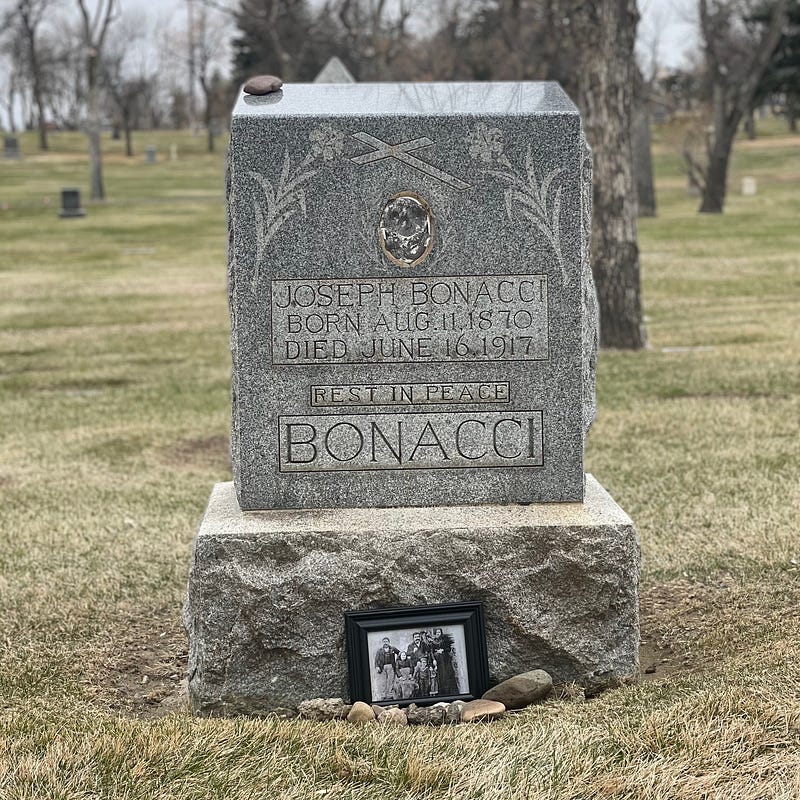
My great-great-grandfather’s grave at Calvary Hill Cemetery, Havre, Montana. Photo by Vincent Gragnani

Snow flurries greeted me as I stepped off Amtrak’s Empire Builder in Havre, Montana.

I assumed I would find cabs waiting, or that Uber or Lyft operated here, but finding none, nor an answer from my car rental company, I began walking Highway 2 toward the Best Western Plus.

This town had sat in the back of my mind for a dozen years, ever since Ancestry.com showed a photo of my great-great-grandfather’s grave. My family told me he had died there while working on the Great Northern Railroad.

Someday, I would get there, and someday, I would visit the nearby town of Harlem, where my grandmother and her brothers grew up during the Great Depression.

Some somedays never come.

But this one did.
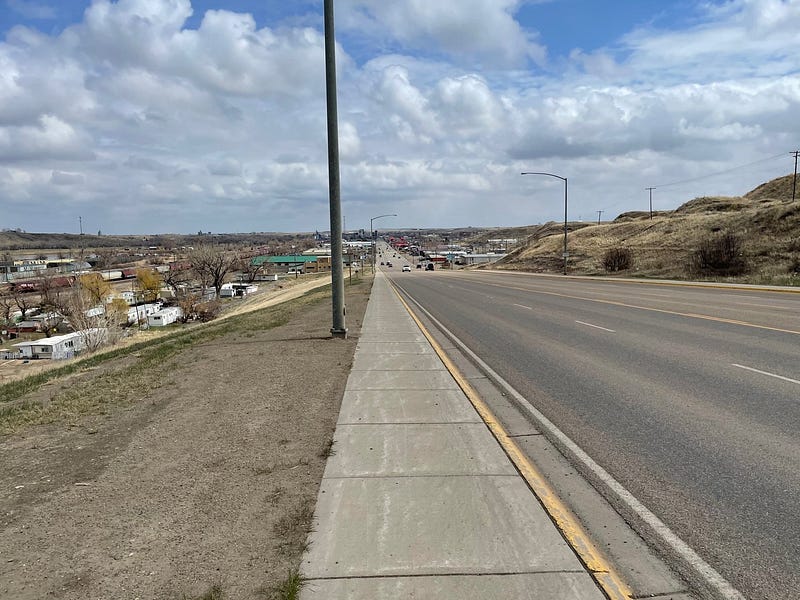
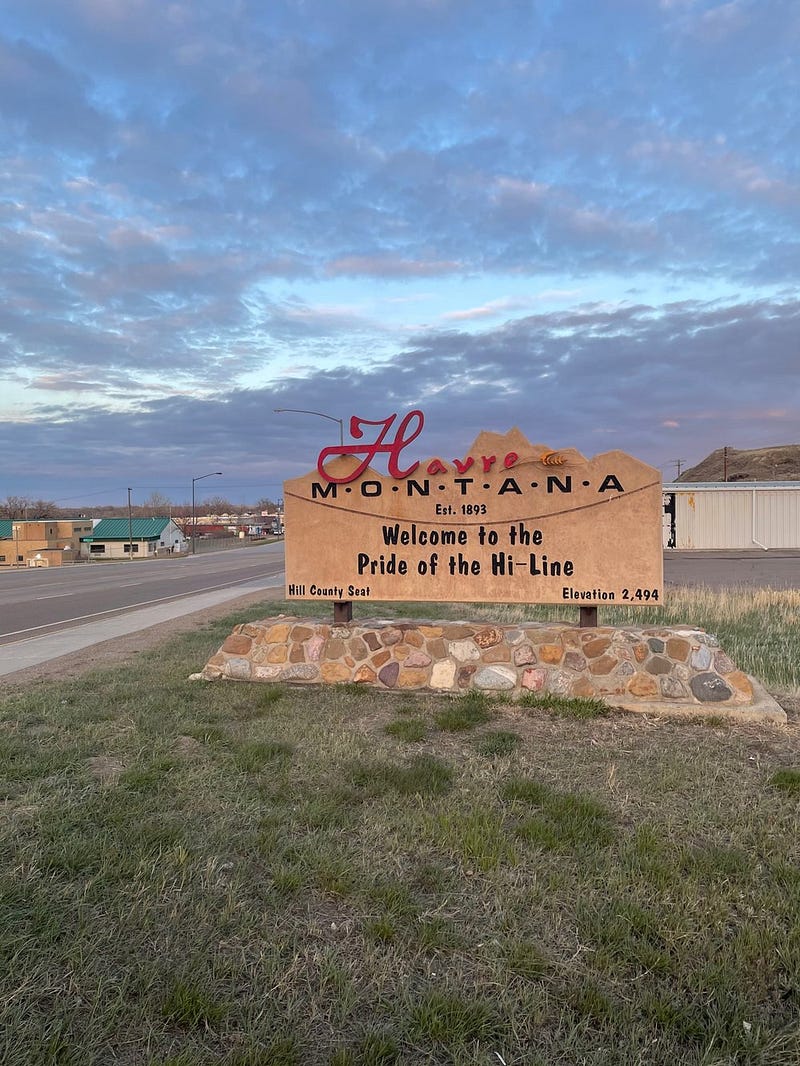
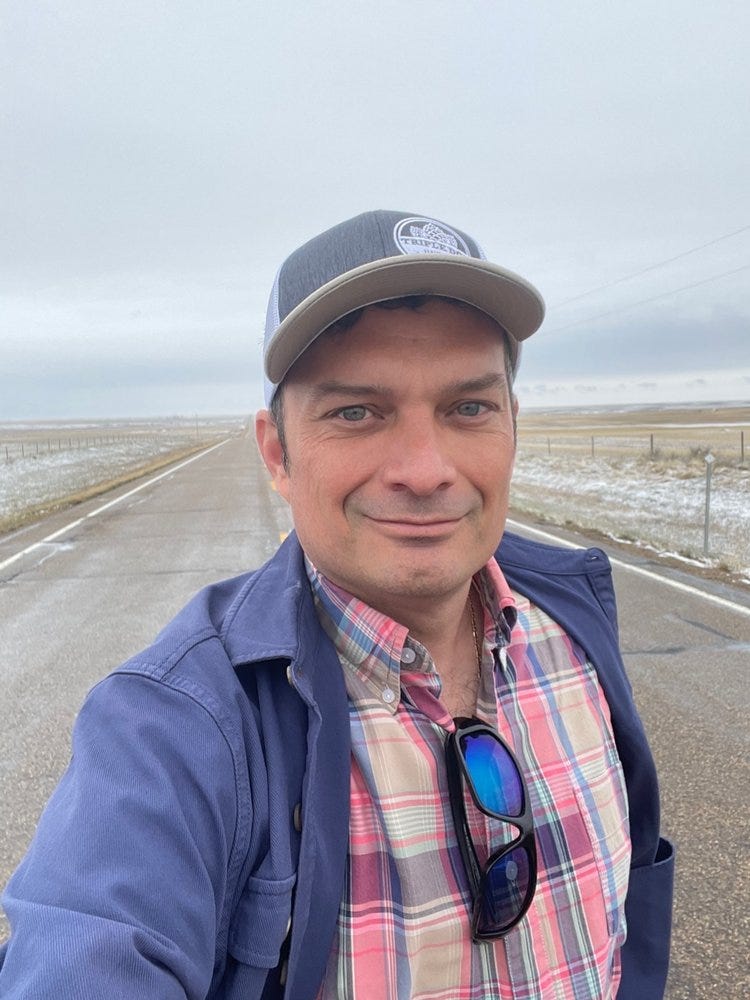
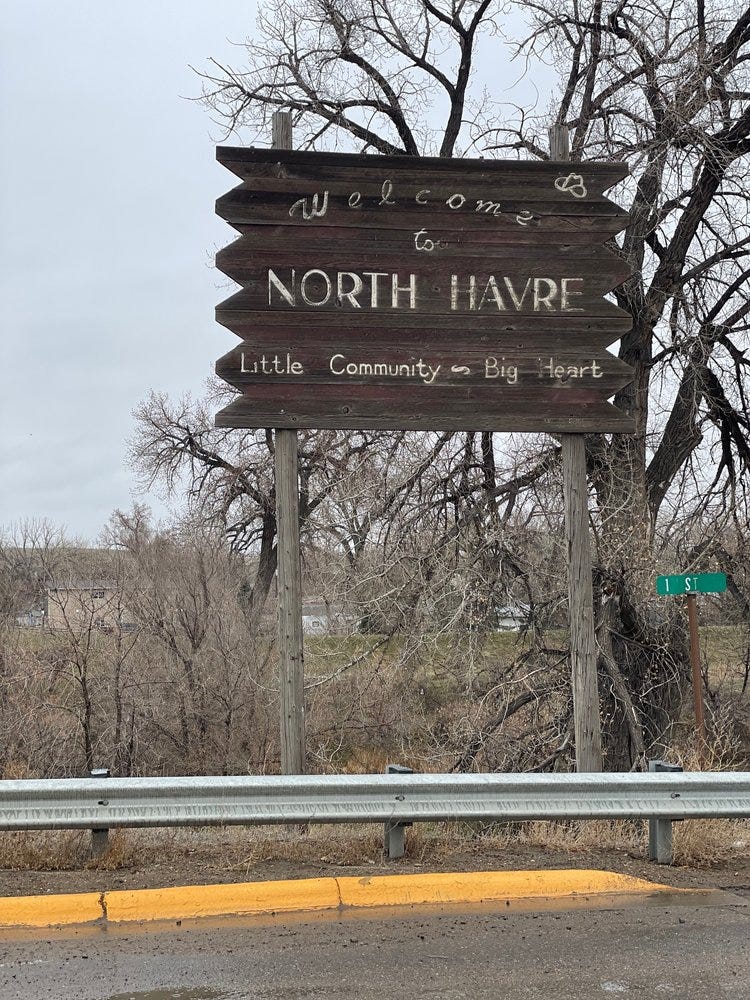
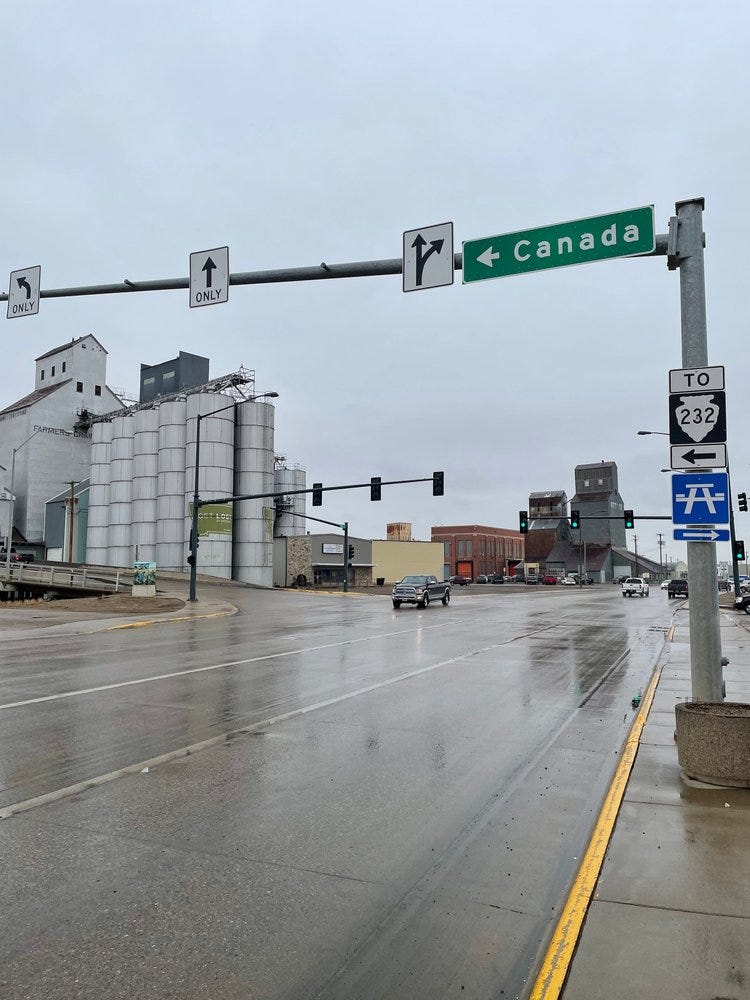
Highway 2 in Havre, Montana, the Pride of the Hi-Line. Photos by Vincent Gragnani

As I neared my hotel, a woman from the car rental agency called me back and said she would immediately pick me up.

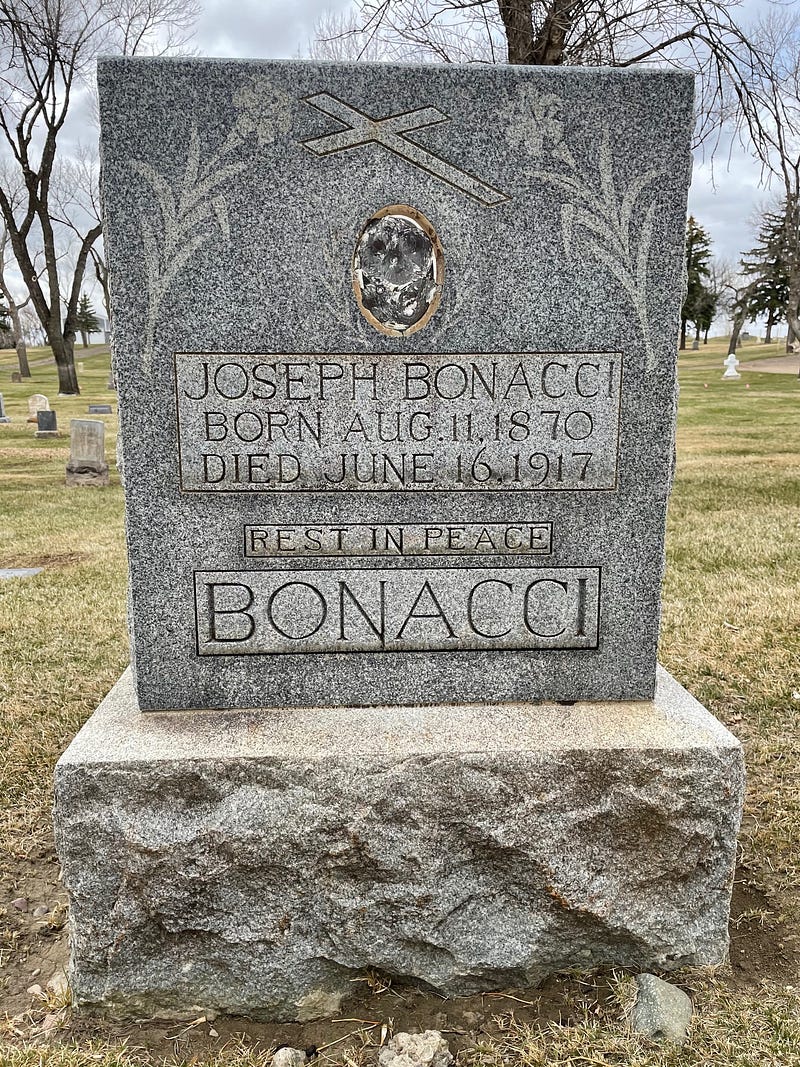
Once checked in at the car rental agency and at my hotel, my first stop was Calvary Hill Cemetery — and I found Joseph Bonacci almost immediately.

The tall headstone was in great shape, except for the deterioration of what might have been an oval photograph.

I stood there realizing I was likely his first visitor in a century.
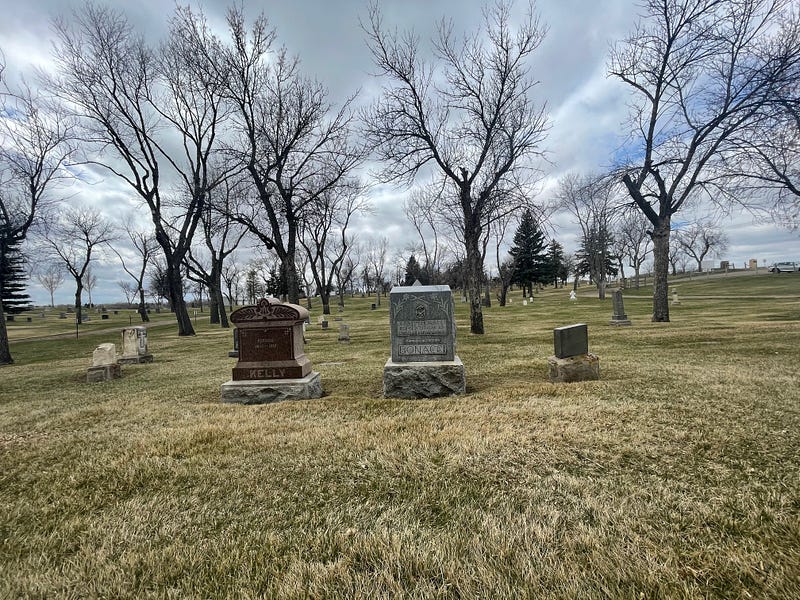
Calvary Hill Cemetery, Havre, Montana. Photos by Vincent Gragnani

In silence, I asked many questions:

  • What must it have been like to move from Calabria, to São Paulo, to Chicago and then to Montana in the early 20th century, before one could scope out places online, or use technology to keep in touch with those left behind?
  • Was he in fact electrocuted?
  • Did he die here in Havre, and would the railroad company have any records of this?
  • Did his wife, my great-great-grandmother, immediately pack up the family and move back to Chicago as a young widow?
  • How did one move belongings in 1917?

The stillness of the cemetery offered no answers.

I walked around a bit pondering all of this, and then back to my car for a quick drive around town before setting out on foot.

My first stop was Station Brewing Co., located in an old gas station in the center of town.

This — and every brewery around — closed at 8 pm. When I asked the bartender why, a retired veteran next to me struck up a conversation about Montana politics. The proliferation of breweries threatened tavern owners, who used their lobbying power to push for an early closing time.

And then, as he started to talk about socialism and “people who don’t want to work,” I knew the next brewery was calling.

Triple Dog quickly became my favorite.

Nothing about the physical space reminded me of home, but the everyone-knew-everyone vibe reminded me of my own local tavern. Everyone who walked in arrived to find friends.
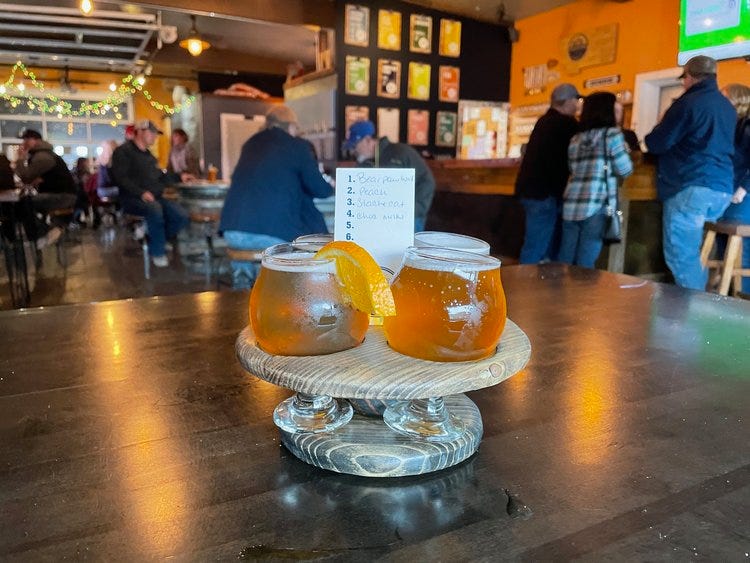
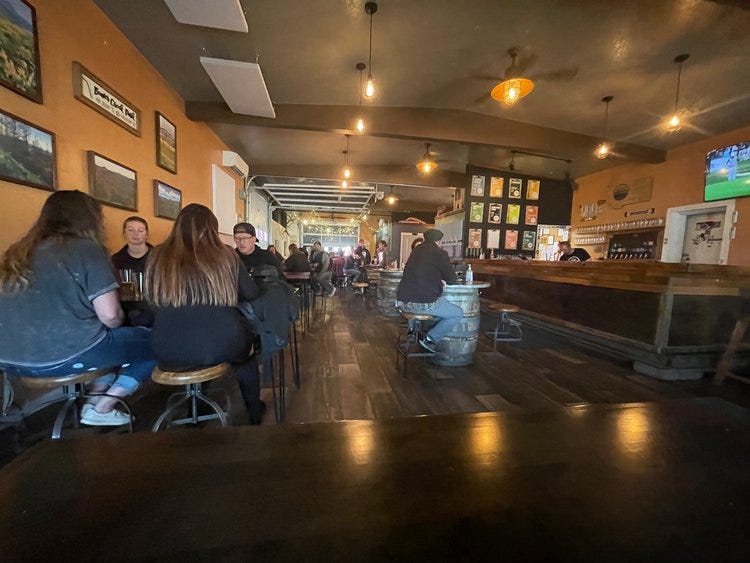
Triple Dog Brewing Company, Havre, Montana. Photos by Vincent Gragnani

I sat alone, enjoying the vibe and my flight of beers, all brewed here in the northern reaches of Montana.

Once finished, I crossed the street to Bow and Marrow and immediately fell in love with the rustic, classy space.

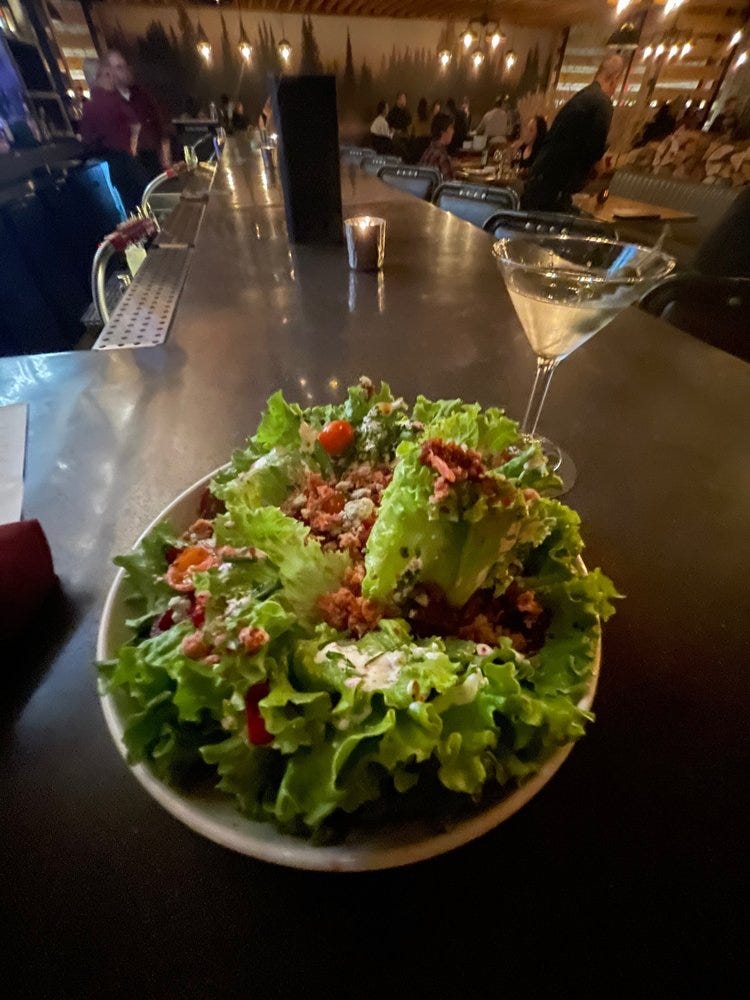
I took the best seat, at the corner of the bar with a view of the dining area, and ordered an Aviation gin martini and a wedge salad to start.
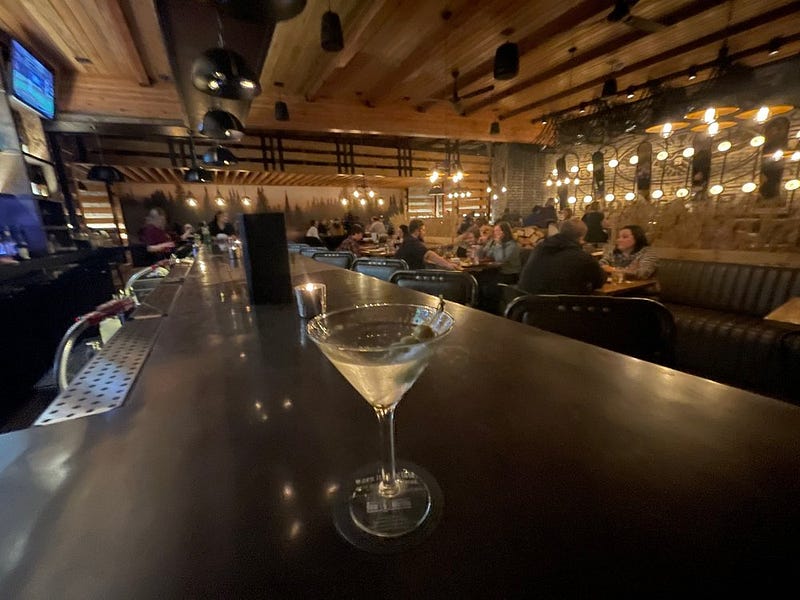
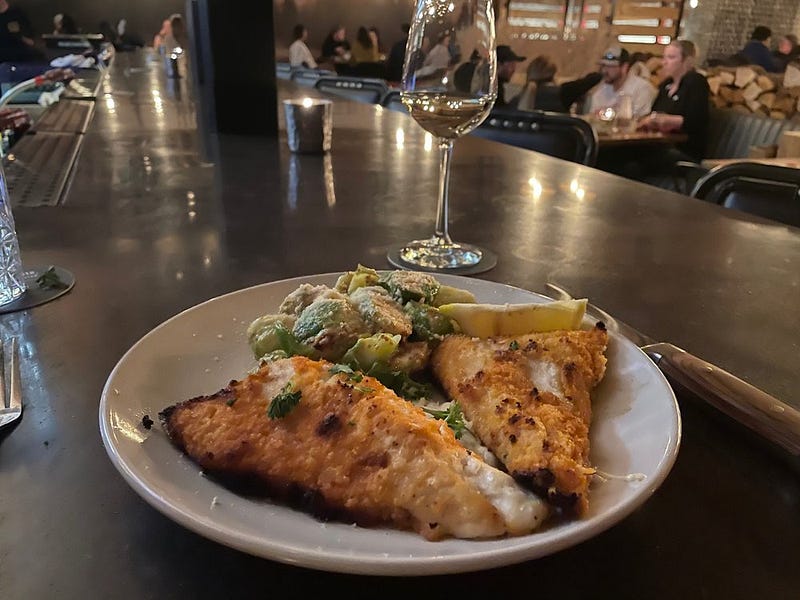
Bow and Marrow, Havre, Montana. Photos by Vincent Gragnani

For an entree, I opted for pan-seared walleye from Minnesota, something I would not find on a New York menu.

This was April 2021, a time when masks were still required indoors in New York. But I noticed here very few people wearing masks. The bartender told me that while masks were no longer required, the staff had, for a time, continued to wear masks.

Until patrons gave them hell.

“Wait,” I said. “Patrons were upset that you were wearing a mask?”

He nodded.

I was clearly far from New York.

Day two in Havre began with a phone call to my great aunt, whose late husband was my grandmother’s elder brother, Pete.

Pete and his siblings had grown up in Harlem, Montana, relocating there from Chicago, either because that is where my great-grandfather Frank could get work as a postal carrier during The Great Depression (as I had been told previously) or because my great-grandmother had pleurisy and needed a dryer climate (as my great uncle Bill told me after I made the trip).

In any case, it was the family’s second migration to Montana. My great-grandfather had grown up there, returned to Chicago around the age of 20 when his father was killed, and then returned back to Montana with his own children roughly a decade later.

My Aunt Sonia relayed to me that when she, my Uncle Pete and my grandmother had returned to Harlem for my Uncle Pete’s 50th high school reunion, they met a lot of people who remembered them.

She also said that my great Uncle Joe, who was killed in service in Europe in the final days of World War II, was remembered with an inscription inside the high school.

After our chat, I set out on Highway 2, a two-lane road with no divider that runs parallel to the railroad, known here as the “high line,” for Harlem, 43 miles to the east.

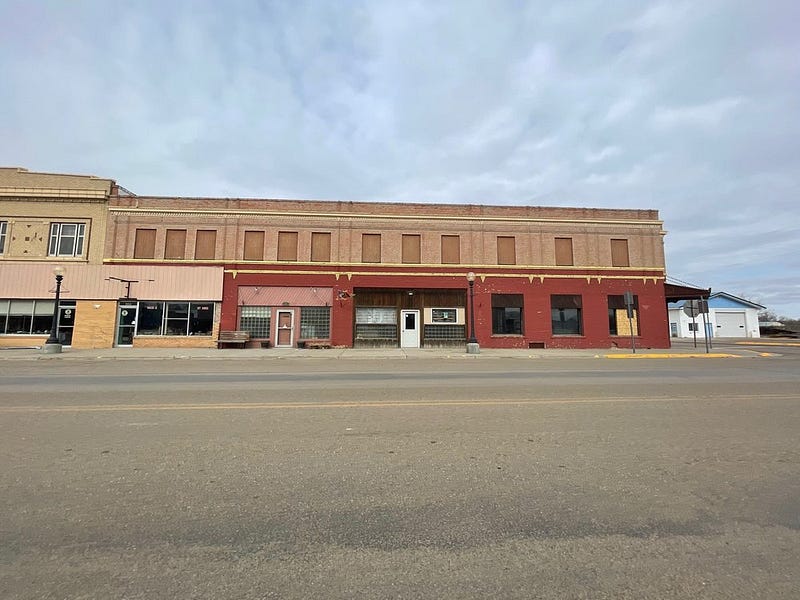
I arrived to find a ghost town, and it felt unsettling.

I couldn’t tell if the houses were abandoned, or just neglected.

Cars were parked on the Main Street, but I didn’t see a soul or an open store, except for one woman walking out of a small Albertsons grocery store.
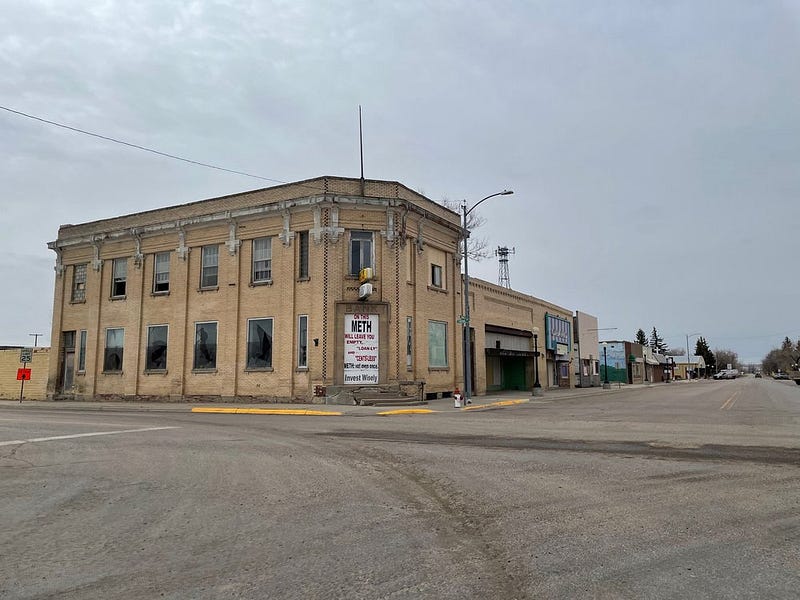
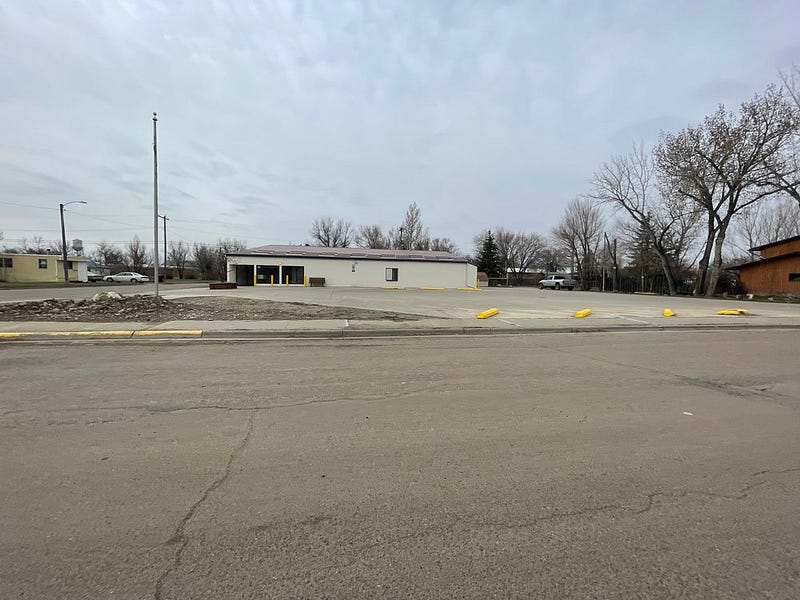
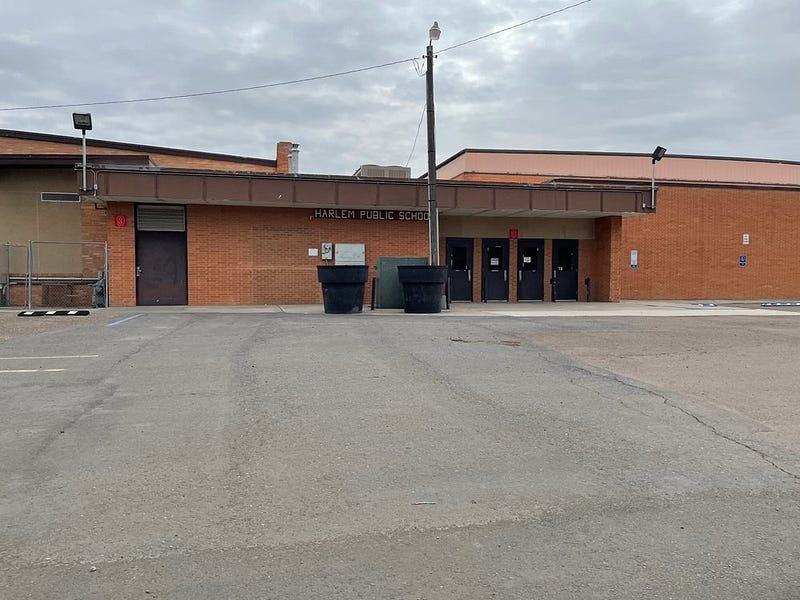
Harlem, Montana. Photos by Vincent Gragnani

I found the post office, where my great-grandfather likely worked, and though it, too, was closed, I did see an older man leaving who had just picked up his mail. I could have said hello, but everything inside me just wanted to leave and drive back to Havre.

I drove a few blocks to the high school and walked up to the door, on the off chance it was open and I could find my great uncle’s name.

No luck.

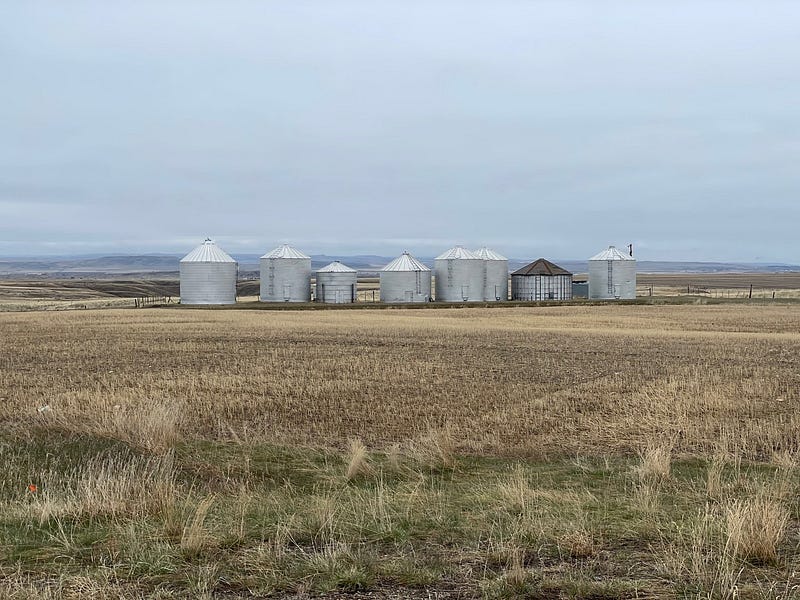
I drove in a few more circles around the town, and then headed back west, making a short stop in the town of Chinook to find the county museum closed.
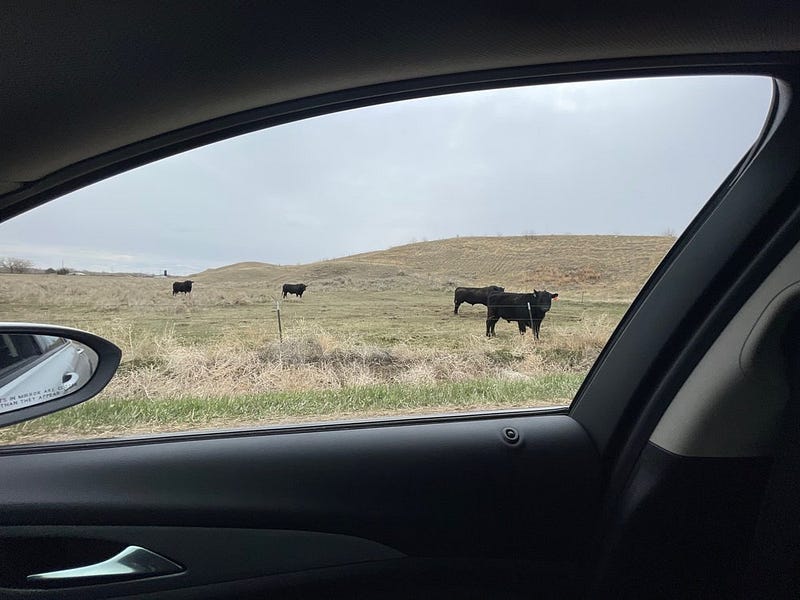
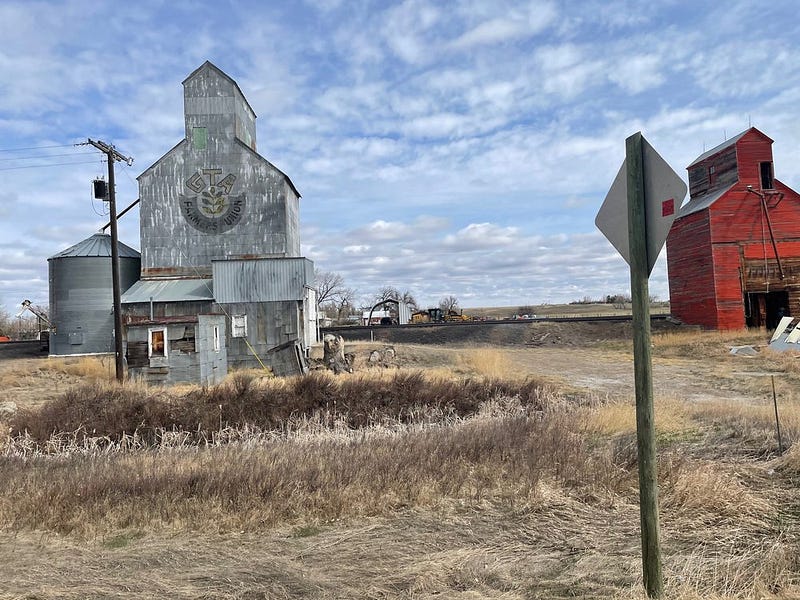
Scenes along U.S. Highway 2 between Harlem and Havre, Montana. Photos by Vincent Gragnani

I remembered that I had on my phone an old family photo taken in Brazil in the early 1900s. I printed the photo, bought a frame and returned to the cemetery to leave the photo at the headstone.

My great-great-grandfather’s grave at Calvary Hill Cemetery, Havre, Montana. Photo by Vincent Gragnani

My great-great grandfather is in the center of the photo, flanked by his brother and his wife. Below him are his mother and his two children.

After this visit, I explored some local history.

In 1904, Havre suffered a great fire, prompting residents to build an underground town while the street level was rebuilt.

A portion of this has since been restored, and I took an hourlong “Beneath the Streets” tour of a space that recreated many of these underground storefronts with original artifacts.
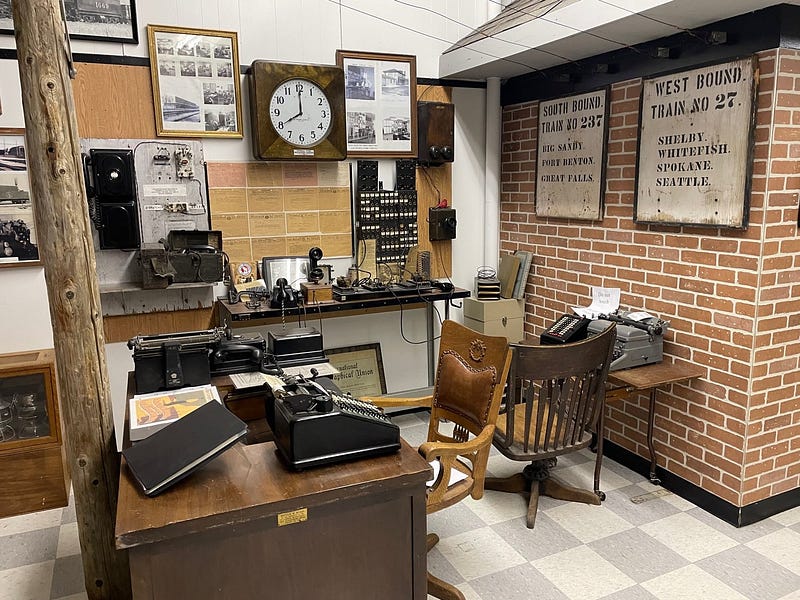
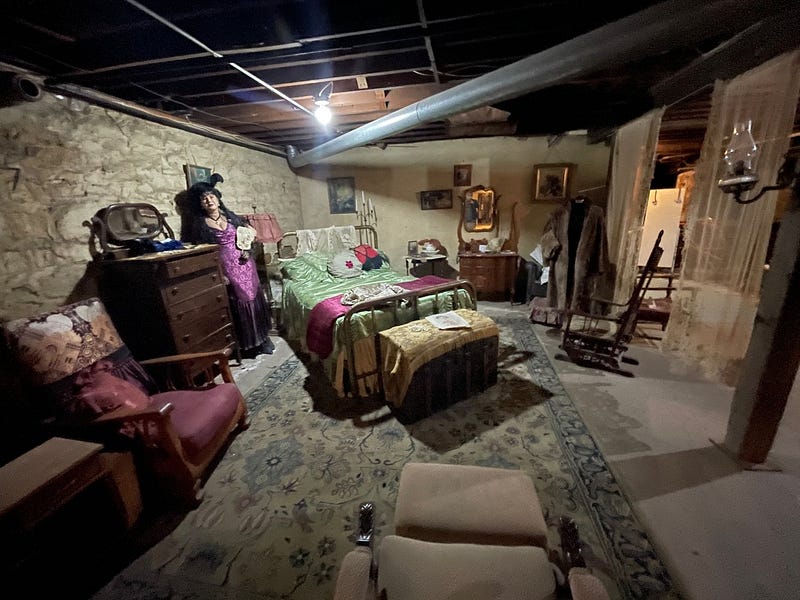
“Beneath the Streets” tour of Havre, Montana. Photos by Vincent Gragnani

After Saturday evening Mass at St. Jude’s Church, I returned my car to my hotel and set back on foot to downtown Havre.

I was alone.

The skies were gray, and a cold drizzle began to fall.

But my mood was anything but dreary.

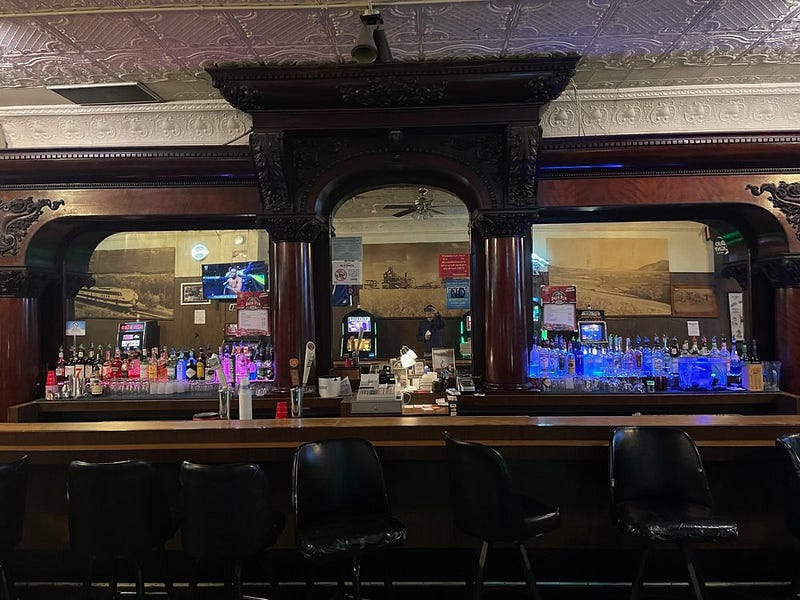
I walked to the Palace Bar, which boasted the oldest bar back in the state, dating to 1903.
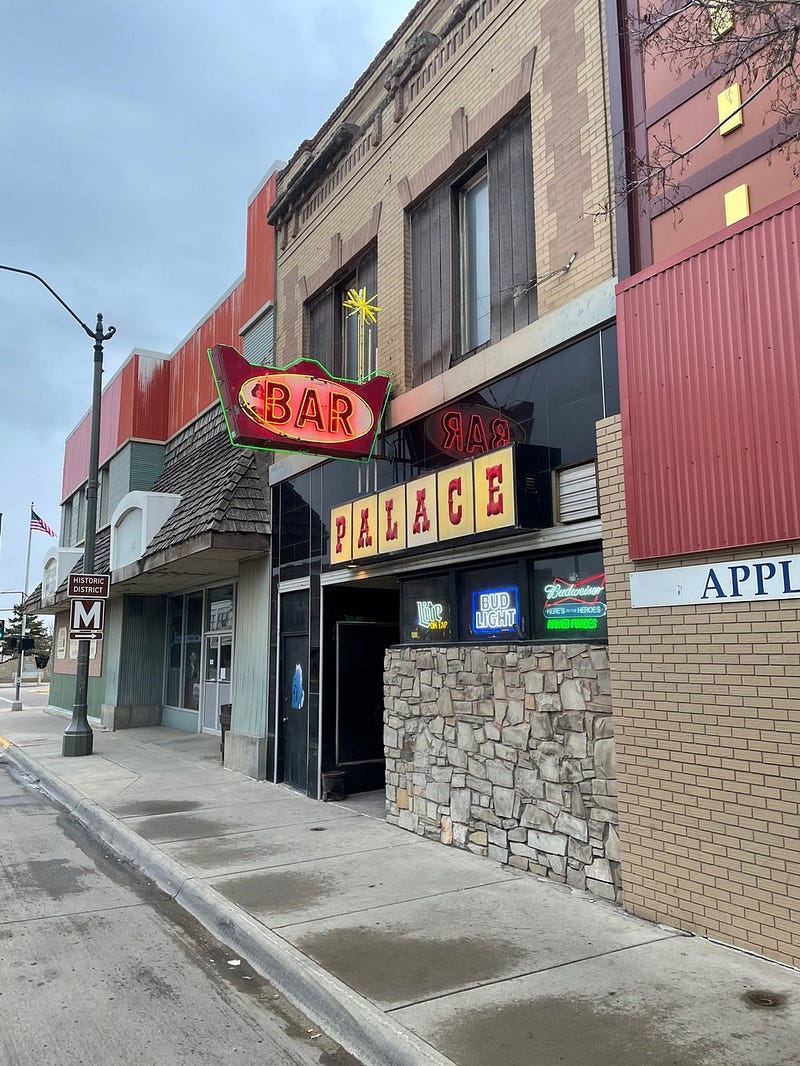
Montana’s oldest bar back, Palace Bar, Havre, Montana. Photos by Vincent Gragnani

At the Palace Bar, I chatted with a bartender and took some photos. She gave me a postcard, and I felt comfortable leaving without ordering anything.

Now, it was finally time for dinner back at Bow and Marrow.

The bartender greeted me, “So, how was Harlem?”

I had almost forgotten our conversation from the night before. I shared my story of the day over another Aviation martini before ordering a sirloin steak with a loaded baked potato and a glass of red wine.
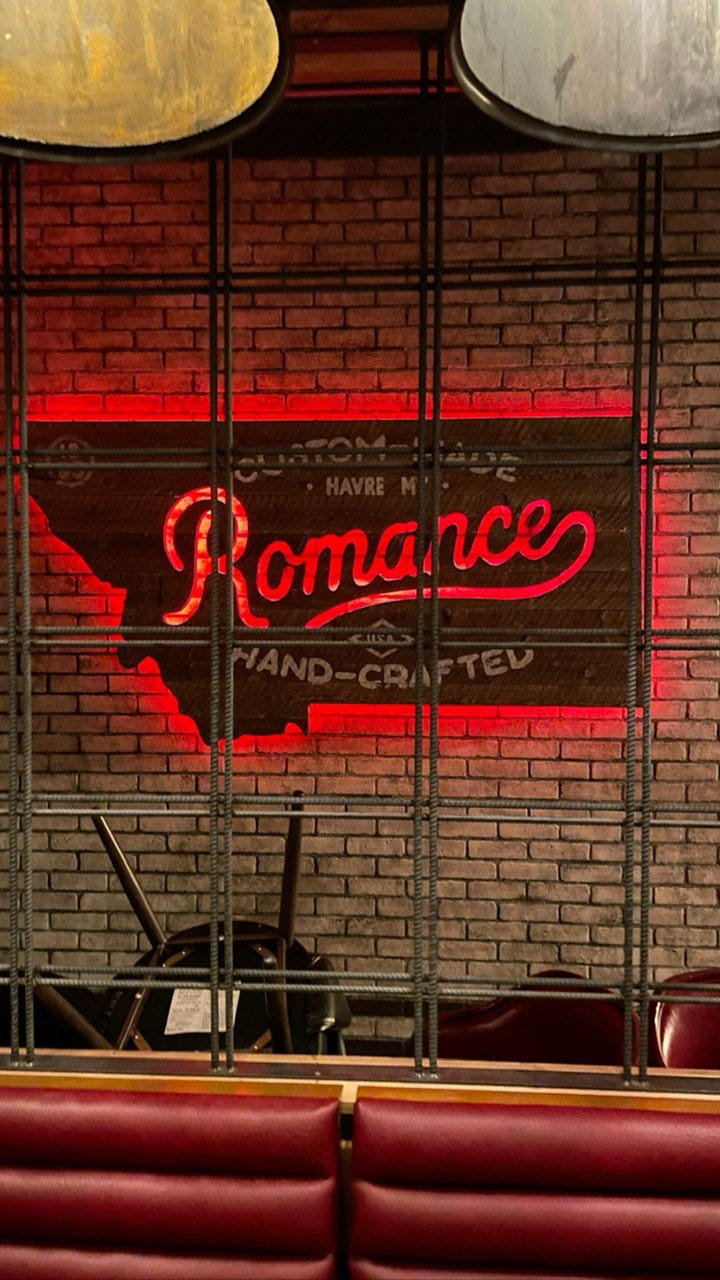
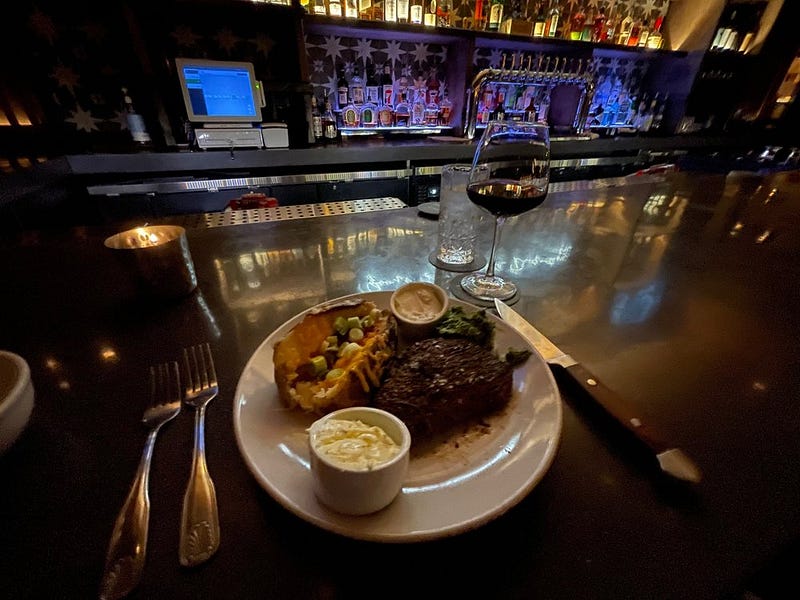
Bow and Marrow, Havre, Montana. Photos by Vincent Gragnani

I knew that I only had limited time the following day, and I asked the bartender what the drive to the Canadian border would be like.

“Flat and boring,” he said, and he encouraged me instead to drive south, through Beaver Creek Park.

As it turned out, I had time to do both, almost.

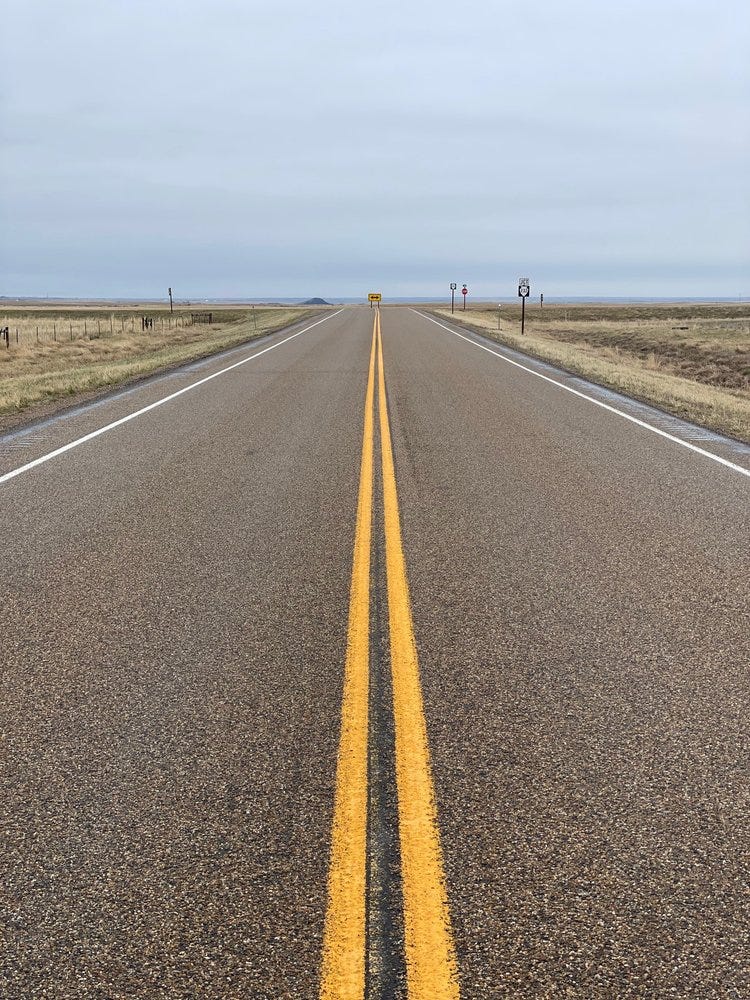
At 8 am, I first set out for the Canadian border. He was right — the highway was a straight line, with not much to see.

At some point, I realized I had no cell service, and if anything happened to my rental car, I had no way of getting help.
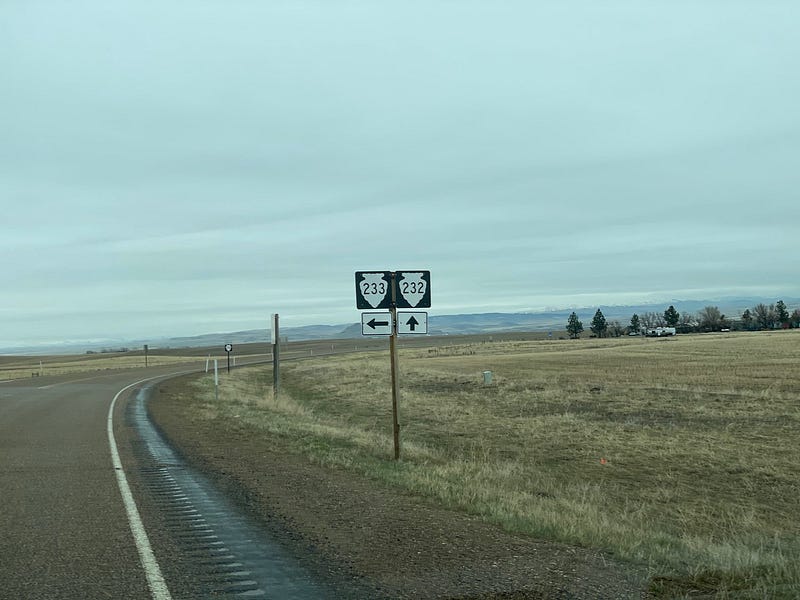
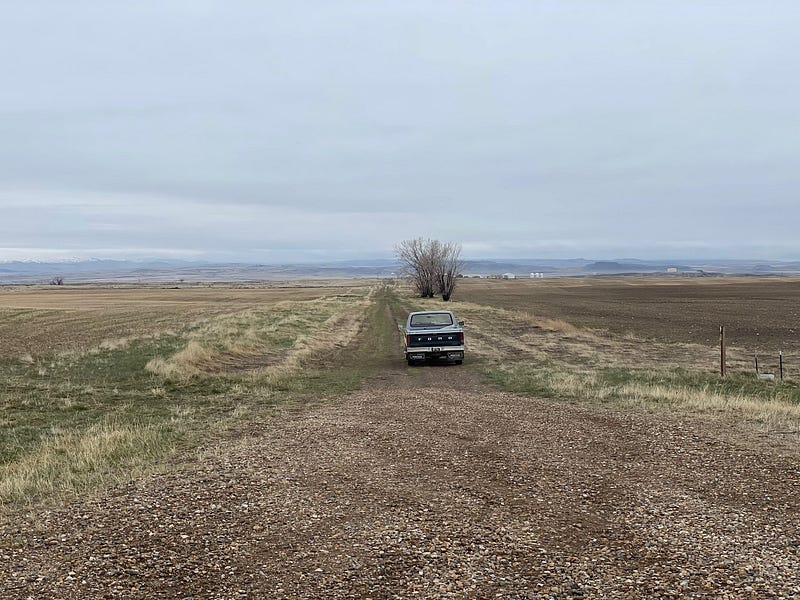
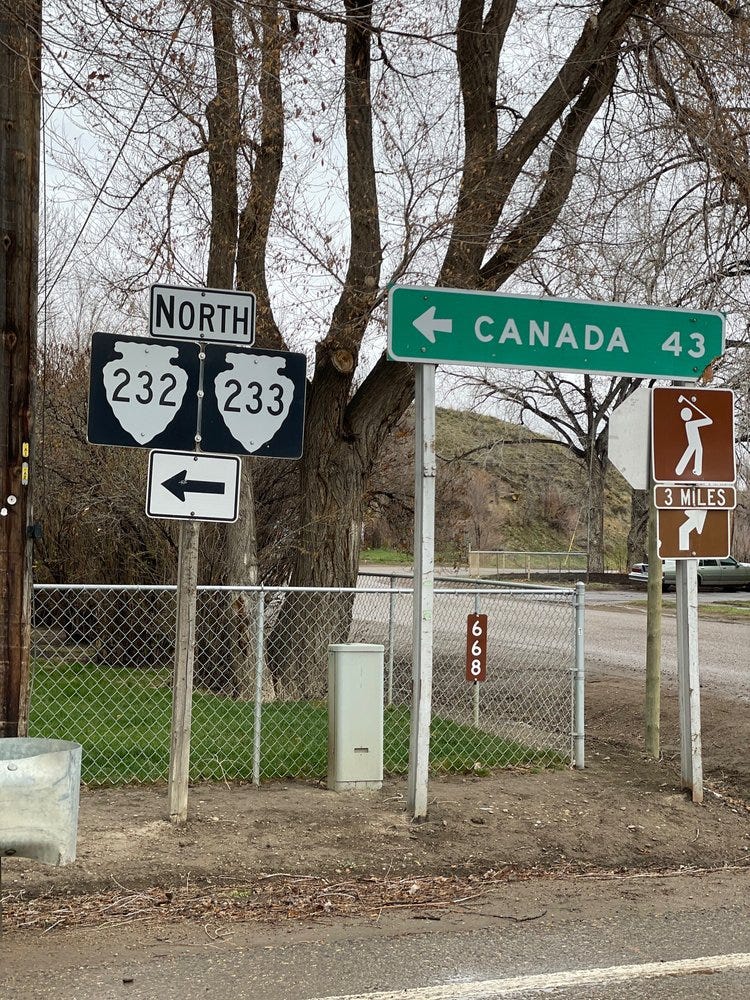
Scenes from Highway 232 between Havre and the Canadian border. Photos by Vincent Gragnani

This was not a smart move.

I had wanted to see Canada, so I looked into the distance, told myself that the land in the distance was in fact Canada, and I turned around.

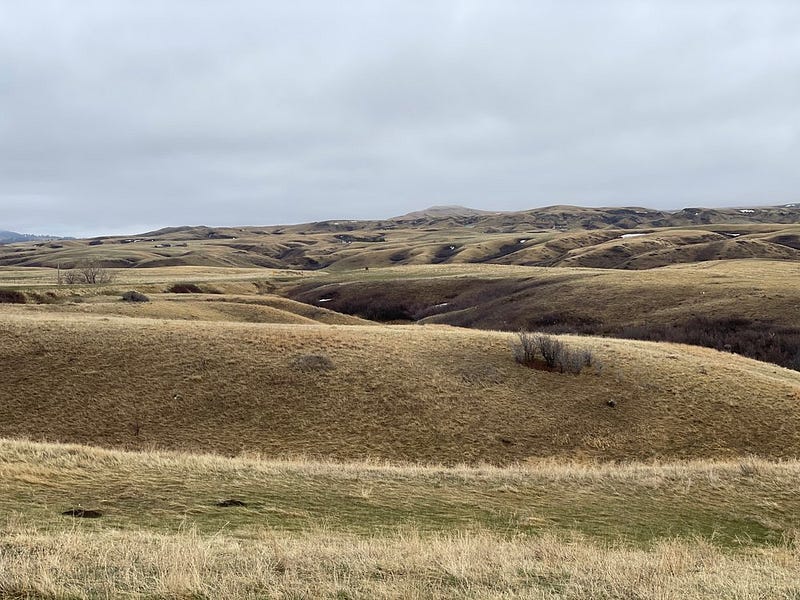
Safely back in Havre, I continued south toward Beaver Creek Park. Here, the landscape was significantly different, with rolling hills, streams, hiking trails and campgrounds.
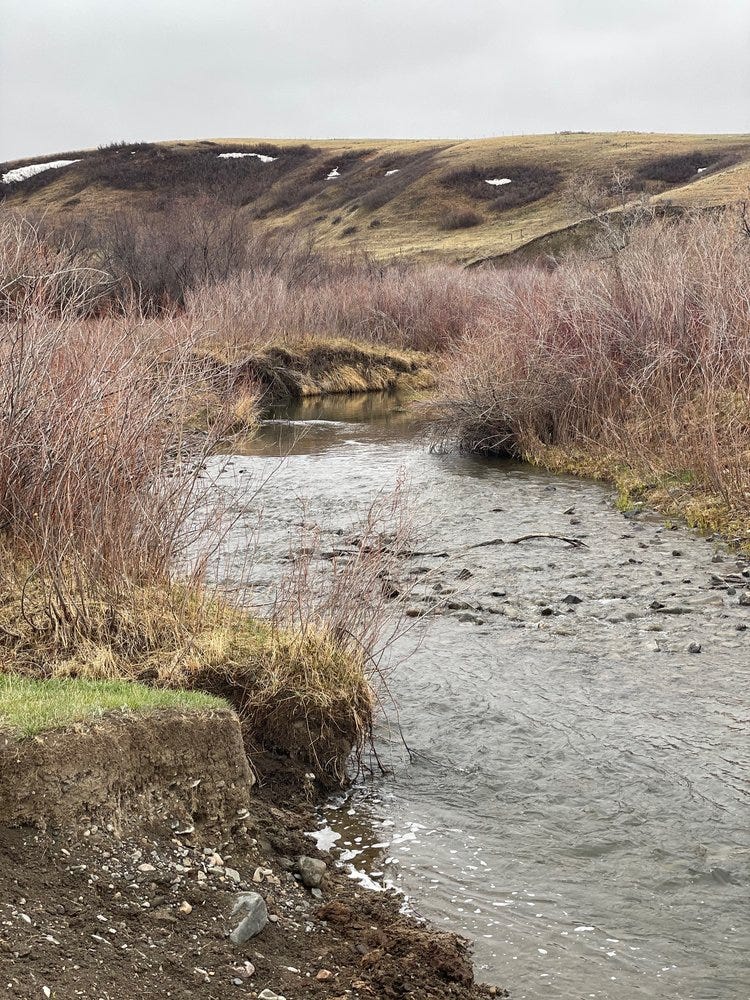
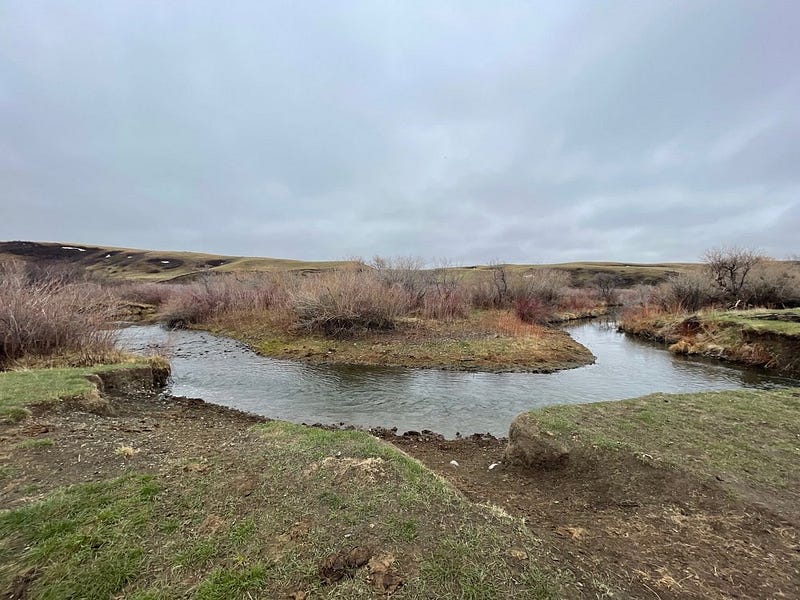
Beaver Creek Park, Montana. Photos by Vincent Gragnani

I made a final visit to the cemetery to say farewell to my great-great-grandfather, and then visited a grocery store to buy some provisions for my trip to Chicago aboard the Empire Builder.

As sleepy and gray as it was, I was sad to leave this town.
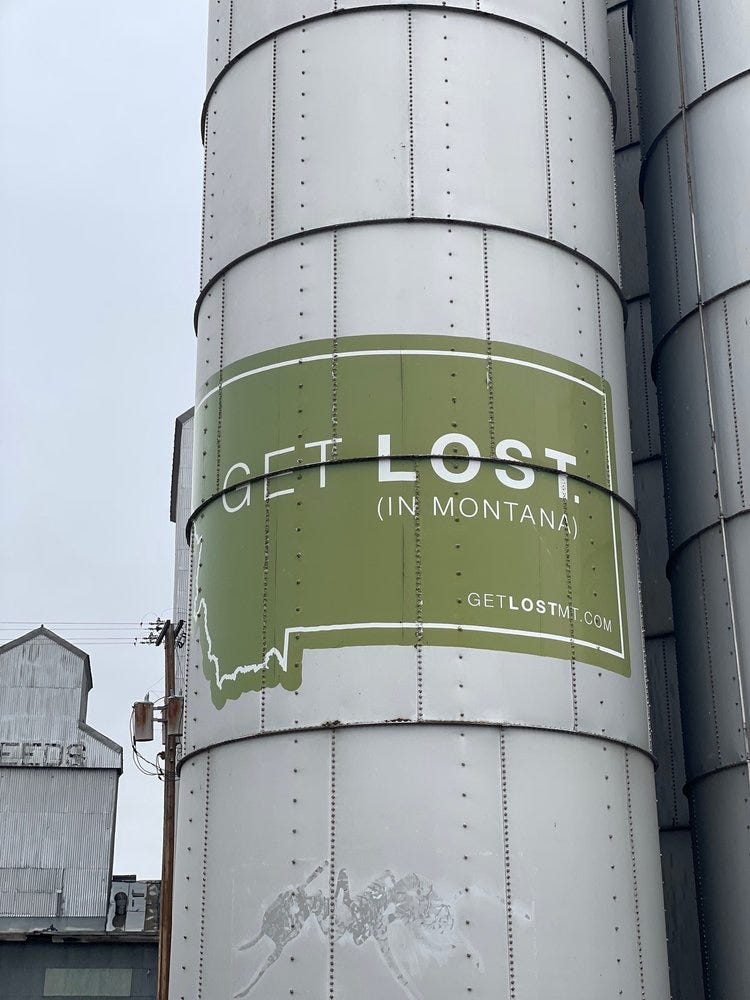
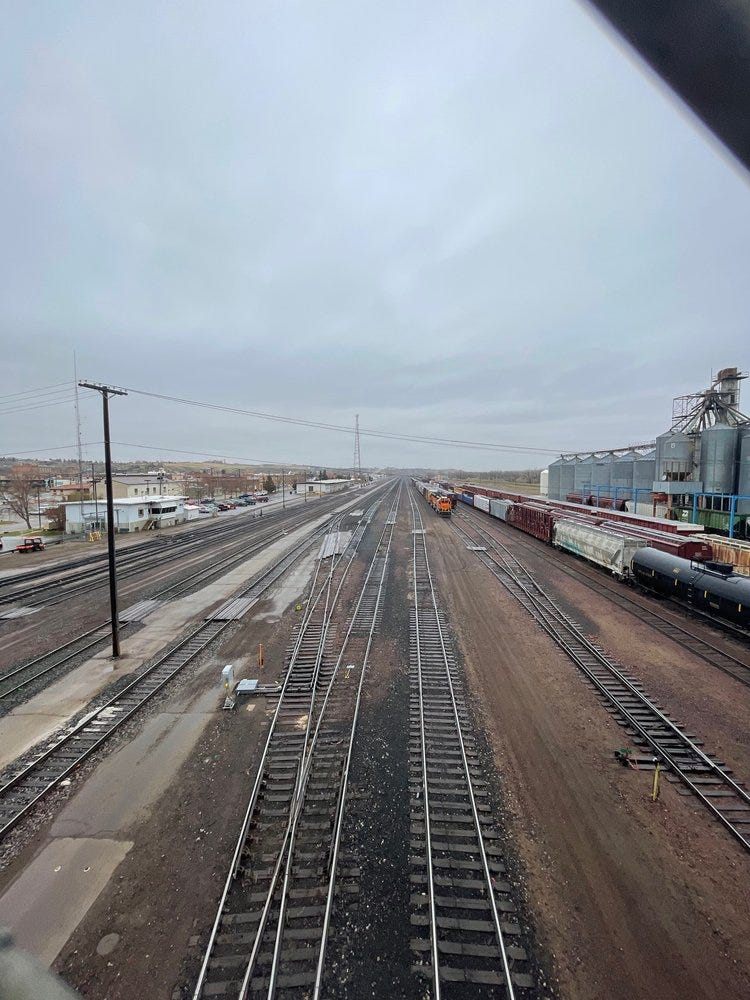
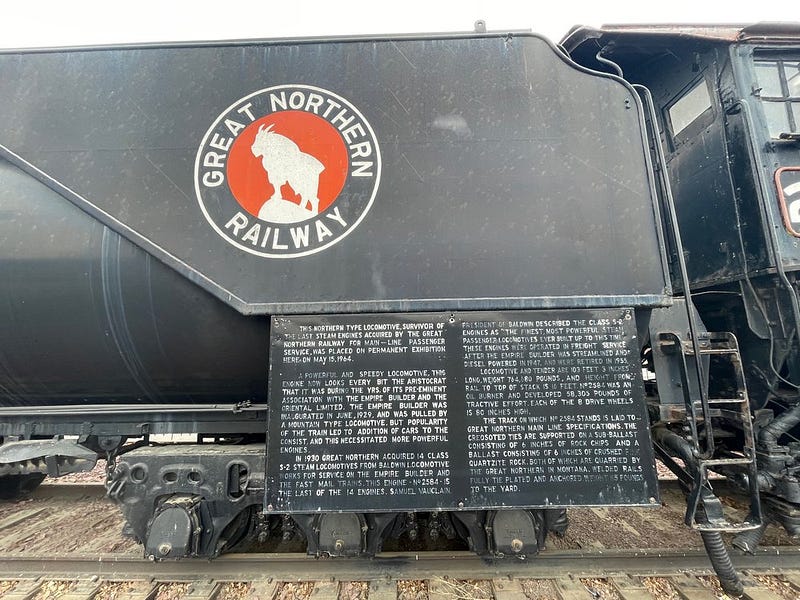
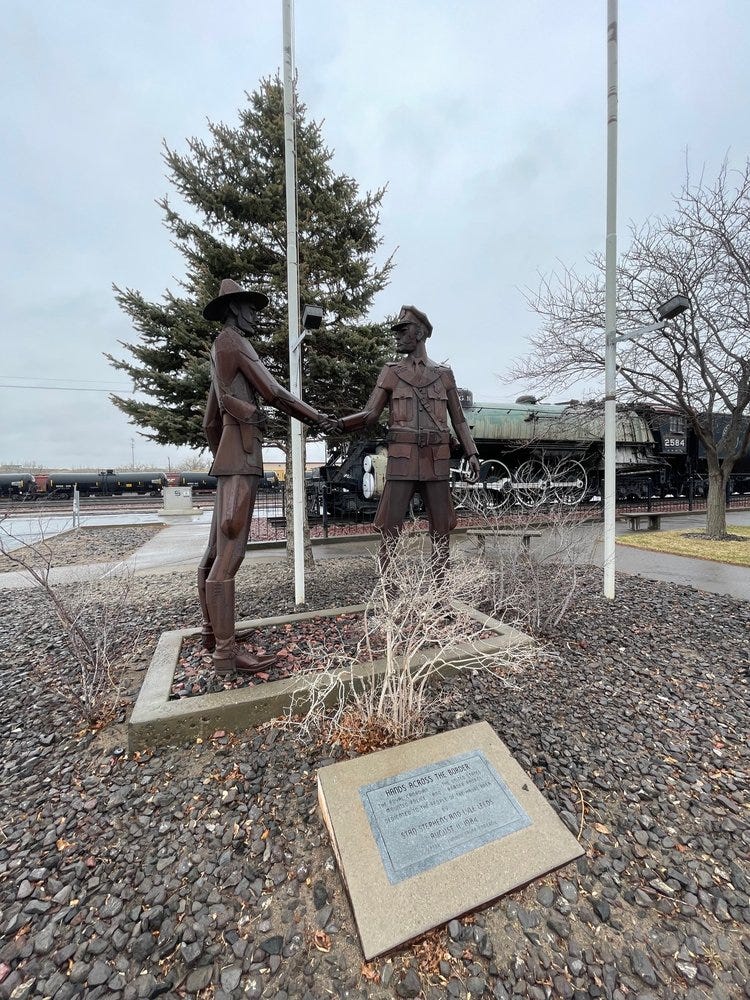
Around the train station in Havre, Montana. Photos by Vincent Gragnani

Three days later, I shared this experience with my 91-year-old great-uncle Bill, my grandmother’s only surviving sibling.

I had called him, too, a day prior to the visit to ask him about his memories of the town, and he responded, “Jesus Christ, are you serious?”

He said he would put some thoughts into writing, and he did.
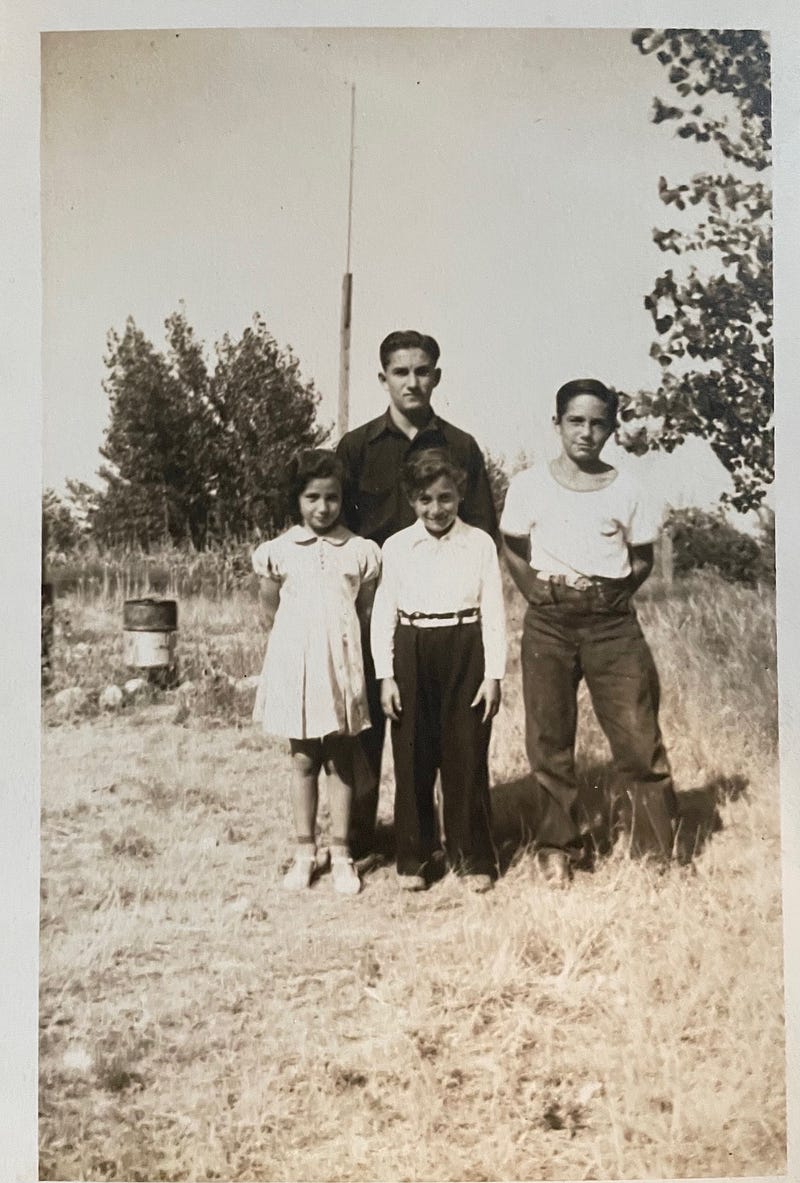
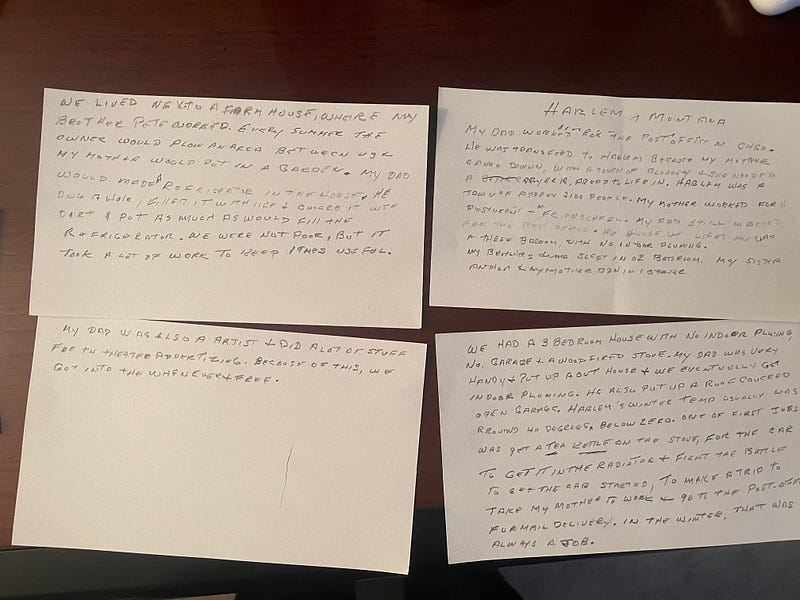
My grandmother and her brothers in Harlem, Montana, during the Great Depression, as well as my great uncle’s memories of that time. Photos by Vincent Gragnani.

When I shared my photos and video, Uncle Bill recognized one of the buildings as the town’s bank, a now boarded-up building.

He shared a few stories about living in a small house, initially without indoor plumbing. He would awake early to put water on the stove that would be used to thaw the engine of the family car.

Uncle Bill has since passed away, but some of my lingering questions were in fact answered later.

I tracked down a newspaper article with details about my great-great-grandfather’s death.

He worked as a machinist’s assistant, and on a Saturday in June he had been holding an electric light for a machinist. The machinist said he left for five minutes, and when he returned, “He found Bonnaci [sic] apparently dead. He was lying on top of the locomotive on which they had been working, just back of the steam dome.”

Burns on his hand indicated he was electrocuted.
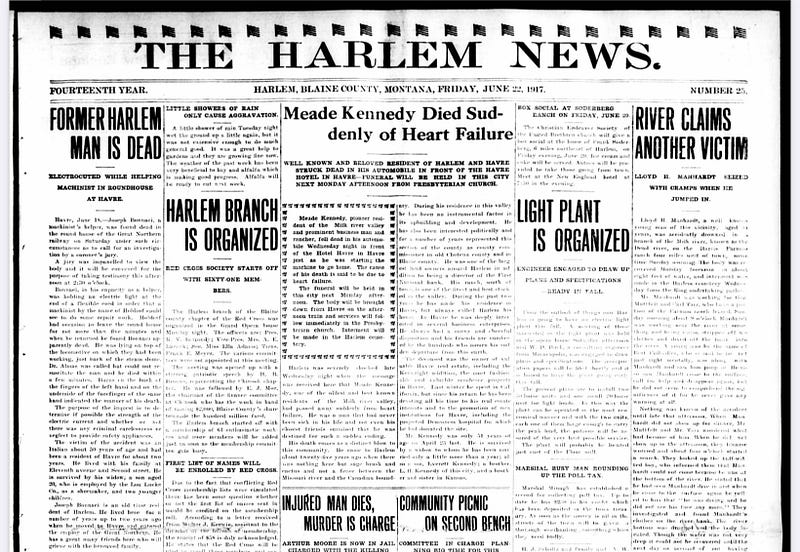
The Harlem News, 22 June 1917. From Chronicling America: Historic American Newspapers. Library of Congress.

An inquest would be done to determine the strength of the electric current and whether there was any criminal carelessness or neglect.

The article told me where my family lived, and that my great-grandfather was 20 and working as a shoemaker at the time.

I do hope to return someday to see where the family lived, pay another visit to the cemetery to replace the (surely now deteriorated) photo I left there, and sit once again at the bar at Bow and Marrow.

In the meantime, I hold dear the memories of this visit, as well as my conversations with my great uncle, all of which have given me a greater appreciation for those who came before me.

Montana
Genealogy
Travel Writing
Cemetery
Travel
Recommended from ReadMedium