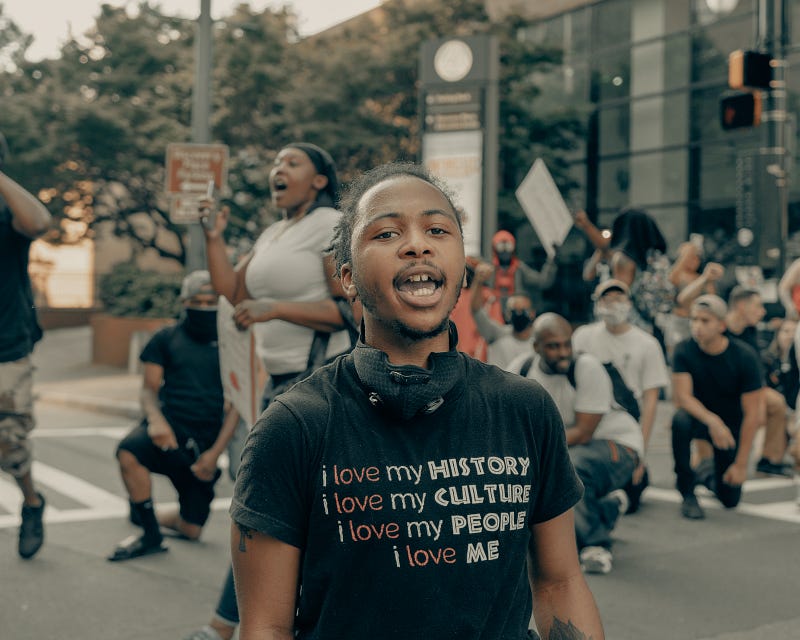
A Man Was Lynched By Police Last Week
Anger and love compel my return to activism. And empowering the black community is my top priority.
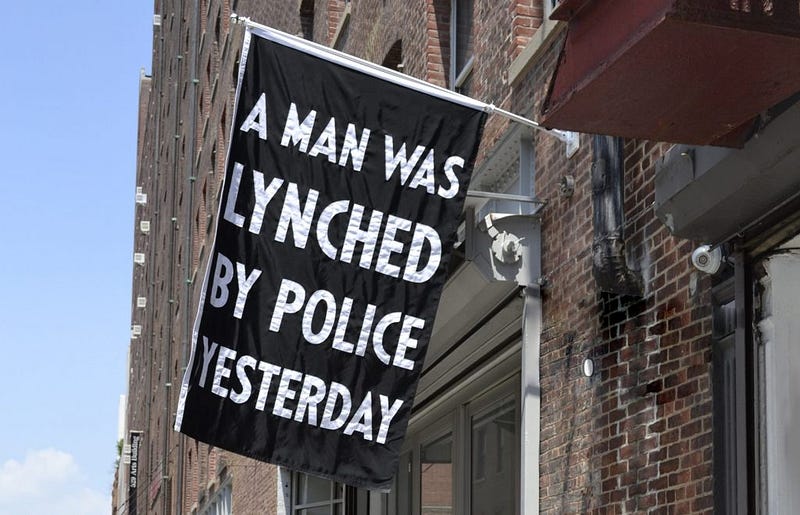
“A Man Was Lynched By Police Yesterday.”
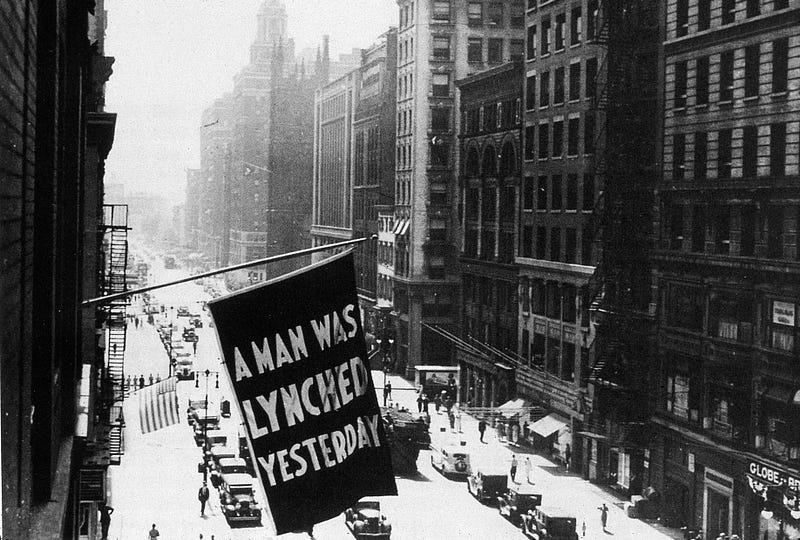
A painful reminder of the past. A sharp critique of the present. A banner meant to make bystanders flinch. The original phrase, “A Man Was Lynched Yesterday,” stood out in bold letters for all to see in 1936. It forced onlookers on Fifth Avenue to face the ugliness of the lynching of Jesse Washington.
And in 2015,
Chicago Artist Dread Scott pricked the conscience of apathetic Americans with an updated version of the flag. He forced Manhattan spectators to deal with the public execution of Walter Scott at the hands of North Carolina police officer Michael Slager. I vividly remember the day the news of his murder saturated my Twitter feed.
After regrettably watching the eyewitness video, I was mad as hell. And exhausted from seeing another black man shot dead by police. While still active in the church that year, I remember being pissed off at some responses from fellow churchgoers.
He should have complied!
Slager feared for his life!
Scott was a criminal!
Stop race-baiting!
Wait for all the facts!
Just Pray!
All Lives Matter!
Blue Lives Matter!
All these responses dismissed the fact that a man lost his life. A wife lost her husband, a son lost his father, and a mother lost her son. Poem after poem. Conversation after conversation. Sermon after sermon, I begged those “brothers and sisters” to show empathy. To abandon the lie of colorblindness and embrace the black struggle for justice. To get off the sidelines and give a damn. Between 2014 and 2016, I wanted to prick people’s conscience into action.
Then came the summer of 2016.
Two more videos of public executions emerged. In July, Alton Sterling and Philando Castile were gunned down by police. I responded with poetic protests. I engaged in “Artivism” for the sole purpose of disturbing those comfortable with protecting racist ideas and systems.
In early August, Stonewall Jackson High School invited me to speak to its students. The school needed creative speakers for an assembly welcoming rising seniors before the beginning of the school year. Administrators also asked speakers to address racism, tolerance, and character. Concern for black and brown students going to a school named after a Confederate general and awareness of America’s political climate influenced my decision to speak. The possibility of Trump’s presidency loomed around the corner. His campaign fueled the pre-existing, bigoted rhetoric from teenagers, their parents, and grandparents.
With that in mind, I decided to present a Spoken Word piece called Tapestries. A line like “Not all black folks are thugs and criminals,” chastised those in the audience who may have subscribed to racist ideas. And “climb up out of your mental prison cells of prejudice,” demanded action.
“This is the height of activism,” I thought as I left the auditorium that day. Unaware of my short-sighted view, I continued to approach justice work focused on agitating the sensibilities of white folks and those unwilling to disturb the status quo.
But what have I done to affect systemic change?
As a Black man in America, was it my responsibility?
Was this a good use of my energy?
Should I be more focused on empowering myself and my people?
Exhaustion, self-doubt, and cynicism slowly crept in. The majority of my activism remained restricted to talking points on empathy, humanity, and theology. Every conversation became an annoying regurgitation of quotes, historical, and present-day evidence. All to fall on deaf ears, hardened hearts, and calloused consciences.
So I stepped away in 2017.
I retreated into myself. I grew calloused and uninterested in doing any activism work. I overextended myself and had little to no energy to uplift myself or my community.
Fast forward to 2020.
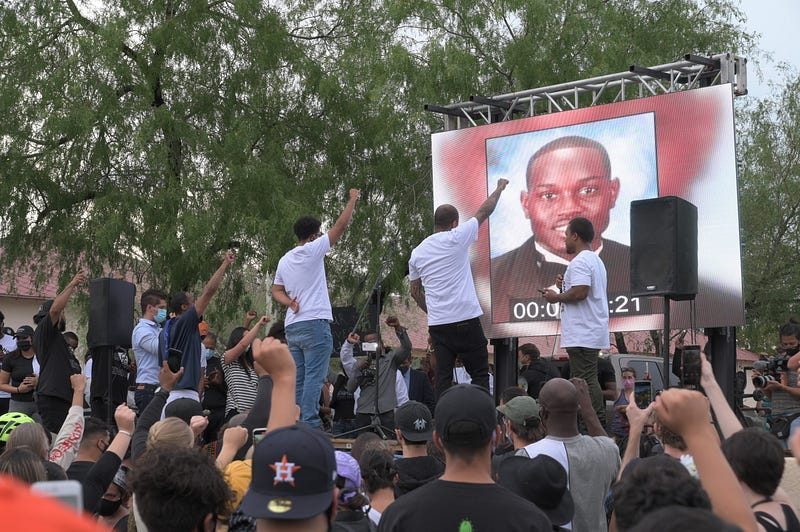
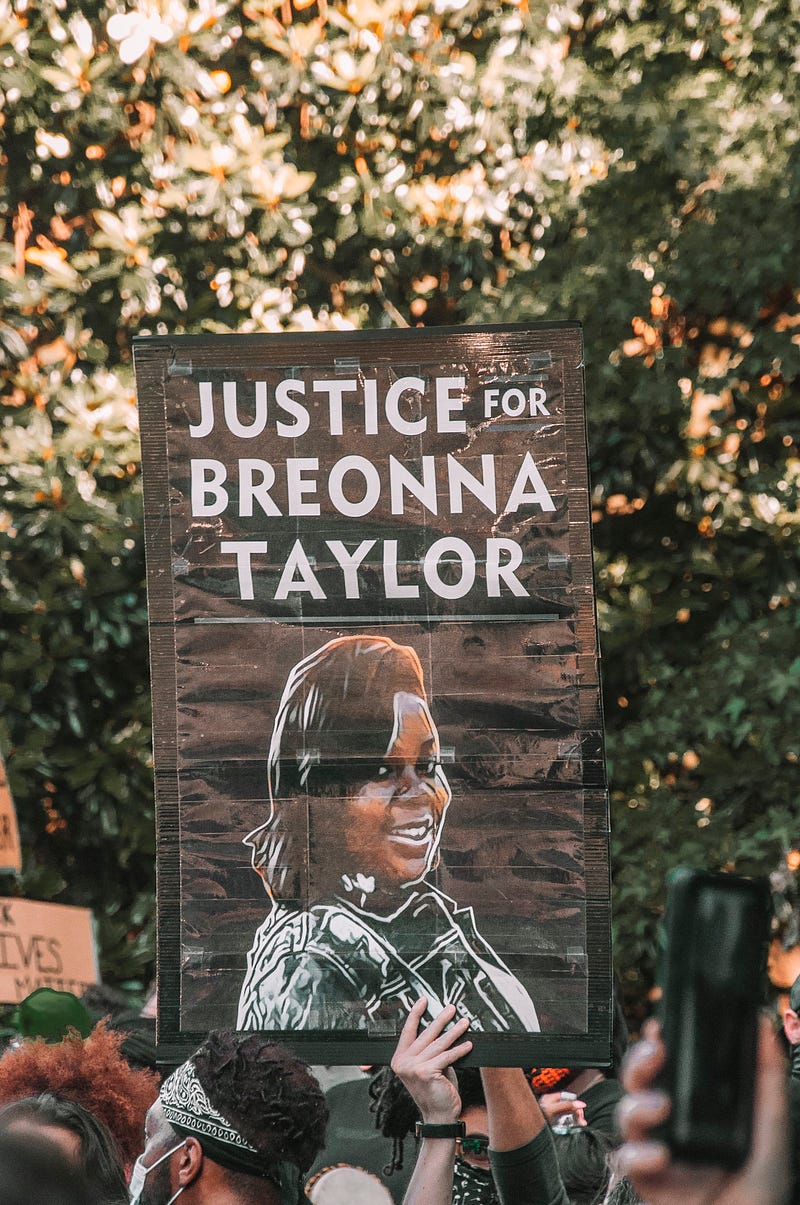
Within the last five months, Ahmaud Arbery, Breonna Taylor, and George Floyd’s names, faces, and deaths have shared the headlines with COVID-19 updates. But, they did not die at the hands of this current pandemic. In February, Ahmaud Arbery died from two gunshot wounds to the chest. In March, Breonna Taylor died from eight gunshot wounds. And in May, George Floyd died after being handcuffed and pinned for several minutes as he gasped for breath.
Like Walter Scott, their murders connect them to a long list of names. Of black men, women, and children whose lives were snuffed out by slave patrols, lynch mobs, vigilante vengeance, or police gunfire. Their murders point to assumed authority over black bodies, gross negligence, and abuse of power — products of institutionalized racism.
The McMichaels held this deadly notion of inherent white authority over black bodies. They expected Ahmaud to comply with their demands as they brandished shotguns, chased him down the street, and murdered him. The lack of body cameras, police accountability, and restrictions on warrants all led to the wrongful death of Breonna Taylor. Louisville Mayor Greg Ficher made some changes, but the officers responsible for her murder have not been charged.
Before he suffocated George Floyd, Minneapolis Police Officer Derek Chauvin committed other acts of brutality. He has been the subject of 10 other conduct complaints. Nineteen years on the force and his abuses of power went unpunished. No disciplinary action or move towards justice took place — until now.
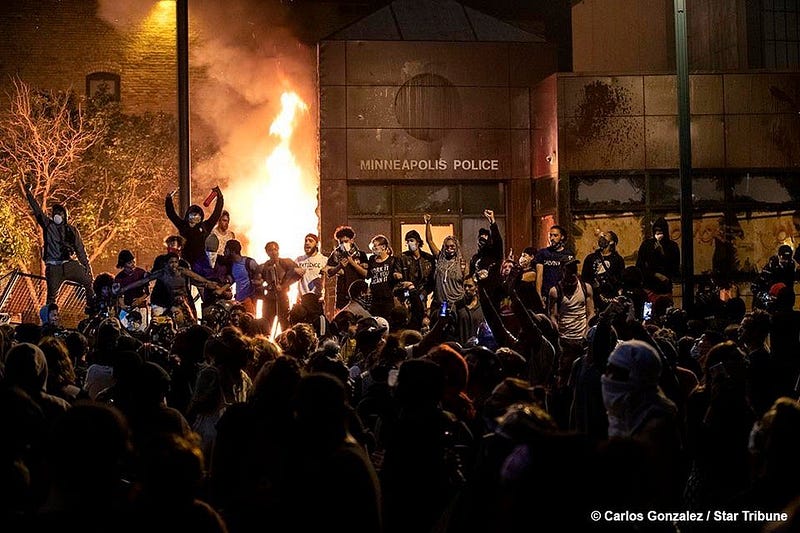
Initially, I wanted to ignore every mention of police brutality, racism, and injustice. “This ain’t surprising,” I said silently to myself after learning of Ahmaud Arbery’s assassination. I grew infuriated by the cold indifference of the Minneapolis officers when George Floyd cried out for his mother. I wanted to see the whole damn thing burn. Writing this story was the only way to process numbness, rage, and fatigue; reflecting on policing in America, its flaws, and its roots in corruption and brutality. Some people strongly believe in reform. Others believe in burning the institution to the ground. Eventually, America must wrestle with these questions.
Can the current system of policing be reformed?
How will reform be implemented?
Should we abolish the police?
If modern police originated with slave patrols, then why reform a remnant of slavery?
How should we maintain public safety and administer justice?
Unfortunately, I don’t have concrete answers to those questions. However, I do know that my community needs empowerment and strength right now. We are angry and exhausted. Rapper-Activist Killer Mike, during his passionate plea to Atlanta protestors last Friday night, said something that challenged my former views of activism.
It is your duty to fortify your own house, so that you may be a house of refuge in times of organization.
During my hiatus, I found strength and comfort in embracing my blackness, going to therapy, and tending to my mental health. Speeches and writings from Du Bois, Stokely Carmichael, Malcolm X, and Cornell West affirmed bourgeoning ideas about Pan-African unity and identity. Walking the streets of Trinidad broadened my perspective on race relations.
In hindsight, I forgot about the needs of myself and my people while trying to fight for my people. Although, I mainly fought for white acceptance of the black struggle for justice. That fight became a distraction from fortifying my house and speaking life into the black community.
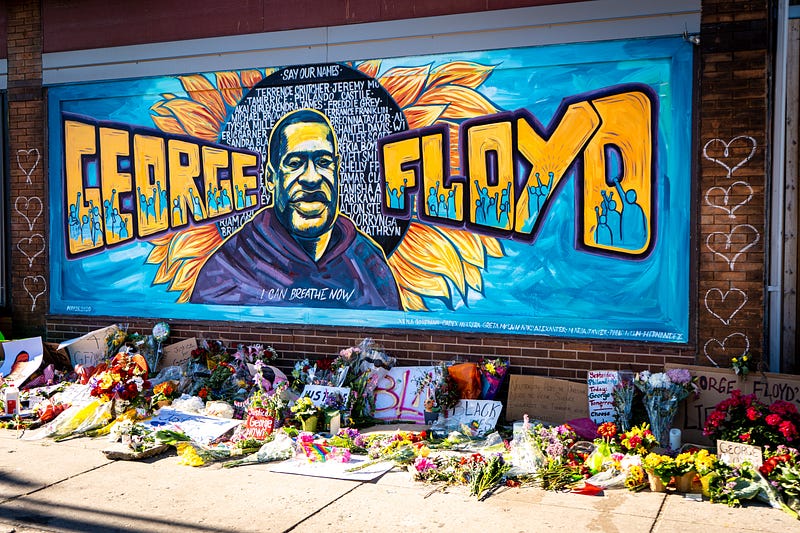
The sight of black death stings. It should anger and frustrate us. But eventually, we might grow numb to seeing so much of it. Videos of lifeless black bodies on the street will no longer make us flinch. Some have silently accepted this reality. Others desperately want to see tangible change. I have often found myself wedged between two conflicting thoughts.
Ain’t shit gon’ change!
Change gon’ come!
But, anger towards injustice and love for my people compel both protest and empowerment. I want to be a source of refuge for my people as we wrestle with cynicism and hope. As we suffer from violence inside and outside our communities, arguing with apathetic white folk looks childish. Chastising indifference and disturbing the status quo is a good and necessary start. However, maturity tells me that extending past outrage and longevity should be the main goals of justice work.
5 final thoughts:
- Reparations and racial justice must come before racial reconciliation. Correcting current systems and confronting racism within interpersonal relationships must be the first step. The conversation around justice must also include punitive and restorative aspects. Justice is a combination of punishing wrongdoing and rehabilitating offenders.
- The onus is on white America to repair our current systems and confront racism. Black people have historically assumed moral responsibility to correct injustice. However, it is neither the black community’s responsibility to educate the apathetic white mind nor to administer justice where injustice persists. The idea of “whiteness” built and upheld racist systems. Therefore, it must be torn down and repaired by the beneficiaries of “whiteness.”
- Black people don’t have to watch videos of black death. It’s okay to disengage from collective trauma to deal with personal trauma. It’s not selfish. Setting up boundaries between you, the news, social media, and apathetic individuals are healthy. It’s okay to refocus on work, family, and friends. Meditate, go for a drive, exercise; do whatever you feel is necessary to maintain your mental health. Black writers are free to write different narratives; to create prose for the sole purpose of escapism. Black creatives are free to create works of art that embody laughter, lament, and love. Not all black creative work requires an analysis of racism and justice.
- The “perfect victim” narrative is flawed. The “perfect victim” does not exist, and I will no longer subscribe to it. Historical significance aside, the Civil Rights Movement made this mistake when the NAACP chose Rosa Parks instead of Claudette Colvin as the face of the Montgomery Bus Boycott. We conditioned ourselves to equate respectable characteristics with the right to seek justice. I also won’t appeal to the ignorant idea that white violence against black people will subside when we fix ourselves. I love my people too much to promote bullshit. Hope in respectability politics is false hope. We should empower ourselves for our own sake, not to secure safety from white aggression. We should discourage crime, but it does not excuse brutality or the eradication of black life.
- These voices and schools of thought are necessary for the advancement of black people: Pan-Africanism and Ubuntu philosophy. Black Conservatives and Liberals. Black Capitalists and Socialists. Black Muslims, Christians, Jews, Atheists, Agnostics, Deists, and Spiritualists. Black blue-collar workers and white-collar workers. Black bourgeoisie and proletariat. Black people in STEM and the Humanities. Black LGBTQ and straight. Black men and women. Our multigenerational connection throughout the diaspora should be a source of strength.