
A lament for the Earth
Yesterday, I flew over a beautiful, wild landscape — the snow-capped ranges of central Norway. Barren rocky plateaus and melting icy lakes gave way to impossibly deep gorges filled with improbably blue water. It was breathtaking.
Yet today I am sad.
I am sad that so few wild places remain, where the untouched beauty can grab your heart and make you smile. I lament for all the landscapes that humans have diminished, polluted, deforested and concreted.
I wonder what my home looked like when bushland stretched as far as you could see. When ecosystems were in equilibrium, full of plants and animals that had evolved together in an intricate dance. Now species from afar dance to a different beat and the harmony is lost.
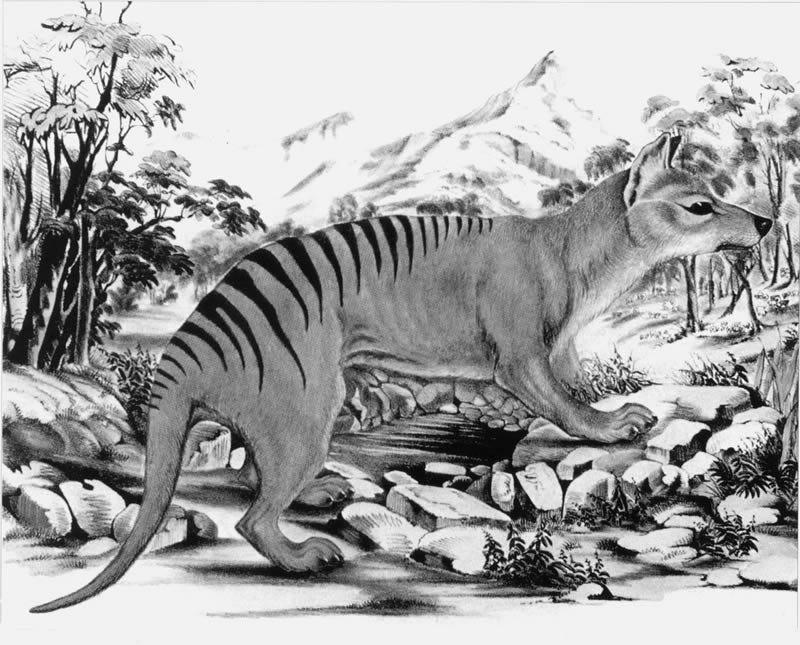
I am sad that I will never see the comical Dodo of Mauritius, the giant Moa of New Zealand or the flocks of Passenger Pigeons in their billions that once blocked out the North American sun. I am devastated that I will never catch a fleeting glimpse of a Thylacine through the trees of a Tasmanian forest. It pains me that I am 50,000 years too late to watch a giant wombat-like Diprotodon crash through the Australian bush.
In the front yard of the house where I grew up, we kept a stand of Bloodwood trees — a reminder of the landscape that existed before we came along. Under those trees lived a complex array of creatures that kept a boy like me fascinated for hours on end — ants, ant-lions, cicadas, spiders. Though just a fragment, it remained full of intricate life. That stand of trees is gone now. I went back, once, to the home I lived in for my first 17 years and saw that the trees had been cut down to make way for a sterile expanse of lawn. I wanted to cry.
Across the road from that house, stretching down to the Blue Mountains National Park, were rolling hills covered in bushland. Now, those hills are covered with homes. I used to walk through that bushland and look for shiny blue freshwater crayfish in the crystal clear creeks. No more.
I am sad that so much has been lost, that so many have suffered, that we just can’t seem to figure out how to live in harmony with this planet, and each other.
Most of all, I am sad that there is less to pass on to my children.
This sadness is real, deep and important to acknowledge. But it is not all that I am. I am also hopeful. I find beauty in acts of human compassion and creativity, in love and friendship. I believe we can grow cities that radiate their own complex beauty, though all fall far short of that ideal for now. I know that we will find a path to sustainability. I just wish it could be sooner, before more is lost.


