
A Journey Through Time: The Evolution of HCI and Its Significance for Modern UX Designers in 2023
Discover the Fascinating World of HCI and Its Significance for Today’s UX Practitioners

Introduction
As a modern UX designer, you might be well-versed in the latest design trends and technologies. But have you ever wondered about the origins of our field?
Many UX designers nowadays skip this part in their education. But I strongly believe this is an important chapter that can help build designers’ foundational understanding of UX.
We’ll explore the captivating world of Human-Computer Interaction (HCI) and its influence on UX design. As someone who has specialized in HCI, I’m excited to share my passion for this subject and offer insights into its relevance for today’s designers.
Understanding Human-Computer Interaction
The Foundation of UX HCI is a multidisciplinary field that examines the design, evaluation, and implementation of computing systems and the interaction between humans and computers. Emerging as a distinct discipline in the 1980s, HCI has roots in computer science, cognitive psychology, and ergonomics. The primary goal of HCI is to understand and optimize the way people interact with computers, considering aspects like usability, efficiency, and learnability.
Studying HCI can provide valuable insights into user behavior, needs, and expectations, ultimately leading to more effective and engaging user experiences. It’s essential to recognize that UX design has evolved from the broader domain of HCI, with many principles and techniques in UX stemming from its parent discipline.
The Evolution of HCI
From Technical Interactions to Holistic Experiences Over the years, HCI has undergone a significant transformation. Initially, the focus was on the technical aspects of human-computer interaction, such as system performance, input/output devices, and the efficiency of user interfaces. However, as technology advanced and digital products became more complex, the scope of HCI expanded to include a more holistic approach to designing and evaluating user experiences.
This broader perspective led to the emergence of UX as a subfield within HCI. Today, UX designers often have a background in HCI principles and research, and they focus on creating engaging, enjoyable, and seamless experiences that cater to users’ needs and expectations.
HCI’s Impact on Modern UX Design Principles Understanding HCI’s history is crucial for modern UX designers, as it offers insights into the development of essential design principles and practices.
Usability
A core principle of HCI, usability refers to the ease with which users can achieve their goals when interacting with a computing system. Usability encompasses aspects like learnability, efficiency, memorability, and error prevention, all of which are critical in creating effective and user-friendly designs.
User-centered design
HCI emphasizes the importance of placing users at the center of the design process. By understanding users’ needs, preferences, and limitations, designers can create systems that are tailored to their target audience, resulting in more satisfying and successful user experiences.
Accessibility
HCI research has highlighted the need for computing systems to be accessible to a diverse range of users, including those with disabilities. By incorporating accessibility principles into their designs, UX designers can ensure that their products are usable and enjoyable for everyone.
Consistency
HCI studies have shown that consistent design elements and interaction patterns make it easier for users to learn and navigate computing systems. By maintaining consistency within their designs, UX designers can create more intuitive and user-friendly experiences.
Notable HCI Milestones
The Dawn of Direct Manipulation: Ivan Sutherland’s Sketchpad (1963)
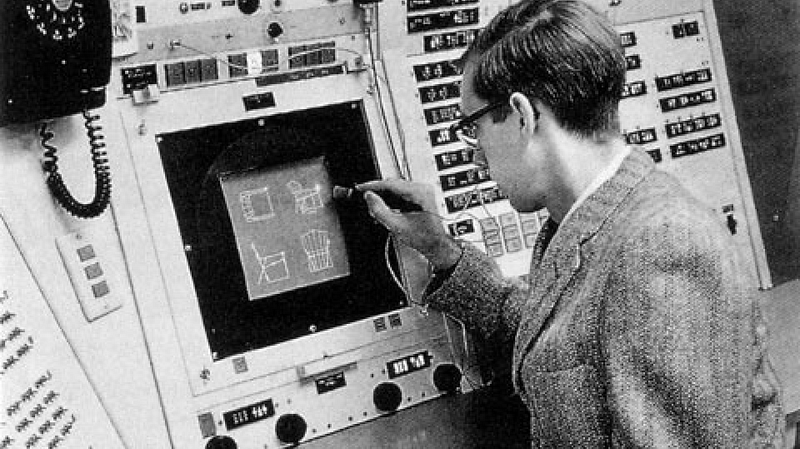
Long before the ubiquity of touch screen devices, Ivan Sutherland’s Sketchpad provided a glimpse into the future of direct manipulation interfaces. Developed at MIT in 1963, Sketchpad allowed users to create and manipulate graphical images using a light pen. This early program demonstrated the potential of interactive design tools and laid the groundwork for computer-aided design (CAD) and modern drawing and design software.
Glimpse into the Future: Douglas Engelbart’s “Mother of All Demos” (1968)
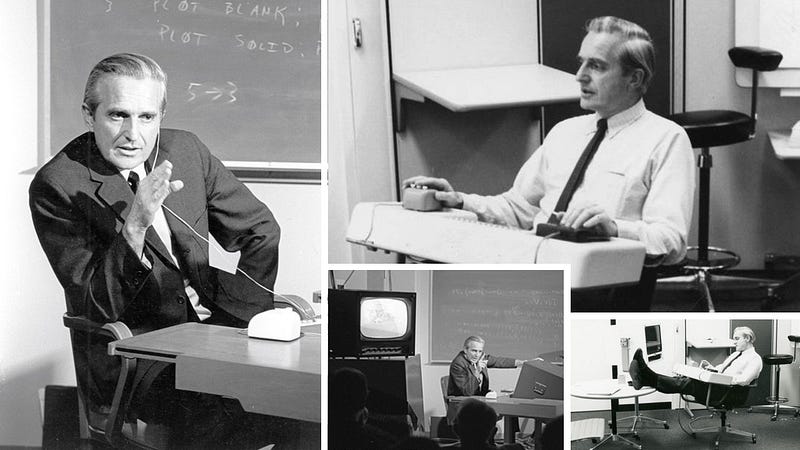
In a presentation that still resonates today, computer scientist Douglas Engelbart showcased several groundbreaking HCI concepts and technologies in what came to be known as the “Mother of All Demos.” This demonstration introduced the world to the computer mouse, video conferencing, hypertext, and collaborative real-time editing. Engelbart’s visionary work foreshadowed many of the essential elements of modern computing and HCI, demonstrating the immense potential for human-computer interaction.
The Birth of the Graphical User Interface: Xerox Star (1981)
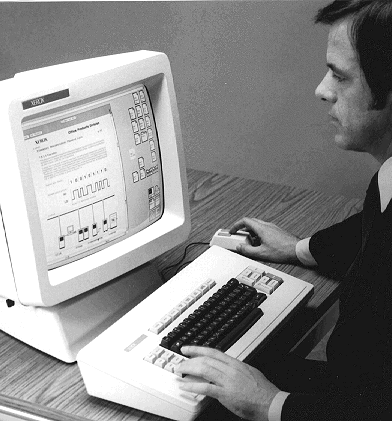
The Xerox Star was a landmark in the history of HCI, as it introduced the first commercial computer with a graphical user interface (GUI). Developed by Xerox Corporation’s Palo Alto Research Center (PARC), the Star featured windows, icons, menus, and a pointing device (mouse), which revolutionized the way people interacted with computers. This pioneering system set the stage for the widespread adoption of GUI-based computing and influenced the design of subsequent systems like Apple’s Lisa and Macintosh.
Apple’s Impact on HCI: Lisa (1983) and Macintosh (1984)
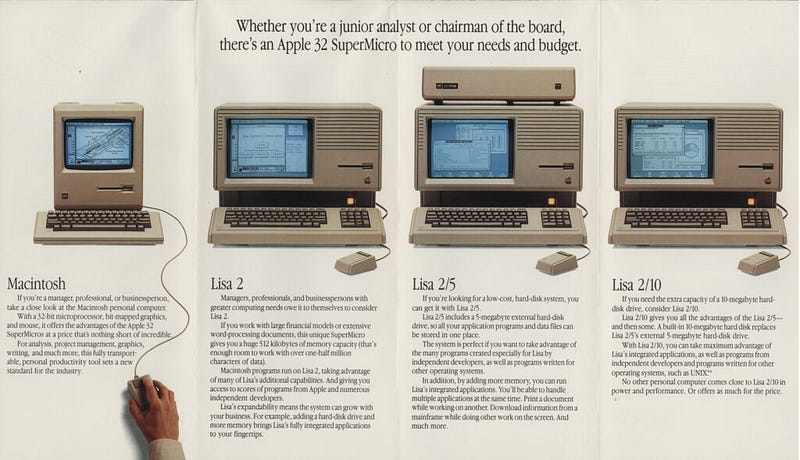
Apple’s Lisa and Macintosh computers played a crucial role in bringing graphical user interfaces to the masses. These systems popularized the use of the mouse and desktop metaphor, with interface elements like folders, trash cans, and menus designed to make computing more intuitive and user-friendly. Apple’s early products demonstrated the power of well-crafted HCI to transform the user experience and set the stage for the future of personal computing.
Microsoft Windows: Democratizing GUIs (1985)
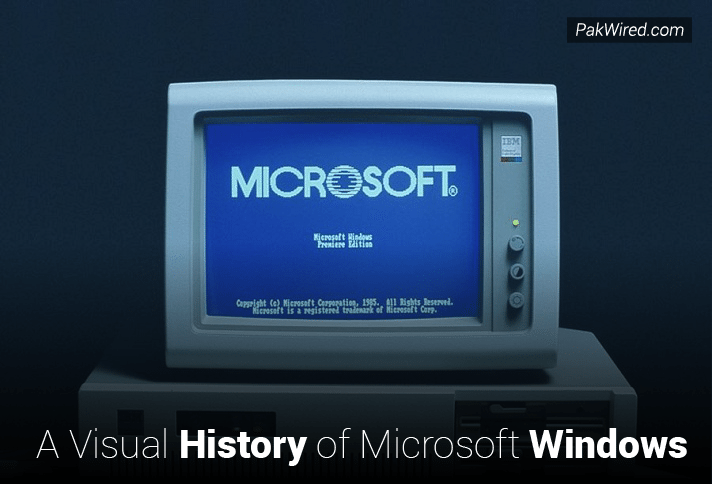
Microsoft introduced Windows as a graphical extension for their MS-DOS operating system, making GUIs accessible to a broader audience. While early versions of Windows were not as refined as Apple’s offerings, the platform eventually gained widespread adoption and played a critical role in making graphical user interfaces the standard for personal computing.
Bill Buxton’s Work on Multi-Touch Interfaces (1980s)
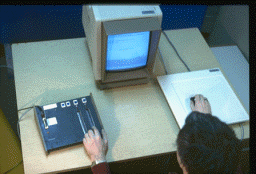
Bill Buxton, a pioneer in HCI, conducted early research on multi-touch interfaces, exploring the use of touch input for musical instruments and graphical manipulation. His work helped pave the way for the development of modern touch screen devices and user interfaces, transforming the way users interact with technology.
Conclusion
Delving into the world of HCI offers a fascinating journey through the origins and evolution of UX design. As modern UX designers, it’s essential to appreciate the pioneering work in HCI that has laid the foundation for our field. By understanding the history and core principles of HCI, we can draw inspiration from the past and develop innovative solutions that continue to push the boundaries of user experience.
As we look towards the future, the fields of HCI and UX design will continue to intersect and evolve, adapting to new technologies and user needs. By embracing the lessons and milestones of HCI, we not only honor the work of the pioneers who came before us, but we also gain valuable insights that can help us shape the future of UX design. So, whether you’re a seasoned designer or a newcomer to the field, delving into the captivating world of HCI is an enriching and enlightening journey that can only serve to enhance your skills and understanding of UX design.
Thank you so much for reading and I hope I’ve provided some valuable information!
As someone who writes about UX design and career advice, I’m always looking for ways to help educate and support those entering the world of UX. By using my referral link, you’ll not only be supporting me (Medium pays me a portion of your membership fee), but you’ll also gain access to amazing content and support Medium’s community of writers. So what are you waiting for? Sign up today and let’s learn and grow together!


