Summary
The poem "A Hawkish Moment" reflects on the predatory nature of hawks, drawing a parallel to the use of drones in modern warfare and its impact on innocent lives.
Abstract
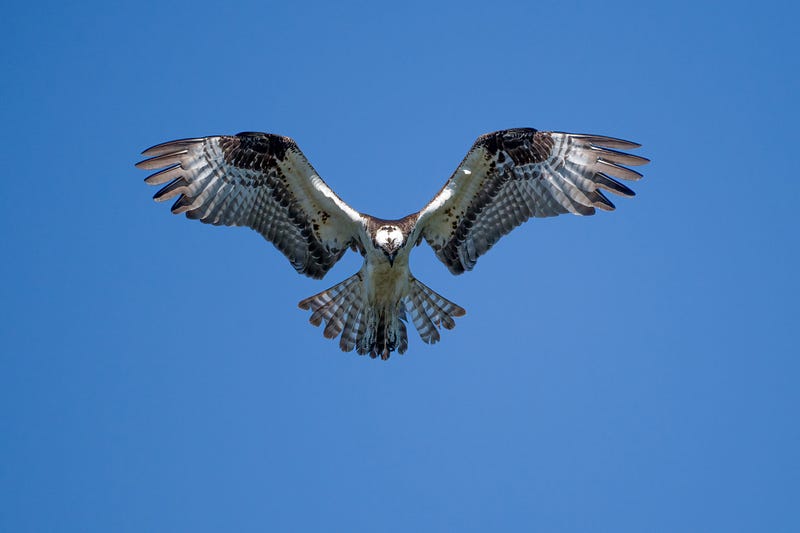
The poem describes a hawk's aerial prowess, as it hovers in the sky, its presence barely noticeable to its potential prey on the ground. The hawk, a symbol of natural predation, is contrasted with the human-made drones that have been turned into "counterfeit predators." These drones, like the hawk, observe and strike without warning, but instead of hunting for survival, they intrude on human spaces, causing destruction and loss in places where people gather peacefully. The poem laments the transformation of the hawk's instinctual hunting into a mechanized, detached form of surveillance and attack, which indiscriminately targets innocent people, leaving them as vulnerable as wildlife in the natural world.
Opinions
- The author draws a poignant parallel between the instinctual predation of a hawk and the calculated, impersonal nature of drone warfare.
- There is a sense of innocence being violated, both in the natural world and in human society, by the sudden and violent intrusion of predators and drones, respectively.
- The poem suggests a critical view of how humanity has co-opted and distorted the natural order, using technology to create a new form of predation that affects innocent human lives.
- The author seems to mourn the loss of peace and safety in public spaces, which have become targets for drone attacks, much like the hare in the scrub is prey for the hawk.
- The use of the hawk as a metaphor for drones implies a condemnation of the militarization of nature's mechanisms, highlighting the moral and ethical implications of such actions.