Having A Green Thumb
Many of my best friends are green.
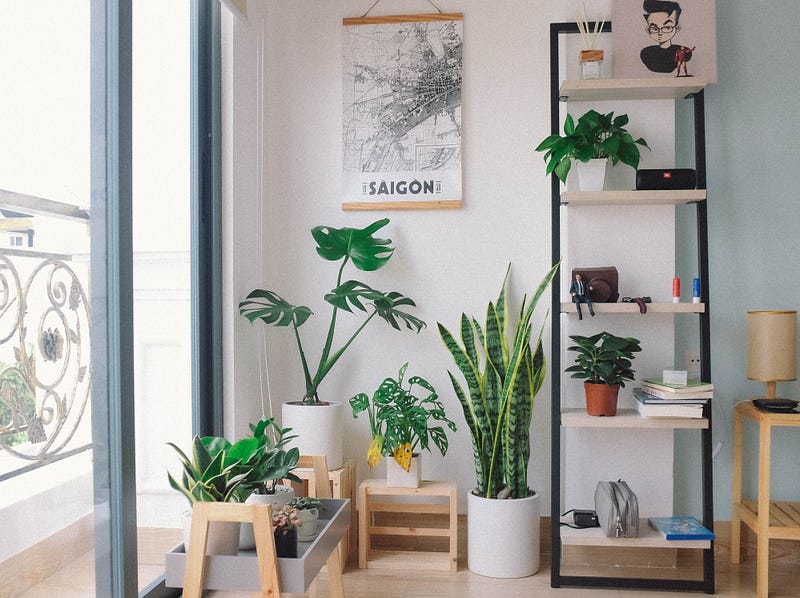
I learn from my Horticulture granddaughter all about indoor plant care. I love to share the beauty of plants with people who love plants.
I know for sure;
- A plant will make you happy.
- A plant will beautify your home.
- A plant will freshen the air.
- A plant will make a friend feel good.
- A plant will never talk back to you.
- A plant will never mess on your rugs.
- A plant will love you if you water it.
- A plant will give you something to talk about.
- And best of all you don’t have to walk a Begonia.
Author — Lynn Rapp — Library of Congress Catalog Card No73–76660 (Reference; Mother Earth’s Hassle-free Indoor Plant Book by Lynn & Joel Rapp.)
First, I learn a few words of truth.
Some pot plants do not maintain their growth level as in their happy home, the nursery greenhouse.
Some plants do not do well in the artificial climate in our homes. We should choose plants, which thrive at the approximate temperature as in the original environment.
Some plants will die despite all valiant efforts to preserve them. (don’t see this as a failure)
Knowledge & consideration of planters used, planting & potting soil is essential;
Clay pots;
Clay pots are porous (water & air pass in & out freely.), Plants in clay pots will need watering more often because of evaporation through the clay.
There is less chance of water-logging or over-fertilizing the plant in a clay pot. Water evaporates and excess fertilizer salts pass to the outside of the pot.
It means that the clay pots need periodic cleaning on the outside to remove chemical salt accumulations from water & fertilizer.
Before planting in clay pots, they must be clean, dry & sterilized. (hot dishwasher cycle works for me.)
Plastic planters;
Plastic pots are lightweight, easy to clean, and durable. Adequate drainage holes are essential since plastic is not porous. Never over water the plant in a plastic container.
Crocking;
Line the pot's bottom with an inch of stones or pebbles to allow water drainage but prevent soil from seeping out. Crocking ensures that the roots of the plant are never standing in water.
The ideal potting soil for the house plant;
- Place 1/3 of builders' sand on top of the pebbles to keep soil from packing. It allows air into the ground.
- 1/3 dry Peat moss to help the soil retain water.
- 1/3 commercial potting soil. Pre-sterilized products are available for potting. Plants have a better chance of survival if you start with bacteria-free soil. Place your plant in its new container. (Reference; Horticultural secrets by Gary Cull, Dallas Garden Club 1972)
Water;
Stick your finger two inches into the soil. If it is damp, wait till the next day to water. Plants should not stand in water. Use your discretion for watering your house plant.
Humidity;
Misting house plants three times a week with a spray bottle will provide temporary humidity.
Light;
Each plant has a specific light requirement. Sun-loving plants will not thrive in a dark corner.
The directions on your purchased plant's container provide specific information on planting, light, fertilizing & watering the plant.
Garden nursery owners are always ready to give you quality information on any plant your purchase from them.
Here are my Favorite House Plants
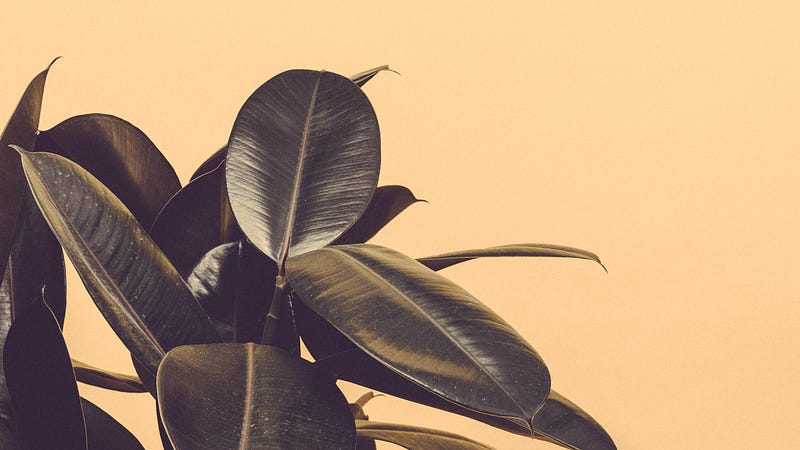
Rubber Plant
(Ficus Elastica) A beautiful plant with broad green leaves. It likes intense indirect light. Never over water. Fertilize once a month. The plant thrives in typical house temperature with dry air. I wipe off the leaves as they get dusty.
Origin of the Rubber Plant
The attractive rubber plant (of the family Moraceae) originates from India, Malaysia & Java. In the wild, the plant can grow into a tall tree with many aerial roots.
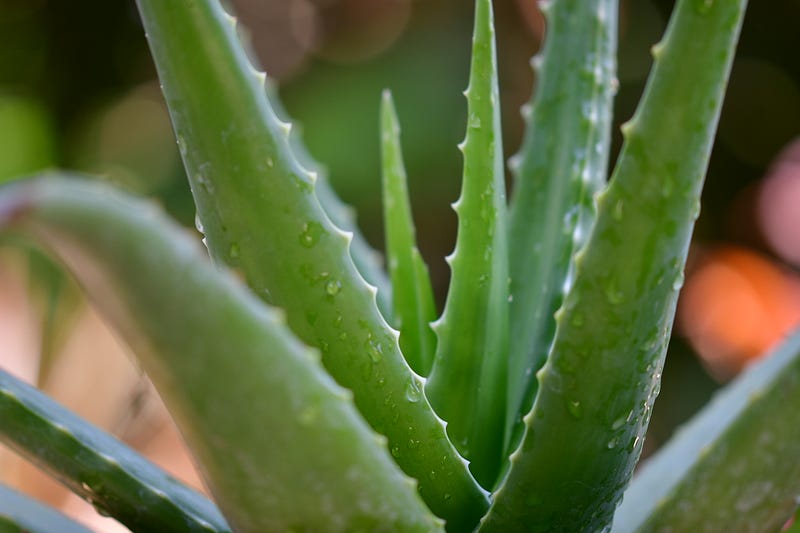
Aloe vera Chinensis
“Indian Medicine Aloe” I see Aloe plants in most homes. The tall succulent plants have variegated shades of green leaves with thorny edges.
The plant thrives in filtered sunlight & well-drained soil. Keep the plant dry between waterings. Fertilize lightly once a month.
Origin of Aloe Vera Plants
Historical evidence states the evergreen perennial plant originates from Egypt, North Africa, South Africa, and the Canary Islands. (Reference: Aloe vera Wikipedia)
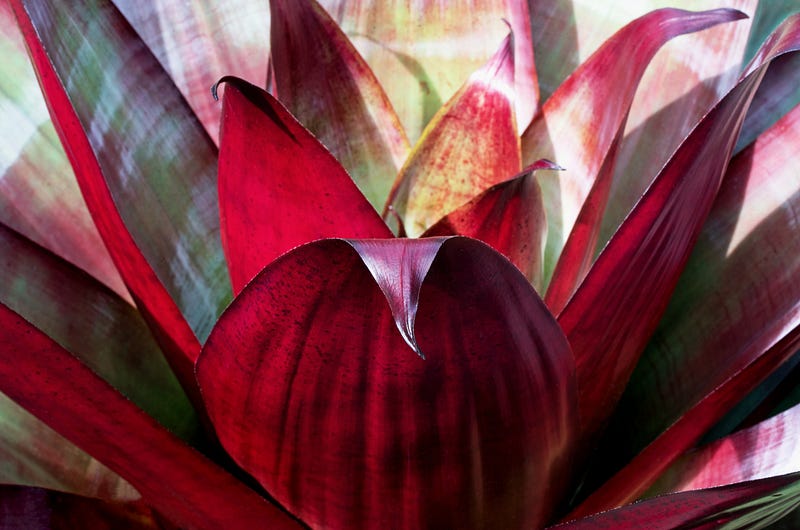
Bromeliads
Bromeliads make gorgeous houseplants. They need filtered morning sun. Some present in brilliant tricolor. They need good drainage and aeration. Never let the pot stand in water.
Water the plant when the soil is dry to touch. Fertilize every three weeks with a weak solution of fish emulsion fertilizer. Misting is necessary for humidity, as these are tropical rainforest plants.
Origin of Bromeliad Plants
Bromeliads originate from the rugged Andes mountains, Uruguay's warm jungles, and Central & South America. (Reference: Bromeliaceae Wikipedia.)
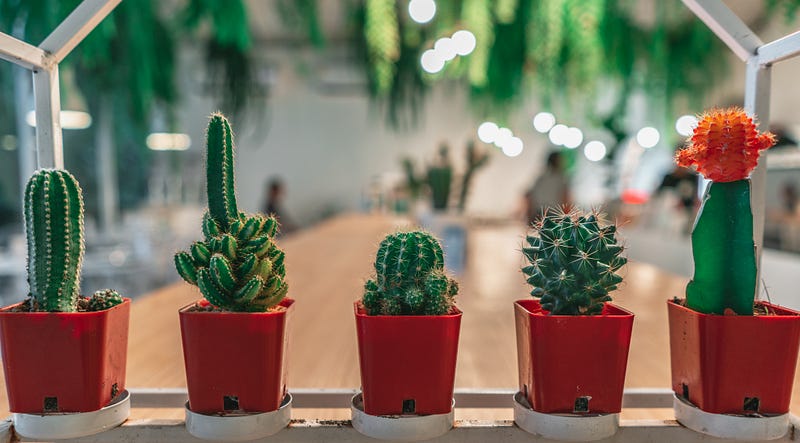
Cactus Beauties;
Cacti are stem succulents with prickly spines—a gift for busy people since they require little attention.
Every cactus is different. Some grow in arid areas & some even thrive in tropical rain forests. The soil is a crucial aspect for the successful growth of a cactus.
Indoor cacti need a sandy, pebbly and porous potting mix, which drains well & provides for aeration.
They prefer full sunlight to produce their beautiful, exotic blooms. The stems of the plant are thick, with a lot of room for storing water. Indoor varieties will need water when the soil feels dry. The plant will come with instructions.
Cacti need good drainage. The soil should dry completely before watering. October through March is their dormant period — no watering is necessary during this time. (Reference; Mother Earth Hassel-Free Indoor Plant Book by Lynn & Joel Rapp)
Origin of Cactus plants
Cacti are native to the Americas’ from Patagonia to parts of Western Canada. Certain species also grow in Africa & Sri Lanka. (reference, cactus wikipedia.org)
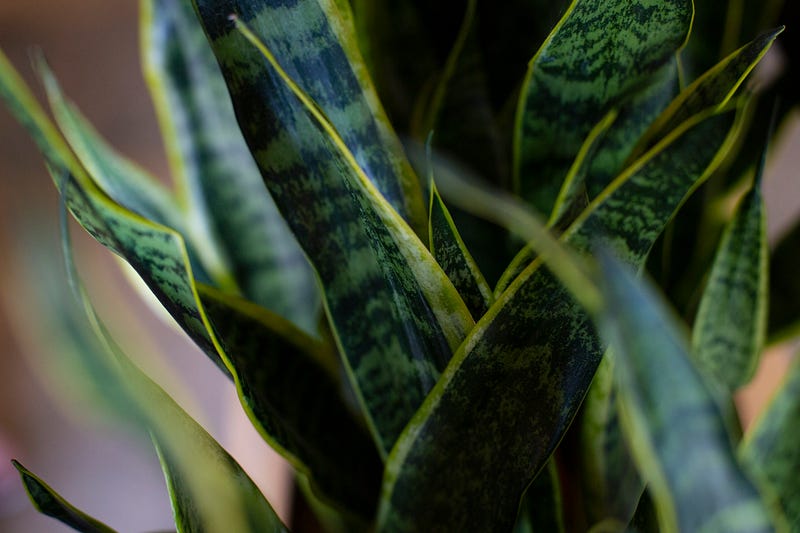
The Sansevieria or Draceana trifasciata
The Sansevieria is an evergreen perennial plant. It is also known as the mother-in-law’s tongue, the snake plant, St George’s sword because of the shape & sharp margins of the leaves.
The hardy, tall, variegated leaf plant prefers bright indirect light. Water only when the soil feels dry. Fertilize once a month.
Origin of Sansevieria Plants
The Sansevieria plants belong to the asparagus family. They are native to tropical West Africa. These popular plants embellish a room with their dark & light green & yellow color. (reference; www.britannica.com)
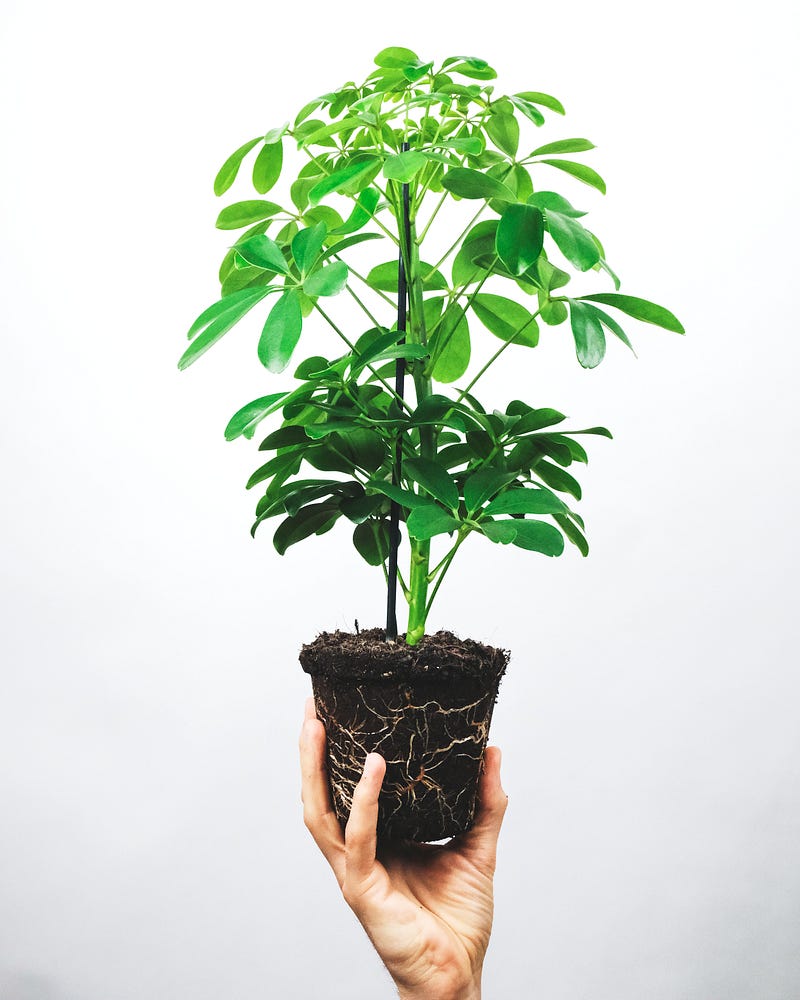
Schefflera
The umbrella tree plant grows fast in the right environment. Indirect sunlight is best for the successful growth of Schefflera.
Its attractive foliage brightens up any room. Allow the soil to dry slightly between waterings—the leaves like misting. Fertilize once a month with a balanced fertilizer.
Origin of the Schefflera plant
It is a flowering plant from the Araliaceae family native to Taiwan & Hainan. There are more than 600 species of Schefflera plants, according to Wikipedia.
The name of the plant is in honor of a physician & botanist, Johann Peter Ernst Von Scheffler, for his research studies. (Reference; Schefflera Arboricola Wikipedia)
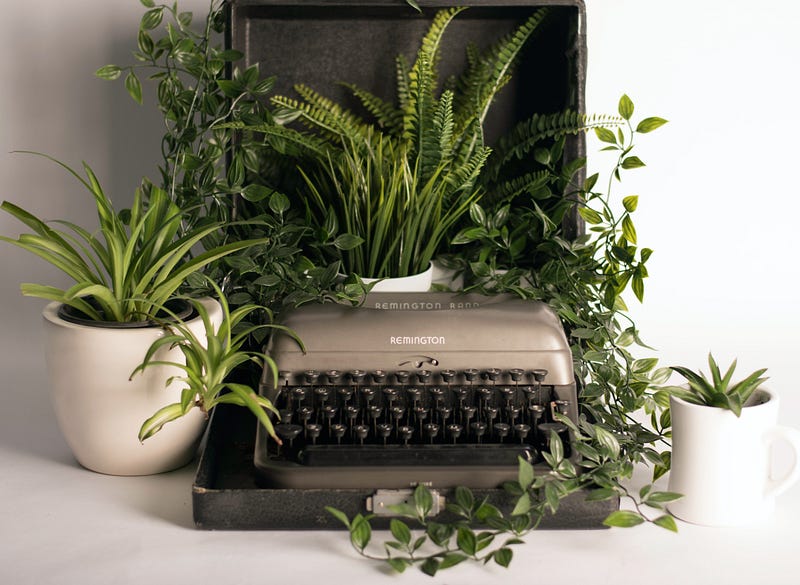
A Fern
There are various ferns; the Boston, Irish Lace, Maidenhair, Roosevelt, to name the few that I have owned. All ferns are vascular plants.
As hanging plants, their beauty takes your breath away!
Ferns beautify patios, sunrooms, and parlors in the home.
They need bright filtered light. The soil should be moist but not soggy. Provide humidity by misting the leaves as needed.
Origin of ferns plants
Ferns appear around 360 years ago in the middle Devonian period. Ferns are most abundant in the tropics.
Costa Rica has over 900 species of fern. A large variety of fern species occur in North America. (Reference www. Britannica.com)
IVY
They call Vine plants Ivy or Hedera.
There are many varieties. Named; English Ivy, Glacier Ivy, California Ivy, & German Ivy. Most Ivy plants are easy to grow. They are most attractive as hanging plants.
Ivy does well outdoors. Indoor Ivy needs good light & ample water.
Origin of Ivy plants;
Hedera is a genus of fifteen species of evergreen climbing or ground creeping woody plants. Hedera, belong to the Araliaceae family.
English Ivy is native to northeastern Ireland to Southern Scandinavia. Western, Central, & Southern Europe, across Central Southern Asia, east to Japan and Taiwan. (Reference: www.Britannica.com>plants.)
These are my favorite green friends that beautify a home for any plant lover.