
A Foxy Lesson In Expository Writing
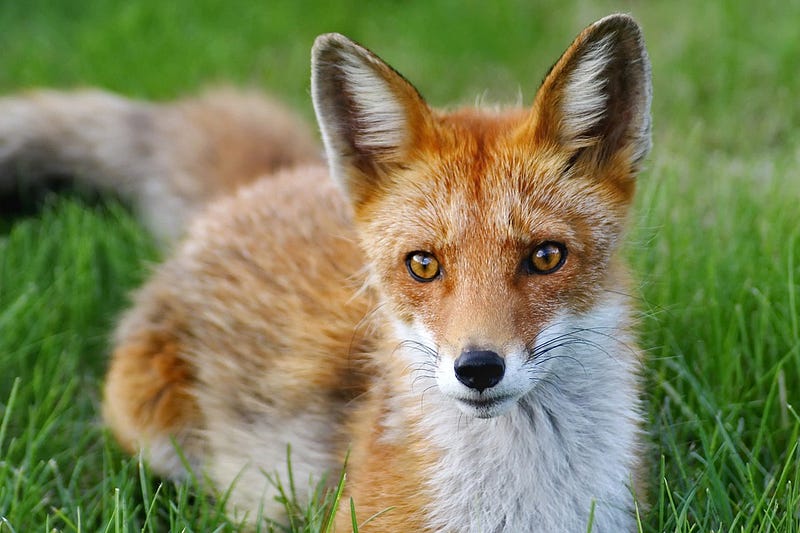
Welcome to a very foxy writing lesson. Consider this a crash course in expository writing. Chances are you have already written in the expository style without realizing it. Expository writing is one of the most used styles of writing a reader will come across. It can be found in academic essays, magazines, and many articles here on Medium.
This lesson will outline expository writing and closely exam the six separate subtypes of this popular writing style.
Original examples using a selected topic will be provided for each subtype. The chosen selected topic to serve as examples for the different subtypes of expository writing is a fox. If you are wondering why a fox? I took some inspiration from the most recognized pangram, which is a sentence that contains all the letters of the English alphabet.
‘The quick brown fox jumps over the lazy dog’
Expository Writing
Firstly, just what is expository writing? Expository writing, which is also known as exposition is used to share factual info. The writer seeks to inform, educate, or instruct the reader on a certain subject or topic.
A writer uses this style to explain a concept and communicate evidence-based information. The writer assumes that the reader has little to no background information about the topic, so will explain everything in detail.
In an expository piece of writing, a topic will be introduced and laid out in a thoughtful and logical order. The introduction will shape the topic, which is then followed by paragraphs that outline the evidence. The ending will always be a straightforward conclusion based on the previous facts discussed.
Unlike creative or persuasive writing, expository writing does not include the author’s own thoughts or opinions. Instead, the writer focuses on the accepted facts relating to a topic. External sources including research, statistics, and reports are usually provided as references in expository writing.
There are six common subtypes of expository writing.
· Process
· Cause and effect
· Problem solution
· Compare and contrast
· Definition
· Classification
In this lesson, each subtype will be broken down and explained. An original fox-friendly example will be provided in italics for each one. Each example contains an appropriate headline and a short sample of the writing style.
Process
Process expository writing explains the process of something by providing a step-by-step guide. Recipes, instructions, and how-to-articles fall into this category of writing.
Here is an example of process writing using our fox as the subject.
How to Catch a Fox
Step 1 Buy or borrow a humane trap. Traps can be purchased either online or from a hardware store.
Step 2 Set up the trap in a location you expect the fox to be.
Step 2 Bait the trap. Foxes are scavengers and will eat most things, but meat or fish works particularly well.
Step 4 Leave the trap overnight. Foxes are nocturnal and more active at night, increasing their chances of finding the trap.
As you can see from this how-to- example. Process writing involves breaking down each of the individual steps to complete a goal. In this case, the goal is to successfully catch a fox.
Cause and Effect
In cause and effect writing the writer will explore the cause of something. This style of writing is built around the reason something happened and its possible impacts. There are two ways to structure cause-and-effect writing.
A block structure will first present all the causes of a subject before addressing all its effects. In a chain structure, each of the causes is immediately followed by its effect straight away.
The Impact of Foxes on Native Australian Wildlife
The common red fox was first introduced into Australia in the 1870s for the purpose of recreational hunting. Within only 20 years, populations expanded to such an extent that the fox was declared a pest. Foxes threaten biodiversity by hunting and killing native wildlife. Foxes in Australia have already contributed to the extinction of several species of small mammals and birds.
In this example, the cause of the subject is the introduction of foxes into Australia. The effect is the environmental damage on Australian native wildlife.

Problem and Solution
Problem solution writing involves the writer identifying a problem, followed by proposing the solution. The writer examines the topic from various aspects and perspectives before providing a solution to the problem.
The problem and solution format is extremely effective when writers want to cover current events such as the spread of the coronavirus or pervasive world problems such as climate change.
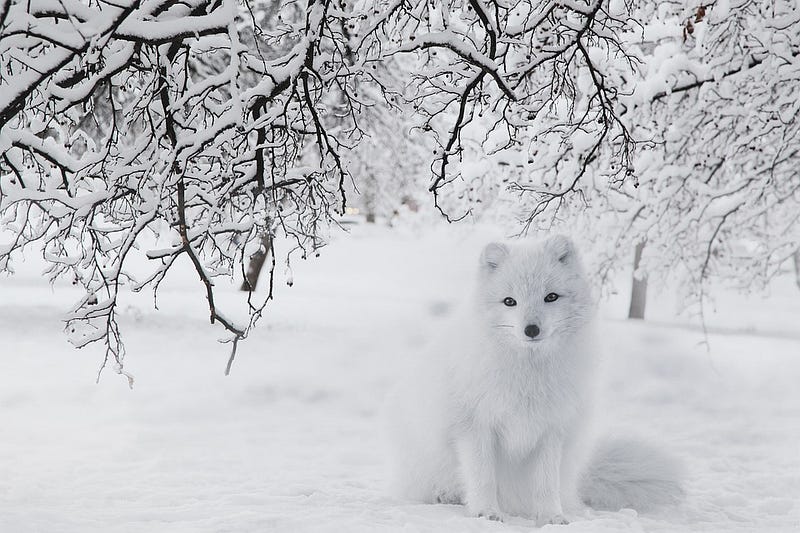
Saving The Arctic Fox
The Arctic fox is native to cold Arctic regions of the Northern Hemisphere. Driven close to extinction due to the demand for its pure white fur, the Arctic fox was only saved from complete extinction because of a hunting ban in 1928. A century later, the species is still struggling to cling on. However, due to the tireless work of scientists, nature wardens, and protection programs established by conservation organizations, fox numbers have risen.
In this example, the problem is the endangerment of the Arctic fox. The solution is further funding of conservation protection programs
Compare and Contrast
Compare and contrast expository writing is used when the writer wants to compare the similarities between two selected subjects and contrast the difference. The subjects being compared should belong to the same category.
Are Foxes a Type of Dog?
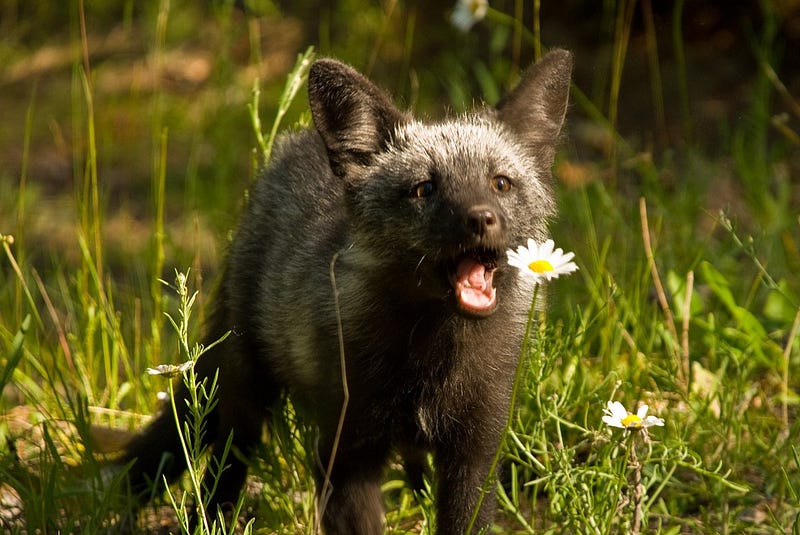
Foxes belong to the Canidae family, which is shared by wolves and dogs, but their lineage splits off from there. The main difference between foxes and dogs is that dogs are domesticated animals, easy to train, and enjoy the company of humans. Foxes on the other hand have never been domesticated. Foxes are wild animals, impossible to train, and shy of humans.
In this example, foxes are being compared to dogs which is an acceptable comparison because both animals are members of the canine family. The similarities between a fox and a dog are their shared lineage but their differences are their behavior.
Definition
Definition writing involves providing the reader a complete description of a topic. Definition means the exact meaning of a word or term. The writer seeks to make the topic definite, clear, and distinct. Definition writing often starts with the dictionary definition and ultimately expands on the definition of the topic.
The defined topic can have a concrete meaning such as an object, place, or animal. Or the defined topic could have a more abstract meaning such as love, courage, or respect. Concrete terms will give the writer less to explore, where an abstract term will provide more concepts to investigate. Ideally, the term will be disputable and have complex meanings to different people.
What is a Fox?
The term fox usually refers to any member of the dog family (Canidae) which resemble small to medium-sized dogs. They have bushy tails, pointed ears, and a narrow snout. The word fox or foxy is also a slang term that can also be used to describe someone who is considered to be sexually attractive.
This example first defines the most common use of the word fox which refers to the animal before expanding on other possible meanings for the term.

Classification
Classification writing involves dividing the topic into different groups and categories, which are then further explained in detail. The essence of this style of writing relates to categorization and generalization. The writer aims to organize and sort everything discussed into neat categories. Each category is expanded by it has its own examples, characteristics, and ideas.
Famous Foxes from Fiction
In literature, famous foxes include the fox from The Gingerbread Man. In this classic folktale, a gingerbread man escapes from hungry pursuers. Only to be tricked, lured, and eaten by a clever fox. The Fantastic Mr. Fox, written by legendary author Roald Dahl in 1970, is another popular children’s story featuring a fox.
In film famous foxes of the silver screen include Robin Hood from the 1973 Disney animated film of the same name. Disney again featured a fox leading character named Nick Wilde in the 2016 film Zootopia. Nick had many characteristics which are traditionally associated with foxes, including independence, cunning, and mistrust in others
In this example, the different genres of fiction are broken down into literature and film in order to categorize the different foxes from fiction.
Class Dismissed
We have reached the end of our foxy writing lesson. As you now know from our foxy examples, the main purpose of expository writing is to explain a topic to the reader.
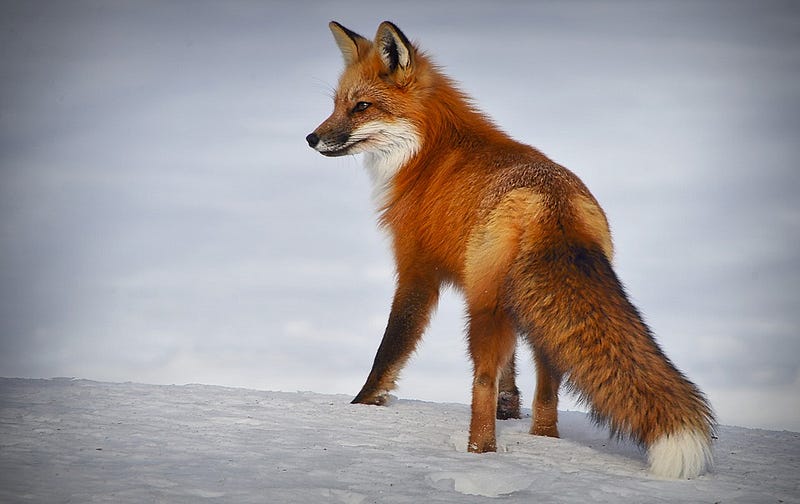
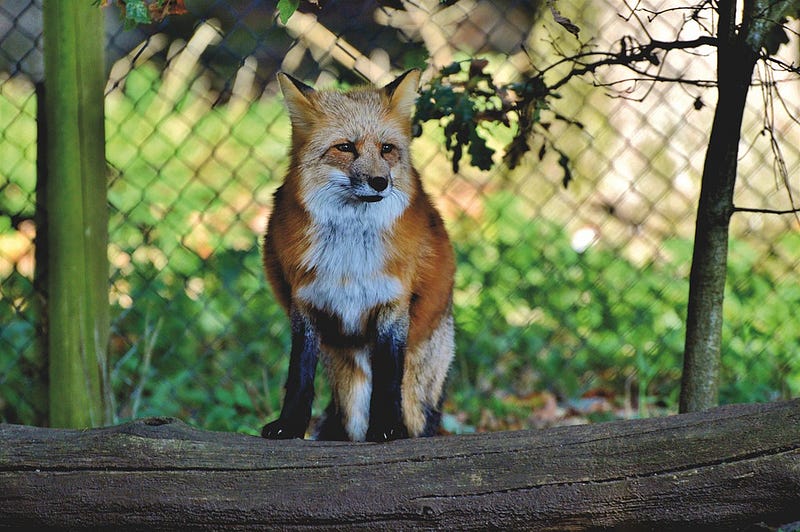
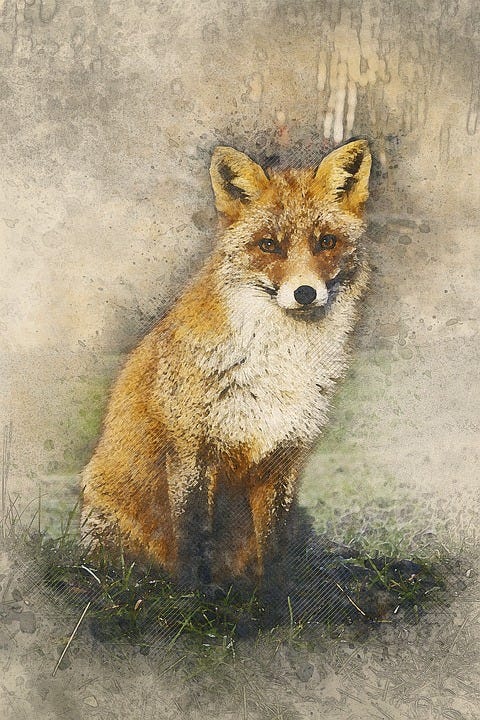
Expository writing is one of the most widely utilized methods of writing, so it’s useful to understand how to use it. I hope you have enjoyed this foxy lesson in expository writing, or at least found the fox photos cute.
Thank you for reading and keep writing.
‘The sleeping fox catches no poultry’ Benjamin Franklin


