
A Different View Of Pain
After cancer, chemo, and a mastectomy — my perspective has changed
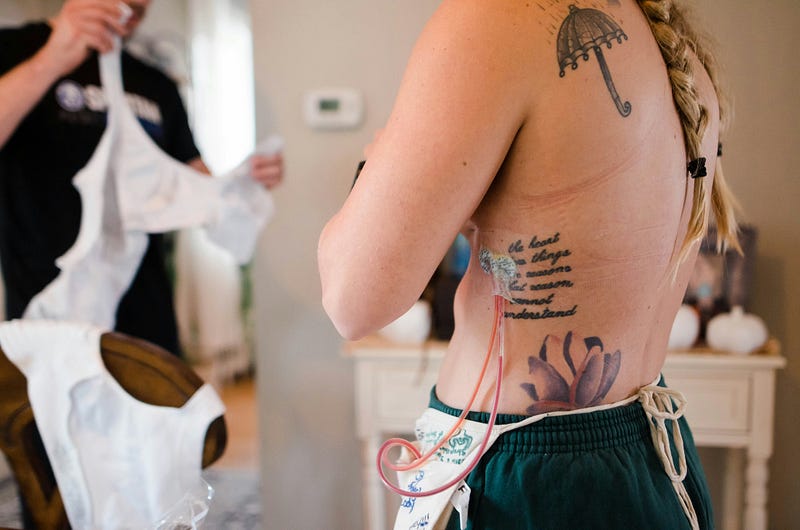
Today while roasting cauliflower in my oven, I accidentally touched the hot oven with the inside of my arm. I yelled “ouch” and the person who was with me expressed sympathy. It hurt, but I laughed it off.
As someone who is battling cancer, I have a new perspective on pain.
When I had a mastectomy I was in so much pain that they were giving me enormous amounts of oxycontin — 60 mg twice a day. Because I knew that addiction was a real possibility with this medication, I started tapering down the dosage earlier than my doctors recommended. However, I am glad I did that, because I experienced withdrawal symptoms, which told me I was forming an addiction.
I used meditation, prayer, and music to cope with the pain while I was tapering off the Oxy. I am glad I didn’t keep taking it as long as they wanted me to because addiction to pain meds has destroyed lives.
Other treatments, such as chemo, have been painful in different ways.
Thanks to the chemo drugs used, I now have neuropathy in my hands and feet, which causes me balance issues and makes it harder for me to function. I’ve also been having an increased sensitivity with my teeth and digestive issues.
Unfortunately, while your medical care providers will give you sheets describing possible side effects that occur thanks to the drugs they give you, the list doesn’t include the “less serious” problems you’ll likely encounter. And they seldom give you full disclosure up front because they don’t want to discourage you from taking “life saving treatment”.
Fortunately, when I’ve talked to my medical team about issues I’ve been having, I have gotten help.
However, often the help comes from my palliative care nurse, my physical therapist, or concerned friends with either a medical background or an interest in natural remedies.
For example, a new friend of mine reached out to me telling me about the advantage of taking mega-doses of DHA. I did my own research and, sure enough, there is a lot of research that has shown that Omega 3 fatty acids in general and DHA in particular have powerful anti-tumor effects.
Another supplement that a friend I’ve known for over 30 years recommended is AHCC. Again, I did my own research.
I now take both of these every day, as well as vitamin C, vitamin D, probiotics, selenium and other trace minerals, turmeric, ginger, garlic, and black pepper. I also eat healthier foods and exercise 5–6 days a week.
I think all of this is helping, and the reason I am still alive more than 2 years after my surgeon predicted I’d be dead.
However, I still have issues with pain.
The cancer metastasized into my bones and so I now have chronic pain in my lower back and right hip.
Recently, based on a friend’s advice, I started going to a chiropractor.
I explained my concerns due to the erosion of my bones from the cancer, and they came up with a regimen that will minimize the chance of damage to the bones while providing pain relief. So the actual chiropractic adjustments are minimal. Instead, they use mostly gentle massage, including lympatic drainage, and a TENS machine.
I found after 2 treatments that my energy levels were up and my pain levels were down.
Other things that help me deal with pain — continuing to pray and meditate, exercising every day, sticking to a healthy diet, and listening to my body.
Now, at the first sign of a new pain or the sharpening of a chronic pain — I call someone on my medical team. Wheareas before I’d wait for several days or a week before seeing my primary care physician, now I go right away. Because if there is something wrong, I need to be on top of it. My body is too fragile these days to wait, and if I don’t deal with something that seems small, it could become something big.
My advice to those dealing with chronic disease:
- don’t be afraid to do your own research. Doctors don’t know everything and they particularly don’t know your unique circumstances. However, some doctors will listen to you and pay attention — seek out these types of physicians.
- listen to your body. pay attention to your intuition.
- take care of your physical needs — eat healthy food, exercise regularly, get enough sleep, stay hydrated.
- take care of your emotional needs — spend time with friends and family, engage in hobbies and activities you enjoy, avoid stress as much as you can, and ask for help when you need it.
- take care of your spiritual needs — pray and/or meditate, read religious or philosophical works that expand your awareness, take deep breaths and spend time in nature
There is value in both Western allopathic medicine and in traditional healing modes. Some people will feel more comfortable relying mostly on their oncologists, surgeons and physicians. Others will do better relying on other approaches.
If you were my friend and you came to me with a cancer diagnosis and asked me what to do — I’d tell you that it’s not my job to tell you what to do. I would provide what information I could, encourage you to do your own research, and find the path that works best for you. And I would support you whatever you chose.
I am fighting stage IV cancer. If you would like to help with medical bills, I would really appreciate it. Or if you enjoy my writing and would like to buy me a cup of coffee, that’s great too. Maybe someday I can return the favor.