
A Diagnosis of Emotional Abuse
Abuse is systematic and needs to be dismantled pillar by pillar

Physical abuse is often easier to spot, report and even heal. Emotional abuse on the other hand is not the most straightforward to address. It creeps in hideously and leaves wounds in inaccessible places.
I have observed a number of emotionally abusive relationships over the years which sparked interest in me to read up extensively on it and watch fictional and non-fictional accounts of it.
One of the most sinister aspects of an abusive relationship is how it creates a system that acts as a trap. Each pillar of the system serves one another and makes exits difficult. While these are most relevant for abusive romantic relationships, they can very well be applicable to workplace relationships and different familial relationships.
Symptoms of abuse:
- Physical symptoms of mental abuse show up in many sufferers. It can trigger mild symptoms like disturbed bowel movement, migraines, and tremors. It could also trigger autoimmune disorders, cause hair fall, and cause acne in various parts of the body. It could delay or pause menstruation, and cause an increase or decrease in libido. It can cause hormonal or chemical imbalances manifested by dull skin, restless limbs, and nausea.
- Psychological symptoms are going to show up much earlier on in the relationship. Excessive crying is the body’s first line of defense. Losing sleep, losing appetite, feeling increasingly confused, being forgetful, feeling anger, and low motivation without any specific trigger for those emotions show up one by one.
- Social symptoms of abuse may be weaker connections or fights with close friends and severed relationships with immediate family members. You may appear to be a different personality to your friends. You may feel drained by the social activities you are engaging in. And, you may get into more fights and disagreements with colleagues, roommates, children, or other people you regularly interact with.
The pillars of abuse:
#1 Gaslighting and lying are the pointy, venomous armors of the perpetrator. It causes serious damage (long-term confusion, lower self-esteem, anxiety) to the person it is directed at. It takes playing a lot of detective to distinguish truths from lies, and your narrative from their narratives.
Often the lies are dressed as half-truths or shifting of narratives so that the blatant lies look more like false perceptions, rather than lies. The enablers of abuse contribute to gaslighting by putting their own spin on things.
Gaslighting is the act of twisting reality by denying or lying about certain crucial details about an event and offering an alternative but false explanation to things. Example: A co-worker promises you to prepare a report that you need for a meeting but in the meeting denies to have ever promised it. Worse still: claiming that you are making it up or have a false memory about it.
#2 Plausible deniability is the bread and butter that keeps an abusive relationship alive longer. People in situationships are susceptible to gaslighting (discussed in #1) because the lack of definition creates a scenario that can be plausibly denied.
In infidelity and sexual harassment, plausible deniability allows for the abuser to reap benefits, including immunity, without the victim concretely recognizing it. The gray area manufactured with plausible deniability gives the perpetrator an escape route.
Plausible deniability is when there is a sufficient gray area in a certain action or relationship to absolve the perpetrator from the responsibility that comes with it. Example: a person developing an emotionally and physically intimate relationship with you without using words like “love”, “attraction”, “boy/girlfriend”, “sex”, “commitment”, “marriage” or even “date” so that the relationship can then be denied or minimized.
#3 Silencing allows the gaslighting to be furthered and past gaslighting to be solidified. 100% of the time there will be several attempts to silence the person who spoke up or confronted acts of abuse. The perpetrator does not admit the true nature and extent of their action.
People say that if you stay quiet while they hurt you, they will later claim that you liked it. It’s therefore important to speak up after some level of safety is fully ensured.
#4 Shaming and humiliation are tactics for ensuring silencing. The act of shaming and humiliation by the abuser or people they influenced is damaging to mental health just by itself, and on top of it, this fuels the silencing of the victim. They may use very personal information about you, your vulnerabilities, and your quirks to induce shame. They may even shame you for not loving well, and not being understanding or supportive.
For example, if you had a conversation with someone else about your relationship problems, the perpetrator may mock you for being too sensitive, too loud, or disoriented. Shaming can also come in the form of body shaming or belittling. The goal here is to lower the confidence and take the power and voice away.
#5 Blaming is the final blow by an abuser. When silencing, shaming, and gaslighting fall flat, there walks in blaming. If you have fought back during the relationship or took external help to confirm your doubts, it can and will be used against you. But it’s essential to power through the blaming attempts. It’s so common that it’s almost better to expect it than to be shocked by it for months.
Blaming helps with plausible deniability and gaslighting as well because the perpetrator can accuse you of making up incidents or imposing false expectations. Without any doubt, the abusive person will create scenarios to implicate you into damaging reactions that can later be used to blame you.
Experiencing any of the five and getting through it is incredibly difficult and time-consuming. Often this system, which facilitates the abuse, is constructed by the enablers and supporters of the abusive person. Dismantling any of the above 5 pillars built by an abuser would involve fighting against people who helped build those pillars.
List of fictional and non-fictional accounts of intimate partner abuse:
- Sleeping with the Enemy: It was spine-chilling to see how the perpetrator — a manipulative and highly controlling person — uses sex and coddling to control, only to later hurt and limit the growth of the victim.
- Maid: I have learned about the existence of domestic abuse shelters all over the US and the safety these shelters provide to someone who is recovering. It was relieving to know that victims of abuse on average need 5 tries to leave the emotional and social entanglement associated with the abuse.
- This Boy’s Life: This movie shows how a partner/spouse is not the only sufferer of an abusive person. Children and parents could also be subjected to abuse. Experiences and witnessing such abuse from childhood can paint a distorted image of love and safety.
- Darlings: Just like #1 this movie shows a spine-chilling account of the extreme emotional ups and downs created by an abusive husband. In a quirky, humorous manner the movie also shows all the tricks the victim and her family had to pull to escape the abuse.
- Depp v Heard: You can see the total entrapment both of them found each other in their marriage in this documentary. It shows why the sooner you move away from abuse the better chance of preserving a healthy mental state.
- Alice, Darling: The very subtle and sinister belittling and isolation that an abusive person can put you through can really affect health in many ways as Alice, Darling portrays.
- The Crown: Prince Charles and Princess Dianna found themselves in quite a sorrowful marriage which, in my opinion, was inevitable. The anorexia of Dianna was difficult to watch.
- Thappad: This movie can give you the strength to act on the first blatant signs of abuse. Physical abuse is horrible but if it happens, it sends a shock to the system that allows you to really see what is happening.
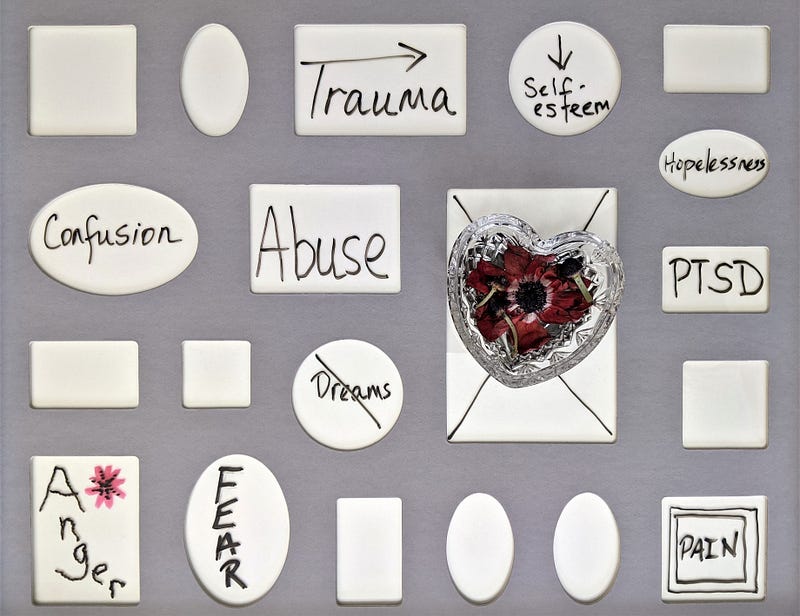
As a final thought, I would like you to picture yourself temporarily stuck in a tunnel, with little light and food. Wouldn’t you believe that the world outside this tunnel is intact and awaiting you? That belief will allow you to tread forward and look for a source of light and a path for exit.
An abusive relationship is in many ways quite similar.
If you find yourself surrounded by the pillars of abuse, don’t forget that you enjoyed a life of joy, health, and confidence before this.
And, you will do so again after.
Please appreciate my article 👏 if you liked it and tell me what you liked or disliked about it in the comments.
To read more fresh takes on mental health, relationships, adventures, and joyful living, follow my profile, and subscribe to my writing 📧. If you enjoy reading, subscribing to Medium is worth it.