
A Detailed Guide to Healthy Eating
I remember one frustrated client asking me, “Why is it that everything that tastes good, is bad for me?” I get it, and the answer is, we have been carefully groomed by Big Food. There’s so much salt and sugar added to processed foods and drinks that our taste buds have become addicted.
It’s a well-known fact that a fresh food diet high in plant foods is beneficial to our health, so there’s no need to go over it at length here other than to say eat a variety of colorful vegetables as they’re packed with antioxidants. There are other foods that enhance our health, that were previously given a bad name. However, they are perfectly safe to eat in moderation. We’ll get to those.
Now for the real healthy stuff!
Super-foods
Some foods have been called super-foods due to their high nutritional value and ability to prevent disease:
· Blueberries — Packed with vitamin C and fiber, blueberries contain powerful antioxidants (Anthocyanins). These lovely berries can lower blood pressure and lower LDL cholesterol. They’re also credited with the potential to prevent certain cancers
· Broccoli — Possibly the best vegetable money can buy, broccoli is a member of the cruciferous family of vegetables. Broccoli contains fiber and a range of vitamins and minerals. Studies have shown a diet high in broccoli can prevent cancers, due to a compound called sulforaphane
· Quinoa — although it’s a type of grain, quinoa is a protein-packed super-food, which has the full range of amino acids, particularly lysine. Quinoa contains phosphorous, magnesium, iron and manganese
· Oatmeal — Perfect for those who are gluten intolerant, oatmeal is high in soluble fiber and can help lower cholesterol levels
· Spinach — It worked for Popeye, and it can benefit us too. Spinach is loaded with vitamins and minerals including zinc, which is an immune system booster. Unfortunately, spinach, especially the imported variety may be contaminated with DTD, so it’s best to buy the organic spinach. Cook it lightly, or you’ll end up with mush! Juicing is a great option for spinach. Warning, if you suffer from gout, spinach is high in purines, so eat it in moderation
· Coconut oil — The best oil for high heat cooking, due to its high smoke point (around 350 degrees F). Coconut oil has huge health benefits. It’s a plant-sourced monounsaturated + saturated fat. Coconut oil’s saturated fats are not the same as those found in animal fats, they’re medium-chain triglycerides or MCTs. One of these MCTs is lauric acid which can destroy harmful toxins like bacteria, viruses and fungi.
· Dark chocolate — If you must have a sugar fix, dark chocolate is a good choice. Choose one with 70% cocoa or higher. Dark chocolate is high in antioxidants and a few squares make a healthy treat.
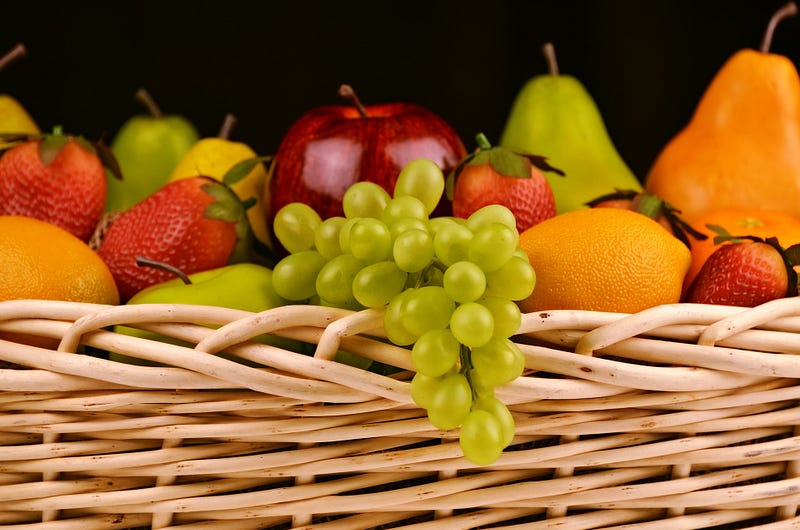
· Fruits — Yes, they’re sweet and full of fructose.* So why are fruits healthy while sugar is not? There is a difference between the fructose in fruits and the sucrose in sugar. Fruits contain longer chain carbohydrates that take longer to digest and absorb. They also contain essential nutrients, antioxidants and fiber that are required for optimal digestion. Fruits are nature’s sweet gifts. Enjoy them in moderation. *There is no similarity to the fructose in fruits to that in high fructose corn syrup
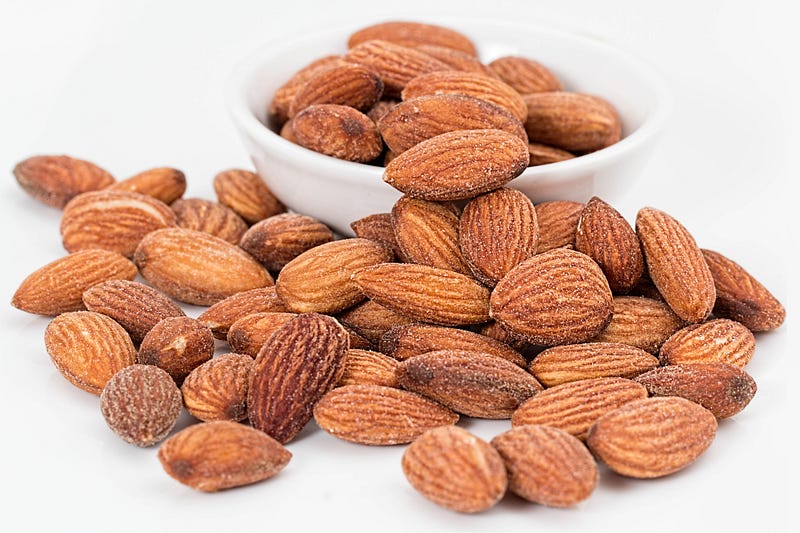
· Nuts — Nuts make healthy nibbles, and the oils found in nuts are nutritious if kept fresh. Nuts are calorie-dense, so if you’re watching your weight, stick to a handful a day
Complex carbohydrates
These are the whole grain carbohydrates, whole wheat bread, oats and certain vegetables to name a few. Complex carbohydrates contain fiber and other nutrients and are an important part of a healthy diet. There are groups of people who think carbohydrates, specifically grains, to be bad for us. I do respect these views, but don’t really agree with them.
Refined carbohydrates (White rice, white flour, white just about anything else…) These are the real gremlins. White flour has been stripped of all nutritional value and sugar can cause multiple health problems. Unfortunately, both these are hard to avoid. For example, most processed foods contain either or both. Whole wheat, whole grain or wholemeal flour still contains the wheat germ, endosperm and husk. It’s a much better option if you can tolerate gluten, and most people can.
White flour is everywhere. There are products that contain flour that you might not have considered. For example, thickeners in gravies and sauces. Products made with whole-grain flour are simply much better, but be aware that some “brown” bread just contain coloring. Here are some alternatives to white flour: rye flour, millet flour, almond meal, brown rice flour and oat flour.
Sugar. Most people think sugar is bad because it makes us fat and contributes to tooth decay, but it’s more than that. Sugar is the worst of the refined carbohydrates. It’s calorie-dense and contains no nutritional value at all. Eating a diet high in sugar can cause insulin resistance and lead to diabetes and liver disease. Sugar causes inflammation in the body and can raise cholesterol levels.
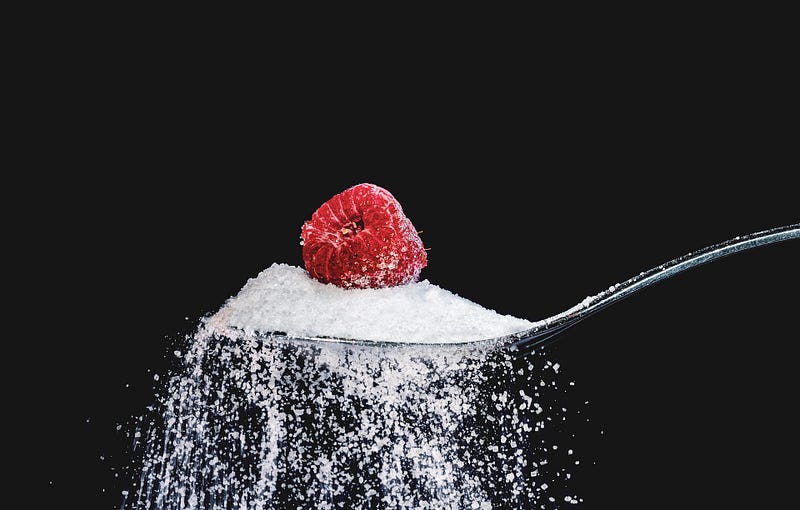
Sugar is in most processed food, even savory foods such as tomato ketchup, baked beans, Chinese food, bread and coleslaw dressing. Even eating simple carbohydrates, like a slice of white bread, will raise glucose levels in the blood. Simple carbohydrates convert to glucose almost instantly as part of the digestion process.
Unfortunately, sugar is an extremely addictive food and requires considerable willpower to give up. In fact, it’s so addictive, it’s been referred to as a drug by some nutritionists. There are natural alternatives to sugar such as Stevia and Xylitol. Stevia is a herbal plant that has a long-lasting aftertaste and can take some getting used to. Xylitol tastes more like sugar and is made from wood bark. However, it can cause stomach upsets in some people.
Chemical sweeteners are not a viable alternative and can cause many health problems. Aspartame is particularly deadly. Aspartame appears as NutraSweet, Equal, Spoonful etc. Aspartame contains ingredients (aspartate and glutamate) that act as neurotransmitters in the brain. These ingredients can kill brain neurons by generating free radicals. The Federation of American Societies for Experimental Biology (FASEB) has issued a warning to women of childbearing age to stop using aspartame, due to the risk to the fetus. Following are just some of the side effects: weight gain, heart palpitations, migraines, anxiety, tinnitus, depression, memory loss, irritability and fatigue.
Artificial sweeteners are counterproductive for weight loss.
Many people who want to lose weight turn to artificial sweeteners because they’re zero-calorie. Aspartame, for instance, is 200 times sweeter than sugar. While this is not a problem in itself, aspartame doesn’t activate the food reward pathways in the brain. Eating sugar does have an effect on the appetite that artificial sweeteners do not. Therefore, your appetite is not sated and you’ll want to eat more.
Anything that tastes sweet increases appetite, no matter what is used to sweeten the food. Repeated exposure to sweet foods and drinks encourages a greater craving for them.
Fats
Nowhere in all the mass of diet advice is there so much confusion as there is about good old FAT. A lot of people believe that fat is the enemy, especially when it comes to weight loss. But fat can be your friend.
There are many types of fats. Saturated, polyunsaturated and monounsaturated. In the era of the “fat-free diet” — which is thankfully losing popularity, most fats were considered evil, so what are the real facts as we know them today?
Saturated fats are good for you — yes really!
Butter, eggs and cheese. These not only taste good but are good for you too. Surprised? After all these three foods were almost demonized a few years ago.
Saturated fat has long been touted as a ‘bad fat’, although no scientific evidence exists to support this theory. It stems back from a flawed research study back in the 1950s by a man by the name of Ancel Keys. Mr. Keys published a paper that stated dietary fat was the reason for the increase in heart disease in patients. More recent studies, taken over a larger slice of the population, has since disproved this. Still, seventy years later, the myth persists.
Saturated fats are one of the few sources of vitamin K2, a vitamin that protects the heart. They also contain CLA, stearic acid and palmitic acid. These have no negative effect on the heart and may improve our immunity. Saturated fats are particularly good for our brain health. So, enjoy butter in place of margarine and don’t be afraid to enjoy eggs and cheese in moderation.
So, what about polyunsaturated fats? Are they healthy? The answer is one that the lawyers love — “It depends”. There are some polyunsaturated fats which are essential to life and some that can send us to an early grave. Healthy polyunsaturated fats are Omega 3 oils from fish or Krill, Flax-seed oil, oily nuts, such as walnuts and sunflower seeds and green leafy vegetables.
Omega 3s to avoid include corn oil, soybean oil, safflower oil and cottonseed oil. These are heavily refined and can cause inflammation in the body. This in turn raises the body’s production of cholesterol to cope with the inflammation. These refined oils form various harmful compounds when heated, such as lipid peroxides and aldehydes. Not only are these carcinogenic when eaten, but they may also vaporize and be inhaled into the lungs during cooking.
Monounsaturated fats
These are mainly oils, which include canola oil, peanut oil, high-oleic safflower oil, sesame oil and olive oil. Sesame oil has a strong flavor and is used in small amounts in Asian cuisine. Canola oil is a product of the rapeseed plant and is not recommended at all.
Olive oil — Extra virgin olive oil contains antioxidants and vitamin E, which help fight free radicals in the body. Using it for high heat cooking may destroy some of the nutrients and flavor. Refined olive oil has a higher smoke point than the extra virgin variety, and is more suitable for frying and other high-temperature cooking. Extra virgin olive oil is fine for normal cooking, however, and adds flavor and nutrients to the food.
Trans fats ☹
Most everyone knows about trans fats these days, due to their negative publicity. Trans fats are artificially manufactured by a process known as hydrogenation. This involves passing hydrogen gas through heated vegetable oil. From there, a solvent is added (typically hexane) and the product is then deodorized and bleached.
Why would anyone go to all that trouble? Because it produces a solid type of fat which is cheaper than butter and doesn’t break down. Products made with trans fats last longer on the shelves. Food manufacturers fell in love with trans fats, and they spread rapidly into the food industry. There was one small inconvenience, however. Heart disease spread rapidly through the population.
How to avoid trans fats -
These artificial fats are found mainly in margarine, processed foods like crackers, potato chips and biscuits, and deep-fried foods. Trans fats have no nutritional value and raise the risk of clogged arteries, type 2 diabetes, and heart disease. Even bottles of healthy oil, e.g. olive oil, can contain trans fats, if the manufacturer has combined different oils together. Check the label for trans fats, or hydrogenated vegetable oil (trans fat in disguise). There is no safe level of trans fats.
Fats can be awfully complicated! To keep it simple, use coconut and olive oil for cooking and olive oil on your salad. Enjoy small amounts of saturated fats in your diet and you can’t go wrong.
At the end of the day, the best way to avoid most unhealthy ingredients is to avoid highly processed foods and select whole, natural, non-processed foods instead. I know time is a problem, there’s never enough time to cook meals from scratch. Instead, try reframing this. Think about the years you’ll be adding to your life by doing this one simple thing every day.
It’s not easy to change our eating habits, so why not do it gradually? Every week take one harmful ingredient from your diet and replace it with a better one. In a couple of months, you’ll feel healthier and happier!


