
A Cure for Insomnia
Instead of suffering from sleeplessness, find joy in being awake at night
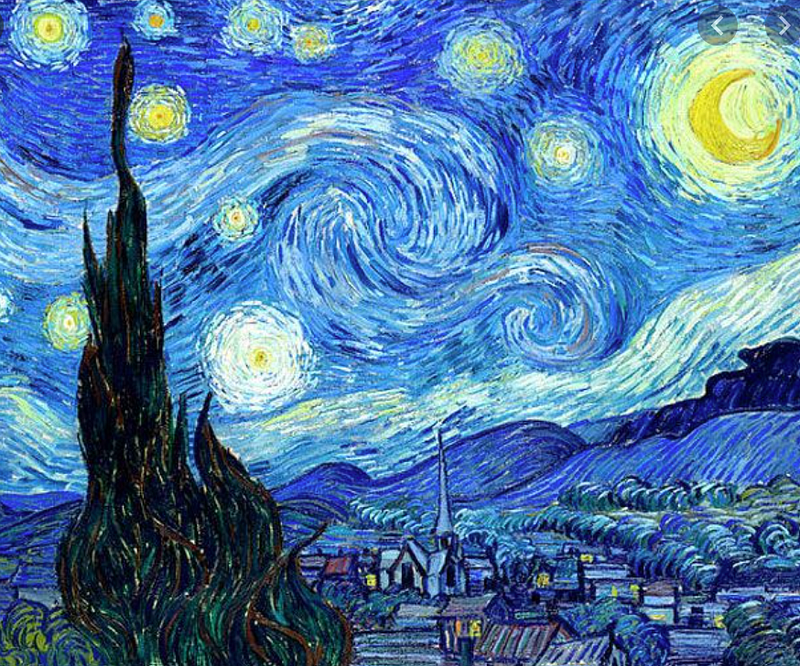

This article won’t tell you how to get back to sleep if you find yourself unable to sleep at night. But it may help you enjoy your wakefulness.
I have nothing against sleep. As Blanchot said, sleep transforms night into possibility. But in order to appreciate the possibilities created by sleep, it is necessary to be awake.
I love being awake even more than I love being asleep. Not awake any time, but specifically at that time when, according to the opinion of the world, I should be sleeping. I love the peace that overtakes my apartment in the stillness of the night, when the streets are empty and the world is absorbed in dreams.
The surreal quiet in the middle of the night echoes the peace of early morning, near the break of dawn, with a difference. While break of dawn marks the end of peace, the silence of the night marks its beginning.
I prefer beginnings to ends. I love the horizons they expose, showing us that anything can happen and nothing is foretold. With its workaday routines and its drumbeats of inevitability, morning brings this illusion to an end.
In my preference for evenings over mornings and for twilights over daybreaks, I often feel alone. Medical science would seem to contradict me. Time and again, we read about the health benefits of getting up early and going to sleep early. We are informed that those who stay awake until dawn are liable to experience all kinds of morbidities: hyperglycemia, heart disease, even diabetes.
The scientific studies that warn of the increased risk of these diseases for night owls may be right, but they don’t say everything that needs to be said about the body, let alone the soul.
My energy levels peaks late at night, between one and three in the morning. Why do those who preach against the night ignore the psychological costs of being deprived — through sleep — of this most intense and intellectually fertile interval in my circadian cycle?
The armistice between twilight and dawn cannot be compared to any other mode of existence. It is, put simply, the best time to be alive, the epitome of freedom. During these moments, it is a miracle to be alive.
Even though I lack the backing of medical science when I assert that staying awake in the depths of the night are the key to my sanity and health, I do have the backing of the Persian language, which comprehends poetry perhaps better than any other.
Persian does not rely on clichés like “night owl” to describe the physical condition of those who stay up late because they are in love with the night. Instead, the language says exactly what needs to be said: the person who stays up late at night by habit is shab zindeh dar — one who keeps the night alive — in contrast to sahar khiz — the one who awakens the dawn.
The Persian poet Hafez connects the eyes of a person who loves to stay up late with the eyes of a lover:
I made a thousand efforts to make you love me,
to comfort my restless heart,
to become the light of my eyes, giving life to the night (shab-zendeh-dar),
to be the companion of my hopeful mind.
Here are the above verses in Persian:

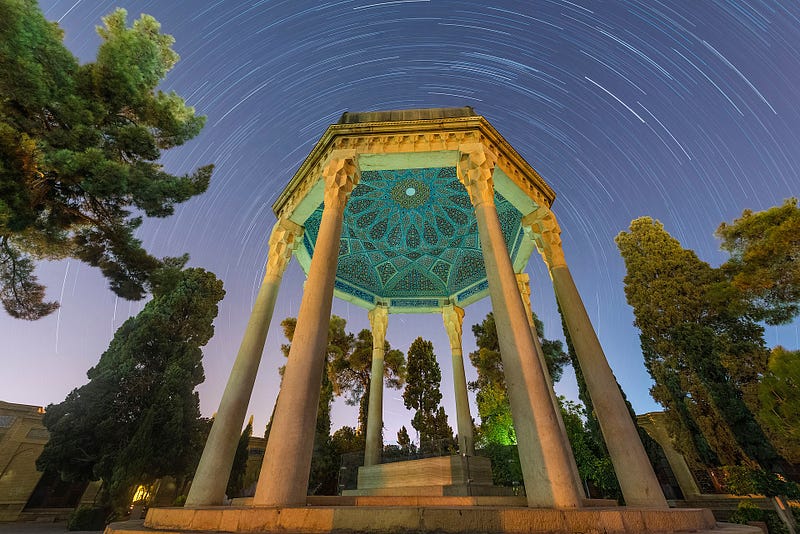

The seventeenth century poet Sa’eb of Tabriz (in northern Iran) put it even more beautifully, also locating the impulse to stay awake late at night in the eyes:
Be the one who gives life to the night (shab-zendeh-dar) because the night is filled with daylight
in open eyes, for eyes that give life to the night (shab-zendeh-dar).
Here is the above verse in Persian:

I keep the night alive when I stay up late, refusing to partake of the oblivion that my neighbors inhabit at that moment.
I refuse, not because I don’t love this oblivion — I need sleep just as much as anyone else — but because my body needs to diverge from the norm. I need to live according to my own rhythm.
Among modern writers, the Russian poet Marina Tsvetaeva (1894–1941) understood the lure of the night better than anyone. In her poem cycle, “Insomnia,” first published in 1916, she wrote:
Here again is the window
where again they don’t sleep.
Maybe — they are drinking.
Maybe — they just sit like that
and their hands
don’t divide them.
In every home, friend,
there is such a window.
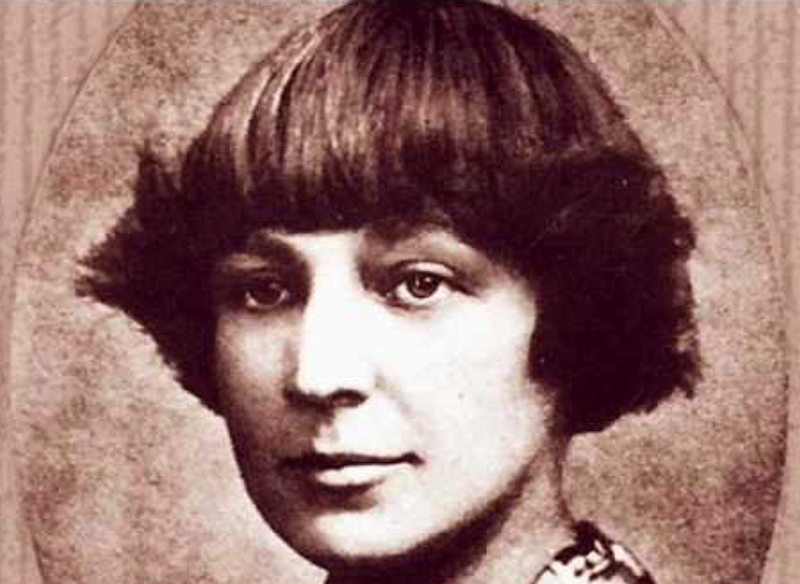
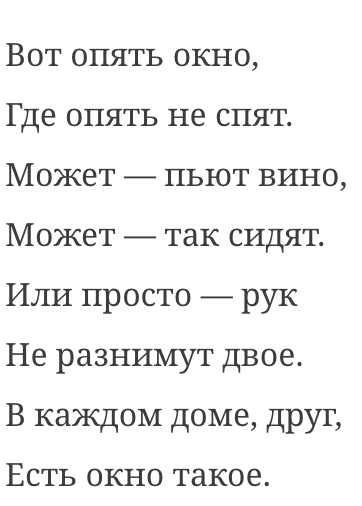
Here are the above verses in the original Russian
In my dreams, Tsvetaeva peers into my window. She sees me alone, not drinking, just sitting and watching the blizzard of stars make the night radioactive.
In the end, we are headed in the same destination. I sleep just as much as the next person. I just like to delay that descent into oblivion longer than others.
I have yet to meet anyone who relishes the physical pleasure of staying up all night as much as I do, not because of a nightlong party or other celebration, but simply because the time when I am awake in the middle of the night is when I am most grateful to be alive.
But when I read Tsvetaeva, I realize that I am not alone. There is an entire community of night lovers, most of whom are now merging with the stars.
The middle of the night is when I most feel like dancing. To be alive yet invisible — to have no fear of being watched — is ecstasy.
We must catch up on the sleep we miss during these days of torment and anxiety, marked by pandemics and senseless deaths. We must take care of our bodies, just as we would look after our souls. The best way of doing this is to break the rhythms that are imposed on us by everyday existence.
Staying up late at night is a necessary act of resistance to quotidian existence. It is the right choice for our souls.
Nights should be lived, rather than slept through. We should vary the rhythm of our lives at least once in a while. Variation teaches us how to be at home in the world.
Also check out these compelling visual depictions of insomnia by Massimo Sormonta, which are also inspired by Tsvetaeva:
Thanks for reading! I regularly post content related to poetry and resistance on my YouTube channel, Poetry and Protest, which you can subscribe to here: