A condensed conclusion to the Forde Report especially how anti-semitism has been weaponised by the present Labour Party leadership to remove socialists from the Labour Party and prevent them from standing at the next General Election.
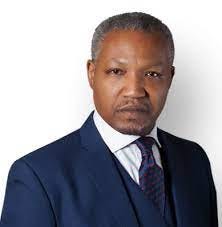
Forde who wrote the report into why Labour failed to win and problems within the party.
In conclusion, the Forde Report sheds light on the concerning weaponization of anti-Semitism within the Labour Party under the current leadership. It unveils a pattern of behavior where accusations of anti-Semitism have been utilized as a political tool to target and remove socialist voices from the party, hindering their ability to stand in the upcoming General Election.
This exploitation of a serious issue not only damages the integrity of the party but also undermines efforts to combat genuine instances of anti-Semitism. Moving forward, it is imperative for the Labour Party to address these findings transparently and take concrete steps to uphold its principles of inclusivity and fairness, ensuring that political differences are not exploited to silence dissenting voices within its ranks.
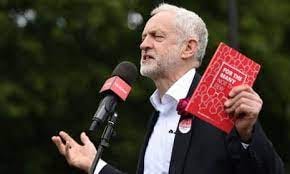
Jeremy Corbyn
Explain also how senior officials within the Labour Party HQ and prominant members within worked to prevent a Jeremy Corbyn Led Labour Party to win elections in 2017 and even more so in 2019?
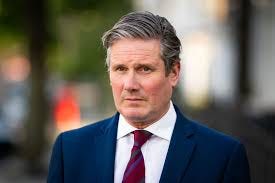
Kier Starmer, now leader of the Labour Party who expelled most socialists and even Jewish socialists from Labour.
Senior officials within the Labour Party HQ and prominent members of Parliament worked actively to prevent a Jeremy Corbyn-led Labour Party from winning elections in both 2017 and 2019. This opposition stemmed from ideological differences and internal power struggles within the party.
In 2017, despite Corbyn’s unexpected surge in popularity and the Labour Party’s impressive performance in the general election, there were still efforts from within the party establishment to undermine Corbyn’s leadership.
Some senior officials and prominent members were reluctant to fully support Corbyn’s vision for the party, fearing it deviated too far from their Labour values or was perceived as too radical by the electorate. which it clearly was not. This lack of unified support hindered the party’s electoral prospects, despite Corbyn’s ability to mobilize grassroots support and enthusiasm.
In 2019, these internal divisions within the Labour Party became even more pronounced. Amidst Brexit turmoil and growing discontent with the Conservative government, Corbyn faced fierce opposition not only from within his own party but also from the media and other political factions.
Senior officials within Labour HQ were accused of sabotaging the election campaign, leaking damaging information, and actively working against Corbyn’s leadership. Prominent members, including some MPs, openly criticized Corbyn and his policies, further weakening party unity and undermining public confidence in Labour’s ability to govern.
These efforts to prevent Corbyn from winning elections reflected broader tensions within the Labour Party between its right wing establishment and a newer, more left-wing faction represented by Corbyn and his supporters.
The failure to reconcile these differences ultimately contributed to Labour’s electoral losses in both 2017 and 2019, highlighting the challenges of internal cohesion and leadership within the party.
What part did the Israel lobby, and secret services play in this?
The role of the Israel lobby and secret services in influencing internal dynamics within the Labour Party during Jeremy Corbyn’s leadership has been a subject of controversy and speculation. While there is no concrete evidence of direct involvement, allegations have been made regarding their influence on certain individuals and actions within the party, including Kier Starmer’s links to MI5?
Regarding the Israel lobby, critics of Corbyn’s leadership have accused pro-Israel groups of exerting pressure on Labour MPs and officials to undermine Corbyn, particularly due to his past criticisms of Israeli government policies and his support for Palestinian rights.
There were claims of coordinated efforts to label Corbyn and his supporters as anti-Semitic, often conflating legitimate criticism of Israeli actions with anti-Jewish sentiment. These allegations fueled internal divisions within the party and contributed to the erosion of Corbyn’s authority.
As for secret services, while there is no definitive proof of their involvement, some conspiracy theories have circulated suggesting that intelligence agencies may have played a role in destabilizing Corbyn’s leadership. These theories often cite the close relationship between intelligence agencies and certain elements within the political establishment, as well as the perceived threat Corbyn’s anti-war stance, and support for Palestine. Also calls for greater transparency posed to the status quo. However when would they ever leave evidence?
It’s important to note that these allegations remain largely speculative, and concrete evidence of direct interference by the Israel lobby or secret services in Labour Party affairs during Corbyn’s tenure has not been substantiated, or well hidden? However, their perceived influence has undoubtedly contributed to the complex political landscape and internal struggles within the party during that time.
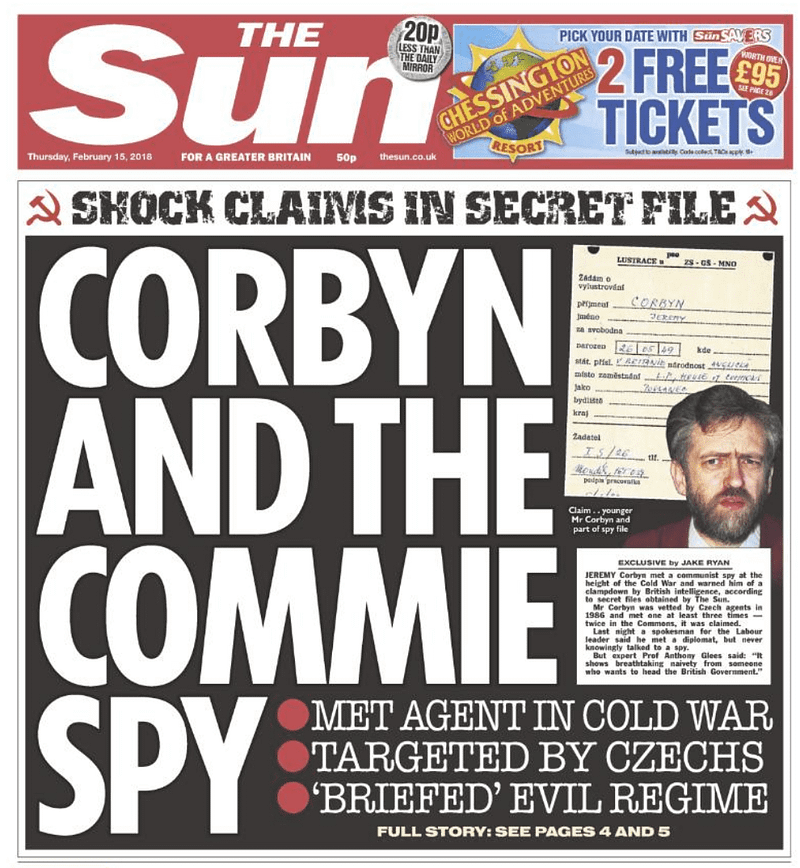
An example of MSM Lies Against A Man Of Peace And Anti War.
A leading military figure also described Corbyn as a threat to National Security and hinted at a military intervention should he win power?
Allegations of a leading military figure describing Jeremy Corbyn as a threat to national security and hinting at military intervention if he were to win power were widely reported during Corbyn’s leadership of the Labour Party. These reports added to the already tense political atmosphere surrounding Corbyn’s leadership and fueled concerns about his suitability for the role of Prime Minister.
While the specific details and veracity of these claims may vary, they contributed to a broader narrative portraying Corbyn as a divisive and potentially destabilizing figure. Critics pointed to Corbyn’s past positions on foreign policy, including his opposition to military interventions and nuclear weapons, as evidence of his perceived unsuitability for leading the country’s defense and security apparatus.
However, it’s crucial to approach such allegations with skepticism and recognize that they often reflect political rhetoric rather than concrete threats. The notion of military intervention in response to a democratically elected leader assumes an extreme scenario that is highly unlikely in a democratic society like the United Kingdom? Or is it?
Nevertheless, the public discussion surrounding Corbyn’s leadership and its implications for national security underscores the importance of trust and confidence in political leadership, particularly concerning matters of defense and foreign policy. It also highlights the challenges faced by leaders who advocate for significant shifts in established policies and ideologies, particularly within institutions with vested interests in maintaining the status quo.
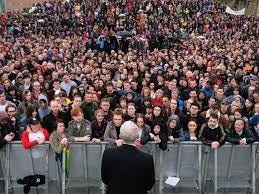
Hasn’t there always been secret actions by MI5, even going back to even when Harold Wilson was PM? They bugged #10 while he was PM. The Establishment do not want to allow a democratically elected socialist Government and will stop at nothing to prevent it happening?
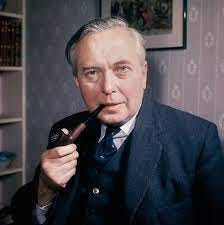
There have been longstanding allegations and suspicions of covert actions by intelligence agencies like MI5, even dating back to periods such as when Harold Wilson was Prime Minister. However, it’s important to distinguish between unsubstantiated claims and verified instances of intelligence agency interference in political affairs.
Throughout history, there have been various conspiracy theories and rumors surrounding the activities of intelligence agencies, often fueled by a lack of transparency and accountability inherent in their operations. Allegations of MI5 involvement in domestic politics, including surveillance of politicians and attempts to influence government policies, have periodically surfaced, but concrete evidence to substantiate such claims has been limited. Why would they leave evidence?
The notion that the establishment would resist a socialist government and engage in covert actions to prevent it is a common theme in political discourse, particularly among left-wing circles. It reflects a broader narrative of entrenched power structures seeking to maintain their influence and privilege in the face of perceived threats from progressive or socialist movements.
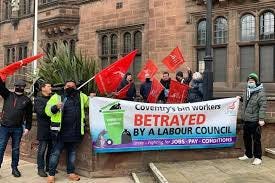
While there may be instances of individuals or groups within the establishment resisting political change, attributing blanket motivations or actions to a monolithic “establishment” can oversimplify complex dynamics within society and government institutions.
It’s essential to critically examine evidence and context when evaluating claims of covert actions by intelligence agencies or other elements of the establishment. Without concrete evidence, such claims remain speculative and should be approached with caution. Security forces are very careful not to leave concrete evidence because if they did it would no longer be speculation?
Stephen Vincent