
A Comprehensive Guide to Mindful and Healthy Eating for Optimal Health

Since we were little children, our schools have taught us to eat a well-balanced diet. What does it really mean by to eat healthy and have a well-balanced diet? Healthy eating is so important to us because it leads us to happier, stress free and longer lives. I have always believed that different people require different types of nutrition according to their specific needs, goals and desire. Take for instance, body builders eat differently than an old grandma in their 60s because of their contrasting health levels. However, there is a global standard to healthy eating that we all can follow.
Some of us aspire to look like the models we see on social media, TV shows and our favourite celebrities with erroneous diet while some of us are picky eaters who only eat foods we enjoy, then there are others who eat too little due to negative body image and some who eat whatever comes in their way or is the most readily convenient to them.
How do we then take control of our diet so that we can genuinely eat healthily? The answer to that is mindful eating.
Mindful eating
Mindful eating is a state where we become fully aware and conscious of what we are eating instead of just thoughtlessly feeding ourselves, relinquishing in to our cravings or to the most convenient foods. Paying attention to our food choices and engaging our five bodily senses when it come to our food meals like the colour, the taste, the texture, the way it is being prepared and how your body feels after and before eating your food. Developing a close intimate relationship with your food is necessary to assist you in mindful eating.

What to Eat — The Healthy Eating Plate
Before we practice mindful eating, we have to learn what kind of foods are the most beneficial for us.
According to a study in Harvard, a healthy diet consists of: Vegetables, Fruits, Whole Grains, Healthy Oils, Healthy Protein, Dairy foods and plenty of water.
For an easy guide, you can refer to the Healthy Eating Plate. The Healthy Eating Plate is constructed by food and nutrition experts worldwide. It is a prevalent standard for what constitutes a properly nourishing and nutritious meal.
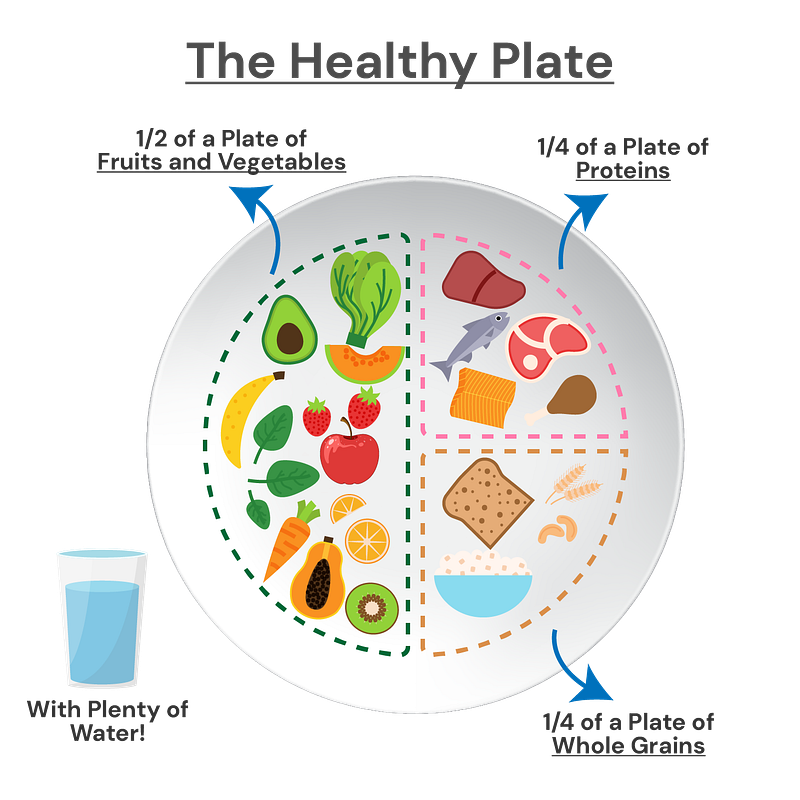
The healthy plate comprises of:
- 1/4 of a plate filled with protein
- 1/4 of a plate filled with wholegrain foods
- 1/2 a plate filled with plenty of fruits and vegetables
Dairy should be taken 1–2 servings daily.
Diversify your Palette
Eating a variety of foods is vital to having a well-balanced meal. Don’t just limit yourself to one or two types of fruits, vegetables, whole grains, healthy oils, protein or dairy. Ensure that you have a wide array of colourful assortment of foods. For a start, you can pick 3 foods from each of the 5 food categories namely:
- Fruits
- Vegetables
- Whole Grains
- Healthy Protein
- Dairy
Break up your meals into smaller portions and higher frequency if you often feel hungry
“Smaller, more frequent, calorie-controlled meals allows for better blood sugar control which helps make one feel more energetic and experience fewer hunger pangs.”
Ms Charmaine Toh, a dietitian at the National Healthcare Group Polyclinics
Eating Real Foods instead of Processed Foods
Real foods contain higher nutritional value instead of processed foods. It is known to improve overall health and well-being. Processed foods on the other hand can increase the risk of depression, other health diseases and inflammation.
Prepare Home Cooked Meals instead of Take Out
Nothing beats having your own home cooked meal. A home cooked meal is not only attuned to your own special customary needs, but is also healthier, more wholesome, nutritious and scrumptious.
Stay Hydrated
It is important to drink plenty of water. Water keeps us from feeling tired and fatigue. The protocol of “8 cups a day” may not be suitable for everyone. Listen to your body and adjust accordingly. The colour of your urine indicates how hydrated you are. A healthy urine colour should be light yellow. The darker the colour, the less hyrdrated you are.
How much should I eat?
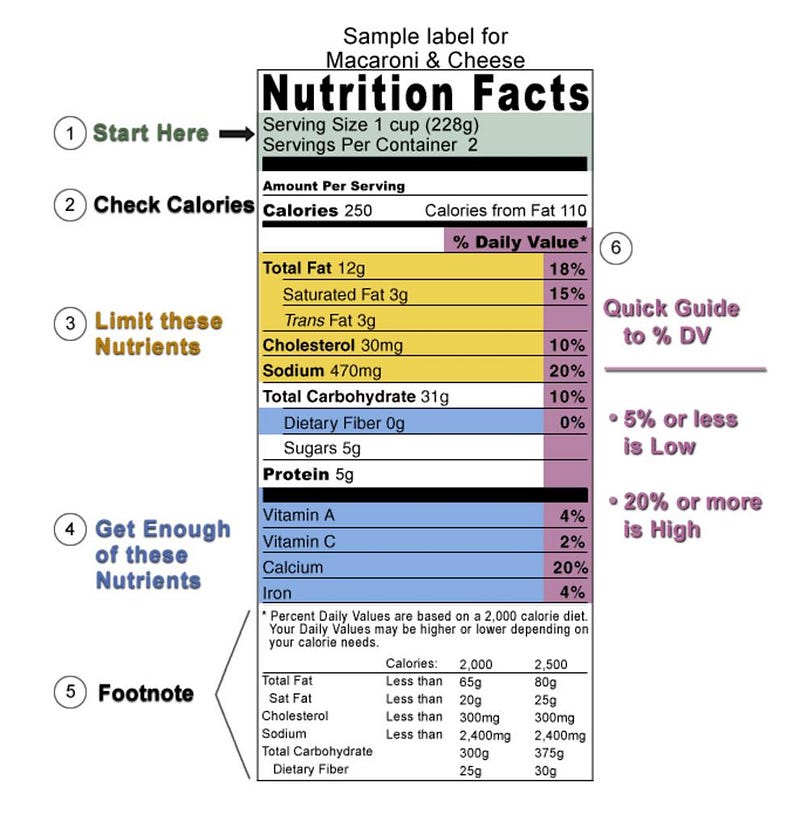
Other than the Healthy Eating Plate guide, checking your current BMI (Body Mass Index) is a good gauge of how much you should be eating. There are many BMI tools available online where you can calculate and keep yourself in check. Balancing your food calorie intake with physical exercise is also a productive way to counter excessive food consumption. You can also look at nutrition facts labels printed on food packaging. It displays an excellent gauge of how much servings you should take for the stated food.

Mindful Eating Practices
Mindful eating is a brilliant way to foster healthy eating behaviours and a higher diet quality. It encourages us to be fully present in the experience of food eating and alleviates eating disorders like emotional or compulsive eating.
Here are ways you can practice mindful eating:
1. Eat Slower
Eating slower can help you to appreciate your food and aid in appetite control. Studies have shown that people who eat faster tend to gain more weight. When you eat slower, it lets you chew your food more which results in better digestion. Your body takes around 20 minutes to let your brain know that it is full, thus eating slower can help you to curb your cravings better by allowing the body time to feel full. By taking the time to chomp down on your food, you will also feel calmer and prevent yourself from overeating.
2. Eat when your body tells you to, not when your mind says so
Before you reach out for that chocolate bar or that pack of French fries, ask yourself if you are doing this because you are actually hungry or if it’s because you are depressed, frustrated or bored. Listen to your body when you are growling, or when you are in a low energy mood. Learn to distinguish the difference between listening to your body versus your mind.
3. Don’t go grocery shopping without a list
Having a list allows for deliberate planning and research for the types of food that are truly healthy for you. Going into a grocery store without a list is more likely to result in poor food choices and unhealthy eating. Having a shopping list circumvents impulsive buying and spending over your budget.
4. Schedule and Plan your own meals and snacks
Scheduling fixed regular meals means that you will eat when you have an appetite and not when you are intensely hungry for food. This regulates your body cycle and increase your awareness and mindfulness and helps your body prepare for food.
5. Keep a track record of how you feel for each different types of foods and after a meal
Observe how you feel after eating your food. Immediately, during and after a few hours. Do you feel more energetic, more lethargic or more restless? How does the food taste to you? How can you make it better? Keep a record journal on how each kinds of foods make you feel in particular.
6. Reframing your mentality towards Food Diet
Instead of telling yourself that you are “on a diet”, you can rephrase and replace it with “healthy food plan”. Remove yourself from any kinds of extremist “all-or-nothing” mindset regarding food consumption. Dieting can exacerbate your physical and mental health as you deprive yourself from the proper food and minerals.
7. Don’t skip meals
Research have proven that skipping meals can lead to uncontrollable hunger which can cause impulsive food eating, anxiety, poor food choices, low energy and increase unnecessary food cravings. Your body will also lose its’ natural in-built signal to let you know when you are feeling hungry or full which can be seriously detrimental to your health.
8. Remove Distractions when you are eating
Multi-tasking such as watching a movie while you are eating can remove your attention from feeling the physical sensations of your body during eating. Be fully present in the moment with yourself, your food and the accompany you are with while having your meals. It bring a more immersive and a higher awareness state you have with your foods and allows you to be fully present with your environment.
9. Express gratitude for your food
Do not take the food you have in front of you for granted. Think of how lucky and abundant you are to have food on the table. Think of the farmers or workers who are able to make this meal happen. Express gratitude for the people who painstakingly and lovingly made sure that you have such a healthy meal on your table. Think of everyone involved in the process of making sure you have food on the table.
Improving your diet takes time and effort. By eating the right foods and practicing mindful behavior while eating, you will be able to make a drastic change in the way you eat.
This article is in no way a replacement for your doctor’s immediate advice. Please seek help from medical professionals and your local doctors if you are suffering from a major eating disorder or if you are experiencing discomfort from your foods as this could suggest a food allergy or other underlying physical conditions or illnesses.