
Unveiling the Hidden Gems
A Comprehensive Guide to Investing in "Forgotten" Real Estate
Transforming Neglect into Opportunity: A Guide to Revitalizing Forgotten Real Estate
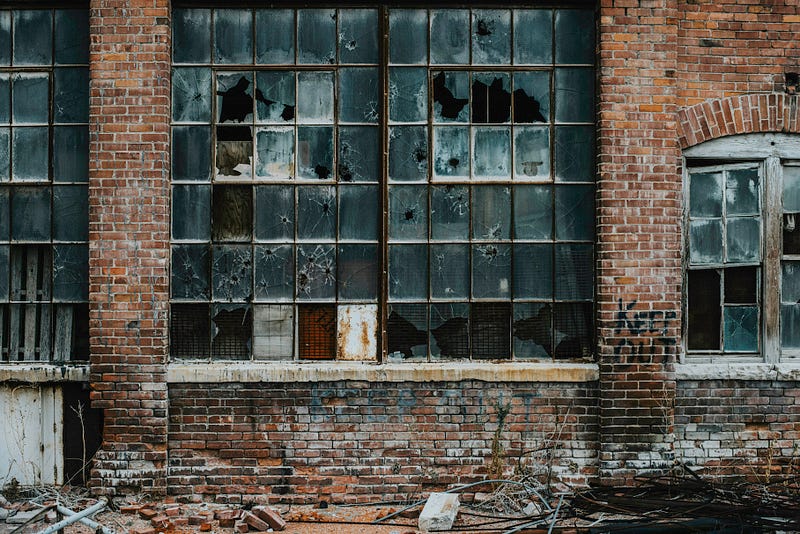
The Overlooked Treasure
In the competitive landscape of real estate investment, discerning investors are seeking opportunities beyond the traditional path. "Forgotten" real estate, often neglected and abandoned in up-and-coming neighborhoods, offers a unique and lucrative investment avenue.
By tapping into this overlooked market, investors have the potential to generate substantial returns while contributing to community revitalization and preserving architectural heritage.
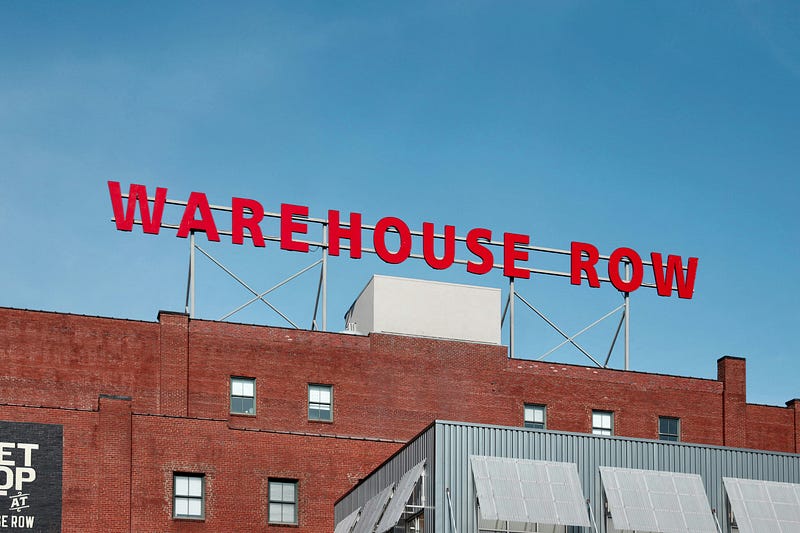
Phase 1: Identifying the Potential
1. Scout Potential Properties: Identify properties with untapped potential, such as derelict warehouses, abandoned factories, or dilapidated historic buildings. Consider structural integrity, architectural charm, and strategic location within emerging neighborhoods poised for gentrification.
2. Example: The adaptive reuse of the former Packard Plant in Detroit, Michigan, transformed a neglected automotive factory into a vibrant mixed-use development featuring residential units, office spaces, a hotel, and public gathering areas.
Phase 2: Strategic Acquisition
1. Acquire at Low Costs: Explore creative financing options to maximize investment returns. Consider distressed property auctions, foreclosure sales, or direct negotiations with motivated sellers.
2. Form Partnerships or Syndicates: Pool resources and mitigate risks associated with acquiring and refurbishing larger-scale projects by forming partnerships or syndicates.
3. Case Study: Crowdfunding platforms like RealtyMogul and Fundrise have enabled investors to pool their capital and invest in high-potential real estate opportunities, including forgotten properties.
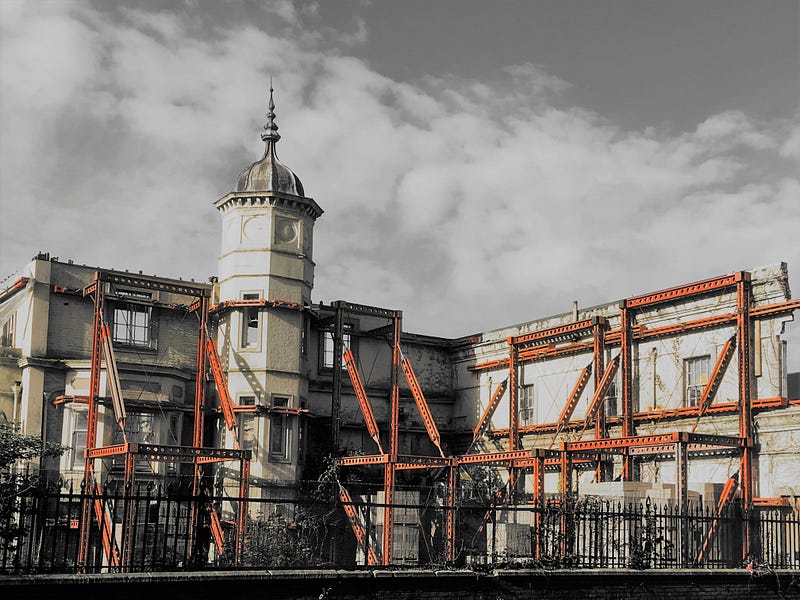
Phase 3: Creative Refurbishment
1. Think Beyond Traditional Uses: Explore unconventional conversions such as artist lofts, co-working spaces, or mixed-use developments combining retail, dining, and community amenities.
2. Embrace Adaptive Reuse: Preserve the building's historic character while incorporating modern design elements and sustainable features.
3. Example: The Ace Hotel New Orleans transformed a historic warehouse into a stylish hotel, retaining original brickwork and timber beams while integrating modern amenities and artwork.
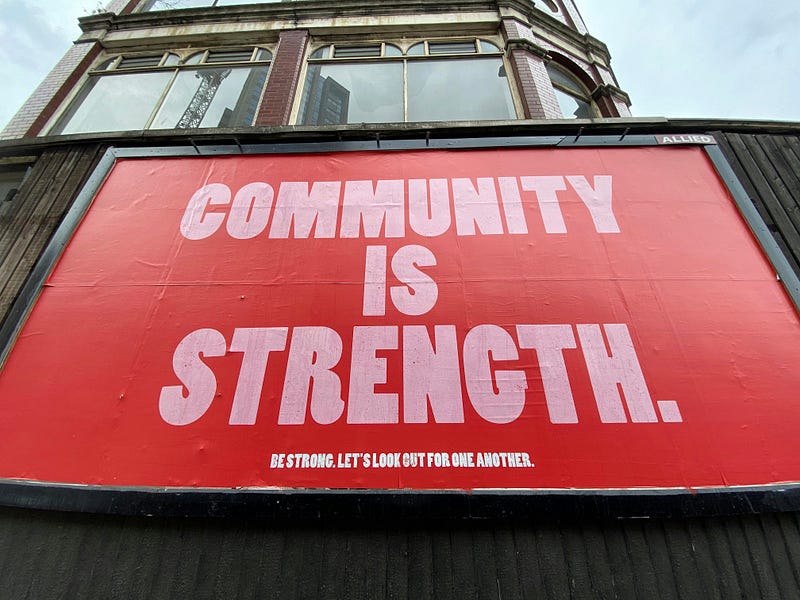
Phase 4: Building Community
1. Engage with Stakeholders: Understand the needs and aspirations of residents, business owners, and civic leaders for the neighborhood.
2. Integrate Community Spaces: Create spaces for social interaction and a sense of belonging, such as public art installations, green infrastructure, and community centers.
3. Case Study: The redevelopment of the Manchester Mill in Manchester, New Hampshire, included the creation of a park, dog park, and community garden, which fostered a sense of community and revitalized the area.

Phase 5: Leveraging Market Trends
1. Monitor Niche Markets: Identify emerging market trends and demographic shifts, such as boutique hotels, artisanal workshops, or experiential retail concepts.
2. Embrace Sustainability and Wellness: Incorporate features like green roofs, solar panels, and wellness amenities into your redevelopment plans.
3. Example: The EDGE in Amsterdam, designed as the world's greenest office building, utilizes advanced energy-saving technologies and biophilic design to enhance occupant well-being and reduce environmental impact.

Phase 6: Marketing and Positioning
1. Showcase Unique Selling Points: Highlight historical significance, architectural beauty, or proximity to amenities and transportation hubs.
2. Utilize Digital Marketing: Leverage social media, influencers, and immersive storytelling to create buzz around your project.
3. Case Study: The marketing campaign for the redevelopment of the Hoxton, Holborn in London showcased the building's historical charm and its transformation into a modern, design-led hotel.
Phase 7: Long-Term Stewardship
1. Adopt a Stewardship Approach: Ensure the sustainability and legacy of your investment through community land trusts or conservation easements.
2. Explore Revenue Streams: Consider property management, event rentals, or cultural programming to generate ongoing income and contribute to the property's upkeep.
3. Example: The redevelopment of the Vanderbilt YMCA in Brooklyn, New York, included the creation of affordable housing units and a community center, aligning with the social mission of the organization.
Conclusion: A Legacy of Revitalization
As we conclude this journey through the realm of forgotten real estate, it becomes evident that investing in these hidden gems is not just about financial gains but also about transforming communities and leaving a lasting legacy.
By embracing the challenge of revitalizing neglected properties, investors not only unlock substantial returns but also contribute to the fabric of society.
With each phase – from identifying potential properties to leveraging market trends and ensuring long-term stewardship – investors have the opportunity to make a tangible difference. By breathing new life into abandoned warehouses, forgotten factories, and historic buildings, they not only preserve architectural heritage but also catalyze urban renewal and foster social cohesion.
As a seasoned veteran in the real estate investing business with over 25 years of experience, I understand the intricacies of structuring deals and navigating the complexities of revitalization projects.
If you’re ready to embark on your journey into the world of forgotten real estate, I invite you to connect with me on LinkedIn. Together, we can explore opportunities, unleash creativity, and make a meaningful impact on the communities we serve.
Let’s create a legacy of revitalization that resonates for generations to come.


