A Complete Guide to Living in Buenos Aires as a Foreigner
Despite Argentina’s ongoing currency crisis and uncertain political climate, its capital of Buenos Aires is still an excellent place to live — especially for foreigners seeking a low cost-of-living with a high quality of life.
I wanted to travel to Argentina since I was a freshman in high school. It would be 20 years before I got the chance, but it was worth the wait.
In November of 2018, I landed on the shores of Recife, Brazil, along with 500 other digital nomads on Nomad Cruise 7. While almost everyone stayed in Brazil for the following weeks and months, I took a solo flight to Buenos Aires the next day. The city didn’t disappoint. Although I could only stay for one month, I documented and experienced as much as I could while I was there. Today, I published a long-awaited video about living in Buenos Aires as an expat to share with others who are equally intrigued by this dynamic city.
First, some facts:
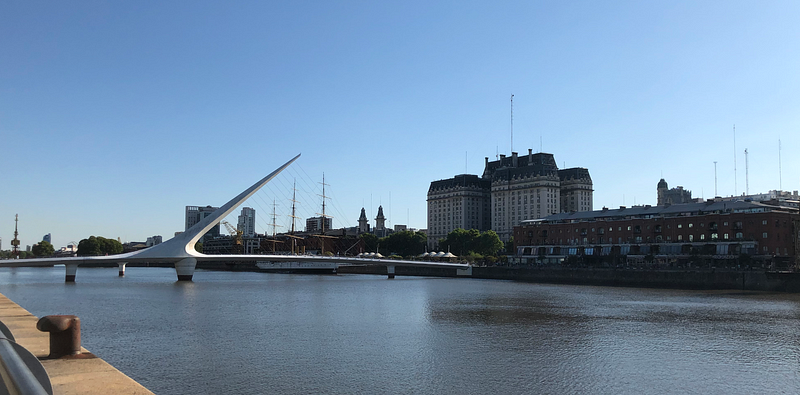
- Argentina is the 2nd largest country in South America, measuring over one million square miles with a population of 45 million people. The country has European roots dating back to the early 1500s and its immigrant population is second only to that of the United States.
- Buenos Aires, or BsAs, as it is commonly known, has a temperate climate that rarely drops below freezing. More than 15 million people reside in the Greater Metropolitan Area (3 million in the city center).
- Getting There: Buenos Aires has multiple local and regional airports, but the main international hub is Ezeiza (airport code EZE).
- Currency: ARS Argentine Peso $
It’s impossible to talk about Argentina without at least mentioning inflation, which is currently at over 25%. When I was there during December of 2018, the exchange rate was 40 ARS to USD 1. Today, it’s nearly 60 Pesos to the dollar. That makes for challenging living and working conditions for locals, yet a rock-bottom cost-of-living for expats holding valuable foreign currencies. Just last month, “the Peso plunged 35% against the dollar.”
Argentina’s currency woes are a story for another day, but good to know for anyone planning to travel there in the near future. Whether you’re headed to BsAs for business, pleasure, or to work remotely, here’s what you can expect.
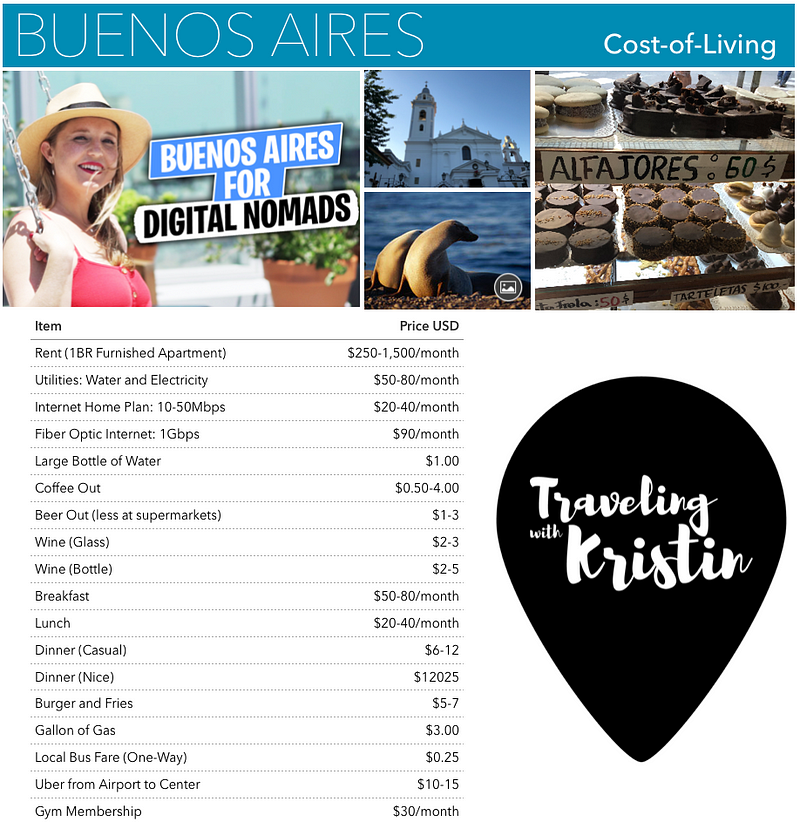
At the end of this article, I’ve added a list of pros and cons and a cost-of-living chart for reference.
Housing, Rent, and Utilities
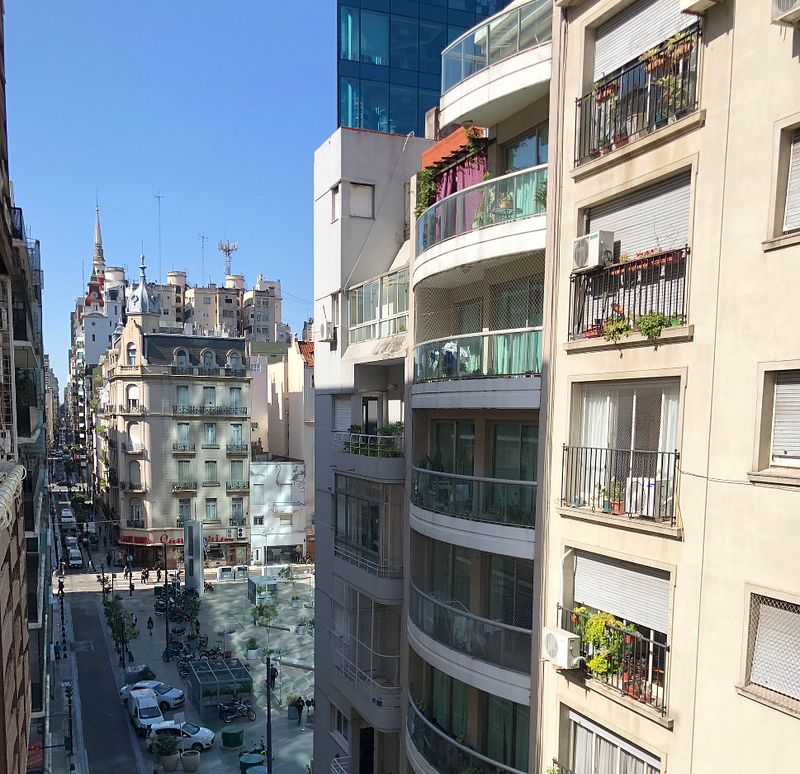
While Argentina is the second-largest country in South America, Buenos Aires is the second-largest city. Its center measures around 80 square miles but the urban sprawl extends far beyond. While that makes for plenty of choices of where to live, expats seem to congregate in the following neighborhoods:
- Belgrano
- Las Cañitas
- Palermo
- Recoleta
- Retiro
- Puerto Madero
- San Isidro
The famous tango district of San Telmo is also popular, but it’s better known for shopping, dining, and tourism.
Regarding rent prices, a 1-bedroom furnished apartment costs between $500–1,000 month-to-month, although you can get lower rates for larger homes on an annual basis. Make sure to budget an extra $50–100/month for utilities unless they’re included in your rent.
If you’re staying in Buenos Aires short-term, beware of overly inflated vacation rental prices. The cost of an Airbnb, for example, can be as much as 5-10x the local long-term rate.
Co-Working & Co-Living
Buenos Aires has sixty-seven (!) co-working spaces according to Coworker.com. Hot desks are affordable, starting at just $40/month, and private offices are also available (at around $100–150/month). WeWork has three locations in the city; their hot desk rates start at $275/month.
When it comes to co-living, Selina — a travel and lifestyle brand catering to digital nomads — has three locations in town. Rates start at $40/night for a shared room and go up to $230/night for a deluxe room.
- Related Video: Selina Opens its First Location in UK
Nomad Hub was the first co-living space in Buenos Aires, and it’s a more affordable option, around $500/month.
Expat & Digital Nomad Community
While Buenos Aires has long been a popular expat destination, the digital nomad community is still finding itself. The best way to meet people and get involved is to live in a co-living space or join local Facebook groups and attend meet-up events. Check out the following resources to connect with fellow remote workers and international transplants:
- Nomad Hub: Nomad Hub’s owner, Tato Ge, is also the DNX Rep for Argentina. He organizes and hosts more events and meet-ups than anyone else in town.
- Buenos Aires Digital Nomads Facebook Group
- Internations Buenos Aires
- BAexpats Forum
Roaming digital nomad “tribes” like WiFi Tribe, Remote Year, Unsettled, and Hacker Paradise are also known to pass through town on occasion.
Argentine Food Scene

No article on Buenos Aires would be complete without mentioning the outstanding food and wine. The city boasts at least twenty Michelin star restaurants — each with surprisingly affordable prices. However, if you’re on a budget, you can eat well almost anywhere for as low as $5-$10 per meal (or $2–5 for coffee and a light breakfast).
Make sure to try local dishes such as:
- Asado: Grilled meat
- Empanadas: Baked turnovers filled with meat and vegetables.
- Alfajores (local, traditional dessert): Cookie sandwiches made with flour and corn starch then filled with dulce de leche and frequently covered in chocolate.
- Medialunas: A smaller, sweeter, denser version of a croissant.
- Wine: Try reds like Malbec, Cabernet Sauvignon, Merlot, Syrah, Tempranillo, and Torrontés (a white wine).
The coffee and toasted paninis are also very typical of Buenos Aires, and it’s easy to find fresh fruit, salads, sandwiches, and bakeries on every corner.
Things to Do

Buenos Aires has everything you would expect from a major, metropolitan city — and then some. There’s shopping, markets, bars, restaurants, nightlife, parks, theaters, art galleries, museums, and music festivals (including Lollapalooza!).
When it comes to sports, soccer (football) and polo are popular, but there are also plenty of outdoor activities available like golf, tennis, water sports, and racing. Buenos Aires is also an ideal city for biking, running, walking, and — of course — dancing.
Expect to see people out and about until dawn. Many restaurants don’t even open the kitchen until 8pm, while locals start to go out to eat at 9–10pm.
When it comes time to venture beyond the city limits, there are plenty of options for day trips or full-on adventures throughout Argentina. The country is known for its expansive nature, hiking, mountains, lakes, glaciers of Patagonia, vineyards, and national parks. It’s also a prime ski destination in winter (summer in the northern hemisphere).
Transportation
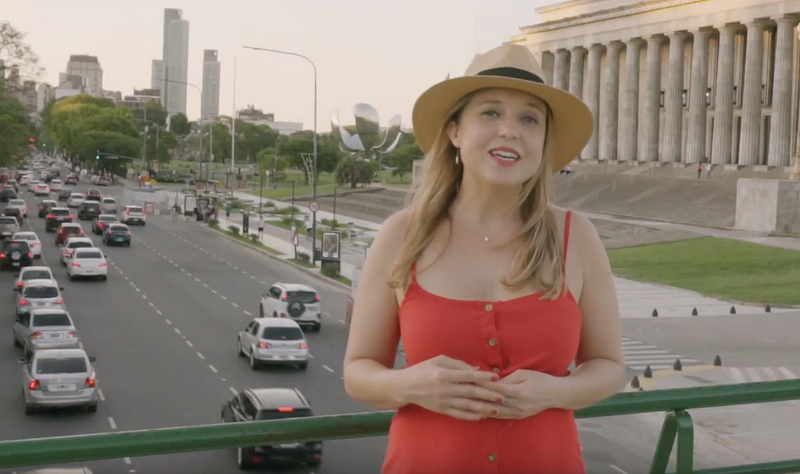
Buenos Aires has a well-developed transportation network including taxis, buses, city bikes, a metro, and ride-sharing services like Uber. The prices for taxis and Ubers are pretty similar, but they are hard to come by during rush hour. Traffic is an issue in Buenos Aires. It can easily take 30–60 minutes to traverse parts of the city, so plan ahead.
Security
Not so good. Crime has been increasing in Buenos Aires in recent years, undoubtedly due to the country’s ongoing political and economic challenges. Numbeo has the crime level at 74, or “high.” Argentina ranks 74 on the Global Peace Index out of 163 countries, which is on the cutoff between “high” and “medium” peace level.
While in Buenos Aires, I stayed in the downtown financial district, which is considered unsafe (especially at night). I didn’t have any issues, but nevertheless, wherever you are in the world, always take appropriate precautions and stay aware of your surroundings.
Pros & Cons of Living in Buenos Aires

Why Buenos Aires?
I love BsAs as a destination for digital nomads because:
- It’s located in an optimal time zone between EST and GMT, which makes it convenient for those who work in Europe or North America.
- It’s incredibly affordable, especially if you earn money U.S. dollars, Euro, Pounds, or another stable currency.
- Rent can be as cheap as $150 per month long-term and less than $1,000 short-term.
- The Internet is super fast, with speeds of up to 1Gbps widely available.
- There are close to 20 co-working spaces throughout the city.
- There are multiple co-living options, such as Nomad Hub and Selina.
- Buenos Aires has a unique blend of European and Latin American culture that’s unlike anywhere else.
- It’s a cosmopolitan city with modern amenities and a reliable transportation network.
- It’s fun — you’ll never run out of things to do (or drink).
- It’s surrounded by nature, including the glaciers of Patagonia, lakes of Bariloche, and vineyards of Córdoba.
- Argentina is a democratic and free society.
What are some of the downsides of living in Buenos Aires?
- The economy is unstable.
- The political situation is far from ideal.
- Airbnb rentals are overpriced compared to long-term leases.
- It’s isolated. Expect to travel far if you want to leave the country’s borders.
- Flights can be expensive with sub-optimal routes.
- While there are a lot of foreigners, the digital nomad population is still small, although it’s growing.
- English is limited; it’s helpful to know Spanish.
- There are valid security and safety concerns.
- Healthcare is not the best.
- Credit and debit cards aren’t accepted everywhere, and ATMs have low limits and high fees.
- Nomad List ranks Buenos Aires “okay” on categories such as Female-Friendly and Startup Score.
Cost-of-Living Summary & Breakdown

Argentina is a fascinating country to visit with plenty to explore. Try to stay as long as you can! For remote workers and digital nomads with flexible travel schedules, I recommend spending 2–3 months there so you can take advantage of everything there is to do and see while getting your work done.
For more on living in Buenos Aires, make sure to watch my new video.