
A Comparison Between Metalcore from the late 1990s and 2000s to the Current Era (2014–2022)
How is the Music of your Emo Years Doing Today?
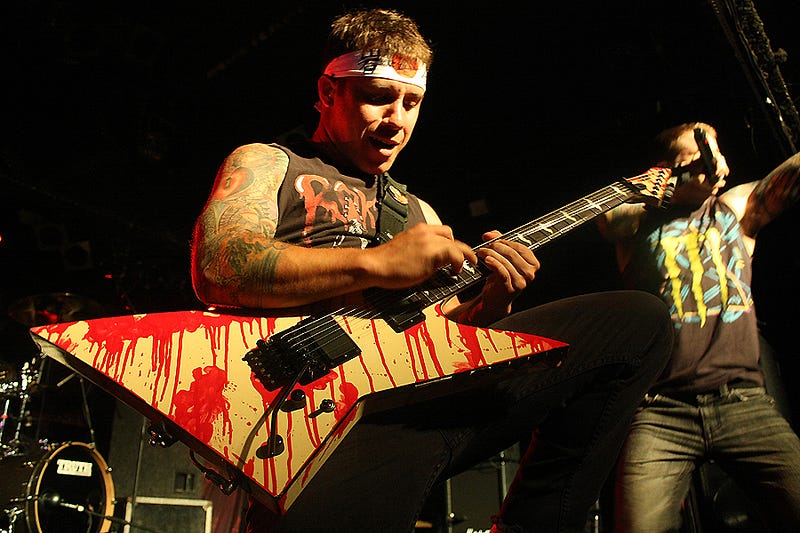
I insist that metalcore has fundamentally entered a golden age. The early stuff of Atreyu, Killswitch Engage, and Bleeding Through definitely was monumental for its time, but the genre needed to evolve if it were to stay relevant. This meant adopting changes, and while not all of them were immediately welcomed, these changes ultimately ushered in the current era of metalcore which has explored different influences while retaining a heavy sound.
One of the sharpest distinctions between the current era and the previous era is the production style and quality. I’ve always been a little disappointed by the failure for percussion instruments to be tuned properly or mixed. Take for example, Avenged Sevenfold’s Unholy Confessions. The snare sounds completely out of tune and dominates the other instruments.
Also very noticeable is the simplicity of guitar riffs in songs from the 1990s and early 2000s. I find they almost always adhere to the usual string skipping / power chord combination, whereas now I find bands exploring more progressive song structuring, which they very obviously picked up from the djent craze from the early 2010s, (Cynic, Animals as Leaders, Periphery).
From Avenged Sevenfold’s “Unholy Confessions”
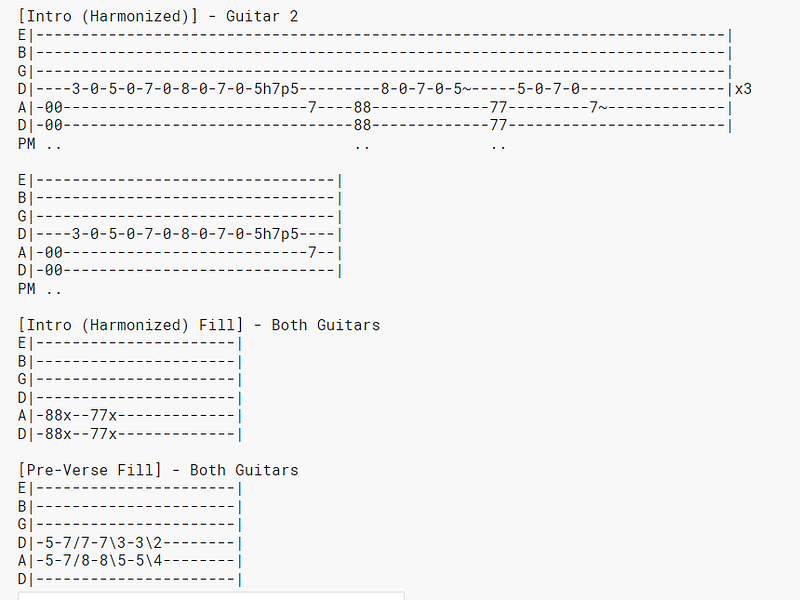
From As I Lay Dying’s “Confined”
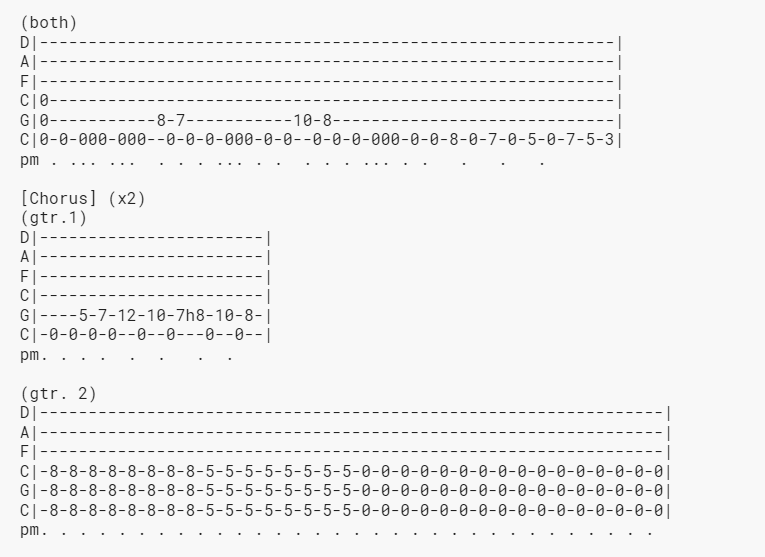
Also, you’ve probably noticed the ubiquitous tuning to Drop D (which was more common in post hardcore) as well as Drop C (which metalcore bands usually opted for). I can’t think of a single band that played in standard, but if you know of a band that played in standard during the 2000s, please let me know.
One band that I wrote about recently called As Everything Unfolds writes in standard (usually), though still many bands opt to write in drop D or drop C.
More bands these days are opting for emphasizing clean vocals way more than strict screaming. More often than not there’s a healthy mix between cleaning singing and screams, with the clean singing not simply being relegated to the chorus only. Usually in metalcore, screaming was reserved for verses and singing was to make for the catchy, poppy choruses. Keyboards and diverse soundscapes are becoming far more common as well these days, but keyboards were relatively rare early on. Keyboards got significantly more popular 2008 onwards, and I think The Devil Wears Prada and Underoath probably enabled that sound to become more normalized. Some bands even incorporate some dubstep crap into their songs, but somehow, they get away with it sometimes.
Also, I wonder if Bring Me The Horizon started that trend toward clean vocals becoming the norm?
Overall, lyrically, metalcore has never been that taboo nor political. I did some research into the topic and the only semi popular band that could be called political was Architects, whom I never really got into anyway. The standard these days still seems to be pretty ‘safe’ lyrics. I remember when the Christian metalcore thing blew up in the late 1990s and early 2000s, explicitly religious lyrics were definitely the norm and not at all shocking as they would have been in, let’s say, death metal or black metal, though Christian bands in those subgenres do exist as well. Christianity has sadly lost some clout these past ten years and so Christcore died along with it. I still insist Christian bands were some of the absolute best, though.
Another significant difference these days is how commonplace female singers are. Spiritbox, As Everything Unfolds, Venues, and Make Them Suffer immediately spring to my mind.
The most abhorrent trend of all in metalcore was definitely crabcore and shitty implementations of Basshunter cheap trance beats. I’m happy that trend died.
Also, I’ll let you in on a little secret — I dressed like these guys for years. Black v neck and tight pants with a beanie, even during summer, was my go-to outfit.
The emo clothing trend is no longer the standard, and thank god — that scene hair was ridiculous. You always knew when a band was obvious they were hopping on the scene trend with the way they dressed.
Metalcore continues to evolve as most metal subgenres do. While often being dismissed a corny and cheap imitation of metal, due to the general lack of solos and tendency toward mainstream success, metalcore is an excellent fusion between pop structure and metal instrumentation. I consider it to be a timeless and exciting genre and it probably will be for years to come.
Did you like this article? Would you like to do your daily good deed and help a girl out? Feel free to send five bucks my way if you’d like to show some support, I really appreciate it. It’s like a wink and a nod that I put out quality content.
Also if you’re not a member of Medium, what are you waiting for? Join using my referral link and you’ll be helping me out while getting access to a pretty awesome website for writing and sharing content.


