
A Close Call
A dive too deep
I have had the good fortune to dive in some beautiful sites. The waters at some of these dive sites are crystal clear, enabling one to see far ahead and below. The island of Cebu in the Philippines is on a shelf which means that you can do a lot of ledge and wall diving. You can walk into the waters of Cebu and find yourself falling off and facing a wall of coral dropping more than a hundred feet below you. The high visibility at such dive sites offer both beauty and danger to the recreational diver.
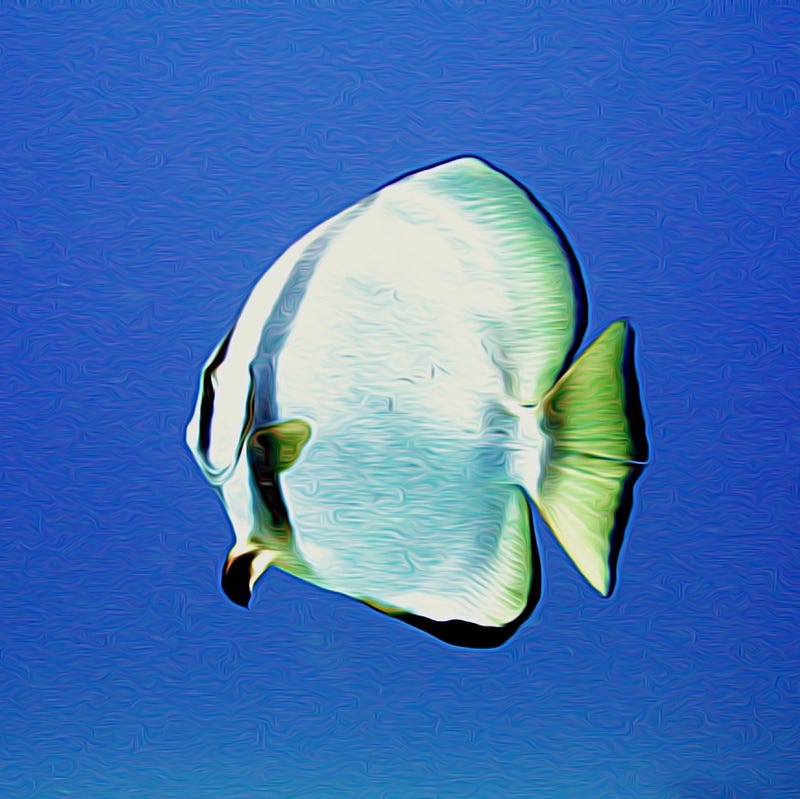
My wife and I were at 50 feet paying close attention to the wall of marine life beside us. There were clown fish swimming through anemones on the coral and around us were blue tangs, batfish, moorish idols and angelfish. Behind us was nothing but the blue ocean. As we navigated along the wall, we noticed a cluster of starfish on a ledge below us. I signaled to my wife to descend to them and we were soon at their level.
After observing the star fish for a while, I took a perfunctory look at my depth gauge as I was trained to do. I almost “swallowed” my regulator in shock. We had somehow descended to 120 feet. The clear water and the beautiful wall of coral was so deceptive and disorienting that we did not feel or notice the gradual change in depth. When I first noticed the starfish, they looked like they were only a few feet below us. Fortunately we discovered our mistake early and were only at that depth for about a minute. Thanks to the habit of checking our depth gauges regularly, we avoided what could have been a dangerous mistake. We slowly made our way up to twenty feet and remained there for the remainder of our dive before surfacing.
I have heard divers say you are safe as long as you never go below a hundred feet during a dive and ensure a slow and gradual ascent. However, we always play it safe by never venturing deeper than sixty feet, eliminating the need to decompress during a dive and/or worry about longer surface times between dives. In normal waters and visibility, most of the coral and marine life is best viewed no deeper than sixty feet. Go deeper and you often lose light, color and visibility. So, when one is diving in crystal clear waters, where visibility and clarity is still great at a hundred feet, accidents are more likely to happen.
The one danger divers are trained to avoid is nitrogen sickness or the bends. This is caused when the nitrogen in the breathing air gets absorbed into the diver’s bloodstream and body tissues at high pressures (deeper depths). When a diver remains deep for too long and then surfaces too fast, the dissolved nitrogen bubbles out of the bloodstream causing nitrogen sickness or the bends. Therefore divers who stay at certain depths beyond a certain time have to decompress. This entails slowly ascending to shallower depths and staying at those depths for a period of time before fully surfacing. This allows any dissolved nitrogen to harmlessly exit the bloodstream.
As recreational divers, we always adhere to the following safety guidelines we set for ourselves. These may appear very conservative today with the use of dive computers and modern equipment, but we found that by following them, we could enjoy our diving excursions without worrying about dive tables or decompression.
- Never dive when you are not feeling well.
- Never dive alone. Always dive with a buddy and always keep your buddy in view at all times.
- Check your equipment before your dive and make a habit of checking your pressure and depth gauge often while diving.
- Keep each dive to no more than an hour’s duration.
- Dive no deeper than sixty feet.
- Do no more than three dives a day.
- Always plan to complete your last dive at least 12 hours (preferably 24 hours) before doing any flying.
Recreational diving is a safe and enjoyable activity that opens up a whole new environment of wonder and learning. Like anything else we need to know what can go wrong, be always aware of our surroundings, and adhere to common sense safety parameters.