
A City Held Hostage: Unraveling the Tragedy of the Mumbai Train Bombings
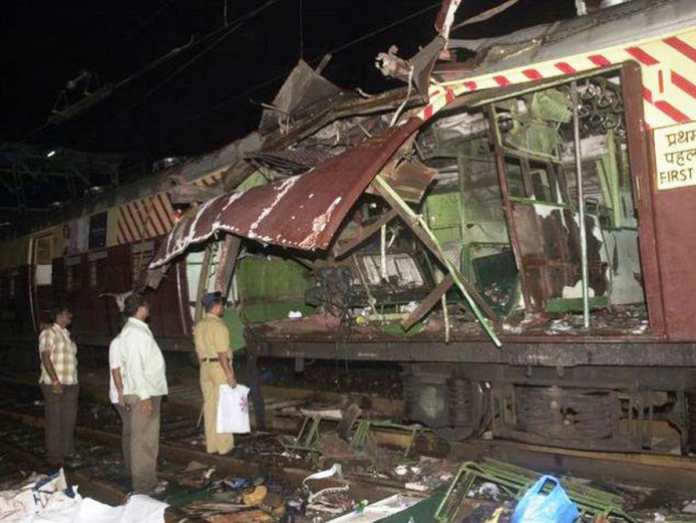
Reader discretion is advised, as the content may be distressing and evoke strong emotions. We acknowledge the gravity of the subject matter and encourage readers to approach the material with sensitivity, keeping in mind the impact it may have on individuals who experienced or were directly affected by the events. Additionally, the article reflects on the resilience and strength displayed by the people of Mumbai in the aftermath. Please be aware of the potentially distressing nature of the content before proceeding.
July 11, 2006. It was a day carved in Mumbai’s collective memory, not for joyous celebration, but for a chilling symphony of explosions that ripped through the city’s lifeline — its local train network. The Mumbai Train Bombings, a coordinated series of seven blasts across the Western Line during the bustling evening rush hour, remain etched in history as a testament to the resilience of a city tested by terror.
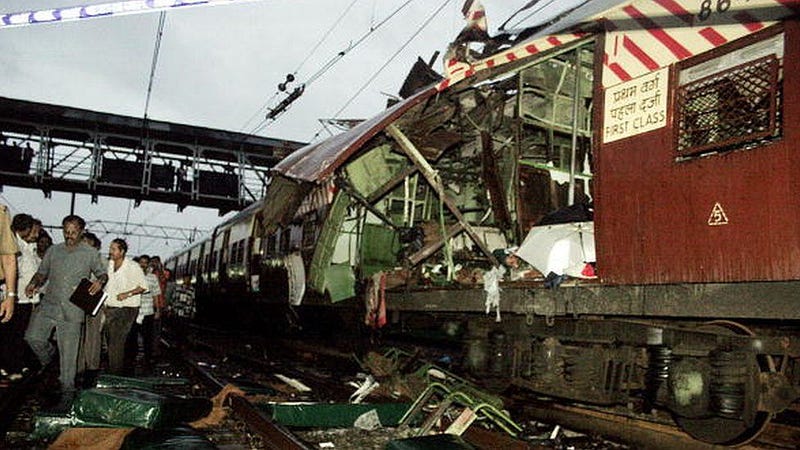
7:00 PM: Echoes of Terror Begin
It started subtly, a muffled boom near Matunga Road station. Confusion rippled through the crowded train, quickly morphing into abject terror as another, then another explosion ripped through carriages. Within 11 minutes, chaos consumed the network, engulfing trains in smoke and flames, shattering glass windows, and leaving bodies strewn across platforms.
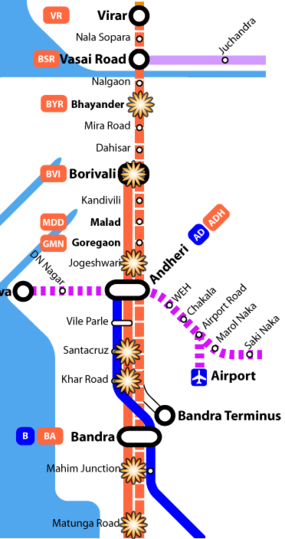
The Trail of Devastation:
- Khar Road: The first bomb detonated here, tearing through a packed compartment and leaving at least 5 people dead. Panic erupted as passengers scrambled for escape, adding to the carnage.
- Mahim: Minutes later, another blast rocked a train near Mahim station, shattering the evening calm and claiming at least 14 lives. The force of the explosion tossed bodies onto the tracks, painting a scene of unimaginable horror.
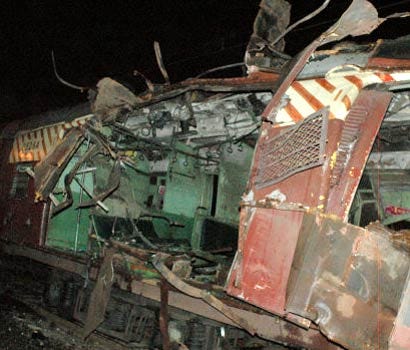
- Bandra: As if echoing the previous attacks, a third bomb tore through a crowded train carriage near Bandra station, leaving a trail of 24 deaths and scores of injured. The platform became a makeshift hospital, the air thick with screams and the acrid smell of gunpowder.
- Jogeshwari: The fourth blast, near Jogeshwari station, targeted a packed platform, unleashing a deadly rain of shrapnel and claiming at least 18 lives. The station, usually bustling with activity, transformed into a silent tableau of grief.
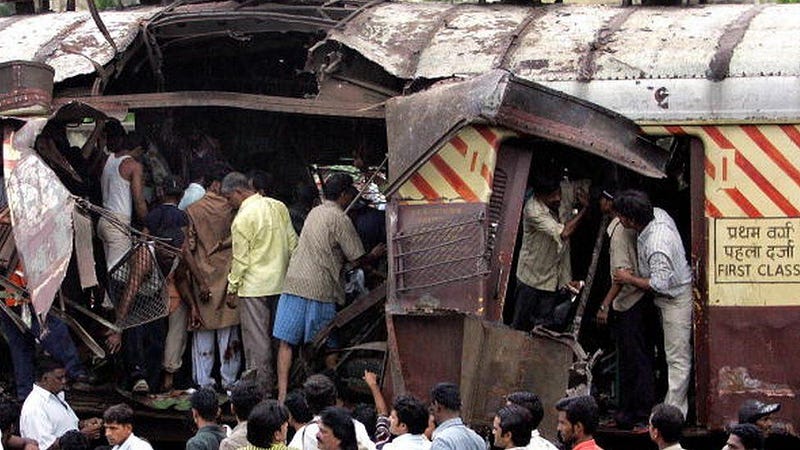
- Dadar: Another bomb detonated near Dadar station, injuring several passengers and sending shockwaves through the already traumatized city. Fear hung heavy in the air, uncertainty gnawing at every corner.
- Bhayandar: The sixth blast ripped through a train near Bhayandar station, adding to the mounting toll of death and destruction. Confusion reigned as authorities struggled to comprehend the scale of the coordinated attacks.

- Borivali: The final explosion reverberated through the evening at Borivali station, marking the end of the nightmarish sequence. Relief mingled with profound grief as the city grappled with the aftermath.
Beyond the Explosions: Unmasking the Masterminds
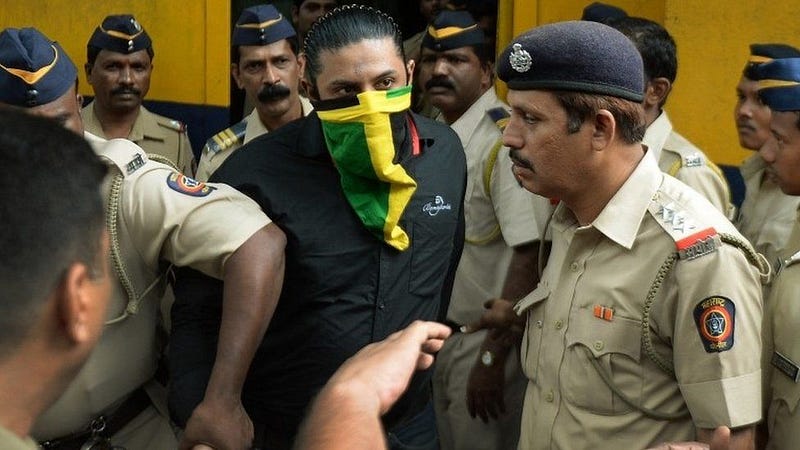
A radical Islamist group, Lashkar-e-Taiba, orchestrated the Mumbai Train Bombings. The coordinated attacks targeted the city’s transportation system, aiming to maximize casualties and sow widespread fear. Investigations revealed meticulous planning, with bombs hidden in pressure cookers and planted strategically across the network.
Finding Solace in the Shadows
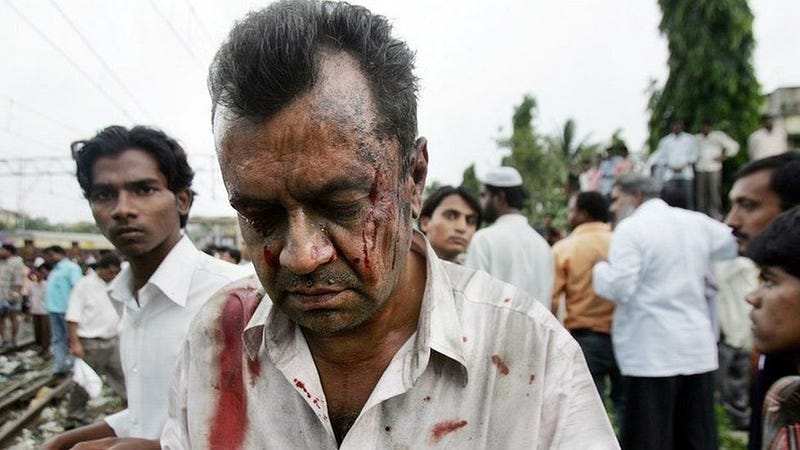
Amidst the devastation, stories of extraordinary courage emerged. Firefighters battled raging flames, risking their lives to rescue trapped passengers. Doctors worked tirelessly in overwhelmed hospitals, treating the injured and offering solace to the bereaved. Ordinary citizens displayed remarkable compassion, helping strangers and guiding the lost amidst the chaos.
7/11: A Day of Remembrance
The Mumbai Train Bombings left an indelible scar on the city’s soul. Over 209 lives were lost, and hundreds more were injured. Yet, from the ashes of tragedy, rose a spirit of resilience. Memorials were erected, victims were remembered, and the city vowed to rise stronger.
Today, July 11th is commemorated as a day of remembrance. A reminder of the fragility of life, the enduring power of terror, but also the unwavering spirit of a city that refused to be cowed. Mumbai is a testament to the human capacity for compassion, courage, and resilience, a beacon of hope in the face of darkness.