avatarLucianoSphere (Luciano Abriata, PhD)

Free AI web copilot to create summaries, insights and extended knowledge, download it at here

2635

Abstract

he event.</p><h2 id="dfe7">How did the Mediterranean lose its water in the first place?</h2><p id="0c28">Another very interesting geological event is the one that preceded this flood. That’s the Messinian Salinity Crisis mentioned above. Without Messinian Crisis, there wouldn’t have been any Zanclan Flood.</p><p id="f6cd">What happened was that the Strait of Gibraltar closed around 5.6 million years ago, <i>i.e.</i> 300,000 years below the flood. Besides, very dry times followed for thousands of years, during which the Mediterranean not only didn’t receive any water but also suffered from evaporation. So much, that as I summarized above its water levels were almost 3 km below the current levels. You can see how the map could have looked like in the WikiPedia entry for the <a href="https://en.wikipedia.org/wiki/Messinian_salinity_crisis">Messinian Crisis</a>. And you can know more about the <a href="https://en.wikipedia.org/wiki/Zanclean_flood">Zanclean Flood</a> here.</p><p id="ba07">Yet another interesting point is that Germany considered emptying the Mediterranean by pumping its waters out, to expose more lands for farming (which would actually be useless because of the high salinity). Check the WikiPedia entry for <a href="https://en.wikipedia.org/wiki/Atlantropa">Atlantropa</a>.</p><figure id="da8c"><img src="https://cdn-images-1.readmedium.com/v2/resize:fit:800/1*KffXxhoQzHz34gTGFVCCaw.png"><figcaption>The dried-out Mediterranean getting refilled through the Strait of Gibraltar. Concept art by author.</figcaption></figure><h2 id="f40b">Do you enjoy these kinds of stories?</h2><p id="6149">Then check out these other readings by me:</p><div id="d115" class="link-block"> <a href="https://readmedium.com/painting-birds-in-paradise-7cc95777124c"> <div> <div> <h2>Painting Birds in Paradise</h2> <div><h3>A world-renowned hyperrealist painter of nature who works and lives in a cabin in the depths of the Argentinian Andean…</h3></div> <div><p>medium.com</p></div> </div> <div> <div style="background-image: url(https://miro.readmedium.com/v2/resize:fit:320/1*NM83AVRtWqveMvfvd1whEQ.png)"></div> </div> </div> </a> </div><div id="dfd4" class="link-block"> <a href="https://readmedium.com/fate-and-destiny-come-across-four-lives-6c83655b9bf1"> <div> <div> <h2>Fate and destiny come across four lives</h2> <div><h3>As sad as unusual, locals call this story “the tragedy

Options

of the poodle dog”.</h3></div> <div><p>medium.com</p></div> </div> <div> <div style="background-image: url(https://miro.readmedium.com/v2/resize:fit:320/1*r7po-d5bTg9W6ECoUO1bTQ.jpeg)"></div> </div> </div> </a> </div><p id="4b27">I based this article on this peer-reviewed article in Nature:</p><div id="1ca5" class="link-block"> <a href="https://www.nature.com/articles/nature08555"> <div> <div> <h2>Catastrophic flood of the Mediterranean after the Messinian salinity crisis - Nature</h2> <div><h3>5.33 million years ago, in an event known as the Zanclean flood, Atlantic waters refilled a mostly desiccated…</h3></div> <div><p>www.nature.com</p></div> </div> <div> <div style="background-image: url(https://miro.readmedium.com/v2/resize:fit:320/0*aNnltbSkzxcdTKJw)"></div> </div> </div> </a> </div><p id="b527">And this comment published in Science:</p><div id="43a6" class="link-block"> <a href="https://www.science.org/content/article/flood-not-falls-refilled-mediterranean"> <div> <div> <h2>A Flood, Not a Falls, Refilled the Mediterranean</h2> <div><h3>All it took to get started was a trickle. Researchers have found evidence that the Atlantic Ocean refilled the…</h3></div> <div><p>www.science.org</p></div> </div> <div> <div style="background-image: url(https://miro.readmedium.com/v2/resize:fit:320/0*OLlI0XJfAys6r8Oa)"></div> </div> </div> </a> </div><p id="347f"><a href="https://www.lucianoabriata.com/"><b><i>www.lucianoabriata.com</i></b></a><i> I write and photoshoot about everything that lies in my broad sphere of interests: nature, science, technology, programming, etc. <a href="https://lucianosphere.medium.com/membership"><b>Become a Medium member</b></a> to access all its stories (affiliate links of the platform for which I get small revenues without cost to you) and <a href="https://lucianosphere.medium.com/subscribe"><b>subscribe to get my new stories</b></a><b> by email</b>. To <b>consult about small jobs</b> check my <a href="https://lucianoabriata.altervista.org/services/index.html"><b>services page here</b></a>. You can <a href="https://lucianoabriata.altervista.org/office/contact.html"><b>contact me here</b></a><b>.</b></i></p></article></body>

CRAZY FACTS

A catastrophic flood revived the Mediterranean sea just before it died out desiccated

Scientists found evidence that a gigantic flood refilled the dried-out Mediterranean basin about 5.3 million years ago, raising the water level by more than 10 meters a day at its peak and preventing its death.

Researchers have found (peer-reviewed article at the end of the story) evidence that around 5.3 million years ago the Atlantic ocean refilled the Mediterranean sea, which was almost dried out. They also found that this probably started slowly but accelerated steeply, completing the refill of the Mediterranean in a time of just a few months to around a year, maximum 2 years. For geological timescales, that is extremely fast.

This huge and extremely quick flooding event was called the “Zanclean Flood”.

A different Mediterranean

The key thing is that right before the Zanclean Flood, the Mediterranean was not the sea we know today but a huge desert with very salty lakes scattered all around and reaching depths of almost 3 km below the current sea level. The waters had evaporated about 300,000 years earlier during the so-called Messinian Salinity Crisis, when the only water inlet of the Mediterranean (the Strait of Gibraltar, regulating water inlet from the Atlantic Sea) was clogged.

Melting ice → rising waters

Earlier research had suggested that a major ice age had caused sea levels to drop, exposing a land bridge between Europe and Africa. Then, when the ice age ended, the sea rose again. With the increasing levels of water on the Atlantic Ocean, the clog at the Strait of Gibraltar began to erode. Initially, the flood began slowly, as the land bridge subsided a bit. Over the next several thousand years, the rapidly growing stream carved a notch deeper and deeper into the land, until the inflow of seawater became overwhelming — carrying possibly a thousand times more water than what the Amazon river carries today.

Although the flood built up gradually, it eventually became gigantic. “Catastrophic” as the authors of the study state in the title of their paper. As much as 90% of the refill of the Mediterranean happened in a timescale of months to just 2 years. At the peak speed of refill, the authors estimated that the water level raised by more than 10 meters a day. The inflow of water was so strong that it carved a 200 km long channel, making it almost half a meter deeper each day at the peak of the event.

How did the Mediterranean lose its water in the first place?

Another very interesting geological event is the one that preceded this flood. That’s the Messinian Salinity Crisis mentioned above. Without Messinian Crisis, there wouldn’t have been any Zanclan Flood.

What happened was that the Strait of Gibraltar closed around 5.6 million years ago, i.e. 300,000 years below the flood. Besides, very dry times followed for thousands of years, during which the Mediterranean not only didn’t receive any water but also suffered from evaporation. So much, that as I summarized above its water levels were almost 3 km below the current levels. You can see how the map could have looked like in the WikiPedia entry for the Messinian Crisis. And you can know more about the Zanclean Flood here.

Yet another interesting point is that Germany considered emptying the Mediterranean by pumping its waters out, to expose more lands for farming (which would actually be useless because of the high salinity). Check the WikiPedia entry for Atlantropa.
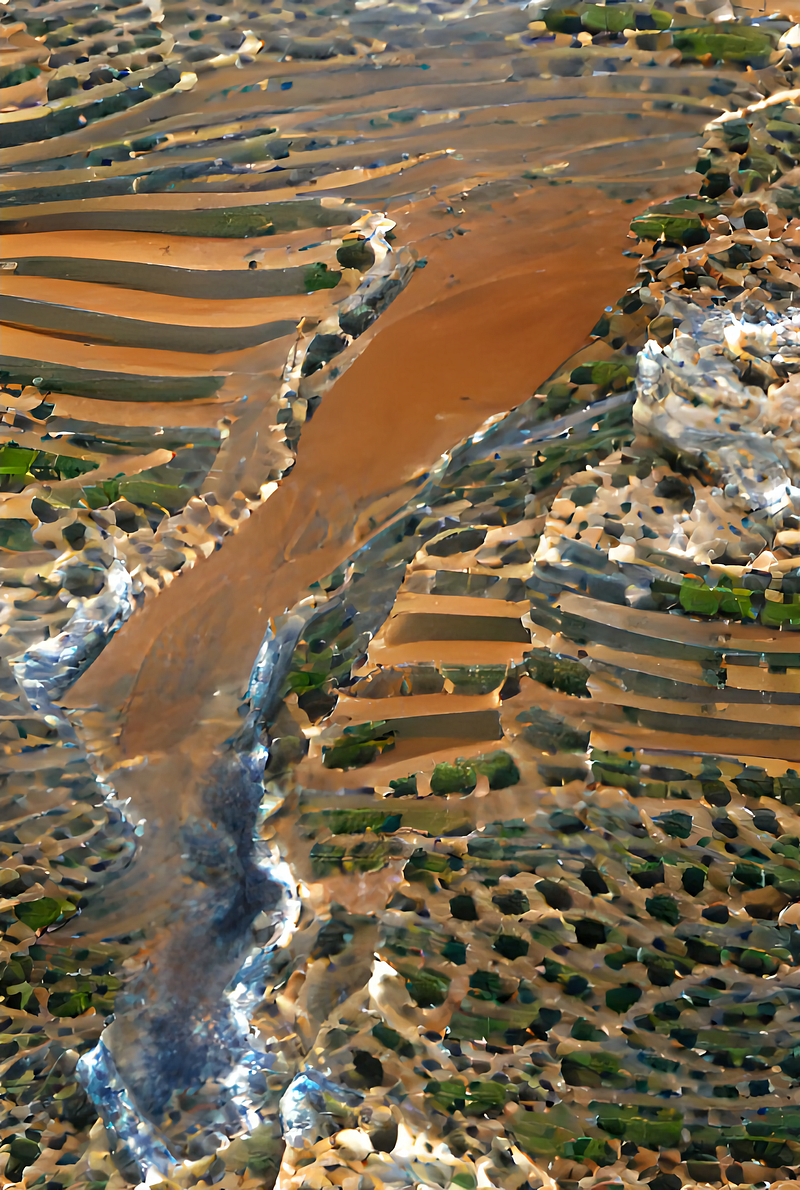
The dried-out Mediterranean getting refilled through the Strait of Gibraltar. Concept art by author.

Do you enjoy these kinds of stories?

Then check out these other readings by me:

I based this article on this peer-reviewed article in Nature:

And this comment published in Science:

www.lucianoabriata.com I write and photoshoot about everything that lies in my broad sphere of interests: nature, science, technology, programming, etc. Become a Medium member to access all its stories (affiliate links of the platform for which I get small revenues without cost to you) and subscribe to get my new stories by email. To consult about small jobs check my services page here. You can contact me here.

Geography
Geology
Facts
Life
Science
Recommended from ReadMedium